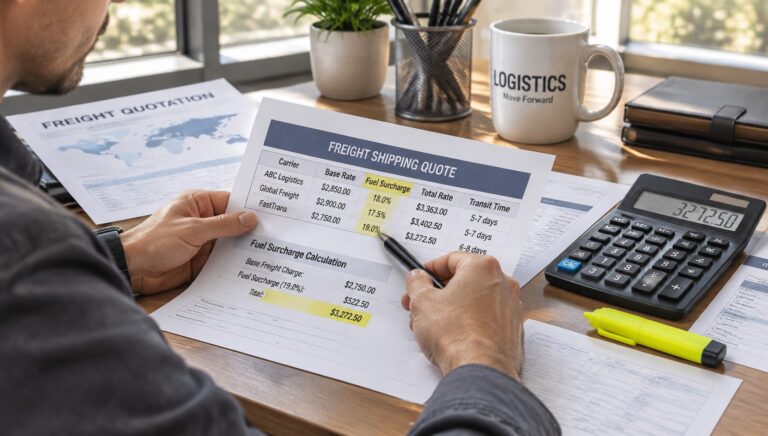
Start with the Customs Clearance Handoff Checklist
Use this customs clearance handoff checklist to align the exporter, importer, customs broker, freight forwarder, carrier, and receiving facility before the shipment moves through the next stage. The customs broker handles customs work within its accepted scope. The freight forwarder coordinates transportation within its agreed scope. The importer confirms its role and broker arrangement, while the exporter or seller supplies accurate product and transaction information. One company may offer both brokerage and forwarding, but its service description alone does not establish which tasks it has accepted.
Start by confirming the importing party, the relevant jurisdictions, the goods being shipped, and the transport arrangement. Then reconcile the available records, assign an owner to every open question, and identify how each status will be verified. The customs authority makes its own decisions; neither document submission nor transport booking guarantees a particular outcome. Requirements depend on the actual shipment and current rules, so unresolved facts must remain visible until the appropriate party verifies them.
- Confirm the exporter, importer, destination jurisdiction, goods, and transport mode.
- Identify the broker and confirm the accepted customs service scope.
- Reconcile the commercial invoice, packing list, and available product data.
- Check the current transport record against the approved shipment information.
- Assign an owner and next action to every unresolved discrepancy.
- Verify applicable customs, carrier, cargo-availability, and delivery statuses separately.
Define the Shipment Before Assigning Responsibilities
The handoff depends on the transaction, route, cargo, and agreed services. A destination address does not establish every relevant jurisdiction, and a general product name may not provide enough information for a customs review. Record the following facts before circulating documents as ready for review.
| Variable | Information to record | Who confirms it | Risk to prevent |
|---|---|---|---|
| Route and jurisdiction | Export, transit, and destination countries | Exporter, importer, and broker | Reviewing the wrong jurisdiction or movement |
| Goods and transaction | Product identity, quantity, intended use, and transaction facts | Seller, manufacturer, and buyer | Using unsupported or outdated product information |
| Transport arrangement | Mode, routing, transfer points, and carrier | Forwarder and carrier | Using a superseded booking or transport record |
| Importer and broker | Named parties, contacts, engagement, and accepted scope | Importer and broker | Assuming a booking appoints a broker |
| Destination handoff | Receiving address, site contact, and delivery scope | Importer, forwarder, and receiver | Confusing cargo arrival with final delivery |
Transport records must reflect the approved shipment facts. For ocean cargo, reconcile the bill of lading instructions, package details, consignee information, and routing with the current booking. The sea freight arrangement should follow the same confirmed source information used for customs preparation.
For air cargo, check the air waybill details, shipper and consignee identities, goods description, piece count, and destination. Confirm which party reviews the draft and who coordinates corrections within the air freight arrangement. When a shipment changes mode or passes between operators, identify who transfers the current records and verifies receipt; the multimodal freight plan should reflect those handoffs.
These examples describe transport-document controls, not a universal list of customs requirements. The broker and importer must confirm the applicable entry process, supporting records, and product-specific checks for the actual jurisdiction and transaction.
Customs Broker vs. Freight Forwarder vs. Importer
Assign each task to a named party rather than relying on a job title or combined quotation. The table below is an operating framework. The actual allocation depends on the shipment, jurisdiction, engagement, and agreed service scope.
| Stage | Responsible party | Required action | Completion evidence |
|---|---|---|---|
| Shipment preparation | Exporter and importer | Confirm goods, transaction, parties, and route | Current shipment summary and source records |
| Broker appointment | Importer and broker | Confirm engagement, scope, contacts, and authority to act as applicable | Accepted arrangement and confirmed responsibilities |
| Transport preparation | Forwarder and carrier | Reconcile booking details and transport records | Reviewed current transport-document version |
| Import review | Broker and importer | Resolve questions and coordinate agreed filing work | Review record and applicable filing confirmation |
| Release and delivery | Importer, broker, carrier, forwarder, and receiver as applicable | Verify separate statuses and destination arrangements | Relevant status confirmations and receiving instructions |
The exporter or seller supplies source information about the goods and transaction. The importer confirms its role, provides or verifies information assigned to it, and approves decisions within its responsibility. The broker reviews information and handles filing or customs coordination only within its accepted scope. The forwarder coordinates transportation and the operational handoffs included in its service. The carrier and receiving facility confirm matters within their control.
The authority’s decision remains separate from a service provider’s activity. A submission receipt does not establish a final authority decision. A forwarder’s arrival update does not, by itself, establish carrier release or cargo availability. Each party must confirm the status relevant to its own next action.
Before engaging a customs brokerage service, give the broker the route, goods description, importer details, available source records, and the questions requiring review. Ask the broker to identify its accepted scope, outstanding information, and escalation contact. Keep transport coordination separate unless the agreed engagement expressly includes both functions.
Documents and Data: What to Check and Who Owns It
Prepare consistent records, identify their source owners, and confirm what the broker needs for the actual entry. The following table covers common preparation inputs; it does not establish a universal legal document list for all countries, goods, or transactions.
| Record or task | Source owner | Verification point | Evidence of completion | Common discrepancy |
|---|---|---|---|---|
| Commercial invoice or transaction record | Seller or exporter | Parties, goods, quantities, and transaction facts | Reconciled against the source transaction | Conflicting parties, descriptions, or quantities |
| Packing list | Packer or exporter | Package count, marks, dimensions, and weights | Checked against packed cargo | Outdated count or inconsistent weights |
| Product and classification data | Manufacturer, seller, importer, and reviewer as agreed | Model, composition, function, and intended use | Technical evidence and reviewer confirmation | Data copied from a different product |
| Importer and broker details | Importer and broker | Party identity, appointment, and accepted scope | Confirmed engagement and contact details | Unconfirmed role or unclear filing responsibility |
| Transport and conditional product records | Exporter, forwarder, manufacturer, or issuer | Current routing and any applicable supporting records | Review against the actual shipment and relevant requirements | Wrong route, product reference, or unsupported record |
Check the commercial invoice against the underlying purchase or sales record, the actual goods, and the packing list. A document can look complete while containing a different model, quantity, or party name. The commercial invoice preparation guide is relevant when the question concerns the invoice itself; this handoff checklist focuses on reconciling that invoice with the rest of the shipment record.
A product’s short sales name may not establish its composition, function, or intended use. Ask the seller or manufacturer for available specifications and model details. The importer and broker should identify who reviews classification and which evidence is needed to assess the actual product for the relevant jurisdiction.
For a question about a specific customs, licensing, labeling, or product requirement, ask the relevant broker or qualified adviser to identify the current official authority guidance that applies to the route and goods. Record the authority, source title, and any relevant effective-date or version information. Do not treat a general logistics checklist as proof of a country-specific rule.
Verification rule: Document receipt is not the same as document review. Record the version reviewed, the person who confirmed it, the outstanding questions, and the owner of the next action. When a material fact changes, identify every downstream record that may need revision.
Six Steps from Source Data to Delivery Handoff
Use this sequence to coordinate the work. Adapt each stage to the route, commodity, entry process, and agreed service scope. A completed step means that its assigned action has been addressed; it does not guarantee an authority decision or a particular shipment outcome.
Collect the source facts
The exporter gathers transaction, packing, and product information. The appropriate source owner verifies the facts that a sales description or booking reference cannot establish.
Confirm the importer and broker
The importer confirms its role and broker arrangement. The broker identifies the accepted scope, review questions, contact channel, and missing inputs.
Reconcile commercial records
The exporter and importer compare the transaction record, product description, quantity, package details, and party information. The source owner addresses factual conflicts.
Align transport records
The forwarder and carrier check the booking and draft transport record against approved facts. They identify the document owner and coordinate revisions within their agreed roles.
Resolve outstanding review questions
The broker identifies missing information and coordinates agreed customs work. The importer, seller, manufacturer, or qualified adviser supplies the evidence assigned to them.
Verify the next movement
The relevant parties confirm applicable customs and carrier statuses, cargo availability, and receiving arrangements separately. The forwarder coordinates the next transport handoff within its accepted scope.
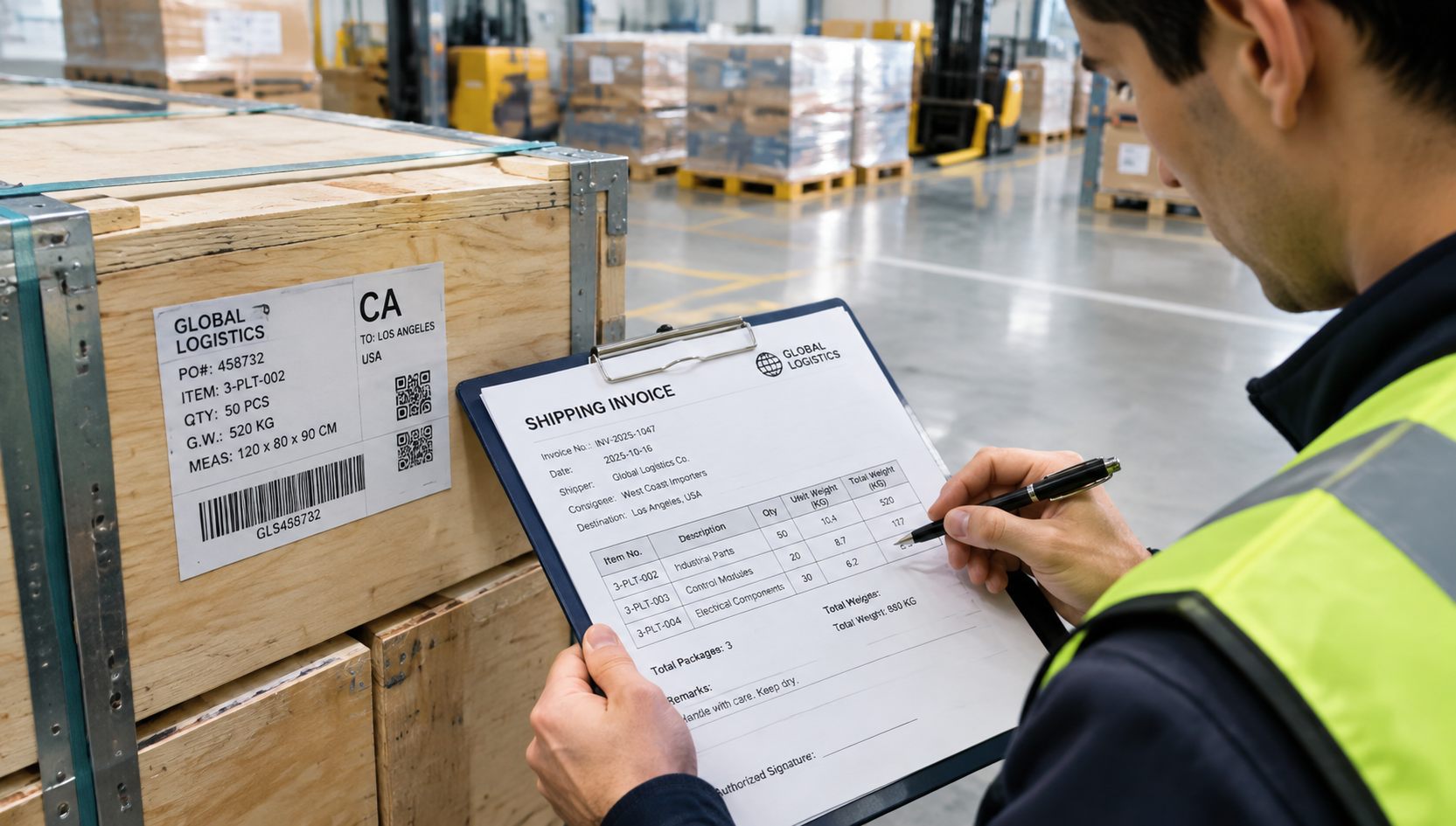
Verify Release Status and Delivery Readiness Separately
Do not treat every positive shipment update as evidence that cargo can move to the next stage. A filing record, customs status, carrier release, facility availability, and delivery arrangement describe different checks where those stages apply. Their exact names and sequence vary with the jurisdiction, transport mode, and operating process.
| Status to verify | What it establishes | Who confirms it | Next question |
|---|---|---|---|
| Declaration submitted | A filing or submission was recorded | Broker or authorized filing party | Is any further review or information outstanding? |
| Customs status | The reported authority status for the applicable process | Broker or importer through the relevant channel | Are there other applicable requirements to verify? |
| Carrier release | The carrier’s separate release status | Carrier or authorized representative | Does the carrier report any unresolved condition? |
| Cargo availability | The relevant facility reports cargo ready for collection | Terminal, carrier, or warehouse as applicable | What collection instructions apply? |
| Delivery arrangement | The receiving and onward movement plan has been coordinated | Forwarder and receiver within their roles | Are the address, appointment, and acceptance details correct? |
Use the table as a verification framework, not as a universal customs sequence. Ask the party responsible for each status to identify the current state, any remaining conditions, and the next action owner. Preserve the confirmation or reference available through the relevant channel so that the next party knows what has and has not been verified.

Incomplete information or late corrections can lead to additional handling, storage exposure, rebooking, further review, or changes to the delivery plan. The actual consequences depend on the contract, carrier, facility, route, and circumstances. Ask the forwarder and carrier how they handle corrections and communicate operational exceptions rather than assuming another shipment followed the same process.
For a DDP transaction, verify the agreed allocation of import-related tasks, brokerage, government-charge approvals, destination handling, and delivery. The DDP customs-preparation guide addresses that specific transaction context; this article covers the broader handoff controls that still need to be confirmed for the shipment.
For door-to-door transport, confirm which origin and destination activities are included, who coordinates the final movement, and whether the receiver has confirmed its acceptance requirements. The door-to-door freight scope should not be inferred solely from the destination address shown on a transport record.
If the unresolved question concerns which tasks a supplier’s quotation includes, use the customs broker and freight forwarder quote guide to distinguish quote comparison from the operational question addressed here: whether each handoff has a clear owner and the required information.
Correct Document Conflicts and Unassigned Tasks
Resolve discrepancies at their source rather than allowing different parties to work from different shipment versions. The owner of the underlying fact verifies what is correct; the originating document owner updates the affected record; and the broker, forwarder, or carrier identifies any downstream revisions within its agreed scope. The coordinating party should track acknowledgment from the parties that rely on the changed data.
When a task has no clear owner, compare the request with the accepted service scope. Identify who provides the information, who reviews it, who submits or coordinates it, who approves the relevant commercial decision, and who verifies the resulting status. Do not assume that involvement in the shipment automatically assigns legal, customs, financial, or regulatory responsibility.
Common mistake: A shipper treats an old invoice, a previous entry, or a transport booking as evidence that the current shipment is ready. Instead, compare the current records with the actual goods and transaction, confirm which version each party holds, and assign an owner to every material conflict before the next party relies on it.
Pause the affected handoff: If the invoice describes a different product or quantity from the packing list or the goods prepared for transport, do not circulate the inconsistent data as final. Ask the source owner to verify the facts, correct the appropriate record, and notify affected parties before they rely on the revision.
Disclosure: This page provides general logistics and customs-preparation information and may mention freight services available through this website. Actual requirements, authority decisions, duties, taxes, document obligations, service scope, and delivery conditions depend on the shipment, jurisdiction, commodity, transaction, and current rules. Confirm current requirements before booking or filing.
Complete a Shipment Handoff Summary
Prepare a short handoff record before requesting a broker or forwarder review. Use the current source documents, identify the person who can confirm each fact, and distinguish completed checks from open questions. The template below is a working record, not a declaration form or a substitute for jurisdiction-specific requirements.
| Field | Information to enter | Evidence or confirmation | Open action |
|---|---|---|---|
| Shipment reference and route | Internal reference, jurisdictions, mode, and routing | Current booking or shipment instructions | Confirm any unapproved routing detail |
| Goods and source data | Product, model, quantity, and available technical evidence | Invoice, packing list, and product records | Identify the source owner for missing facts |
| Importer and broker | Names, contacts, engagement status, and accepted scope | Confirmed party details and broker arrangement | Clarify any unassigned customs task |
| Transport and delivery | Current transport record, receiving site, and delivery scope | Transport instructions and receiver confirmation | Resolve any location or service-scope mismatch |
| Open issues and status | Discrepancy, owner, next action, and relevant status reference | Correction record or confirmation from the responsible party | Record what remains unresolved and who follows up |
Apply five preparation rules: confirm facts with their source owner; use identifiable document versions; distinguish a submitted record from a verified status; assign unresolved questions to a named party; and revisit every affected record when the goods, transaction, route, importer, or delivery scope changes. For a specific regulatory requirement, record the applicable official source and ask the relevant qualified party to confirm its relevance to the shipment.
Illustrative example (not a customer case): A business prepares an ocean shipment of industrial components. The invoice identifies Model A, while the packing list references Model B. The seller asks the manufacturer to verify the actual model and checks the packed goods against the source records. The seller then updates the document it owns after verifying the facts. The importer sends the corrected product information to the broker for review, and the forwarder identifies which draft transport records contain the conflicting description. The responsible document owners coordinate any necessary revisions, and the parties record which version each recipient has received. The broker identifies any additional evidence needed for its review. The team keeps the discrepancy open until the responsible parties confirm the required corrections and their respective handoffs. This example illustrates document control and coordination; it does not imply an authority decision or shipment outcome.
Key Takeaways
- Confirm the importer, route, goods, transaction, transport mode, and receiving point before treating the handoff as ready.
- Separate the exporter’s source-data role, the importer’s decisions, the broker’s accepted customs scope, and the forwarder’s transport responsibilities.
- Reconcile current commercial, packing, product, and transport records against the actual shipment.
- Verify applicable customs status, carrier release, cargo availability, and delivery readiness separately.
- Record an owner, next action, and available confirmation for each unresolved issue.
FAQ
What documents should an importer send to a customs broker?
Start with importer details, the commercial invoice or equivalent transaction record, packing information, product descriptions, and available technical evidence. Include the current transport information when available. The broker should identify which additional records apply to the actual jurisdiction, commodity, transaction, and agreed entry scope. A generic checklist cannot establish every requirement for every shipment.
Is customs release the same as cargo availability?
No. A reported customs status, carrier release, and facility availability are separate checks where those stages apply. Confirm each status with the party that controls it. Then verify the applicable collection instructions and receiving arrangements before treating the next movement as ready to proceed.
Who should correct mismatched shipment documents?
The party that owns the underlying fact should verify the correct information. The originating document owner should update the affected record, while the broker and forwarder identify related revisions within their agreed scopes. Notify other parties that rely on the old data, distinguish the revised version from the previous one, and record confirmation from the relevant recipients.
Can one company act as both customs broker and freight forwarder?
A company may offer both services, but its name or quotation does not prove that it has accepted every task. Confirm the brokerage engagement, transport scope, information owners, filing responsibilities, and status-reporting arrangements separately. The company’s ability to perform a particular role must also be confirmed for the relevant jurisdiction and shipment.
What product information helps a broker review a shipment?
Provide a factual description and the available model, composition, function, intended-use, and manufacturer details that help identify the actual goods. Technical specifications can resolve ambiguity in a broad sales name. Ask the broker and importer who will review classification and which supporting records may be relevant to the intended entry.
What should happen when shipment details change after booking?
The owner of the changed fact should verify and correct the source information, then notify affected parties. The broker, forwarder, and carrier should identify revisions needed within their respective scopes. Record the new version, identify recipients that need it, and recheck any relevant status or delivery arrangement that the change may affect.
Disclaimer: This page is general operational guidance, not legal, customs, tax, insurance, product-safety, regulatory, classification, or licensing advice. Requirements, authority decisions, responsibilities, charges, and deadlines depend on the controlling documents, product, jurisdiction, transaction, service terms, and current official guidance. Confirm current shipment requirements with the relevant authority, licensed broker, carrier, or qualified adviser.