How to Choose Between the Two Bond Types
A continuous customs bond fits importers who clear goods through US customs repeatedly, because one bond stays in force across many entries. A single entry bond fits an importer with a one-time or trial shipment, because it covers one entry and ends there. The main trade-off is commitment against repetition: continuous coverage means an ongoing relationship with a surety, while single entry coverage means arranging a new bond for every shipment. The fact most likely to change the answer is how often the importer expects to file entries, together with the bond amount the broker verifies for those goods.
Importers who replenish inventory on a regular cycle usually lean toward continuous coverage. Importers testing a new supplier or running a one-off project usually lean toward the single entry bond. A licensed customs broker, who files the entries, can check the required amount against your actual cargo before you commit.
Align the Conditions Before You Compare Quotes
A fair comparison starts with identical facts. A quote built for one importer, one goods description, and one entry pattern cannot be weighed against a quote built on different assumptions. Align the conditions below before you judge price or speed. Each one also shapes the paperwork the importer files with U.S. Customs and Border Protection (CBP).
| Condition | Why It Matters | What to Confirm |
|---|---|---|
| Importer of record | The bond follows the party answerable to CBP for the entry | Legal name, importer identification, and who acts in that role |
| Entry pattern | Frequency decides whether repeated single bonds or one continuous bond fits | Expected shipments across the planning period and how steady they are |
| Goods and origin | Goods can change how the broker and surety assess the bond | Commodity description, origin, and any extra agency involvement |
| Bond amount basis | The amount depends on expected duties, taxes, fees, and applicable rules | The amount the broker or surety verifies before commercial imports begin |
| Filing party | A broker or surety agent normally handles the paperwork and filing | Who submits the bond and who confirms it is on file |
| Quote inclusion | Premium, broker handling, and filing charges can sit in different places | What the quoted price covers and what it leaves out |
| Timing before arrival | Setup must finish before the entry is filed | The date bond status is confirmed, relative to booking and cargo arrival |
Continuous Bond and Single Entry Bond Profiles
Other bond types exist for specific programs, but this comparison covers the two structures that importers of commercial goods weigh most often.
Continuous bond
A continuous bond suits an importer who expects entries to repeat, whether from one supplier or several. The importer applies through a surety or a licensed broker, the surety issues the bond, and the bond is filed with CBP. The broker then references it on each entry, so the importer does not rebuild coverage for every shipment. The bond stays active until it ends or is canceled, and the surety’s terms set renewal and billing. That cycle is why many buyers call it an annual customs bond.
The structure fits poorly when only one shipment is firm, because the importer takes on an ongoing arrangement it may never use. Sellers who replenish marketplace inventory often reach the continuous side first, and an Amazon FBA shipping program is a typical case where entries repeat on a steady cycle. The selection trigger is a second shipment you already expect, not a hope that volume will grow.
Single entry bond
A single entry bond suits an importer whose next shipment is the only one that is certain. The broker arranges the bond for that entry, sized to that shipment, and the bond’s role ends with the entry. This keeps the commitment small, which helps with a trial order, a one-time project, or a first purchase from an unproven supplier. A first-time importer who wants help with bond choice and clearance together may prefer a managed import service that keeps those decisions in one place.
The structure fits poorly when shipments repeat, because every entry then needs another bond, another round of information, and another chance for delay. The selection trigger is uncertainty: choose it when you cannot yet say whether a second shipment will follow.
Core Decision Matrix
The matrix compares both bond types on the same dimensions. It stays qualitative on purpose, because premiums and required amounts depend on the importer, the goods, and the surety.
| Decision Factor | Continuous Bond | Single Entry Bond | What to Verify |
|---|---|---|---|
| Entry pattern | Repeated shipments with a steady rhythm | One-time or trial shipment | Expected entries across the planning period |
| Coverage span | Stays in force across entries until ended | Covers one entry only | Term, renewal, and cancellation conditions |
| Cost structure | One commitment on the surety’s cycle | A separate premium for each bond | Whether the quote is per bond or per term, and what sits outside it |
| Setup effort | Set up once, then reused by the broker | Repeated for every entry | Information the broker needs and who files with CBP |
| Timing risk | Eases once active, but a late setup still delays entry | Recurs before every entry | Bond status before booking and before arrival |
| Amount review | Reviewed against expected import activity | Sized to the specific entry | Required amount confirmed for these goods |
Read the matrix from the entry pattern outward. If entries repeat, the continuous bond removes the repeated setup and the repeated timing risk. If the next shipment is the only certain one, the single entry bond avoids a standing commitment. Mixed cases exist. An importer who expects one entry now and more later can start with a single entry bond and revisit the choice once the pattern becomes clear.
Field note: Treat the bond choice as a booking-stage decision, not a clearance-stage fix. When the importer settles bond type and amount at the same time as the booking, the broker can confirm bond status before the cargo moves.
Bond Cost and Quote Scope
Buyers often ask how much a customs bond costs, and a reliable answer starts with the variables rather than a number. A single entry bond is priced and bought per bond. A continuous bond is priced as an ongoing commitment on the surety’s term. Each surety sets its own pricing, and the premium reflects the bond amount, the importer’s profile, and the underwriting review.
The breakeven between repeated single bonds and one continuous bond depends on entry frequency, the bond amount for the goods, surety pricing, and any broker handling charges. No single threshold applies across importers. To resolve it, ask the surety or broker to quote both structures for the same goods and the same planned entry pattern, then compare the totals across the planning period.
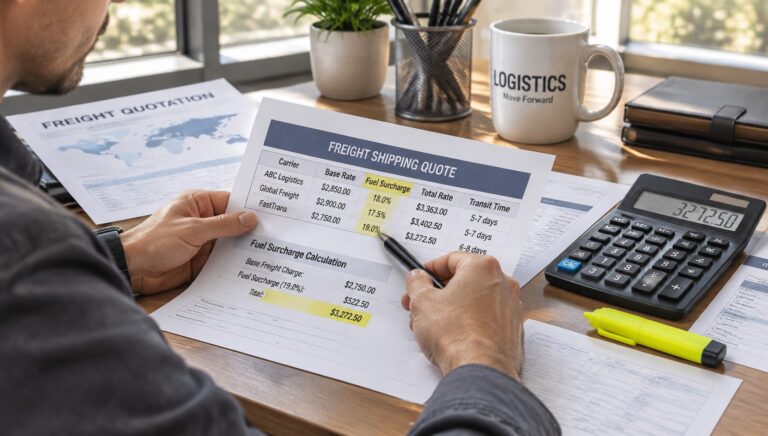
The bond premium is also only one line among many import charges. Duties, taxes, customs entry handling, freight, and any examination or storage charges sit outside it. Separate the bond line from those charges when you compare quotes, so a bundled price cannot hide what the bond itself costs.
Basis. The quote states whether the premium is charged per bond or per term.
Amount. The quote names the bond amount it assumes and who verified it.
Handling. The quote shows whether broker and filing charges are included or billed separately.
Renewal. The quote explains how renewal and billing work for a continuous bond.
Exclusions. The quote lists the charges it leaves out, such as duties and taxes.
Note: Freight rates and total shipment charges change with cargo details, route, service scope, carrier conditions, timing, destination handling, and applicable responsibilities. Compare current quotes only after their scope has been aligned.
Timing, Handoffs, and Delivery Cycle
Bond setup is a chain of handoffs, and the chain must finish before the broker files the entry. Speed depends on how complete the importer’s information is, how quickly the surety completes underwriting, and how soon the bond reaches CBP’s records. This page gives no timing figures for bond issuance, because they vary by surety and importer. Ask the broker for a confirmed bond status instead of an estimate.
Confirm importer details
Verify the importer of record, its legal name, and the contact who will sign. Errors here carry through every later step.
Request a bond quote
Ask the broker or a surety agent to quote the chosen structure, using the same goods and entry pattern for each option.
Complete underwriting
The surety reviews the importer and the requested amount. Complete answers speed this step, and gaps slow it.
Execute and file the bond
The signed bond is issued and filed with CBP, usually through the broker. Confirm who submits it.
Confirm bond status
Ask the broker to confirm in writing that the bond is on file before the cargo moves.
File the entry and release
The broker files the entry against the bond. Release then depends on customs review and any holds, which the bond does not control.
The window between booking and arrival differs by mode, and it changes how much slack the bond setup has. With sea freight, the voyage usually leaves room for bond setup to run alongside it, although a missing bond at arrival still holds up the entry. Air freight compresses that window, so confirm the bond before the cargo is tendered, not while it is in flight. For shipments moving under express service, ask the provider and the broker before shipping how the goods will be entered and whether a bond applies, because the entry route can differ from standard freight.
Delivery inside the US starts only after release. A bond gap that delays release therefore delays pickup, appointments, and final delivery, so ask your trucking freight provider to hold flexible pickup instructions until the broker confirms release.
Responsibility and Service Boundaries
Several parties touch a bond, and a quote that blends their roles can hide who owns what. Keep these roles separate when you read any import quote. Transport mode and loading format do not change the bond question, so they belong in a different comparison.
| Party | Role | Common Confusion |
|---|---|---|
| Importer of record | Principal on the bond and answerable to CBP for the entry | Assuming the forwarder holds this role by default |
| Surety company | Issues the bond and stands behind the guarantee | Treating the surety as an insurer of the cargo |
| Customs broker | Arranges or confirms the bond and files the entry | Assuming broker service automatically includes the bond |
| Freight forwarder | Moves the cargo and coordinates handoffs | Assuming a transport booking includes bond setup |
In general terms, a customs bond is a guarantee that supports the importer’s obligations to CBP, such as paying duties, taxes, and fees and meeting import requirements. The bond does not insure the goods. Protection for the goods themselves comes from cargo insurance, a separate policy with its own terms, and a bond does not substitute for it.
Customs brokerage is where the bond meets the entry. The broker references the bond on each filing and can verify the bond amount before commercial imports begin. Ask the broker to state in writing whether bond arrangement, premium handling, and entry filing sit inside the quote.
A door-to-door service quote may bundle clearance and final delivery, yet a bundled price does not show who holds the bond. The same question applies to a DDP quote, where the delivered price is meant to include import clearance, duties, and taxes. In both cases, the quote should name the importer of record and the bond behind the entry.
Selection Rules and Quote Preparation
Use these rules as a starting point, then adjust them to what the broker and surety confirm.
Repeating entries. Default to a continuous bond when more shipments are already planned. It fits poorly if only one shipment is firm, and a confirmed reorder from the same supplier would change that.
One-off shipment. Default to a single entry bond when the next shipment is the only certain one. It fits poorly once reorders become routine, and a signed supply arrangement is the cue to reconsider.
Uncertain pattern. If you cannot predict reorders, start with the lighter commitment and review the choice after the first entry. A pattern that settles quickly points back toward continuous coverage.
Amount uncertainty. Hold the decision until the broker or surety has verified the bond amount for your goods. A change in goods or expected values can alter both the amount and the better choice.
Timing pressure. When cargo is due soon, choose the structure that the surety and broker can confirm in time. A confirmed bond status date matters more than a slightly lower quote.
Gather the shipment inputs before you ask for quotes: importer of record details, goods description and origin, expected entry pattern and shipment values, the target arrival period, and the party who will file the entry. When those are ready, send an inquiry with them so the quote reflects your actual shipment instead of assumptions.

Illustrative example (not a customer case): A small importer places a first order with a new supplier and cannot say whether reorders will follow. The broker confirms that a single entry bond fits that first shipment and verifies the amount for the goods. After the entry clears, the supplier confirms a regular reorder schedule. The importer then asks the broker to quote a continuous bond for the planned entry pattern and compares both structures for the same goods.
Common Mistakes and Controls
Most bond problems come from comparing unlike things or deciding too late. Unequal quote scope is the first culprit: one quote includes broker handling and filing, while another shows only the premium. Category confusion is the second. A bond is neither a duty payment nor cargo insurance, so correct any quote that treats it as either before you book. Missing facts cause the third problem. A bond arranged on an incomplete goods description or incomplete importer details can need rework at the worst moment.
Common mistake: Selecting a bond by its headline premium. A single entry bond can look cheaper for one shipment, yet repeated purchases for later entries can change the total. Compare both structures across the planned entry pattern, with the same goods, the same amount, and the same inclusions.
The control is simple. Write the bond type, amount, importer of record, filing party, and bond status date into the quote or booking confirmation, so no party has to assume them.
Risk alert: If the goods, importer details, or expected entry values change after the bond quote, ask the broker to re-verify the bond amount before the entry is filed. An amount verified for different facts can leave the entry waiting on a corrected bond.
Disclosure: This page provides general freight comparison guidance and may mention freight services available through this website. Actual cost, timing, service scope, customs requirements, carrier conditions, and destination handling depend on the shipment and can change. Confirm the current shipment plan before booking.
Key Takeaways
Entry pattern decides. Repeated shipments point toward a continuous bond, while a one-off or trial shipment points toward a single entry bond.
Compare structures, not premiums. Judge both options across the planned entry pattern, using the same goods, amount, and inclusions.
Keep roles separate. Treat the bond, brokerage, cargo insurance, duties, and freight as distinct lines in every quote.
Verify the amount early. Have the broker or surety confirm the bond amount before commercial imports begin, and again when goods or values change.
Prepare inputs first. Gather importer details, goods, entry pattern, arrival target, and filing party before requesting quotes.
FAQ
What is a customs bond and how does it work?
A customs bond is a surety guarantee that supports the importer’s obligations to CBP. The importer is the principal, the surety stands behind the bond, and CBP is the protected party. The broker references the bond when it files the entry.
When is a customs bond required?
The answer depends on the entry type, the goods, and CBP rules, so no general answer fits every shipment. Ask your licensed customs broker to confirm the requirement for your specific cargo before you book.
What does a customs bond cover?
In general terms, it guarantees that the importer will meet obligations to CBP, such as paying duties, taxes, and fees. It does not insure the cargo or replace payment of duties and taxes.
How do I get a customs bond?
Request one through a licensed customs broker or a surety agent. Provide the importer details, goods description, and expected entry pattern, then ask for written confirmation that the bond is on file before the cargo arrives.
How much does a customs bond cost?
The cost depends on the bond type, the bond amount, the surety’s pricing, and the importer’s profile, so a fair figure needs a quote. Ask whether the premium is per bond or per term and which broker or filing charges sit outside it.
How fast can I get a customs bond?
Speed depends on how complete the importer’s information is and how quickly the surety completes underwriting and the bond reaches CBP. Start before booking, and ask the broker for confirmed bond status instead of an estimate.
Is an annual customs bond the same as a continuous bond?
Buyers often use the two terms for the same structure, since a continuous bond usually renews on the surety’s yearly cycle. Confirm the renewal and billing terms in the surety’s paperwork, because they set what you pay and when.
Why verify the bond amount before commercial imports begin?
The required amount depends on the goods and expected import activity, and an amount verified for different facts can leave an entry waiting on a correction. Ask the broker or surety to confirm the amount for your actual goods, and check it again when values change.
Disclaimer: Freight comparison information on this page is general planning guidance, not a binding quotation, carrier commitment, customs ruling, legal opinion, or delivery guarantee. Suitability depends on cargo, route, scope, timing, provider terms, and destination conditions. Confirm current shipment requirements before booking.