

Samples and prototypes
Move the sample after the supplier has confirmed carton dimensions, product value and a collection-ready contact, rather than losing time to an incomplete handoff.
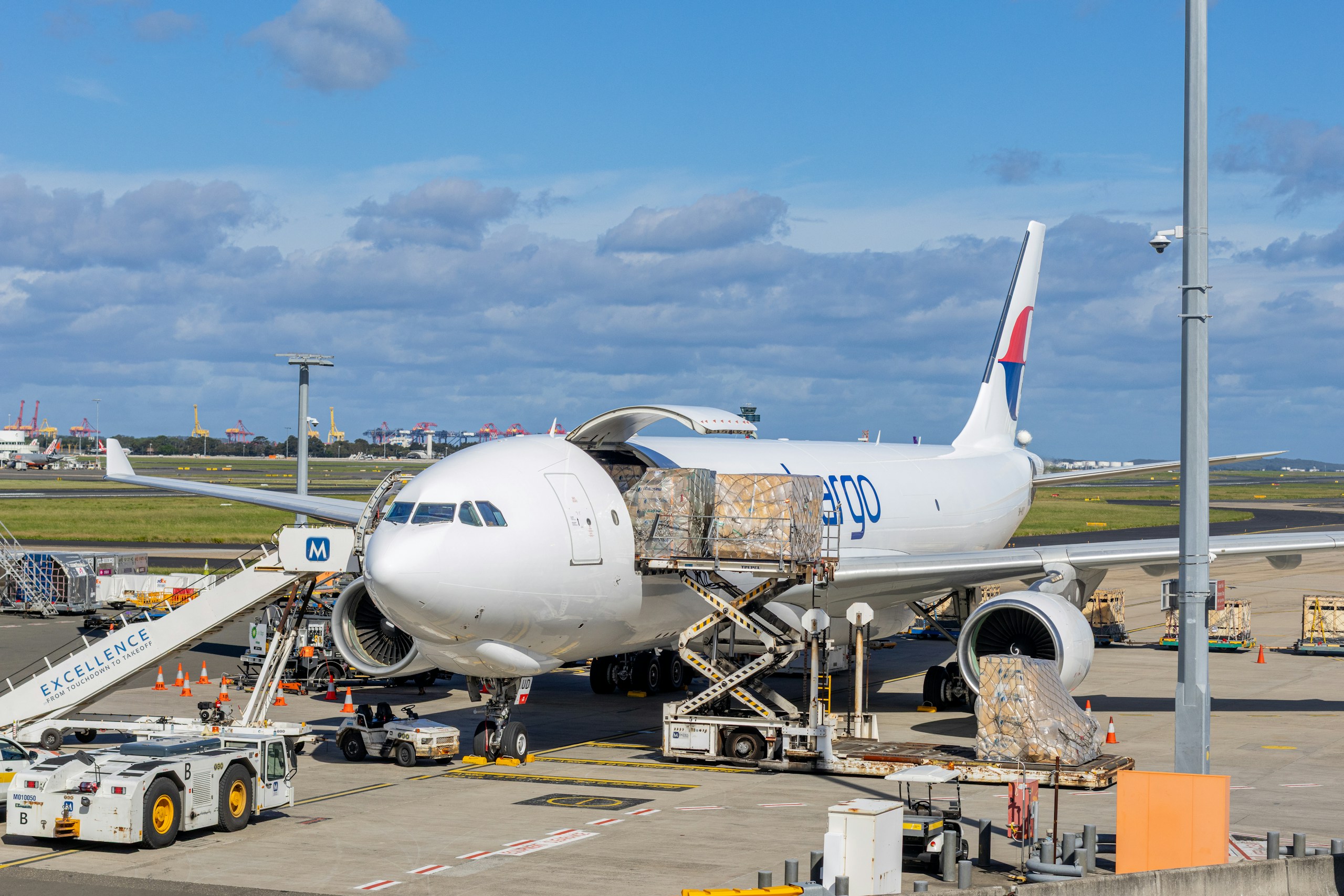
China to worldwide door-to-door courier
For samples, urgent stock, documents and smaller commercial shipments that need a fast, trackable door-to-door route from your supplier to the final delivery address.
The mode should match the commercial problem
Use express when the commercial value of a faster, managed handoff is higher than the cost per kilogram: a sample approval, an urgent replacement, a stockout or a small shipment that needs supplier pickup and final delivery in one scope.
Move the sample after the supplier has confirmed carton dimensions, product value and a collection-ready contact, rather than losing time to an incomplete handoff.
Use a priority route for a production-critical part or document where the receiving team must get a trackable delivery in days.
Use a courier route when one to several cartons need factory collection and final delivery without building a separate airport or local delivery move.
Bridge a stockout with a compact top-up when the product margin and lost-sales risk justify the faster freight cost.
Keep an agreed customer or launch date credible when the shipment is ready and the import side can respond promptly to clearance questions.
Use the right network, not a default name
DHL, FedEx, UPS and approved alternatives are compared against the shipment’s service deadline, billable weight, commodity acceptance, collection conditions and final delivery type. A named carrier is only useful when the route fits the whole shipment.
01
Often evaluated for time-defined international service and broad destination reach when the shipment has a clear product declaration and the receiver can support import release.
Useful for: priority global delivery and business-ready receiving points02
Often compared when the shipment profile, collection location and delivery lane suit its service network, especially for commercial parcels with complete shipment data.
Useful for: lane-specific service and chargeable-weight comparison03
Often reviewed for business deliveries where the consignee name, import details, delivery hours and any receiving procedure are clear before dispatch.
Useful for: commercial sites and controlled delivery instructions04
Some shipments need another approved route because of the commodity, destination, service level or cost-to-transit balance. The route is checked before it is offered.
Useful for: specific goods, economy options or non-standard lanesCarrier names describe potential courier channels, not a promise that every service or commodity is available on every destination lane.
Understand the quote before you compare it
A useful express quote is more than a price per kilogram. It should make the billed weight, pickup scope, carrier service, final delivery conditions and customs responsibility clear enough for you to compare two routes on the same basis.
Chargeable weight is the higher of actual and volumetric weight. A common express calculation is length x width x height in cm divided by 5,000. For example, a 60 x 40 x 35 cm carton has a volumetric weight of 16.8 kg.
Compare the same cargo, service scope and import responsibility. A battery shipment, a residential address, an island delivery or a DDP request cannot be compared honestly with standard general-cargo DAP delivery.
Billing scenarios that change the cost
2 kg in a 32 x 25 x 18 cm carton has a 2.9 kg volumetric weight, so the shipment is normally billed at 3 kg. The priority service and minimum charge matter most.
A 45 x 35 x 30 cm carton has a 9.5 kg volumetric weight, so it is billed at 10 kg. This is where carrier service and destination scope can create meaningful differences.
A 60 x 40 x 35 cm carton has a 16.8 kg volumetric weight, so it is billed at 20 kg. Compare collection, export processing, DAP or DDP and final delivery on the same basis.
A 65 x 45 x 40 cm carton has a 23.4 kg volumetric weight, so it is billed at 30 kg. At this point, compare express convenience with an air-freight door-delivery plan.
The quote should state the billed weight, service level, origin pickup, delivery scope, duty/tax position and any surcharge clearly enough for you to compare it with another route.
What a complete quote should separate
Compare total delivered scope, not only the transport line. A lower headline figure may exclude pickup, destination delivery, duties/taxes or the handling needed for the actual goods.
Declare the cargo before selecting the route
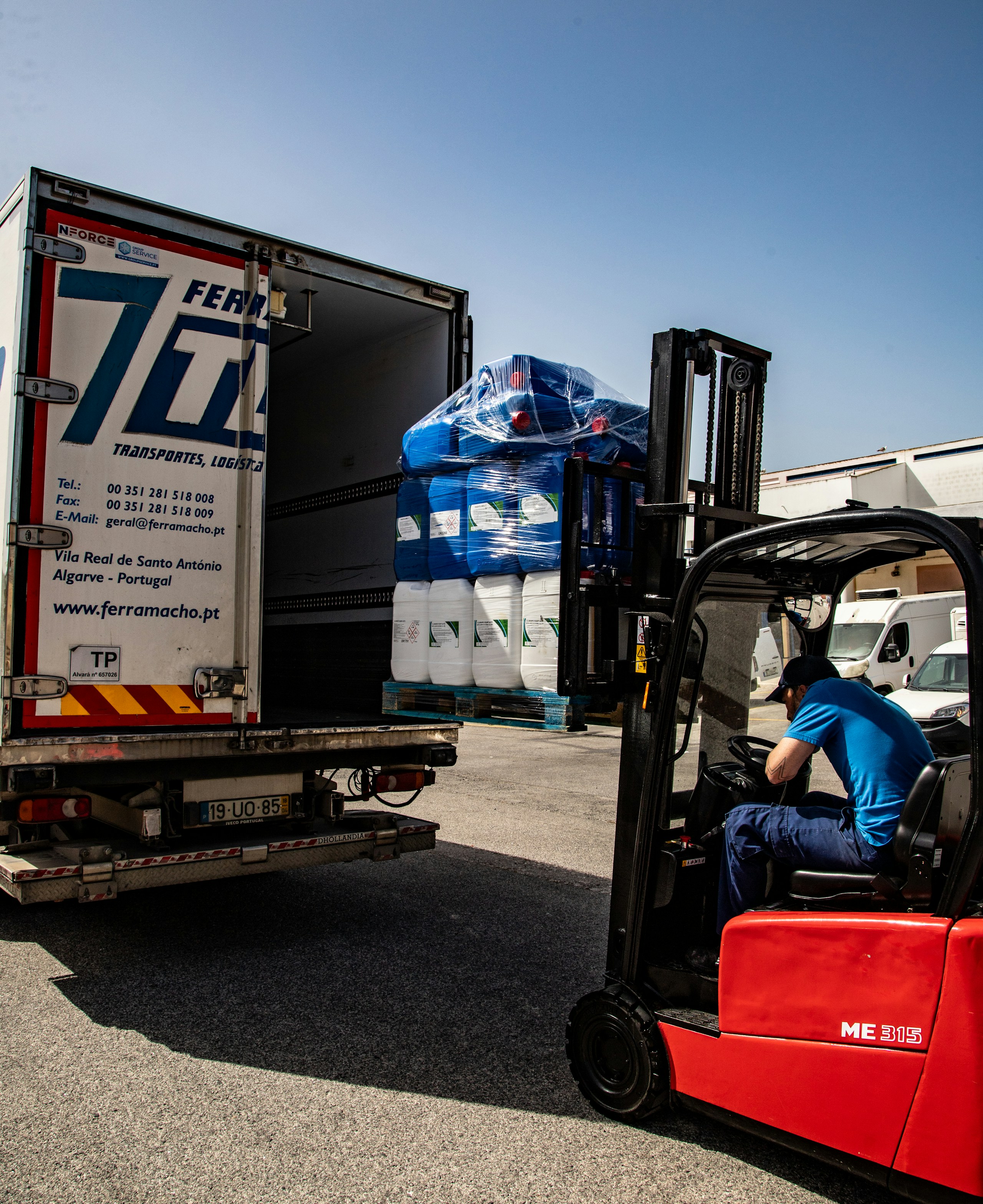
A fast route only works when the carrier, commodity and paperwork match. We separate ordinary goods from goods that need pre-approval so there are fewer surprises after collection.
Common commercial goods, documents, samples and properly packed non-restricted parcels can often move on a standard approved courier service.
Batteries, cosmetics, liquids, magnets, branded products and electronics may need a specific carrier, declaration, packing standard or destination check.
Dangerous goods, controlled products, weapons, illegal goods, counterfeit products and undeclared sensitive cargo require a separate compliance decision or cannot move.
Best practice: send a plain product description, material, use, HS code where known, product value, packing details and any MSDS, battery or compliance documents before a rate is confirmed.
A fast delivery still needs clean handoffs
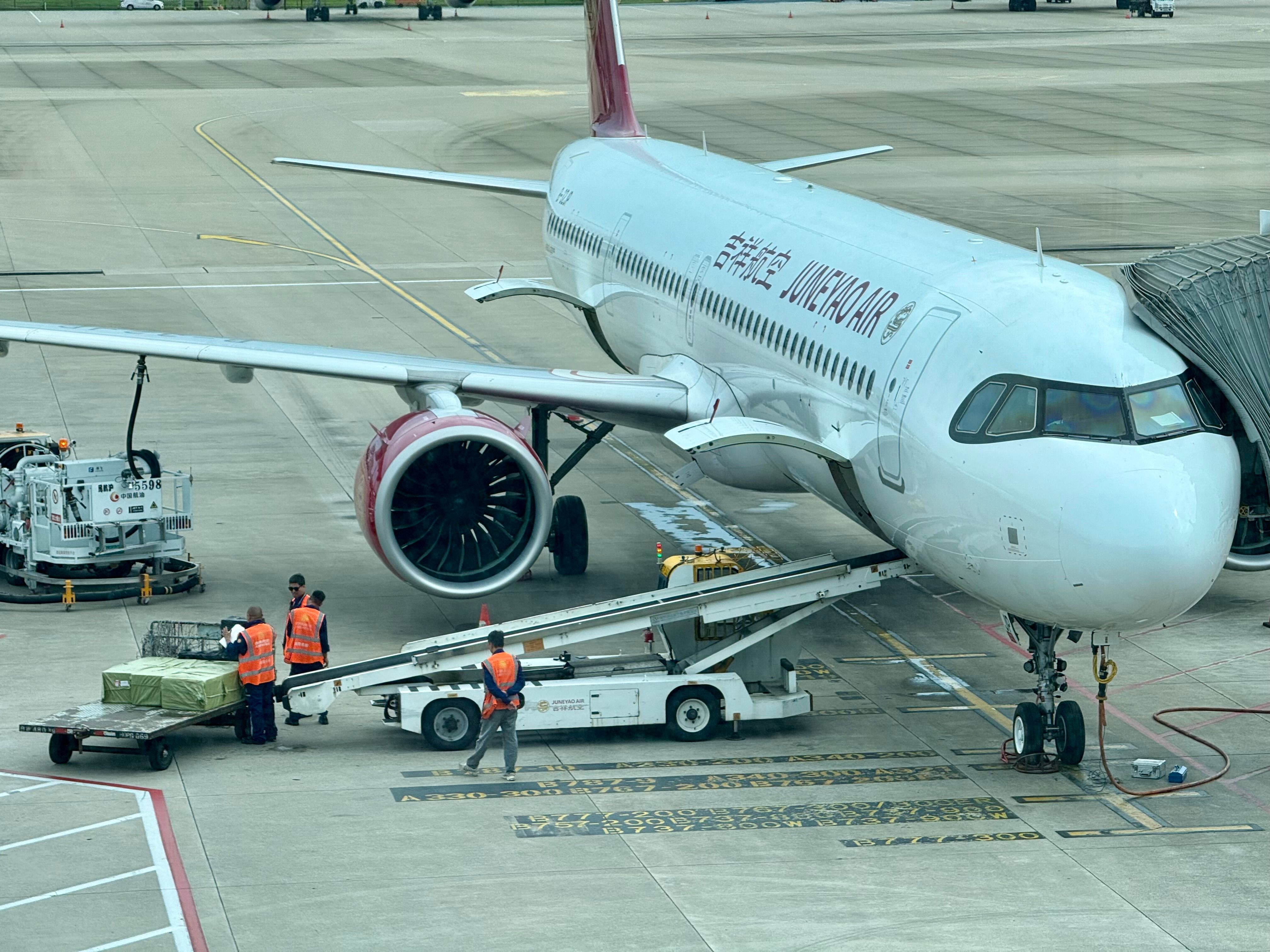
The practical route moves from supplier-ready cargo to an accepted courier collection, export handling, international line-haul, import release and a confirmed final delivery.
Check the product, carton details, actual and volumetric weight, supplier pickup point, destination postcode and delivery deadline.
Match the service to the destination, cargo acceptance, transit expectation, customs arrangement and cost level.
Arrange supplier pickup or cargo handoff, export declaration where required and carrier acceptance under the agreed documentation.
Track the international movement while the destination importer, invoice, HS code and duty or tax responsibility support clearance.
Complete final-mile delivery to the stated address, with the receiver ready to respond if customs or delivery access needs clarification.
Put responsibility into the quote before collection
Clearance problems usually start before the shipment is collected: an unclear product description, an undervalued invoice, a receiver who does not expect import charges or a DDP request that was never confirmed on the selected route.
Prepare these before collection
The receiver is normally asked to support clearance and pay assessed duties, VAT, GST or related import charges. Confirm this person and responsibility before the supplier releases the cartons.
DDP is only suitable where the commodity, destination, importer arrangement and service route have been confirmed. The quote should name the duty/tax scope and any exclusions rather than relying on the label alone.
Choose by cargo profile, timing and total delivered cost
There is no universally best mode. The commercial answer changes with chargeable weight, dimensions, cargo value, target delivery date, origin readiness and how much destination coordination you need.
Worldwide coverage is only the first question
Major commercial centres normally offer the most service choices. The meaningful operational question is where the courier must hand the shipment over: a business reception, a 3PL receiving dock, a residence or an extended-area address.
USA and Canada lanes commonly support business and residential delivery. 3PLs may still need carton labels, a named receiving contact or an appointment before final-mile release.
Commercial deliveries work best when the receiver’s importer or tax details are ready. A warehouse or office should provide delivery hours and a recipient who can respond to clearance notices.
Many regional lanes are fast, but building access, contact quality, product acceptance and local import rules can be more important than the airport-to-airport transit.
Australia and New Zealand deliveries benefit from a complete product description, delivery contact and early review of any biosecurity, declaration or regional delivery condition.
Africa, Latin America, islands and outlying postcodes can be serviceable, but may require a separate carrier choice, a delivery surcharge or a longer local handoff.
Answers before you ship
These answers help you choose a route and prepare a quote request. The final service scope still depends on the live carrier option, commodity and destination review.
Many main-market express shipments are planned in business days rather than weeks. A typical range depends on the origin city, destination postcode, carrier service, cargo readiness, customs review and whether the address is remote. A live quote is the right place to confirm the practical delivery window.
Couriers normally charge the higher of actual weight and volumetric weight, then apply the service level, destination, fuel or security surcharges and any remote-area charge. Accurate carton dimensions, weight and destination postcode prevent avoidable quote changes.
Yes, samples are a common fit when they are properly packed, accurately described and allowed on the selected service. Share the item description, material, use, value and any battery, liquid, magnet or branded-product details before booking.
Pickup can often be arranged where the supplier address, contact, cargo-ready time and package details are available. The collection plan should be confirmed before the supplier expects a driver, especially for factory parks, large sites or timed handoffs.
With DAP, the receiver is normally responsible for import duties, VAT or GST and customs cooperation at destination. DDP may include agreed destination duties and taxes when the lane, commodity and importer arrangement are confirmed. The exact responsibility must be stated in the quote, not assumed from the service name.
Some sensitive products can move only through an approved route with the correct documents, packaging and carrier acceptance. Others may be restricted or unavailable. Declare these goods before pricing so that the planned service matches the commodity.
When a shipment is heavier, more palletized or less time-critical, air freight can become more economical than courier express. Express is often strongest for smaller door-to-door packages where speed, pickup and delivery simplicity carry more value than the lowest cost per kilogram.
Courier networks classify some postcodes as outside their standard delivery area. The charge and transit impact depend on the carrier and postcode, so the destination address should be checked before the final booking is confirmed.
A good quote begins with complete shipment facts
Send the shipment details once and we will assess the practical courier route, likely chargeable weight, customs scope, destination delivery conditions and the information still needed before booking.
Include these details