

Supplier and cargo readiness
Collect the supplier address, contact, cargo-ready date, packing status and shipment details before a truck, courier or carrier is expected.
Useful for one supplier, several suppliers or a staged production schedule.
China-origin import logistics for commercial cargo
Build one import plan around the real work: supplier pickup or handoff, consolidation, freight mode selection, document readiness, destination broker coordination and delivery to the receiving point that matters to your business.
Importing is a sequence of commercial decisions
An import quote is useful only when it links the supplier side in China to the receiving outcome abroad. We start with the cargo and delivery facts that determine the route, responsibilities and handoffs instead of assuming every shipment follows the same path.
Collect the supplier address, contact, cargo-ready date, packing status and shipment details before a truck, courier or carrier is expected.
Useful for one supplier, several suppliers or a staged production schedule.Assess whether cargo should move directly, be collected from multiple suppliers or be consolidated into one shipment before international departure.
Useful when pickup dates, labels, packing or total volume need coordination.Match the freight option to the goods, deadline, budget, destination and final delivery plan rather than selecting a mode on price alone.
Useful when sea, air, rail and express create different commercial outcomes.Confirm the importer, destination broker or representative, duties and taxes arrangement, release path and the requirements of the warehouse, 3PL or consignee.
Useful when a shipment cannot afford to arrive without a workable next step.A defined scope prevents a vague "all-in" promise
Each shipment is priced around an agreed division of responsibility. This makes it clear what China Ship Net is planning, which operational task is delivered by a carrier or local partner, and what remains with the supplier, importer or destination authority.
Directly planned by China Ship Net
We can coordinate the shipment brief, supplier pickup or handoff where quoted, consolidation planning, freight routing, cargo-document readiness, carrier milestones and the release-to-delivery plan.
Delivered by the relevant provider
Carriers provide the actual transport; an appropriately authorized broker or representative handles destination customs business where required; the delivery provider carries out the final-mile movement.
Confirmed or supplied by the customer
The supplier and importer provide accurate product, value, origin, packing, importer and receiving information. They remain responsible for the product and commercial information assigned to them.
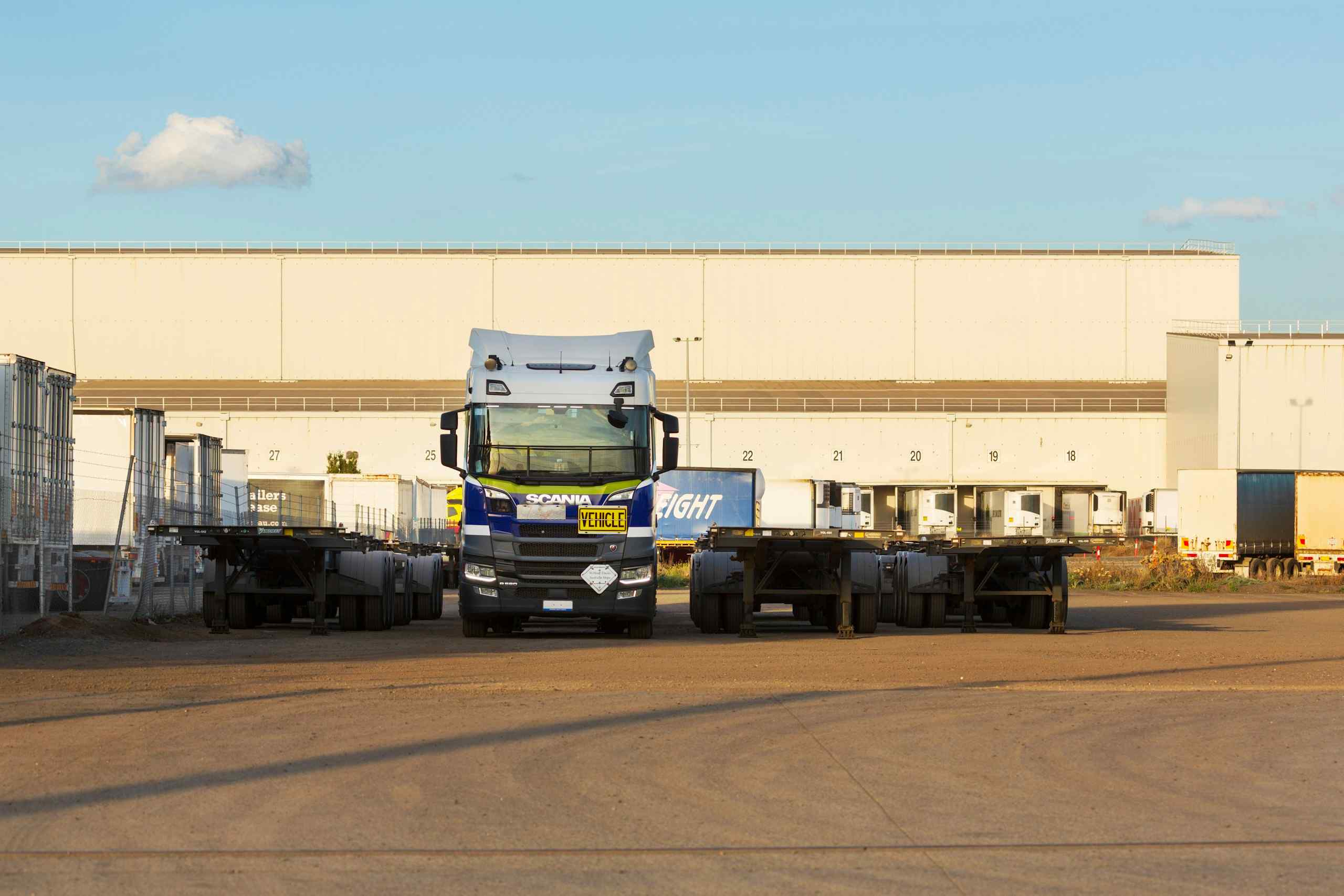
More than one supplier changes the import plan
Multiple suppliers can create a better freight outcome, but only if the collection plan is based on usable inputs. A consolidation plan has to account for where each supplier is, when goods will be ready, how the cargo is packed, and whether labels or delivery deadlines require a specific handoff.
Operational boundary: freight coordination begins once the supplier cargo information is available. Product sourcing, factory quality control and commercial negotiations are separate workstreams unless explicitly added to the agreed service.

A workable import plan has visible handoffs
The sequence changes by mode and destination, but the working method is stable: establish accurate shipment facts, confirm responsibilities before the cargo moves, then keep transport, import readiness and receiving steps connected.
Set the destination, desired arrival window, receiver conditions, importer setup and the work you want included.
Confirm cargo-ready dates, product facts, package details, value and all supplier collection information.
Plan direct handoff, pickup or consolidation, plus export-side documentation and carrier cutoff requirements.
Match sea, air, rail or express to the shipment profile and communicate the applicable milestones.
Confirm the importer, destination broker or representative, available documents, payment scope and release path.
Coordinate the status, response path for exceptions and the next move to the warehouse, 3PL, FBA site or consignee.
Select the mode for the commercial constraint, not a generic promise
The same goods may need different routes depending on production readiness, inventory runway, shipment size and delivery requirement. We scope the route around the constraint that matters most to the buyer.
Consider for samples, replacement stock, documents and compact commercial cargo where speed and managed delivery outweigh the lowest cost per kilogram.
Explore Express Shipping → Air FreightConsider for higher-value, time-critical freight when a controlled airport-to-destination plan is a better fit than courier express or ocean transit.
Explore Air Freight → Sea FreightConsider FCL or LCL when the cargo has enough lead time and the lower transport cost can support the inventory plan.
Explore Sea Freight → Rail FreightConsider eligible rail corridors when the shipment needs a middle ground between ocean lead time and air-freight cost.
Explore Rail Freight →Do not choose from a headline transit time alone. Supplier readiness, cargo acceptance, port or airport milestones, customs release and receiver availability all affect the final business date.
Price the chain, not only the main freight
A comparable import quote separates origin work, main freight, import-side charges and final delivery. That lets a buyer see what is known, what is estimated and what can change if shipment facts or receiving conditions change.
Supplier pickup, local trucking, warehouse intake, handling, consolidation, packing or labeling where quoted.
Carrier space, equipment or chargeable weight, route, service level and booking timing for the selected mode.
Port, airport or terminal handling, carrier release steps and the agreed broker or representative interface.
Duties, taxes, bonds, permits, inspections and authority fees that depend on the market, goods and importer setup.
Postcode, appointment, vehicle type, unloading, warehouse rules and any delivery access condition.

Import readiness depends on a complete shipment file
Document review is not a substitute for customs, legal or product-compliance advice. It is an operational check that the supplier, importer, broker, carrier and delivery provider receive consistent information about the goods they are handling.
Seller, buyer, consignee, product description, material, intended use, quantity, unit value, currency, country of origin and commercial terms.
Carton or pallet count, dimensions, gross and net weights, packing configuration, marks and labels, plus any cargo handling requirement.
Supplier location, cargo-ready date, collection contact, transport reference and mode-specific instructions needed for the carrier handoff.
Importer details, available HS or tariff code, broker or representative contact, destination postcode, receiver appointment and final delivery requirements.
Coverage begins with the actual import arrangement
We assess shipments for North America, Europe and other destination markets based on the route, commodity, importer setup and availability of the required carrier, broker, representative and delivery service. Coverage is confirmed per shipment, not implied by a generic global claim.
Confirm the importer, local customs-broker or representative path, commodity requirements and delivery conditions before the shipment departs China.
Confirm the country where the import process occurs, importer identity, local representation route and receiving arrangement around the selected transport mode.
For another destination, we first verify the shipping lane, commodity fit, importer setup and the local provider arrangement needed for the requested service.
Build the import plan around the actual freight and delivery task
Use the route-specific pages when you already know the mode, destination clearance or final delivery requirement that will control the import plan.
Answers before you book import freight from China
These answers explain the operational model. The final scope depends on the actual goods, supplier file, destination, importer, carrier availability and the parties authorized to handle destination customs work.
The scope can include supplier pickup or handoff, consolidation, export-side document coordination, sea, air, rail or express freight planning, destination broker handoff, shipment-status communication and delivery planning. The confirmed quote states which of those tasks are included for the actual route and cargo.
Yes, when the supplier locations, cargo-ready dates, carton details and consolidation instructions are compatible with the planned route. Share each supplier contact, address, available date, package count and packing details so pickup and consolidation can be assessed before booking.
Express is usually considered for smaller urgent parcels. Air freight can suit time-sensitive commercial cargo. Ocean freight is generally planned for larger volumes with more time, while rail can be considered on suitable China-Europe corridors. The right choice depends on cargo size, ready date, delivery deadline, destination and import arrangement.
The required arrangement depends on the destination and commodity. The importer remains responsible for the import information and obligations assigned under the local rules. Where customs business must be handled by an authorized local broker or representative, that party and its authority should be confirmed before the shipment moves.
Not automatically. Duties, taxes, permits, product certifications, inspections, bonds and authority charges depend on the destination, importer, product and commercial terms. A sound quote separates the freight and logistics scope from government charges and third-party requirements.
Delivery can be planned to a warehouse, 3PL, business address or fulfillment center when the receiver requirements are available. Appointment rules, pallet or label requirements, unloading capability and delivery address restrictions must be confirmed before the final-mile scope is priced.
The cost is shaped by supplier locations, pickup, consolidation, packing, shipment dimensions or container use, transport mode, route, destination handling, customs arrangement, final delivery conditions and any special cargo requirement. Accurate shipment data produces a more comparable quote than a headline rate alone.
Send supplier addresses and contacts, cargo-ready date, product description and material, quantity, cartons or pallets, dimensions and weight, cargo value and currency, destination and postcode, importer information, Incoterm, preferred delivery date and any documents already available. State whether you need pickup, consolidation, customs coordination and final delivery.
Send the facts once, then receive a defined import scope
Tell us whether you need supplier pickup, consolidation, freight, destination broker coordination, final delivery or a combined route. We will identify the practical route, missing information and division of responsibility before the shipment plan is finalized.
Include these details in your inquiry