What Is AMS in Shipping?
In U.S. freight shipping, AMS stands for Automated Manifest System. It is the term commonly used for electronic cargo-manifest reporting to U.S. Customs and Border Protection (CBP). The information identifies the shipment and supports advance cargo review. For covered U.S.-bound ocean cargo, federal regulations specifically refer to the vessel AMS or an approved replacement system for transmitting cargo-declaration information.

The vessel carrier normally handles its applicable cargo-manifest obligation. A qualifying non-vessel-operating common carrier (NVOCC) may transmit the relevant information directly to CBP or provide it to the vessel carrier, depending on its regulatory status and filing arrangement. The shipper supplies accurate cargo and commercial information, while the importer confirms its own applicable filing responsibilities.
AMS is not the same as the Automated Commercial Environment (ACE), CBP’s broader trade-processing platform, or the Importer Security Filing (ISF), a separate filing for applicable U.S.-bound ocean shipments. A successful manifest transmission does not automatically establish that the cargo has been released. Before shipping, confirm the actual filing, responsible party, applicable cutoff, and current submission status.
What Is the Difference Between AMS, ACE, and ISF?
These three terms describe related but distinct parts of U.S. cargo processing. Knowing which one appears in a carrier message or service quote helps the shipment team identify the record that needs attention.
| Term | Meaning | Practical role |
|---|---|---|
| AMS | Automated Manifest System | Electronic cargo-manifest reporting; the applicable transaction depends on the movement and mode. |
| ACE | Automated Commercial Environment | CBP’s broader electronic platform for manifest, cargo release, entry, and other trade transactions. |
| ISF | Importer Security Filing | A separate advance-data filing for applicable U.S.-bound ocean shipments, handled by the importer or its authorized agent. |
CBP explains the scope of the ACE trade-processing platform in its official guidance. The platform supports multiple transactions, including manifest and cargo-release activities. AMS is therefore not another name for ACE, even though electronic manifest data may be transmitted through the relevant ACE-supported channel.
The ISF serves a different purpose. For ocean shipments to which the filing applies, the importer or its authorized agent must address the separate security-filing obligation. CBP’s ISF filing guidance explains the applicable data and submission framework. An AMS-related transmission does not prove that the ISF has been completed.
When a carrier or forwarder says that AMS has been filed, ask which manifest record was transmitted, who submitted it, and what response was received. If the shipment also requires an ISF or customs entry, track those activities separately rather than treating them as one combined clearance step.
Who Is Responsible for AMS Filing?
The party that books freight is not necessarily the party that submits the electronic manifest. For covered U.S.-bound ocean cargo, the applicable regulation assigns the cargo-declaration transmission to the incoming vessel carrier, while qualifying NVOCCs may transmit the relevant information directly under the conditions specified in the regulation. Other service providers may coordinate information without being the actual filer.
| Party | Primary role | What to confirm |
|---|---|---|
| Shipper or exporter | Provides accurate source information about the goods and commercial parties. | Who verifies and corrects invoice, package, and product details? |
| Vessel carrier | Handles its applicable manifest obligation and transmits the relevant cargo declaration. | Who files the record and communicates its status? |
| Qualifying NVOCC | May transmit eligible cargo-declaration information directly or provide it to the vessel carrier. | Does the provider meet the applicable authorization, registration, and bond conditions? |
| Importer | Verifies destination information and manages its applicable import responsibilities. | Who handles any separate ISF, entry, or product-compliance task? |
| Customs broker | Performs the work covered by its appointment and coordinates agreed filing activities. | Does the engagement include entry preparation, ISF, or manifest-related coordination? |
| CBP | Reviews submitted information and makes applicable government decisions. | What official status, request, hold, or release message has been issued? |
A freight forwarder should not be presumed eligible to submit a vessel manifest merely because it manages the booking. Under 19 CFR § 4.7, an NVOCC that elects to transmit the relevant information directly must meet the applicable conditions. A freight forwarder can have a separate role in collecting data and coordinating the handoff.
Before documents move between parties, identify the actual filer, the records included in each service agreement, and the person responsible for corrections. When a broker handles related filing work, verify the scope of the appointed customs brokerage service. Do not assume that brokerage, manifest transmission, and destination delivery all fall under a single instruction.
AMS Data Checklist Before Submission
The exact data fields depend on the applicable manifest transaction. The shipper should prepare reliable source records, and the actual filer should identify the fields needed for its submission. Check the following categories for inconsistencies before transmitting the data.
| Data category | What to verify | Example of a discrepancy |
|---|---|---|
| Cargo description | The description identifies the actual goods in clear, specific language. | A generic product label does not adequately describe the commodity. |
| Package information | Package counts and cargo breakdown agree across applicable records. | The packing list shows a different total from the transport record. |
| Shipper and consignee | Names, addresses, and party roles match the underlying transaction. | A booking contact is incorrectly identified as the consignee. |
| Transport reference | The correct bill of lading, air waybill, or other applicable reference is used. | An outdated number refers to a different movement. |
| Route and shipment details | The relevant ports, destination, and movement information match the booking. | A record contains an incorrect destination or previous shipment reference. |
| Separate filing data | The importer and its appointed agent identify other applicable filings. | The team mistakes an AMS transmission for completion of the ISF or entry. |
Use the commercial invoice and packing list as source records where they apply, but do not assume that those documents alone constitute the complete manifest data set. For ocean freight, reconcile the relevant bill-of-lading information with the booking and cargo records. For air freight, use the applicable air waybill and mode-specific instructions. Document fields and transmission requirements should not be copied across transport modes without verification.
CBP’s cargo-description guidance explains that the commodity description should clearly identify the goods. If the source wording is too broad, the filer should ask the shipper to verify the product information rather than inventing details. Product composition, intended use, classification, origin, permits, and certificates may also matter to separate import or admissibility decisions, depending on the actual goods and transaction.
Field note: Keep a record of the source document used to correct a field. If the invoice, packing list, booking, or cargo description changes after submission, tell the responsible filer. Ask whether the electronic record needs an amendment, replacement, or another action under the applicable procedure. A revised commercial document does not automatically update a transmitted manifest.
AMS Filing Deadline and Preparation Workflow
For covered U.S.-bound vessel cargo, 19 CFR § 4.7 generally requires CBP to receive the electronic equivalent of the vessel’s cargo declaration at least 24 hours before the cargo is laden aboard the vessel at the foreign port. The regulation provides specific exceptions for defined bulk cargo and qualifying break-bulk cargo. Those exceptions have their own conditions and timing rules, so a shipper must confirm whether the actual cargo and carrier qualify.
Review the current federal regulation on advance vessel cargo declarations with the carrier or responsible filer. Do not apply the ocean rule automatically to air, rail, or truck movements. Confirm the relevant transport-mode requirements and operational cutoff before booking or loading. For ocean shipment planning, also align cargo-document preparation with the agreed sea freight service scope.
The following sequence separates data preparation, filing responsibility, transmission, and the later delivery handoff.
Identify the filing
Confirm the jurisdiction, route direction, transport mode, cargo type, and transaction. Ask the carrier which manifest record applies and which cutoff the shipment must meet.
Name the actual filer
Identify the vessel carrier, qualifying NVOCC, or other party responsible for the applicable transmission. Record the scope of its appointment and the contact who receives system responses.
Collect source records
Obtain the available invoice, packing list, product description, transport references, shipper information, consignee information, and other transaction-specific data requested by the filer.
Resolve discrepancies
Compare the relevant records, ask each data owner to verify discrepancies, and provide the corrected values to the responsible filer. Do not fill missing fields by assumption.
Transmit and check status
Ask the filer to confirm the applicable submission reference and report any error, request, or other response. If a correction is needed, identify the affected record and agree on the next action.
Coordinate the next handoff
Track separate import filings, entry preparation, authority decisions, carrier conditions, and delivery arrangements. Confirm who communicates the status and who receives the cargo when the applicable conditions permit the next movement.
Cost, Timing, and Delivery Exposure
Incomplete or inconsistent manifest information can cause rework and disrupt the movement plan. Depending on the circumstances, the parties may need to correct a submission, provide further information, coordinate an examination, revise a booking, or arrange additional handling. These are possible operational consequences, not automatic outcomes for every error.
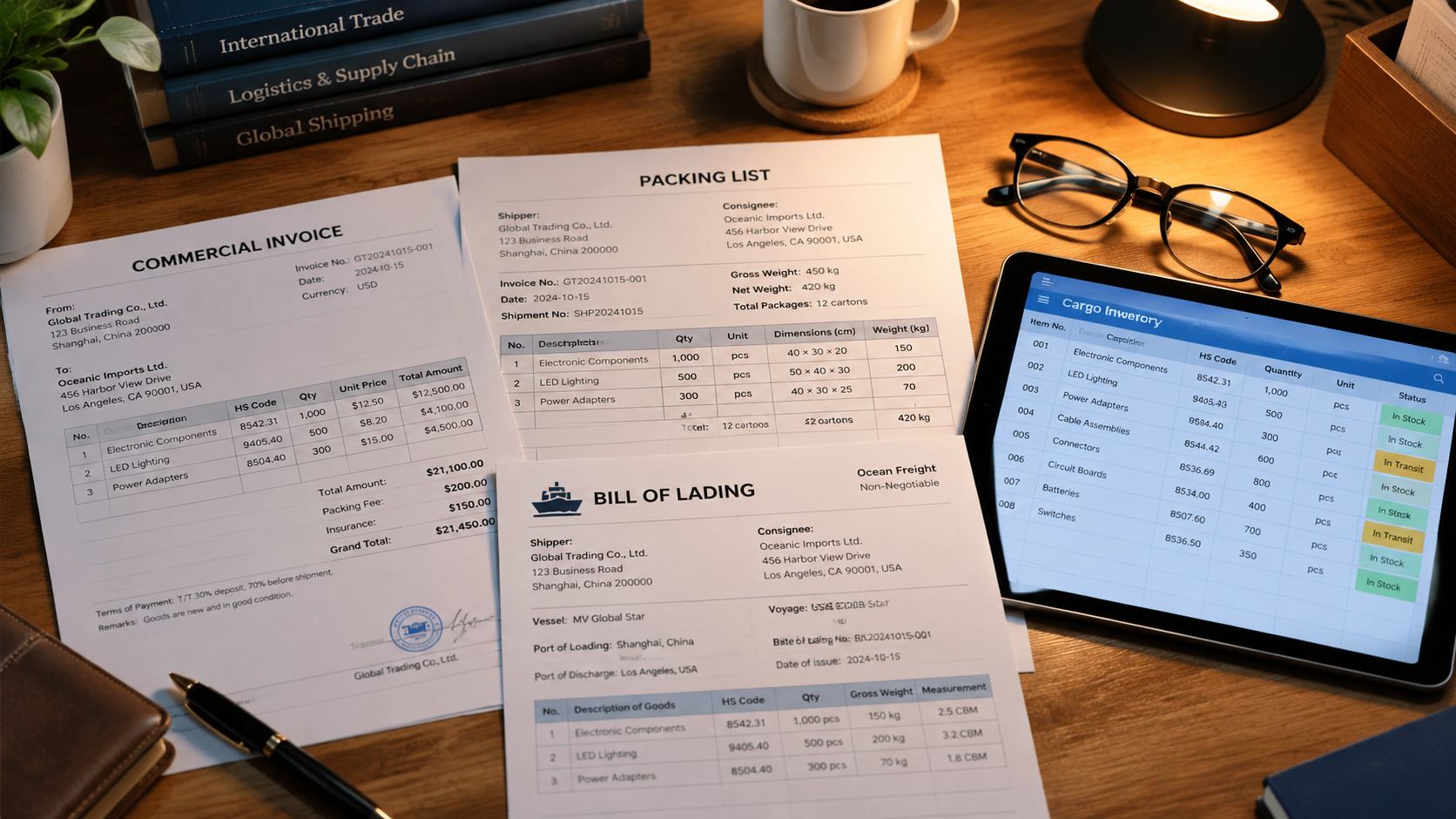
The forwarder, carrier, broker, warehouse, and importer should identify which activities depend on the corrected record. They should also confirm any applicable service charges and revised arrangements under the relevant agreements. Do not infer a universal fee, a guaranteed processing duration, or a delivery commitment from the term AMS alone.
Keep cargo release separate from transport and delivery readiness. A manifest response does not by itself establish that all applicable import requirements have been satisfied. The party coordinating delivery should verify the relevant authority and carrier status, confirm the intended receiving party and delivery instructions, and identify any remaining operational restrictions before arranging the next handoff.
What Happens if AMS Data Is Incorrect?
Incorrect or incomplete manifest information may result in a rejected transmission, a request for clarification, further review, or a shipment delay. The appropriate response depends on the affected record and the message returned by the applicable system. A team should diagnose the specific problem rather than resend the entire document set without identifying the discrepancy.
When the carrier or filing agent identifies an error, use this correction sequence:
- Identify the affected record. Ask which field is incorrect and which shipment or transmission reference is involved.
- Check the source information. Compare the field with the applicable invoice, packing list, bill of lading, air waybill, or verified product information.
- Obtain the correct value. Ask the shipper, importer, manufacturer, or other information owner to verify the source data.
- Coordinate the correction. Have the responsible filer confirm the procedure for the existing electronic record. Do not assume that changing a commercial document updates a previous transmission.
- Record the response. Keep the correction details and submission status with the shipment file, and identify any separate task that remains open.
Common mistake: A team assumes that a booking confirmation, a revised invoice, or a successful transmission proves that every related filing is correct. Those events represent different checkpoints. Confirm the affected record, the responsible filer, and the status of any separate importer-side obligation before treating the issue as resolved.
If the cargo description or a material party detail remains unverified, do not ask the filer to guess merely to keep the shipment moving. Obtain accurate source information and confirm the required correction process with the party responsible for the submission.
Disclosure: This page provides general logistics and customs-preparation information and may mention freight services available through this website. Actual requirements, authority decisions, duties, taxes, document obligations, service scope, and delivery conditions depend on the shipment, jurisdiction, commodity, transaction, and current rules. Confirm current requirements before booking or filing.
What to Prepare Before Asking for a Filing Review
Send the carrier, broker, or filing provider a clear description of the shipment and the specific question that needs review. A complete source-data package allows the appointed party to identify missing information and distinguish manifest work from other import responsibilities.
- Shipment context: Record the origin, destination, direction, transport mode, cargo type, and relevant booking reference.
- Source documents: Gather the available invoice, packing list, transport record, and verified product description.
- Filing ownership: Name the proposed filer and identify any separate ISF, entry, or other applicable filing task.
- Open discrepancies: List conflicting fields, missing product facts, and any changes made after the original documents were prepared.
- Next confirmation: Ask which record will be transmitted, what response will be shared, and who owns any required correction.
The practical default is to resolve material data gaps and confirm the filing scope before the responsible party transmits information. The facts that can change that plan include the transport mode, cargo category, actual transaction, applicable exception, and the service provider’s authorized role. Recheck the instructions whenever one of those facts changes.
Illustrative example (not a customer case): A shipper’s invoice uses a broad product label, while the ocean bill of lading contains a different description. The package details also need reconciliation, and the parties have not confirmed who will transmit the cargo declaration. The shipper must verify the actual goods and package information, the carrier or qualifying filer must identify the relevant transmission fields, and the importer must separately review any applicable importer-side filing task.
Key Takeaways
- AMS stands for Automated Manifest System and commonly refers to electronic cargo-manifest reporting in U.S. freight operations.
- ACE is the broader trade-processing platform, while ISF is a separate filing for applicable U.S.-bound ocean shipments.
- The actual filer must be identified from the applicable rules and arrangement; booking transport does not automatically authorize a party to transmit the manifest.
- For covered U.S.-bound vessel cargo, confirm the applicable advance-filing rule and any specific exception before loading.
- Use verified source records, document corrections, and track manifest status separately from entry preparation and cargo release.
FAQ
What does AMS mean on a freight shipping notice?
AMS usually means Automated Manifest System in U.S. freight and customs communications. The notice may refer to electronic cargo-manifest data, a submission, or a related status message. Ask the carrier or filing agent to identify the particular record and explain what its reported status means for the shipment.
Is AMS the same as ACE?
No. ACE stands for Automated Commercial Environment and is CBP’s broader electronic trade-processing platform. AMS is the established term associated with automated cargo-manifest reporting. The terms are related, but they do not identify the same thing. Confirm the actual transaction and transmission channel from the responsible filing party.
Is AMS the same as the Importer Security Filing?
No. The cargo manifest and Importer Security Filing are distinct processes. ISF applies to relevant U.S.-bound ocean shipments and is handled by the importer or its authorized agent. A manifest transmission should not be treated as evidence that a separate ISF obligation has been completed.
Who files AMS for an ocean shipment?
The vessel carrier handles its applicable manifest obligation. A qualifying NVOCC may transmit the relevant cargo information directly to CBP under the applicable conditions or provide it to the vessel carrier. A forwarder or broker may coordinate information without necessarily being the actual filer. Confirm who transmits the record and who handles corrections.
Does a successful AMS transmission mean the cargo is released?
No. A successful transmission does not automatically establish that CBP has released the cargo or that all other import requirements have been met. The shipment team must distinguish the manifest response from any separate entry process, authority review, outstanding request, carrier condition, or delivery restriction that applies.
Is there an AMS filing fee?
A freight quote may list an AMS filing or data-transmission charge. The amount, billing unit, and conditions depend on the provider and service agreement; there is no single provider charge that can be assumed from the acronym alone. Ask whether the charge applies per shipment or transport document and whether corrections are billed separately.
What information should I send when AMS data needs correction?
Provide the affected shipment reference, the field in question, the relevant source document, and the verified corrected information. Identify which party owns the source data and ask the responsible filer how the submitted record should be corrected. Keep the response with the shipment file and track any separate filing that may require attention.
Disclaimer: This page is general operational guidance, not legal, customs, tax, insurance, product-safety, regulatory, classification, or licensing advice. Requirements, authority decisions, responsibilities, charges, and deadlines depend on the controlling documents, product, jurisdiction, transaction, service terms, and current official guidance. Confirm current shipment requirements with the relevant authority, licensed broker, carrier, or qualified adviser.