

The types of containers available for a shipment determine how cargo is loaded, protected, transported, and handled between locations. A standard dry container suits many general goods, while refrigerated, open-top, flat-rack, and tank containers address specific cargo requirements. The right choice depends on the packed dimensions, total weight, loading method, environmental conditions, and transport route—not simply the product name.
Before booking, match the container’s usable space and equipment capabilities to the actual cargo, then confirm that the equipment is accepted for every leg of the journey. A container that accommodates the goods at origin may still be unsuitable if the cargo exceeds its payload limit, requires temperature control, cannot pass through the door opening, or needs specialized loading equipment. The following guide explains the main container types, when each is appropriate, and the checks that help prevent avoidable handling and transport problems.
How Types of Containers Affect Cargo Fit
A container is more than a fixed-volume box. Its structure, openings, fittings, environmental controls, and weight limits determine which cargo it can accommodate and how the shipment must be handled. Shippers should select equipment against the cargo’s final packed configuration, including pallets, crates, blocking, bracing, and other protective materials.
The most common options differ in practical ways:
| Container type | Suitable cargo | Main constraint | Booking check |
|---|---|---|---|
| Standard dry | Cartons, palletized goods, furniture, and machinery that needs no special environmental control | Fixed door opening, internal dimensions, and payload limit | Confirm packed dimensions, weight, and moisture protection |
| High-cube | Bulky, relatively light cargo that needs additional vertical space | Greater exterior height may affect route and handling clearance | Check internal height, door opening, and road or terminal restrictions |
| Refrigerated (reefer) | Temperature-sensitive food, ingredients, pharmaceuticals, and other compatible products | Requires suitable temperature management and compatible cargo conditions | Confirm temperature range, ventilation settings, cargo preparation, and power arrangements |
| Open-top | Machinery or other cargo that needs overhead loading | Top clearance, weather exposure, and securing requirements | Check lifting access, permitted dimensions, and the approved covering arrangement |
| Flat-rack | Oversized machinery, industrial equipment, and cargo that cannot fit a standard enclosure | Concentrated loads, cargo overhang, and specialized securing requirements | Confirm dimensions, weight distribution, lifting points, and route acceptance |
| Tank | Compatible bulk liquids and certain gases carried in purpose-built tank equipment | Product compatibility, filling limits, cleaning, and handling controls | Verify cargo compatibility, equipment approval, and applicable operating requirements |
| Ventilated or insulated | Certain goods requiring airflow or reduced heat exchange under defined conditions | Passive features do not provide the same control as active refrigeration | Confirm the cargo’s actual ventilation or temperature-management needs |
Standard dry containers are the usual starting point for general cargo, but they are not automatically the best choice for every load. A high-cube unit can help when volume is the constraint, while a reefer addresses environmental requirements that a dry container cannot actively manage. Open-top and flat-rack equipment can accommodate unusual cargo shapes, but loading, securing, and route acceptance become more important.
For ocean shipments, discuss the required equipment and handling arrangements as part of your sea freight service planning. The selected equipment must fit both the cargo and the available transport options.
Match the Container to the Cargo Requirements
Start with the cargo’s physical and handling requirements rather than choosing a container solely by nominal length. Two products with similar dimensions may need different equipment because one is temperature-sensitive, another requires overhead lifting, and a third creates a concentrated load on the container floor.
General merchandise and palletized goods
A standard dry container is often suitable for packaged consumer goods, textiles, furniture, spare parts, and other cargo that can tolerate normal transport conditions. Confirm that the loaded pallets or packages fit through the door and can be arranged without blocking access or exceeding the weight limit. Proper packing and securing remain necessary because the container enclosure does not prevent movement, crushing, or moisture damage inside.
Bulky or high-volume cargo
A high-cube container may suit lightweight products that fill the available height before reaching the permitted weight. Examples include certain furniture loads, empty packaging, and bulky finished goods. Measure the complete shipping units, however, because the door opening and usable interior dimensions can differ from advertised exterior dimensions. A taller container also needs suitable clearance along the route.
Temperature-sensitive goods
A reefer may be necessary when the cargo needs controlled transport temperatures. The shipper should establish the product’s required temperature range and determine whether the shipment needs chilled, frozen, or another defined condition. Cargo preparation, airflow, packaging, loading pattern, and power availability can all affect performance. A refrigerated container does not replace appropriate product preparation or guarantee that the cargo will remain within specification under every operating condition.
Oversized machinery and unusual shapes
An open-top container may work when the cargo must enter from above and its dimensions remain within the equipment’s permitted limits. A flat-rack may be more appropriate for wide, tall, or irregular machinery that cannot fit inside a standard enclosure. Both options require an agreed loading and securing plan. If the shipment exceeds the accepted dimensions or handling capabilities of the proposed equipment, ask the forwarder to evaluate alternative transport arrangements, including break-bulk handling where suitable.
Bulk liquids and specialized products
A tank container is intended for compatible bulk cargo that requires purpose-built tank equipment. The cargo’s chemical and physical properties, cleaning requirements, temperature needs, and applicable handling controls must be checked before assignment. A tank suitable for one product may not be suitable for another. Shippers should provide accurate product information and obtain confirmation of equipment compatibility before loading.
Check Size, Payload, and the Full Transport Route
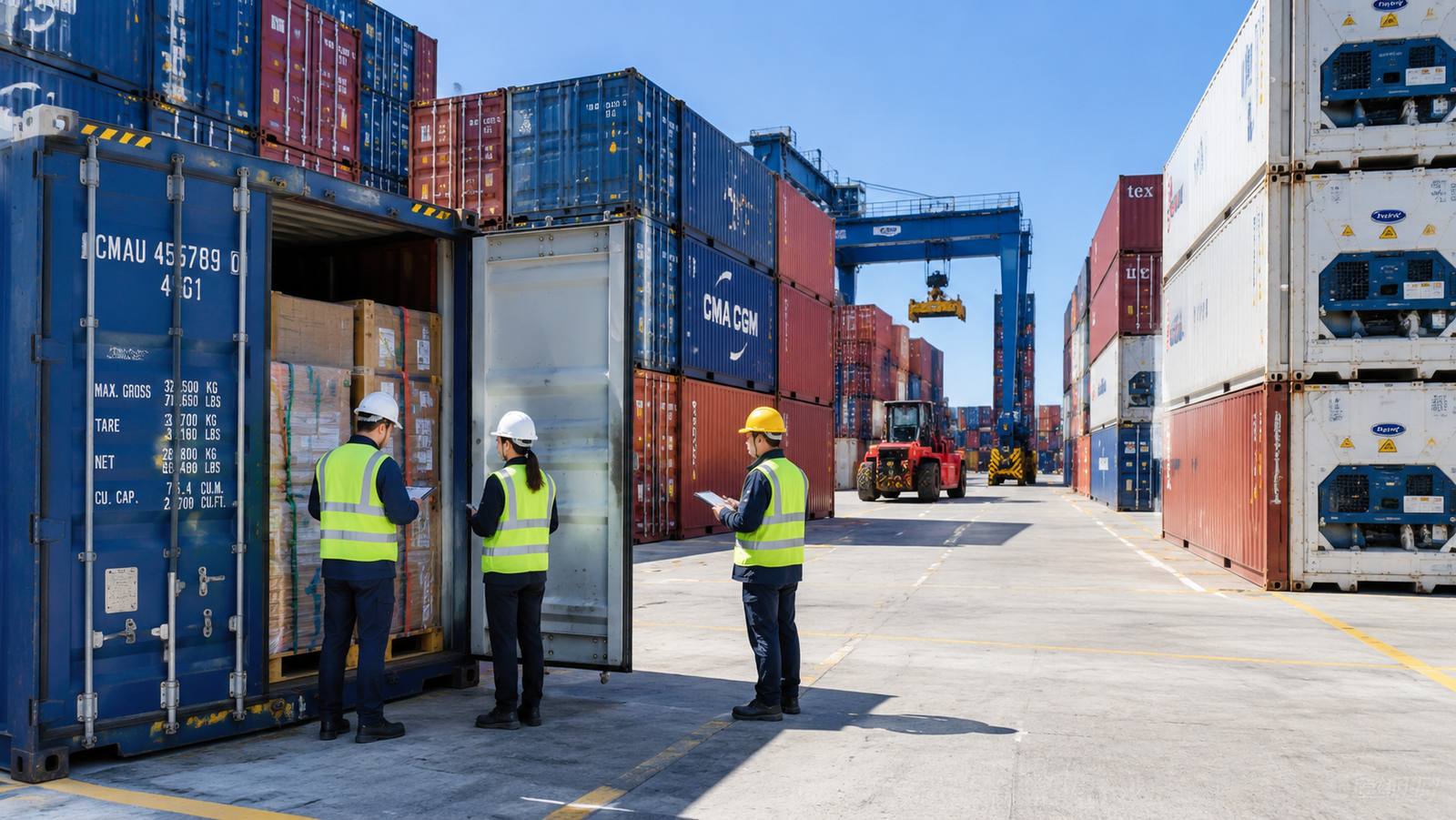
Container length alone cannot establish whether a shipment will fit. Shippers need to compare the cargo’s final packed dimensions with the equipment’s usable interior space and door opening. They must also confirm gross mass, payload limits, floor loading, and the cargo’s center of gravity when those factors affect the handling plan.
Twenty-foot and 40-foot containers serve different loading patterns, but neither is universally more economical. A shorter unit may suit dense cargo that approaches a weight limit before using all available volume. A longer or high-cube unit may suit lighter cargo that needs more space. The practical choice depends on the cargo’s dimensions and weight, equipment availability, route constraints, and the quoted transport arrangement.
The route can change the decision. A container accepted for ocean carriage may still face clearance, handling, or weight restrictions during an inland road or rail leg. Shippers should have the forwarder confirm the equipment dimensions, maximum permitted cargo weight, terminal handling arrangements, and any route-specific limits before the booking is finalized.
For shipments that include an inland rail leg, confirm equipment acceptance and the required handoff arrangements when planning rail freight. For the road leg, verify container length, chassis availability, gross vehicle weight restrictions, delivery access, and unloading arrangements through the trucking freight service plan. These checks matter especially when a high-cube, open-top, or flat-rack unit introduces unusual clearance or handling needs.
When comparing quotations, use the same cargo dimensions, weight, packing method, equipment type, origin and destination, and handling scope. A price based on standard dry equipment is not a like-for-like comparison with a quote that includes a reefer or specialized out-of-gauge handling. Ask each provider to identify the equipment and services included before comparing the commercial terms.
Information to Confirm Before Booking
Accurate cargo information allows the forwarder and equipment provider to assess suitability before the container is assigned. Prepare the shipment details in a format that clearly separates cargo measurements, handling requirements, and the requested transport service.
- Dimensions and packing: Provide the length, width, and height of each packed unit, along with the total quantity and overall cargo volume. Include pallets, crates, skids, and other packaging that affects fit.
- Weight and load distribution: State the cargo weight and expected gross loaded mass. Identify heavy individual pieces or concentrated loads that may require a specific loading or support plan.
- Environmental conditions: Identify any temperature, ventilation, moisture, or handling requirements. For refrigerated cargo, agree on the required settings and cargo preparation before loading.
- Loading and unloading: Explain whether cargo needs a forklift, crane, overhead access, a loading dock, or other specialized equipment. Confirm who supplies the equipment at each location.
- Route and delivery access: Provide the origin, destination, intermediate transport modes, delivery-site restrictions, and expected unloading method. Ask the forwarder to verify the selected container against the route.
- Product and handling information: Provide accurate commodity descriptions and disclose any characteristics that affect equipment compatibility, packaging, or safe handling. Confirm any additional documentation that the cargo or route requires.
For higher-value cargo or goods vulnerable to handling or environmental damage, review the proposed packing and risk-management arrangements separately from equipment selection. A suitable container does not remove every transit risk, and protection depends on the policy, covered events, exclusions, and shipment details. Discuss the available cargo insurance arrangements with the relevant provider if additional financial protection is appropriate.
Common Container Selection Mistakes
Several preventable issues arise when shippers choose equipment using incomplete measurements or treat the container as the only factor in the transport plan.
Using nominal dimensions instead of usable space
Exterior dimensions do not describe the space available for cargo. Door openings, internal fittings, insulation, reefer machinery, and packaging can reduce the usable space. Measure the final shipping units and verify the equipment specification before committing to the load plan. If loading clearance is tight, obtain confirmation rather than relying on nominal capacity.
Assuming special equipment solves every fit problem
An open-top or flat-rack container can accommodate cargo that does not fit a standard enclosed unit, but it does not remove payload, lifting, securing, or route limitations. Similarly, a reefer supports temperature management only within its operating capabilities and the agreed service conditions. Ask the forwarder to confirm the equipment’s specific limits and handling plan against the actual cargo.
Operator check: Before loading, compare the approved cargo dimensions and weight with the final packing list and loading plan. Escalate any change in piece count, packaging, weight distribution, temperature requirements, or cargo overhang before the container is dispatched.
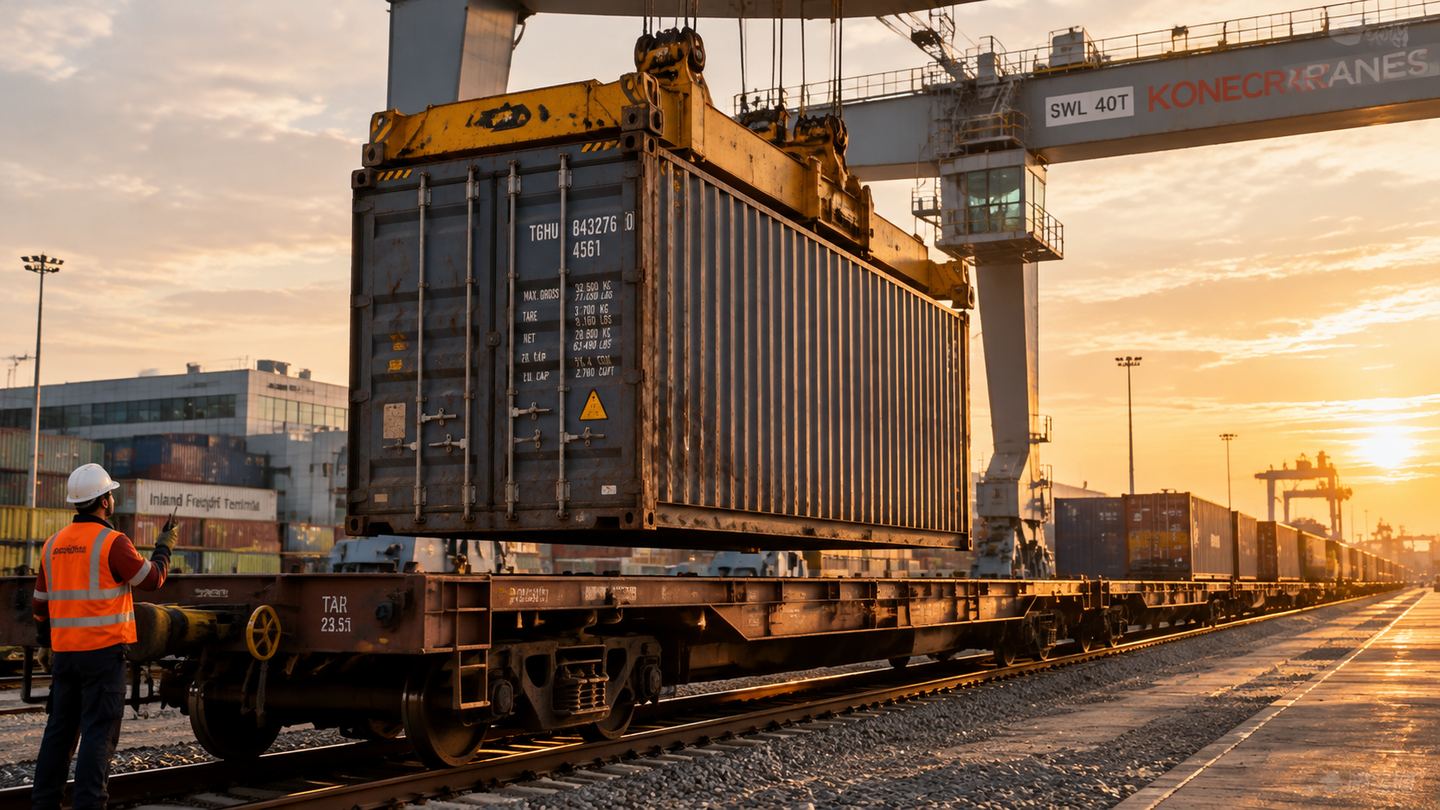
The party preparing the cargo should verify packing and shipment measurements, while the forwarder or equipment provider should confirm the proposed equipment and transport acceptance. The shipper should resolve any discrepancy before loading rather than assume that a previously selected container remains suitable after the cargo details change.
Disclosure: This guide provides general logistics information and may refer to services relevant to the topic. Carrier terms, customs requirements, fees, service coverage, and operating conditions can change. Confirm current requirements and responsibilities before acting.
Key Takeaways
- Use a standard dry container for compatible general cargo, and consider specialized equipment when cargo dimensions or environmental requirements demand it.
- Choose container size using final packed dimensions, total weight, payload limits, and loading access rather than nominal capacity alone.
- Confirm that the container suits every transport leg, including terminal handling, inland transport, and delivery-site access.
- Provide accurate cargo details early so the equipment provider can verify suitability before booking and loading.
- Treat packing, securing, temperature management, and financial protection as separate controls that complement the container choice.
Frequently Asked Questions About Shipping Container Types
What are the main types of shipping containers?
The main types include standard dry, high-cube, refrigerated, open-top, flat-rack, tank, and ventilated or insulated containers. Each serves different cargo or handling needs. The appropriate option depends on the goods, their packed dimensions and weight, required environmental conditions, and the transport route.
Which container is best for general cargo?
A standard dry container is often suitable for packaged goods that do not require specialized temperature control or loading access. Confirm the final cargo dimensions, payload, packaging, and securing needs before booking, because general cargo can still exceed the available space or weight limit.
What is the difference between a standard and a high-cube container?
A high-cube container generally offers more internal height than a standard-height container of comparable length. It can suit bulky cargo that needs additional vertical space, but exact usable dimensions and door clearance depend on the equipment specification. Route and handling restrictions may also affect suitability.
When should a shipper use a refrigerated container?
A refrigerated container is appropriate when the cargo needs controlled transport temperatures within the equipment’s operating range. The shipper should confirm the product’s temperature requirements, cargo preparation, ventilation settings, loading arrangement, and power plan before booking.
When is an open-top or flat-rack container necessary?
An open-top container may suit cargo that requires overhead loading and fits within its approved limits. A flat-rack may accommodate oversized or irregular cargo that cannot fit inside an enclosed container. Both options need checks for dimensions, weight distribution, lifting, securing, and route acceptance.
How should a shipper choose between a 20-foot and a 40-foot container?
Compare the packed cargo volume and weight with the usable space and permitted payload of each option. A 20-foot unit may suit dense cargo, while a 40-foot unit may provide more room for bulky goods. The final decision also depends on equipment availability, handling arrangements, and route restrictions.
Can one container type be used for an entire shipment route?
Often, but acceptance depends on the transport modes, equipment specifications, and requirements at each handoff. Before booking, confirm that the selected unit can move through the planned terminals and inland legs and reach the delivery location. Specialized or oversized equipment may need additional coordination.
What information does a forwarder need to recommend a container?
Provide the cargo description, piece count, packed dimensions, total weight, packaging method, loading requirements, and any environmental or handling restrictions. Include the origin, destination, transport modes, and delivery-site limitations. The forwarder can use these details to check equipment suitability and identify any unresolved requirements before booking.
Disclaimer: This article is general informational guidance, not a binding quotation, legal opinion, customs ruling, carrier commitment, or delivery guarantee. Requirements, charges, service terms, and responsibilities can vary by route, cargo, contract, carrier, and jurisdiction. Confirm current requirements before booking or filing.