Choose the service around the delivery requirement
Shipping from USA to Australia starts with a commercial decision: whether the shipment can accommodate a longer replenishment cycle or needs faster international transportation to protect stock availability, production, or a committed receiving date. The right booking also depends on whether the quote covers international carriage alone or coordinates origin pickup, export handling, Australian import clearance, and final delivery. A transport mode does not define the full service scope.
Published estimates for the Los Angeles–Sydney lane provide a useful starting point, but they do not represent every US origin or Australian destination. A shipment originating elsewhere may require a different gateway, an inland connection, or another carrier arrangement. Before committing, confirm the commodity description, packed dimensions, gross weight, cargo-ready date, consignee details, delivery address, and applicable import conditions. Then ask the forwarder to identify the arrival milestone being quoted and the handoffs required to reach the receiving location. This approach gives procurement and operations a practical basis for selecting a service instead of relying on an incomplete freight figure.
What must be settled before you request a quote?
A workable shipping plan starts with a defined cargo profile and a receiving party ready to support import clearance. The shipper should know what is being shipped, where the goods are packed, when they will be available, and who will receive them in Australia. Procurement should also identify the business consequence of a delayed delivery before comparing service options.
Planned replenishment, production supplies, commercial inventory, and equipment can all justify international freight planning, but the booking must match the cargo’s handling requirements. Confirm whether the goods will move as a dedicated container load, consolidated cargo, or another accepted shipment format. Special dimensions, unusual packaging, regulated products, or handling restrictions may require additional carrier acceptance checks.
A shipment is harder to quote reliably when the goods are not ready, packed measurements are unavailable, the importer has not reviewed product requirements, or the final delivery location remains uncertain. The destination can affect unloading equipment, receiving hours, appointment arrangements, vehicle access, and the division of delivery responsibilities.
The commercial agreement should identify who arranges pickup, export handling, international transportation, import entry, applicable duties and taxes, and delivery to the consignee. Do not assume that the seller’s or buyer’s responsibilities follow automatically from the destination country. Confirm the agreed division with the relevant commercial parties and reflect it in the forwarder’s instructions.
Operational checkpoint: If the Australian consignee cannot confirm its importer details or the receiving site’s access requirements, resolve those questions before approving the shipment plan. The forwarder can then quote against a defined clearance and delivery scope rather than relying on assumptions that may change after booking.
Which route and service scope fit the shipment?
Choose the transport arrangement according to the shipment’s physical profile, urgency, and required handoffs. The US pickup location and Australian delivery address determine whether the international gateway connection is sufficient or whether the quote must include additional inland transportation.
Sea freight with a full container load (FCL) is worth evaluating when the cargo can use a dedicated container and the loading and unloading sites can accommodate it. Confirm the container type, loading arrangements, cargo securing requirements, and receiving equipment before booking. Dedicated container use does not remove the need to plan terminal handling, clearance, and final delivery.
Sea freight with a less-than-container load (LCL) allows suitable cargo to share container capacity with other shipments. This option introduces consolidation and deconsolidation handoffs, so confirm warehouse receiving cutoffs, cargo acceptance rules, destination handling, and the availability of delivery after release. Unusual dimensions or special handling requirements can make a shared-container service unsuitable unless the operator expressly accepts them. Review the available sea freight service scope and verify its applicability to the actual US-origin shipment.
Air freight is an option when the delivery requirement places greater emphasis on speed. The shipper must provide accurate packed dimensions and gross weight because the carrier’s rating rules may use the greater of actual weight and volumetric weight. Confirm cargo acceptance, screening requirements, airport handling, connections, and the destination delivery arrangement. The air freight service scope should be assessed against the required arrival milestone, not just the airport-to-airport movement.
Express service can suit parcel-oriented shipments when the provider accepts the goods and the service matches the required delivery scope. Ask whether the quoted product covers pickup, international movement, customs coordination, and delivery, and check restrictions affecting the particular commodity. A parcel carrier’s acceptance and billing rules may differ from those used for general air cargo. Review the express shipping service before treating a parcel shipment as interchangeable with an air freight booking.
Each route also needs a clear handoff plan. The shipment may move from the supplier to a collection vehicle, an origin handling facility, an international carrier, a destination terminal or warehouse, and finally the consignee. If domestic pickup or delivery is required, confirm the address coverage and responsibilities for those legs through the trucking service scope. Where one coordinated booking is required, review the door-to-door service arrangement and ask for the included legs, exclusions, and handoff responsibilities in writing.
The disqualifying condition is a mismatch between the service and the shipment. A booking is not ready for approval when the cargo exceeds an unconfirmed acceptance limit, a required handling method is unavailable, or the quoted delivery scope cannot meet the receiving site’s operating conditions.
How long should you allow for shipping from the US to Australia?
Use the gateway pair and shipment format to establish an initial planning window. Published lane estimates provide the following approximate references for Los Angeles, California, to Sydney, Australia. They are planning estimates, not confirmed carrier schedules or delivery commitments.
Full-container ocean freight: Published estimates for the Los Angeles port gateway to the Sydney port gateway indicate approximately 41–54 days of lane transit. This reference applies to the named gateway pair and should not be treated as a timetable for other US origins, Australian destinations, or individual vessel services.
Consolidated ocean freight: Published estimates for LCL movements on the Los Angeles–Sydney lane indicate approximately 43–59 days of quoted lane transit. Consolidation schedules and cargo handling can affect the shipment’s progress, so confirm whether the forwarder’s estimate starts at cargo receipt or at international departure.
Air freight: Published estimates for the Los Angeles airport–Sydney airport lane indicate approximately 6–10 days of quoted transit. This is an airport-lane planning reference, not a promise of flight duration or door-to-door delivery.
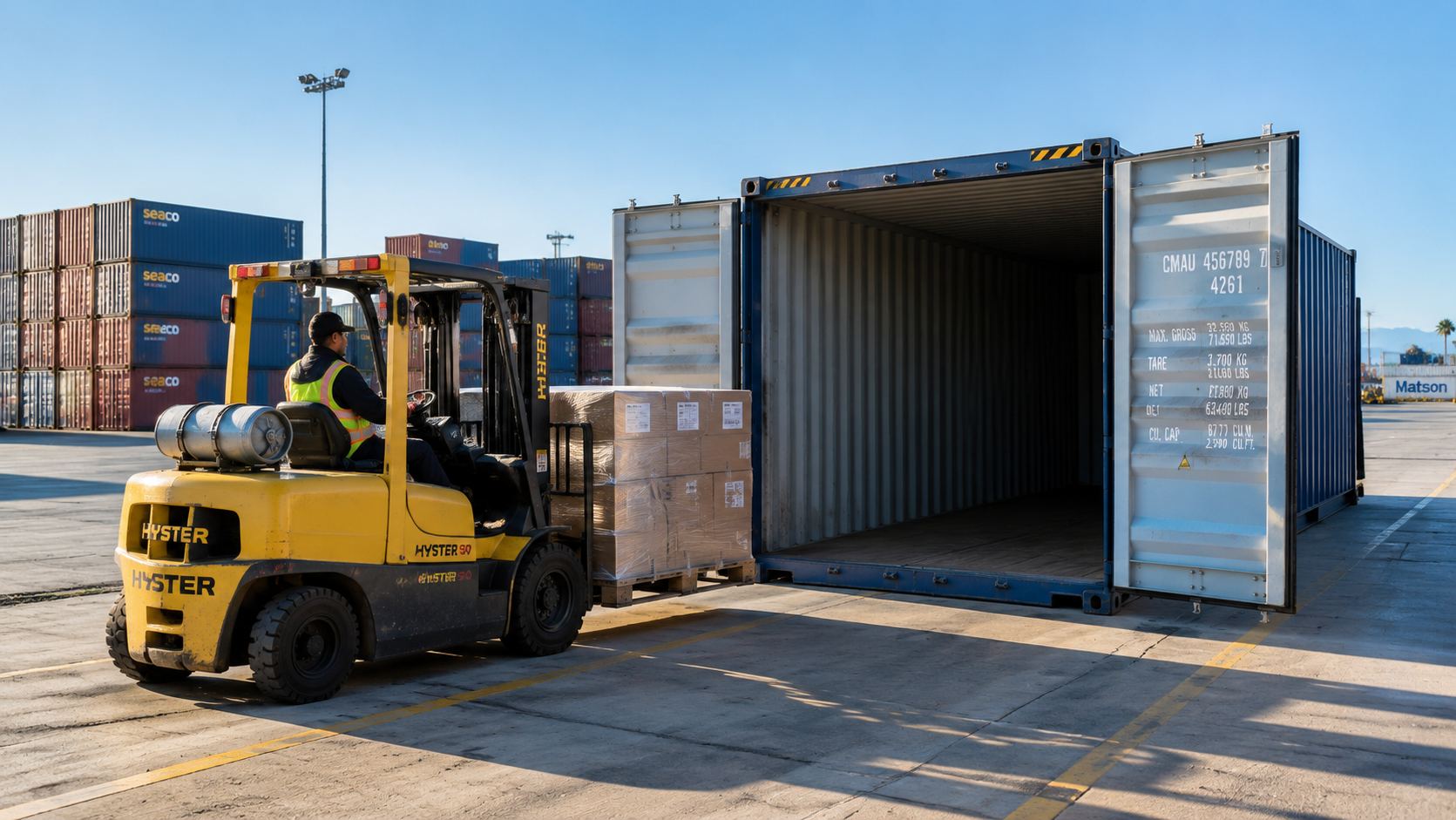
These figures do not establish a total door-to-door cycle. The actual plan must account for cargo readiness, origin pickup, export processing, warehouse or terminal handling, the booked international service, import release, any inspection or treatment, and final delivery. LCL cargo may have additional consolidation and deconsolidation steps. The forwarder should identify which activities are included in its transit estimate and confirm the current service pattern before booking.
For operational planning, request milestone estimates for cargo collection, international departure, arrival, cargo availability after import processing, and delivery. The exact origin and destination addresses, booking availability, carrier routing, customs review, product controls, and delivery appointments determine the complete schedule. Do not calculate a delivery commitment by adding a generic handling allowance to a gateway estimate without verifying the actual legs and expected handoffs.
What should a comparable freight quote identify?
Compare quotations only when they describe the same cargo, gateway pair, service level, and responsibility split. A freight-only offer cannot be compared fairly with a coordinated delivery service unless both quotations identify the same operational scope. Ask each provider to itemize the activities covered and the services that remain outside the offer.
The rate basis must match the transport format. For FCL, confirm the container type, origin and destination gateways, and the handling services included. For LCL, ask how the provider measures the cargo and applies its quoted weight-or-measure rating rules. For air freight, the applicable carrier or contract formula determines volumetric weight, and the greater of gross weight and volumetric weight generally sets the chargeable basis. For express, confirm the provider’s billable-weight rules and any applicable parcel or handling restrictions.
Ask the forwarder to identify the status of each cost component rather than assume that it is included. The quotation should address origin pickup, export documentation and handling, main freight, origin and destination terminal or warehouse charges, consolidation services where applicable, customs brokerage, duties and taxes, product inspection or treatment where applicable, final delivery, and special access or unloading requirements. Any applicable insurance should also be identified separately.
Clarify whether the quotation covers only a gateway movement or a complete service to the consignee’s address. Ask who supplies the import information, who appoints the customs broker, who pays assessed duties and taxes, and who coordinates delivery after cargo release. Destination charges, handling, and accessorial services depend on the actual carrier, lane, cargo, and written quotation; their treatment is not universal.
Before approval, request a written list of exclusions, assumptions, validity conditions, and changes that would trigger a revised quote. This is especially important when cargo dimensions are provisional, delivery access is uncertain, or the supplier’s ready date could change.
Note: Freight rates change with cargo details, route, carrier capacity, fuel costs, seasonal demand, service scope, and destination charges. Request a current quote for the specific shipment.
Which handoffs need confirmation before dispatch?
The shipper, forwarder, carrier, importer, customs broker, and consignee each need the information required for their part of the movement. Assign an owner to every checkpoint and resolve missing data before it causes a booking or delivery problem.
Request Quote
The shipper supplies an accurate commodity description, packed piece count, dimensions, gross weight, cargo-ready date, pickup and delivery addresses, declared value, and consignee details. The forwarder confirms the quoted service, gateway pair, included transport legs, exclusions, required documents, and acceptance conditions before the shipper approves the booking.
Cargo Pickup
The shipper prepares the packaging and loading arrangements and makes the cargo available at the agreed location. The pickup provider checks the shipment against the handover records, while the forwarder verifies final measurements and weight when the quotation, carrier acceptance, or transport documentation depends on them.
Export Customs Clearance
The US exporter or its appointed filing provider confirms the export data and any applicable filing requirements. The shipper checks that the commercial invoice, packing list, cargo description, value, and shipper and consignee details agree, then obtains confirmation that required export formalities are complete before the cargo proceeds.
International Transportation
The carrier issues the master bill of lading or air waybill, while the forwarder issues its own house transport document when the booking uses one. The shipper reviews draft transport details, routing, cargo description, piece count, and document release instructions so errors can be corrected before they complicate release.
Destination Customs Clearance
The Australian importer or appointed broker confirms tariff classification, valuation, entry data, payment arrangements, and applicable product requirements. Check the current guidance from the Australian Border Force and search the official Biosecurity Import Conditions system for commodity-specific conditions. Confirm the appointed broker’s task list through the customs brokerage service scope and clarify whether broader import service support covers arrival coordination and release follow-up.
Final Delivery
The consignee confirms the delivery address, receiving hours, equipment, unloading arrangements, and appointment requirements. The forwarder checks cargo release status and outstanding inspection or handling issues before dispatching the final carrier, then verifies the delivery instructions and required proof of receipt.
What can disrupt clearance or final delivery?
The most preventable shipment problems start with inaccurate cargo information or an incomplete handoff. A commodity description that does not match the goods, incorrect packing measurements, inconsistent documents, or missing consignee information can require corrections and affect the booking or release process. Require the supplier to verify its records against the cargo as packed, and direct corrections to the forwarder before documents are finalized.
Product admissibility must be checked separately from transport acceptance. A carrier may accept cargo for international movement even when the importer still needs to satisfy Australian customs or biosecurity conditions. Identify the product’s materials, intended use, country of origin, packaging, and applicable supporting documents early enough for the importer or broker to check the relevant requirements.
Schedule assumptions create another avoidable exposure. The cargo-ready date does not establish a departure date, and arrival does not establish that cargo is cleared and available for collection. Ask for updates at the key handoffs and require prompt escalation when a departure, connection, release milestone, or receiving appointment changes.
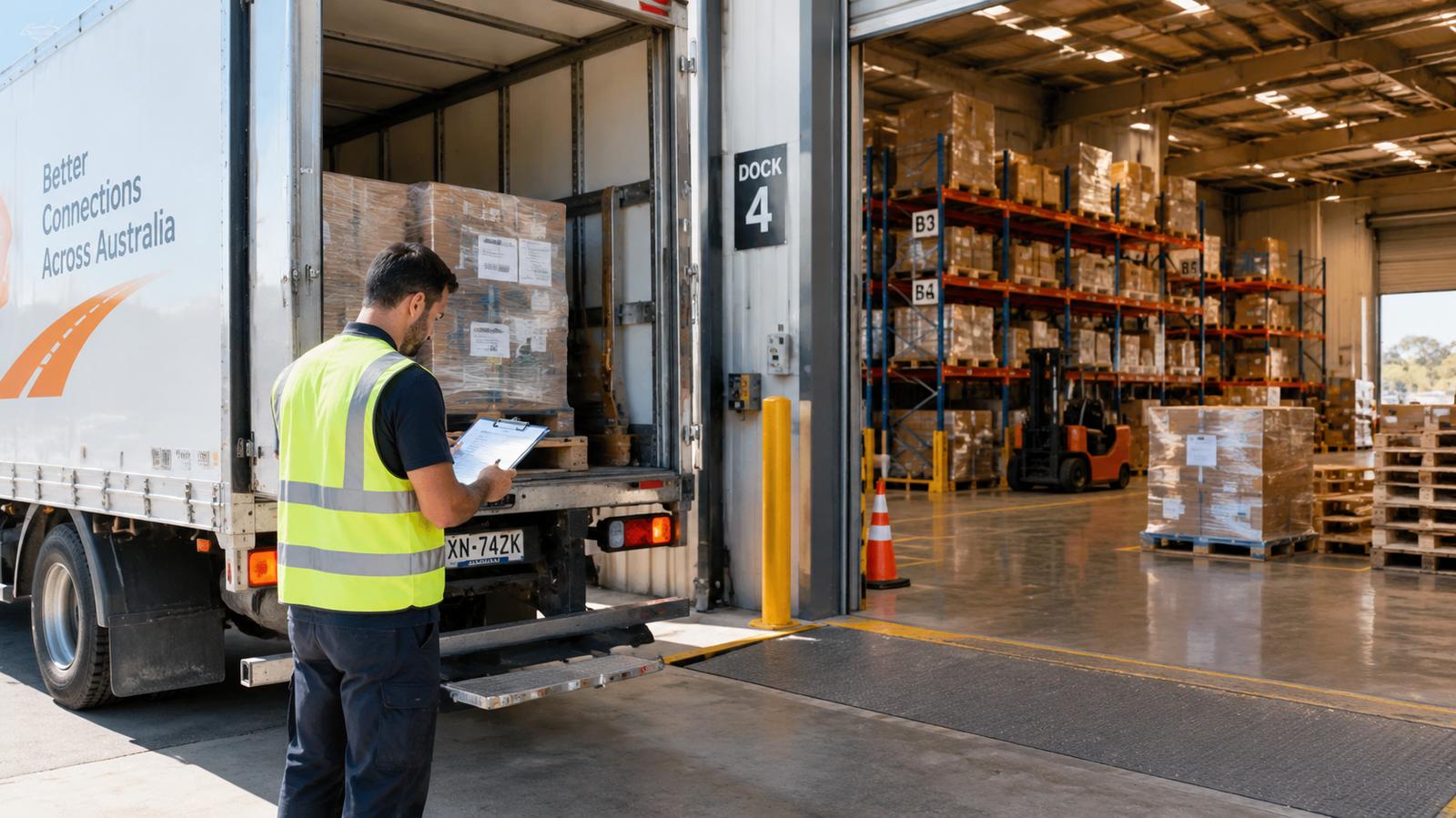
Delivery planning can also fail when the booked vehicle or service does not match the receiving location. Confirm vehicle access, loading dock availability, unloading equipment, site restrictions, and receiving hours before dispatch. For cargo with special handling needs, verify acceptance and handling instructions with the relevant carrier and receiving operator.
If the financial exposure from loss or damage matters to the shipment, review the cargo insurance option and request written confirmation of covered cargo, declared value requirements, exclusions, packing conditions, deductibles, and claims documentation. Do not assume that transport charges or carrier liability provide the protection required by the commercial transaction.
Common mistake: Approving a quotation from the product name and estimated cargo size alone. The shipper should confirm the actual packaged goods, dimensions, gross weight, cargo readiness, and consignee instructions. Material changes should go back to the forwarder for acceptance and a revised scope before dispatch.
If the shipment contains timber packaging, plant material, food, animal-derived products, or equipment with possible soil residue, ask the Australian importer or broker to verify the applicable biosecurity conditions before tender. Confirm any required treatment, supporting documents, or permits for the actual commodity and packaging rather than assuming a commercial invoice is sufficient.
Disclosure: This page provides general route-planning information and may mention freight services available through this website. Transit times, freight costs, customs requirements, carrier schedules, and destination conditions can change. Confirm the current shipment plan before booking.
What is the practical default, and what changes it?
For planned commercial replenishment, start by evaluating an ocean service against the business’s required receiving date, cargo profile, and confirmed delivery arrangements. Change that starting recommendation when the stock requirement, production dependency, product launch, or other operational commitment cannot accommodate the expected ocean service window. For urgent, parcel-oriented cargo, also request an express option if the provider accepts the goods and the service covers the delivery requirement.
Do not choose a service on urgency alone. The final recommendation should reflect the complete route, cargo acceptance, destination requirements, and service scope. Before requesting the quote, assemble the information the forwarder needs to evaluate the shipment:
- Exact pickup address, destination address, cargo-ready date, and required arrival or receiving date.
- Accurate commodity description, materials, intended use, packaging details, and any known handling or product restrictions.
- Packed piece count, dimensions, gross weight, stackability, and any special loading or unloading needs.
- Commercial invoice information, declared value, shipper details, consignee details, and the proposed importer or customs broker.
- Required transport service, desired delivery scope, allocation of clearance and payment tasks, and any delivery appointment or equipment requirements.
- Requested cargo protection, shipment status contacts, and any document or release instructions that affect the handoffs.
Ask the forwarder to identify the proposed gateway connection, estimated milestones, included charges, exclusions, document requirements, and current booking conditions. The quote should also specify which facts remain unverified and who will confirm them before dispatch. This makes the recommendation actionable for procurement, logistics, and the receiving team.
Illustrative example (not a customer case): A consignment of boxed, shelf-stable household goods moving from a US warehouse to an Australian distribution site fits an ocean booking when replenishment timing is flexible and the receiving arrangements are confirmed. If a product launch changes the requirement to a firm arrival milestone that the planned ocean service cannot support, the recommendation changes. The buyer should request an air option and reassess the service scope before dispatch.
Key Takeaways
- Choose the transport service according to the operational deadline and shipment profile.
- Use gateway-specific transit estimates instead of assuming a country-wide schedule.
- Compare quotations with matching service scope, cargo data, and payment responsibilities.
- Check Australian import and biosecurity conditions before cargo dispatch.
- Confirm release status, delivery access, and receiving arrangements before final delivery.
FAQ
Can one booking collect cargo from multiple US suppliers?
Possibly, but the booking must identify each pickup address, cargo-ready status, piece count, and shipper record. The forwarder should confirm whether the goods can be received and consolidated under the proposed export arrangement and how the invoices and packing lists will distinguish each supplier’s cargo. Separate pickups may change the collection plan and quoted service scope.
Can a shipment use more than one transport mode?
Yes, a multimodal plan can combine different transport legs when the shipment requires them. Ask the forwarder to identify the provider and handoff point for each leg, which transport document covers each movement, and when custody changes. A single booking reference does not necessarily mean that one carrier controls every stage or handles every exception.
What should happen if cargo misses the planned pickup window?
Notify the forwarder as soon as the cargo-ready status changes. The team should confirm whether the pickup appointment, export preparation, warehouse receiving arrangement, or booked transportation needs to change. Do not assume the original booking remains suitable when the supplier misses its commitment. Request revised milestones and written confirmation of any scope or charge changes before proceeding.
Can the Australian consignee collect the cargo instead of arranging delivery?
Collection may be possible when the selected service permits it and the consignee can meet the applicable release and collection requirements. Confirm the collection location, required release documents, appointment procedure, operating hours, and any handling arrangements with the forwarder and destination operator. Do not assume that international arrival automatically authorizes collection or that the cargo is ready for pickup.
How should I manage a shipment containing multiple product types?
Provide a clear description of each materially different product, including its composition, intended use, packaging, and supporting commercial information. Ask the importer or broker to verify that the shipment’s classification and any applicable product requirements are addressed. Avoid using a broad description that conceals distinct goods, because different items in the same consignment may have different acceptance or clearance requirements.
Who should receive shipment status and exception notices?
Name a logistics contact for the shipper and a receiving contact for the Australian consignee, then confirm who coordinates the broker and final carrier. Agree on how the team will communicate material changes to departure, arrival, release, or delivery arrangements. Clear ownership helps the receiving party respond to document requests, resolve exceptions, and prepare the site for delivery without unnecessary handoff delays.
Can the delivery address change after the cargo leaves the US?
A change may be possible, but acceptance depends on the carrier, the cargo’s location, the existing booking, and the new delivery requirements. Notify the forwarder before the original arrangement is actioned whenever possible. The team must confirm whether the documents, inland transportation, customs details, or receiving appointment need adjustment and provide any revised scope or charges for approval.
Disclaimer: Transit times, cost explanations, customs information, and shipping suggestions on this page are general planning references, not a binding quotation, customs ruling, or delivery guarantee. Confirm the current route, service scope, charges, documents, and import requirements before booking.