When is air freight the right choice?
Air freight from China to Canada is a practical choice when a delivery deadline, inventory shortage, product launch, or production requirement makes a longer transport cycle difficult to accommodate. The decision should account for the cargo-ready date, shipment dimensions, receiving location, import readiness, and the time needed for final delivery. A flight alone does not determine when a shipment will reach the receiver.
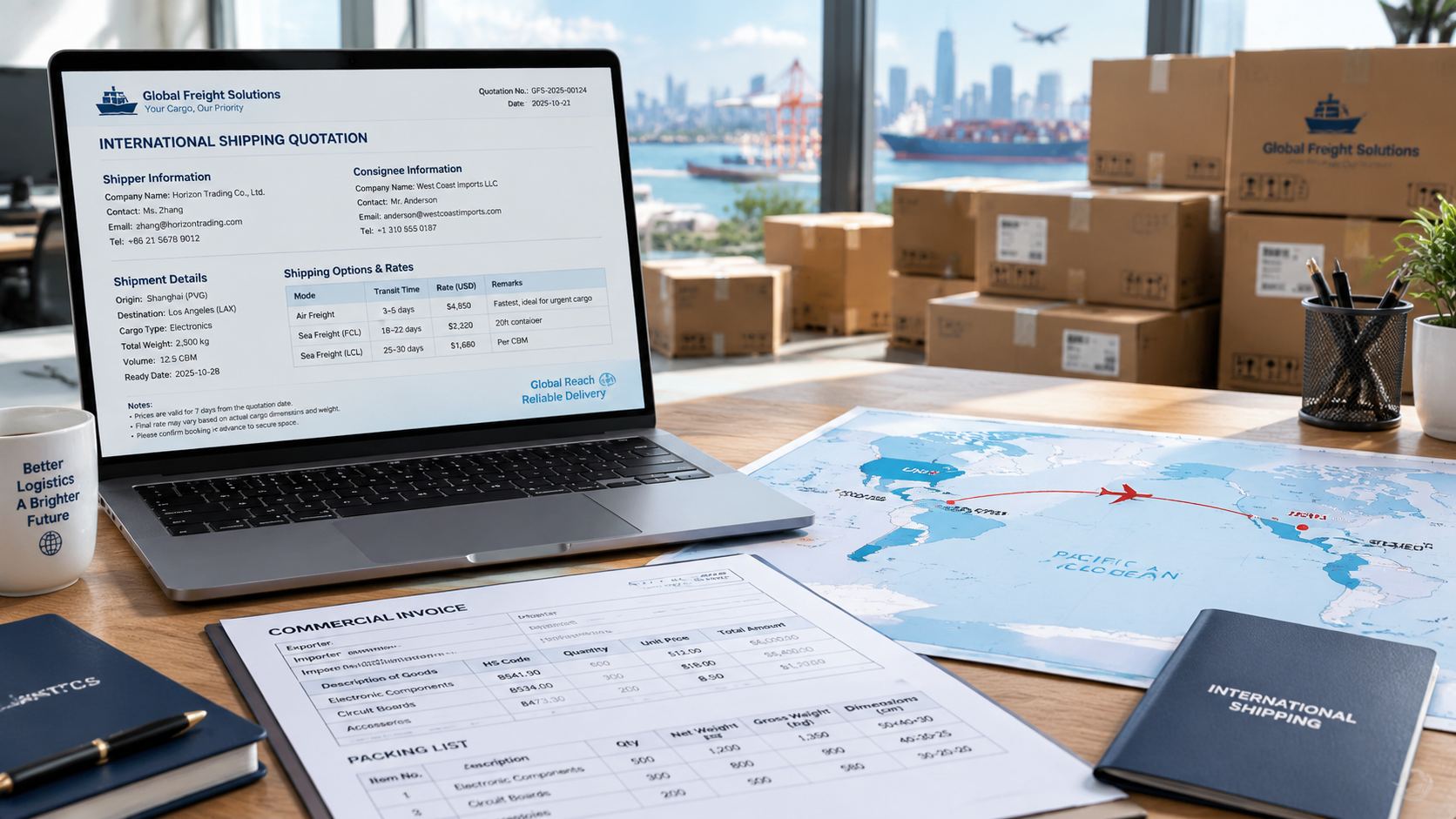
For commercial buyers, the main trade-off is the value of earlier availability versus the full cost of the air cargo service. A shipment that supports urgent production or protects a firm delivery commitment may justify air freight. Routine replenishment with flexible inventory coverage may be better suited to sea freight to Canada. The correct choice depends on the actual shipment and delivery requirement, not just the quoted international transport time.
Before booking, define whether the quotation should cover factory pickup, export handling in China, international air transportation, Canadian customs coordination, and final delivery. Also identify who will provide import data, authorize the customs broker, and pay duties and taxes. These decisions establish a usable shipment plan and prevent an attractive transport quote from concealing gaps between service stages.
Which shipments are a good fit for air cargo?
Air freight is most useful when the receiving business needs the goods promptly and the cargo can meet airline acceptance requirements. Compact, high-value commercial goods, replacement components, samples, and time-sensitive inventory may fit this profile. The shipment still needs accurate dimensions, a complete goods description, suitable packaging, and a receiving location that can handle the delivery.
Large, low-density shipments need closer scrutiny because dimensional weight can determine the billable basis. Goods requiring special handling also need advance acceptance checks. Restricted products, dangerous goods, temperature-sensitive cargo, and oversized pieces may require specific arrangements or may not fit the proposed service.
| Shipment profile | Decision guidance | Key quote input |
|---|---|---|
| Urgent replacement stock | Assess air freight against the production or replenishment deadline. | Required delivery date and receiving availability |
| Bulky or low-density cargo | Check billable weight and whether the service remains practical. | Carton dimensions, gross weight, and package count |
| Controlled or special-handling goods | Obtain acceptance and document requirements before booking. | Composition, intended use, and applicable product documents |
| Routine replenishment | Test whether the inventory plan permits a different transport method. | Stock availability and latest acceptable arrival |
The destination matters as much as the shipment itself. Confirm the Canadian delivery postal code, warehouse receiving hours, appointment requirements, unloading arrangements, and any restrictions on vehicle access. An airport arrival does not automatically include transportation to a business address.
For EXW or FOB purchases, identify the agreed handoff point and establish which party arranges each origin-side activity. The forwarder needs these details before pricing pickup, export handling, and the international movement.
Operational checkpoint: If the supplier cannot confirm final carton dimensions or the cargo-ready date, request a provisional routing assessment first. Final pricing and booking should follow verified packing data and a confirmed readiness window.
Which routing and service handoffs should the quote include?
The shipment’s deadline and handling requirements should determine the air service arrangement. The forwarder should confirm the origin airport, destination airport, available flight routing, cargo acceptance conditions, and transfer arrangements before booking. Direct transportation and connecting routings can have different acceptance windows and handling requirements, so a buyer should evaluate the proposed service rather than assume that all air cargo follows the same path.
Air freight is appropriate when the shipment’s required arrival and inventory needs justify the transport expense. Sea freight is worth evaluating when the delivery window is flexible enough to accommodate ocean transportation and its associated handling stages. Buyers comparing sea freight services should compare complete shipment scopes and delivery requirements rather than treat the ocean line-haul estimate as the full shipping cycle.
Express courier service is another distinct option. It may suit eligible parcels and shipments that benefit from an integrated courier network, standardized handling, and coordinated delivery. Confirm the provider’s acceptance rules, package limits, customs arrangements, and final delivery coverage before comparing it with a general air cargo quotation. Review the express shipping option when these conditions fit the shipment.
The service scope should also specify the handoff point. Airport-to-airport service ends at the agreed airport boundaries, while airport-to-door and door-to-door arrangements cover additional logistics stages according to the quotation. Factory collection, export clearance, destination handling, customs brokerage, and local transportation may be separate services. A buyer seeking coordinated pickup through final delivery should review the door-to-door shipping scope and confirm exactly which stages are included.
Do not approve the routing until the forwarder has checked cargo acceptance, applicable documentation, connection arrangements, and the consignee’s ability to receive the shipment. A proposed routing is a service plan, not a promise that every flight or handoff will remain unchanged.
How should buyers plan air freight from China to Canada?
For a concrete planning reference, the Shanghai Pudong International Airport (PVG) to Toronto Pearson International Airport (YYZ) lane illustrates the difference between flight time and the shipment’s full delivery cycle. The ranges below are approximate planning references for this specific lane, not commitments for every shipment from China to Canada.
Main carriage, PVG to YYZ: Allow approximately 12–18 hours for the nonstop flight leg as a broad planning range. The actual flight plan and scheduled departure must be confirmed with the carrier. A connecting service follows a different routing and may require additional transfer time.
Door-to-door cycle, a Shanghai pickup address to a Toronto delivery address: Use approximately 4–6 days for preliminary planning when the quotation covers routine cargo pickup, export handling, air transportation, destination release coordination, and final delivery. This is a total shipment-cycle estimate, not an extra period to add to the flight-time range. Customs examinations, missing information, exceptional cargo requirements, and receiving constraints can extend the cycle.
The origin airport pair, flight routing, cargo acceptance cutoff, export processing, destination handling, customs readiness, and inland delivery plan all affect the operational timeline. A flight’s published duration does not measure every stage between a factory and a receiving dock.
Before committing inventory or production dates, ask the forwarder to confirm the planned departure, expected cargo availability at destination, estimated delivery window, and current service conditions. For other origin or destination locations, request a separate estimate tied to the actual routing rather than reusing the PVG–YYZ planning ranges.
What should a comparable air-freight quote include?
Compare quotations using the same cargo data, airport pair, service level, and delivery scope. Air cargo pricing generally uses chargeable weight, which is the greater of the shipment’s actual weight and its volumetric weight under the applicable carrier or service calculation. Accurate dimensions are therefore essential; gross weight alone may not establish the billable basis.
A practical quotation should identify the charge basis and show which activities the quoted amount covers. The following checklist separates the main cost components so the buyer can identify omissions before approving the booking.
| Cost component | What to establish | Buyer verification |
|---|---|---|
| Pickup and origin handling | Factory collection, origin transport, and handling arrangements | Pickup address and agreed handoff point |
| Air transportation | Chargeable-weight basis, routing, and quoted service level | Final dimensions and approved cargo details |
| Airport and destination handling | Applicable terminal, handling, and release-related charges | Named destination airport and quotation exclusions |
| Customs brokerage | Document preparation, filing arrangements, and broker fees | Importer identity and agreed broker scope |
| Duties and taxes | Who assesses, pays, and accounts for these amounts | Importer arrangements and applicable tariff treatment |
| Final delivery and extras | Inland transportation, appointments, and applicable accessorials | Delivery address, site access, and unloading needs |
Every inclusion and exclusion must come from the actual quotation. Ask whether destination terminal charges, customs brokerage, storage, examination handling, insurance, and final-mile delivery are priced within the agreed scope or require separate payment. These items depend on the carrier arrangement, route, service, and quotation.
Keep customs duties and taxes distinct from transport charges. The customs treatment depends on the goods, their classification, origin, declared value, and applicable requirements. The importer or its authorized broker should verify those details rather than rely on an assumed allowance in the freight quote.
For delivery-duty arrangements or other named trade terms, confirm the agreed handoff, payment obligations, and party coordinating each stage. A label alone does not establish that the forwarder’s quotation includes every required activity.
Note: Freight rates change with cargo details, route, carrier capacity, fuel costs, seasonal demand, service scope, and destination charges. Request a current quote for the specific shipment.
Who owns each handoff from pickup through delivery?
The shipper, forwarder, carrier, importer, customs broker, and delivery provider each contribute different information or services. Agree on the owner of each activity before cargo collection so the shipment can move through the planned handoffs without avoidable document or communication gaps.
Request Quote
The buyer sends the origin and destination addresses, cargo-ready date, package count, dimensions, gross weight, goods description, cargo characteristics, and requested service scope. The forwarder uses these inputs to verify routing, chargeable weight, acceptance conditions, and quotation coverage.
Cargo Pickup
The shipper makes the packed cargo available and provides accurate marks, labels, dimensions, and shipping data. The pickup coordinator confirms collection arrangements and checks that the cargo matches the booking information before the shipment enters the transport network.
Export Customs Clearance
The exporter supplies the commercial invoice, packing list, commodity details, and any applicable export permissions. The designated export filer submits the required declaration and confirms release before the cargo proceeds under the approved transport plan.
International Transportation
The forwarder coordinates the booked routing and monitors carrier handoffs. The airline issues the master air waybill, while the forwarder issues its own house air waybill when the shipment arrangement uses one. The buyer should verify the booking details and document information before departure.
Destination Customs Clearance
The Canadian importer or its authorized broker prepares and submits the required import information, including classification and valuation details. The importer should verify CARM account arrangements, broker authorization, applicable permits, and duty and tax payment procedures. The Canada Border Services Agency’s commercial import checklist provides official guidance on importer preparation and clearance requirements.
Final Delivery
The delivery coordinator confirms that the shipment is released for collection or onward delivery. The consignee verifies the receiving address, dock access, unloading arrangements, and appointment requirements. If inland transportation is part of the service, confirm its handoff and scope through the trucking service options.
Document ownership should remain clear throughout the process. The supplier must provide accurate commercial information, the carrier controls its transport document, and the importer or authorized broker handles the agreed import filing. If the shipment needs coordination beyond the freight movement, review the separate import service scope and define its deliverables before booking.
Canadian import requirements can vary by commodity and intended use. Verify tariff classification, origin, customs value, product controls, and any required certificates or permits before dispatch. The importer should also confirm that its broker has the necessary authorization and complete shipment data when a broker will file on its behalf.
Which preventable problems can disrupt the shipment?
Most avoidable air freight disruptions start with incomplete cargo information, unclear handoffs, unapproved special cargo, or a delivery plan that does not match the receiver’s operating conditions. Prevention begins before collection. The buyer should reconcile the supplier’s final packing information with the quotation and booking instructions instead of assuming that provisional data will remain valid.
Dimensions are especially important. A change in carton size, package count, or packaging arrangement can alter chargeable weight and may affect the accepted service. Ask the supplier to report packing changes immediately, and obtain a revised quotation or carrier approval when the revised shipment differs from the booking.
Customs data presents a separate risk. Vague descriptions, inconsistent invoice values, missing origin information, and unsupported product claims can create questions during import processing. The supplier should prepare an accurate invoice and packing list, while the importer or broker should check that the description and classification reflect the actual merchandise.
Common mistake: Buyers sometimes compare a complete door-to-door offer with an airport-to-airport quotation as though both cover the same work. Before approving either offer, reconcile origin handling, destination charges, customs support, inland delivery, and the party paying each item.
Delivery can also fail after a shipment reaches the destination airport. A warehouse may require a receiving appointment, specific vehicle access, or prior notice. Confirm these details before the flight departs so the delivery coordinator can plan the final handoff and identify any special receiving restrictions.
If the cargo contains lithium batteries, aerosols, flammable substances, or another potentially regulated item, do not tender it as ordinary cargo until the forwarder or carrier confirms acceptance, classification, packaging, markings, and required documentation. Obtain the product information needed for that decision before booking.
Insurance is a separate risk-control decision from carrier booking. Review the proposed coverage, insured value, exclusions, claim requirements, and effective coverage point before dispatch. The cargo insurance options can be assessed against the shipment’s value and the buyer’s exposure, without assuming that a standard freight quotation includes insurance.
Disclosure: This page provides general route-planning information and may mention freight services available through this website. Transit times, freight costs, customs requirements, carrier schedules, and destination conditions can change. Confirm the current shipment plan before booking.
What should you send before asking for a booking?
Use the shipment’s commercial need to choose the service, then validate that choice with complete cargo information and a defined delivery scope. For urgent production replenishment, begin with the required arrival date and the operational impact of a delay. For flexible replenishment, establish how much inventory coverage the receiving business can maintain before committing to a transport method.
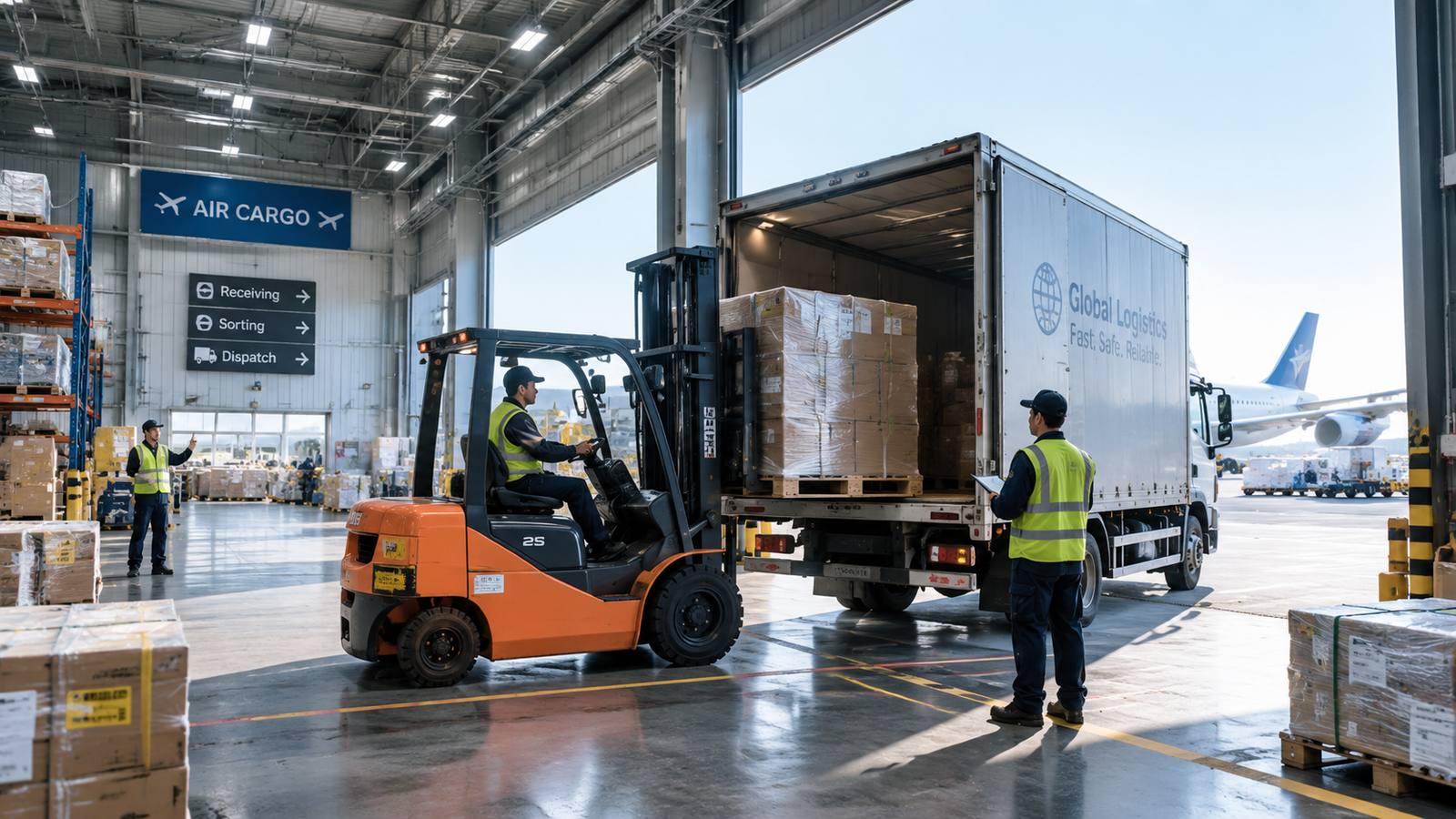
The practical default is to request an air-freight quotation when an earlier delivery has a clear operational purpose. Reconsider that default when inventory can absorb a longer replenishment cycle, the cargo creates difficult acceptance conditions, or the buyer’s cost and handling requirements outweigh the urgency.
Prepare the quotation request with the supplier’s pickup address, Canadian delivery address, cargo-ready date, full commodity description, package count, outer dimensions, gross weight, and packing method. Identify batteries or other regulated contents, unusual dimensions, handling requirements, and any applicable product documentation. Specify whether you need airport-to-airport, pickup-to-airport, airport-to-door, or door-to-door coordination. Also name the importer, identify the intended customs broker, and clarify who will pay freight, destination charges, duties, and taxes.
Ask the forwarder to confirm the proposed routing, current booking availability, expected cargo acceptance timing, and which charges are excluded. Keep the final packing list and commercial invoice aligned with the booking information so later changes can be identified before they affect the transport plan.
Illustrative example (not a customer case) A manufacturer needs replacement production components shipped from a factory in China to a warehouse in Canada. Air freight fits while a stock shortage threatens production and the receiving team can accept the agreed delivery arrangement. If the replacement order becomes routine replenishment and the inventory plan can absorb a longer cycle, the buyer should reassess the default and obtain a sea freight quotation before booking.
The booking decision is ready when the cargo facts, delivery requirement, import arrangements, and quoted scope agree. If one of these remains uncertain, resolve it with the supplier, forwarder, carrier, or customs broker before authorizing shipment.
Key Takeaways
- Choose air freight when the shipment’s operational urgency justifies the service and handling requirements.
- Confirm final dimensions and gross weight before accepting the chargeable-weight basis.
- Compare quotations using the same transport scope, customs arrangements, and delivery destination.
- Have the importer and customs broker verify the required product information and import arrangements before dispatch.
- Confirm cargo acceptance, receiving conditions, and each handoff before authorizing the booking.
FAQ
Can air freight from China to Canada use different delivery arrangements?
Yes. The booking can be arranged around the agreed airport handoff or a broader pickup and delivery scope. The available arrangement depends on cargo acceptance, the locations involved, and the parties handling each stage. Confirm the precise origin and destination points in writing so the shipment is not mistaken for a fully managed delivery when it covers only airport transportation.
Can my Canadian customs broker handle a shipment booked by my supplier?
A Canadian importer can authorize a customs broker to act on its behalf, subject to the applicable arrangements and requirements. The supplier’s transport booking does not replace the importer’s need to provide accurate commercial information and establish the required authorization. Agree on who supplies the documents, communicates amendments, and handles customs questions before the cargo departs China.
What should I do if the supplier changes the packing after the quote?
Request the revised package count, dimensions, gross weight, and packing list immediately. Give the updated information to the forwarder before tendering the cargo. The forwarder can then confirm whether the quoted charge basis and carrier acceptance remain valid. Do not assume that a previously issued quote or booking automatically covers a materially different shipment configuration.
Can a product be shipped by air if it contains batteries or liquids?
Possibly, but the answer depends on the specific product, its composition, packaging, applicable transport classification, and the carrier’s acceptance conditions. Provide accurate manufacturer information and any requested safety or technical documents before booking. The forwarder or carrier must confirm the permitted handling arrangement. Do not describe or declare regulated contents as ordinary goods to simplify acceptance.
Who confirms the correct customs classification for imported goods?
The Canadian importer should ensure that the goods are accurately described and correctly classified for the applicable customs entry. A qualified customs broker can assist with the analysis and filing when authorized, but the importer must provide complete, accurate product information. For uncertain classifications or complex goods, obtain suitable customs advice before the shipment is dispatched rather than relying on a supplier’s informal description.
What happens if the receiver cannot accept the shipment when delivery is arranged?
Contact the delivery coordinator as soon as the receiving restriction becomes known. Confirm whether a new appointment, revised delivery instruction, authorized alternate location, or temporary holding arrangement is available. Any resulting handling or storage charges depend on the actual service and location. Confirm the revised arrangements and applicable charges before authorizing a change to the original delivery plan.
Can I change the Canadian delivery address after the shipment has departed?
A change may be possible, but it depends on the shipment’s status, the original service scope, destination handling arrangements, customs information, and inland transport availability. Notify the forwarder promptly and provide the complete revised address and consignee information. The parties must confirm any operational adjustments and additional charges before the delivery instructions are amended. An address change should never be assumed to happen automatically.
Disclaimer: Transit times, cost explanations, customs information, and shipping suggestions on this page are general planning references, not a binding quotation, customs ruling, or delivery guarantee. Confirm the current route, service scope, charges, documents, and import requirements before booking.