LTL vs FTL: Which Option Fits Your Shipment?
Choose LTL when your shipment can share trailer space with other freight and your delivery plan can accommodate the carrier’s consolidation process. Choose FTL when the shipment needs a reserved truckload movement, tighter control over loading, or a handling plan that makes shared capacity unsuitable. The right choice depends on more than shipment size: cargo dimensions, weight, stackability, route, delivery requirements, and the scope of each quote can change the result.
LTL, or less-than-truckload, combines compatible shipments from different customers within a shared transportation network. FTL, or full-truckload, moves freight under a truckload arrangement that reserves the equipment or truckload capacity for the shipment. Neither option automatically includes the same pickup, destination handling, or final-delivery services.
For a practical decision, compare both options using the same cargo details, origin, destination, ready time, delivery requirements, and service boundaries. LTL may suit freight that does not require exclusive equipment, particularly when the schedule allows consolidation and additional handling. FTL may suit freight that requires greater loading control or a more direct road movement. Request comparable quotes before selecting a service, and confirm the operating conditions behind any difference in cost or timing.
Set a Fair Comparison Basis Before Requesting Quotes
Compare LTL and FTL against the same shipment specification. A quote for shared transportation from a pickup terminal to a destination terminal does not provide a fair comparison with a truckload quote that includes collection and delivery. The service boundaries, cargo assumptions, and delivery commitments must match before either option can be evaluated.
| Comparison input | What to keep consistent | Why it matters |
|---|---|---|
| Cargo and handling | Commodity, packaging, dimensions, gross weight, stackability, and handling restrictions | These details affect carrier acceptance, loading plans, and charge calculations. |
| Origin and destination | Pickup address, delivery address, site access, operating hours, and appointment requirements | A different pickup or delivery arrangement can change the service plan. |
| Delivery requirements | Required delivery window, receiving arrangements, and proof-of-delivery expectations | A service that does not meet the receiving conditions is not a suitable alternative. |
| Transportation scope | Pickup, line haul, terminal handling, destination handling, and final delivery | Different inclusions can make otherwise comparable quotes misleading. |
| Special responsibilities | Border-clearance arrangements, cargo protection, and any agreed buyer or seller obligations | These responsibilities do not transfer automatically with the choice of LTL or FTL. |
| Quote assumptions | Equipment, carrier service, accessorial requirements, and exclusions | The final charge and service commitment depend on the assumptions the provider accepts. |
Give each provider the same shipment specification and ask for any differences in assumptions to be identified in writing. If a carrier cannot handle the cargo or meet the delivery conditions under a proposed option, remove that option from the commercial comparison rather than treating it as an equivalent service.
How LTL and FTL Work in Practice
LTL: Shared trailer capacity
The LTL meaning is less-than-truckload. The shipper pays for transportation under a shared-freight arrangement rather than reserving an entire truckload movement for the shipment. The carrier combines compatible freight from different customers according to its network, service design, and handling requirements.
LTL is a strong candidate when the cargo can be consolidated safely, the receiving location can accommodate the offered delivery arrangement, and the shipment does not need exclusive control of the trailer. It can be useful when a shipper wants to move freight by road without arranging a dedicated truckload for that shipment.
The main operational trade-off is that shared freight may pass through consolidation terminals and involve additional loading or unloading. The actual route and handling sequence depend on the carrier. Cargo that cannot be stacked, requires special segregation, or is vulnerable to repeated handling needs explicit acceptance and a confirmed handling plan.
LTL is a weak fit when the carrier cannot meet the required delivery window, the freight is incompatible with the shared network, or the shipment needs loading control that the service cannot provide. Before booking, confirm the permitted cargo type, terminal handling plan, pickup arrangement, and delivery conditions. For the road-transport portion of the shipment, review the provider’s trucking freight service scope to establish which transportation activities are available.
FTL: A reserved truckload movement
The FTL meaning is full-truckload. The shipper arranges a truckload movement for the shipment rather than sharing the planned truckload capacity with other customers’ freight. The equipment and dispatch plan depend on the provider’s offer, so the shipper should confirm what is actually reserved instead of assuming that the trailer will be used in a particular way.
FTL is a strong candidate when the load plan requires greater control over how cargo is placed, when the shipment is ready for dispatch, or how loading and unloading are coordinated. It may also suit freight for which extra transfers are undesirable, provided the carrier confirms a suitable movement plan. A reserved truckload arrangement can simplify the handoff plan, but it does not guarantee a particular arrival time or eliminate handling risks.
FTL may be a weak fit when the shipment can move safely through a shared network and exclusive truckload capacity is not operationally necessary. The commercial outcome depends on the lane, equipment, availability, cargo requirements, and included services. A dedicated truckload quote may also fail to match the shipper’s needs if the equipment cannot access the pickup or delivery site.
Choose FTL when the operational value of reserved capacity, loading control, or a suitable truckload movement outweighs the flexibility of shared transportation. Confirm the trailer or equipment requirements, loading sequence, pickup readiness, permitted stops, and final-delivery plan before treating the service as a viable alternative.
LTL vs FTL Decision Matrix
Use the matrix to identify which option deserves a quote for the actual shipment. It describes operational fit, not a universal winner. Carrier acceptance, route conditions, and the scope of the proposed service still determine whether either option meets the requirement.
| Decision factor | LTL | FTL | Main trade-off | What to verify |
|---|---|---|---|---|
| Cargo fit | Freight can share space under carrier acceptance rules. | The shipment benefits from reserved truckload capacity. | Shared capacity versus greater control of the load plan. | Dimensions, weight, packaging, stackability, and special handling. |
| Handling | Consolidation and transfers may be part of the network. | The planned movement may avoid some consolidation transfers. | Network handling versus a more controlled transportation plan. | Actual terminal stops, loading method, and transfer arrangements. |
| Delivery timing | Transit planning may depend on consolidation and departure schedules. | Dispatch can be planned around the truckload movement and agreed stops. | Network flexibility versus dispatch and route control. | Pickup readiness, delivery window, appointments, and exceptions. |
| Site requirements | Must satisfy the shared service’s collection and receiving arrangements. | Must satisfy the planned truck’s access and loading requirements. | Network access conditions versus equipment and dispatch fit. | Dock access, vehicle restrictions, unloading equipment, and site hours. |
| Commercial fit | Charges depend on the shared service’s rating and handling rules. | Charges depend on the truckload plan and reserved capacity. | Shipment-based rating versus truckload-oriented pricing. | Equivalent pickup, delivery, handling, and other quoted inclusions. |
Decision checkpoint: Do not treat available trailer space as the only selection factor. A suitable service must accept the cargo, fit the route and facilities, satisfy the required delivery arrangement, and state the same service boundaries as the alternative quote.
Start with the option that meets the physical and delivery constraints, then compare the commercial offers. If both options satisfy those requirements, the final choice should reflect the current quotes and the operational trade-off that matters most to the shipment.
Compare Total Shipment Charges, Not Just the Headline Quote
LTL and FTL use different rating approaches, so neither option is automatically the less expensive choice. LTL charges may depend on shipment weight, dimensions, density, classification where the carrier uses one, handling characteristics, and the route. FTL charges may depend on the equipment requirement, origin-destination lane, available truckload capacity, dispatch conditions, and the agreed movement plan.
The shipment’s actual operating requirements can also change the comparison. Non-stackable cargo, special loading needs, difficult site access, delivery appointments, restricted receiving hours, or a requirement for specific equipment may affect carrier acceptance and the quoted scope. The provider must account for those requirements before the price comparison can support a decision.
Separate the transportation charge from the full shipment commitment. One quote may include pickup, road transportation, destination handling, and delivery, while another may cover only a portion of that process. Ask each provider to state which services are included and which could be charged separately. Review applicable fuel adjustments, terminal handling, waiting, reweighing or reclassification, special equipment, and other accessorial requirements where relevant to the offered service.
Do not assume that an LTL shipment becomes commercially preferable simply because the freight occupies less space than a truckload. The result depends on how each provider rates the cargo, the lane, the service requirements, and the shipment’s total included scope. Likewise, do not assume that FTL offers better value solely because it uses reserved truckload capacity.
Ask the provider to identify the charge basis and state what would trigger a revised quote. Supply confirmed cargo dimensions and weight rather than preliminary estimates, and disclose handling restrictions and delivery-site conditions. If the shipment details change, request an updated comparison instead of relying on the original quote.
Note: Freight rates and total shipment charges change with cargo details, route, service scope, carrier conditions, timing, destination handling, and applicable responsibilities. Compare current quotes only after their scope has been aligned.
Compare the Full Delivery Cycle and Every Handoff
The quoted transit time is useful only when the provider explains which part of the shipment it covers. Main transport time may describe the road movement between defined points, while the total delivery cycle may also include pickup scheduling, consolidation, terminal transfers, customs processing where applicable, deconsolidation, appointment coordination, and inland delivery.
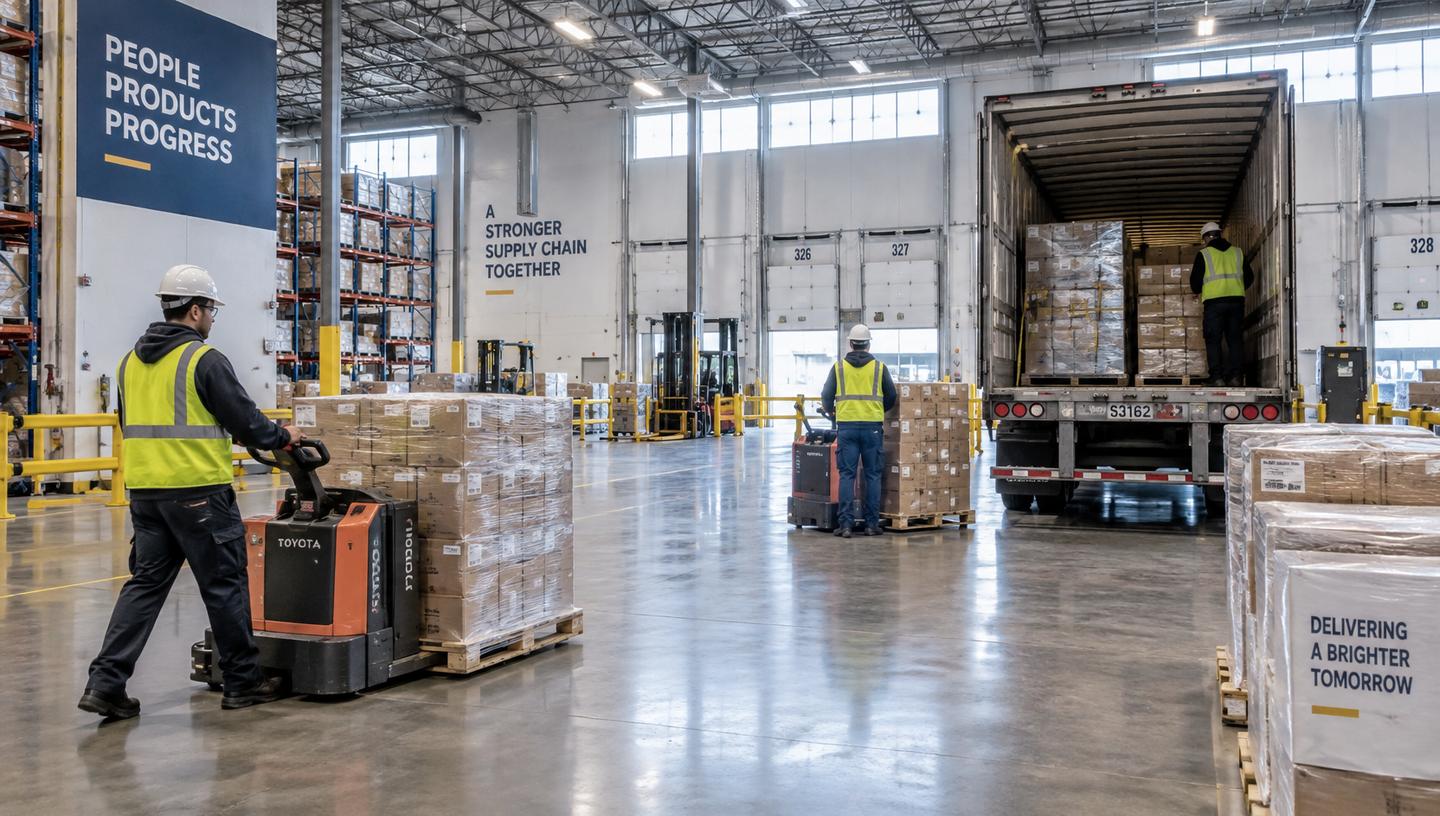
LTL may require the shipment to enter a consolidation network before the relevant line haul begins. The delivery plan may also include destination terminal processing before the final leg. These stages depend on the carrier’s network and the service selected, so confirm the actual handoffs rather than assuming a standard sequence.
FTL may allow the carrier to plan a truckload movement around the shipment’s readiness, equipment requirements, and agreed route. However, a reserved truckload does not remove every possible interruption. Dispatch availability, vehicle access, traffic, receiving appointments, route restrictions, and border processing can affect the overall delivery cycle.
Request an approximate schedule with clear start and end points. Confirm whether the stated timing begins when the cargo is ready, when the carrier collects it, or when line haul departs. Ask whether the estimate ends at a terminal, a port or border interface, the consignee’s dock, or the final delivery address. A main-transport estimate should not be presented as a door-to-door commitment.
For a shipment that requires pickup through final delivery, establish each handoff and confirm that the quote includes those legs. A defined door-to-door freight service can help clarify the intended boundary, but the booking documents should still identify the actual pickup point, destination, included services, and any excluded activities.
Before selecting an option, obtain the planned pickup arrangement, expected dispatch window, stated main-transport timing, destination processing assumptions, and final-delivery schedule. Ask the provider to explain how consolidation, appointment availability, customs processing, or site restrictions could affect the estimate. Treat every transit estimate as conditional, not as a guaranteed delivery time.
Keep Transportation, Customs, and Delivery Responsibilities Separate
LTL and FTL describe how road freight capacity is arranged. Neither choice automatically determines who books pickup, manages customs, pays duties or taxes, arranges cargo protection, or completes final delivery. Those responsibilities depend on the commercial agreement and the transportation services confirmed for the shipment.
Separate the following decisions when reviewing an offer:
- Transportation method: Confirm whether the shipment uses shared LTL capacity or a truckload arrangement, and identify the equipment and movement plan accepted by the carrier.
- Loading and handling: Establish who loads and unloads the cargo, what equipment the sites provide, and which party must prepare the freight for the agreed service.
- Service boundary: Confirm whether collection, line haul, terminal handling, destination processing, and final delivery are included or separately arranged.
- Commercial responsibilities: Where a sales contract uses a named trade term, confirm the relevant responsibilities against the transaction documents and the forwarder’s actual service scope. Do not infer those responsibilities from LTL or FTL.
- Customs and border coordination: For cross-border shipments, identify the party responsible for preparing documents, coordinating clearance, and handling applicable duties or taxes. These arrangements must be confirmed separately from the road-freight selection.
- Cargo protection: Review the applicable cargo insurance arrangement, coverage conditions, exclusions, insured interests, documentation requirements, and claims process. A transportation quote alone does not establish the extent of protection.
When a shipment crosses a border, a customs brokerage service may form part of the wider shipping plan. Confirm who engages the broker, supplies the required shipment information, and coordinates the handoff. The road-freight quote should state whether those activities are included or handled separately.
For cargo that needs separate financial protection, review the terms of the proposed cargo insurance service rather than treating LTL or FTL as a substitute for coverage. Confirm the actual policy scope and claims requirements before shipment. Any questions about legal liability, insurance coverage, customs treatment, or tax obligations should be resolved with the relevant provider or qualified adviser for the transaction.
The goal is to select a transportation arrangement that fits the cargo while preserving a clear record of who handles every additional service. A well-defined scope prevents an operationally suitable LTL or FTL movement from becoming a poor fit because an essential handoff was never assigned.
Practical Selection Rules and Quote Preparation
Apply the choice to the shipment’s actual operating conditions. These rules help identify which option to price first and when a change in cargo or delivery requirements should trigger a new comparison.
Start with LTL when the freight can be consolidated safely, shared network handling is acceptable, and the consignee can work with the offered delivery arrangement.
Start with FTL when the shipment needs reserved truckload capacity, greater control of cargo placement, or a movement plan designed around specific loading and receiving constraints.
Reconsider LTL when carrier acceptance rules, stackability, segregation needs, extra handling, or the receiving window make the shared network unsuitable.
Reconsider FTL when the freight can use shared capacity without compromising handling or delivery requirements, and the proposed equipment or dispatch plan does not add necessary operational value.
Requote after a material change to the cargo footprint, actual weight, packaging, pickup readiness, delivery address, required delivery window, handling conditions, or included services.
Prepare a common quote request with the shipment’s origin and destination addresses, cargo description, package or pallet configuration, dimensions, gross weight, packaging and stackability details, and any unusual handling requirements. State when the freight will be ready and when the consignee can receive it. Provide site access instructions, equipment requirements, appointment conditions, and the expected division of loading and unloading responsibilities.
For cross-border transportation, also identify the border route, available shipping documents, intended customs arrangements, and party responsible for each relevant handoff. Request an explicit description of the transportation scope, charge basis, assumptions, exclusions, and delivery boundary. Ask the provider to flag any missing cargo or destination information that could change service acceptance or the quote.
Illustrative example (not a customer case): A shipper needs to move stackable, palletized goods to a commercial receiving dock. The consignee can accept a flexible delivery arrangement, and the freight does not require exclusive loading control. LTL is a reasonable option to price first. If the consignee later requires a tightly coordinated receiving appointment or the cargo needs a handling plan that the shared network cannot support, the shipper should request an FTL quote using the same pickup and delivery scope. The decision changes because the operating requirements change, not because a universal cargo-size rule applies.
When both options meet the shipment requirements, compare current quotes on equivalent terms. Record why the selected service fits the cargo, the route, the delivery conditions, and the required handoffs. This creates a defensible purchasing decision and makes later changes easier to assess.
Common Comparison Mistakes and How to Control Them
The most common mistake is selecting a service before confirming whether both offers solve the same transportation problem. A headline quote can appear attractive while excluding collection, delivery, terminal handling, special equipment, or other activities required by the shipment. Align those inclusions before judging the commercial result.
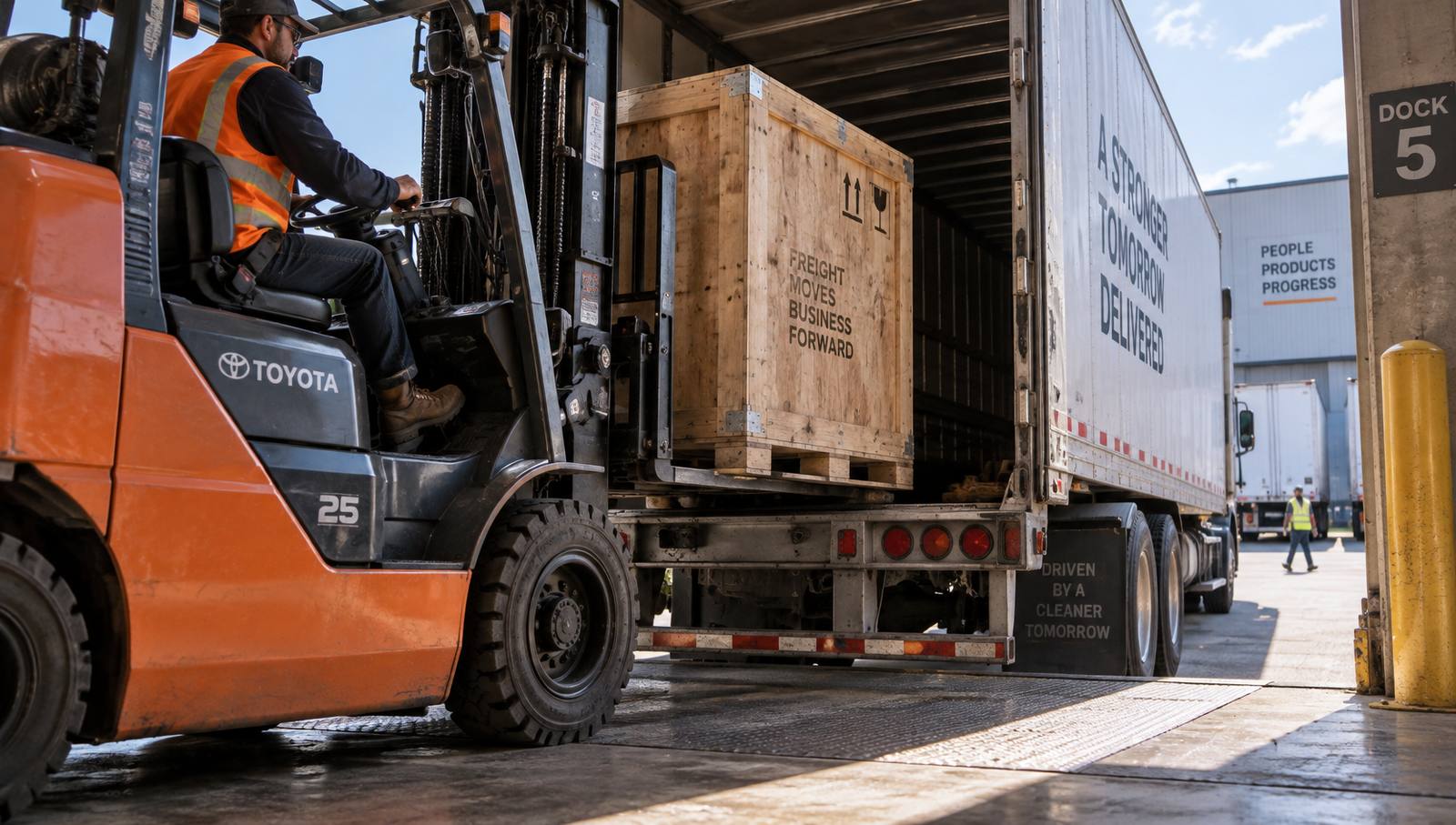
Another mistake is treating LTL and FTL as interchangeable labels for every aspect of a shipment. They describe different road-freight capacity arrangements; they do not by themselves define a door-to-door service, customs role, insurance arrangement, or the buyer’s and seller’s wider responsibilities. Record those items separately in the booking plan.
Incomplete cargo information can also distort the comparison. Preliminary dimensions, missing packaging details, unknown stackability, or an undisclosed handling restriction can affect carrier acceptance and the agreed charge basis. A reliable quote should reflect the real cargo, not an assumption that has not been checked.
Destination requirements deserve equal attention. A service that reaches a terminal may not include delivery to the consignee’s premises. Access restrictions, unloading arrangements, receiving hours, and appointments can create additional coordination or require a different movement plan. Identify those conditions before confirming the booking.
Common mistake: Comparing a shared-freight quote that includes only the contracted road movement with a truckload quote that covers collection and final delivery. The apparent commercial difference may reflect unequal scope. Ask both providers to list the included transportation legs, destination services, assumptions, and exclusions before choosing.
Risk control: If the cargo is non-stackable, fragile, oversized, regulated, or requires temperature or security controls, do not assume either service can accept it under standard conditions. Obtain written confirmation of carrier acceptance, suitable equipment, handling requirements, and the approved route before booking.
Close the comparison by checking that the chosen option matches the verified shipment specification, the delivery window, and the agreed service scope. Retain the quote assumptions and document any changes that require carrier approval.
Disclosure: This page provides general freight comparison guidance and may mention freight services available through this website. Actual cost, timing, service scope, customs requirements, carrier conditions, and destination handling depend on the shipment and can change. Confirm the current shipment plan before booking.
Key Takeaways
Choose LTL when the shipment can use shared trailer capacity and the carrier’s consolidation and delivery arrangements fit the requirements.
Choose FTL when reserved truckload capacity, cargo-placement control, or a specific movement plan better supports the shipment.
Compare current quotes using the same cargo details, route, timing requirements, charge basis, and service inclusions.
Evaluate main-transport timing separately from the complete pickup-to-delivery cycle, including relevant handoffs.
Confirm customs, cargo protection, loading and unloading, and final delivery responsibilities independently of the LTL or FTL choice.
Reassess the selection whenever cargo details, site conditions, delivery requirements, or quote assumptions change.
FAQ
What is LTL shipping?
LTL shipping moves freight through a shared transportation arrangement. The carrier combines compatible shipments from different customers, subject to its service rules and handling plan. It suits cargo that can share capacity without compromising the shipment’s handling or delivery requirements.
What does FTL mean in freight shipping?
FTL means full-truckload. The shipper arranges a truckload movement rather than purchasing shared LTL capacity. The actual equipment, dispatch plan, route, and included services depend on the carrier’s accepted offer.
Is LTL always less expensive than FTL?
No. The outcome depends on cargo details, the route, carrier rating methods, handling requirements, available capacity, and the services included. Compare current quotes using the same shipment information and delivery scope.
Is FTL always faster than LTL?
No. FTL may allow a more direct dispatch plan, while LTL may require consolidation and terminal handling. Actual delivery timing depends on the route, pickup readiness, carrier schedule, appointments, border processing where applicable, and final delivery arrangements.
Does FTL reduce cargo damage risk?
A planned truckload movement may avoid some consolidation transfers, but FTL does not guarantee damage-free transportation. Packaging, securement, equipment suitability, loading practices, and the actual handling plan remain important.
Does an LTL or FTL quote automatically include door-to-door delivery?
No. The quote must identify whether pickup, road transportation, terminal handling, and final delivery are included. Confirm the collection address and final receiving point before comparing the offers.
Do LTL and FTL include customs clearance for cross-border shipments?
Not automatically. Customs coordination and brokerage depend on the agreed service scope. Confirm who prepares the documents, coordinates clearance, handles applicable duties or taxes, and manages the border handoff.
How should I choose between LTL and FTL for fragile cargo?
Start with the cargo’s packaging, handling restrictions, and tolerance for transfers. Ask each carrier to confirm acceptance, equipment suitability, and the handling plan for the specific shipment. Select the option that meets those requirements and compare equivalent service scopes.
Disclaimer: Freight comparison information on this page is general planning guidance, not a binding quotation, carrier commitment, customs ruling, legal opinion, or delivery guarantee. Suitability depends on cargo, route, scope, timing, provider terms, and destination conditions. Confirm current shipment requirements before booking.