How to Calculate Your Ocean Freight Cost
To calculate ocean freight charges, identify the shipment’s charging basis, multiply it by the quoted rate, and add the applicable origin charges, destination charges, surcharges, and other confirmed services. The result is an estimate of the costs included in that particular quote, not automatically the complete door-to-door or landed cost.
General calculation framework: Estimated quoted logistics cost = base ocean freight + applicable origin charges + applicable destination charges + applicable surcharges + other confirmed services.
For full container load (FCL), the main freight calculation normally starts with the number and type of containers multiplied by the quoted rate per container. For less-than-container load (LCL), the provider may calculate the chargeable quantity using cargo volume, weight, or a specified weight-or-measure basis. The applicable method depends on the actual quotation.
Before calculating a total, confirm the packed cargo dimensions, gross weight, origin, destination, cargo-ready date, and required delivery scope. Use the worked examples below to follow the arithmetic, then replace the hypothetical figures with the amounts and charging conditions confirmed for your shipment.
What Is Included in Ocean Freight Charges?
An ocean freight quotation can cover a single transport leg or a broader set of logistics services. Start by separating the main ocean freight amount from the other activities required to move the cargo. The distinction matters because an apparently lower freight figure may exclude work that another provider has already included.
| Cost component | What it may cover | What to verify |
|---|---|---|
| Base ocean freight | Port-to-port main carriage | Route, container or LCL basis, service conditions |
| Origin charges | Origin handling, documentation, terminal work | Which activities are included in the base quote |
| Destination charges | Destination handling, release processing, terminal work | Which costs remain payable at the destination |
| Applicable surcharges | Listed carrier or handling-related additions | Charging unit, amount, conditions, validity |
| Additional services | Pickup, inland delivery, insurance, other requested work | Whether each service is included, excluded, or pending |
The first task is to establish which line items belong in the calculation. Do not add a separate handling amount if the quotation already includes that work in another line. Likewise, do not treat a service as included merely because the provider coordinates the shipment.
The sea freight service scope provides the starting point for reviewing the main transport requirement. Ask the quote desk to identify the origin and destination boundaries and list any additional services needed to reach the intended delivery point.
Keep the cost calculation separate from any costs that depend on a future event. A planned transport movement may have confirmed charges, while storage, rebooking, or delay-related expenses may arise only if particular conditions occur. These should not be added to the routine calculation as though they are certain.
How to Calculate FCL Shipping Costs
For a full container load, calculate the main ocean freight using the number of containers and the rate quoted for the specified container type, route, and service. Then add the origin costs, destination costs, and other applicable items that the quotation identifies separately.
FCL base freight formula: Number of containers × quoted rate per container = base ocean freight.
FCL shipment cost formula: Base ocean freight + applicable origin charges + applicable destination charges + applicable surcharges + other confirmed services = total of the listed quote items.
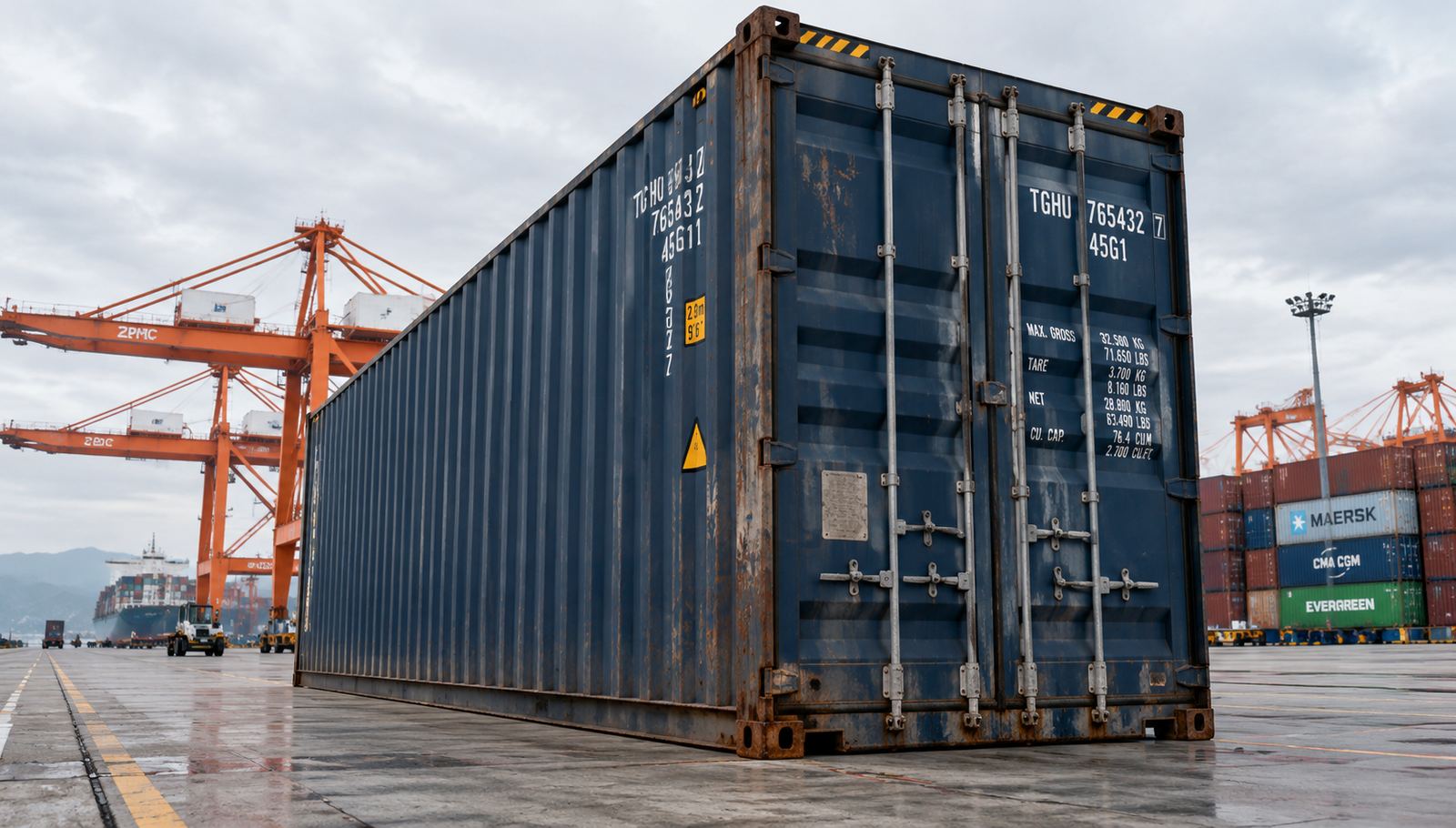
The following hypothetical example shows how the calculation works for one 40-foot high-cube container. All amounts are illustrative and do not represent a current market quotation.
| Cost item | Calculation basis | Example amount |
|---|---|---|
| Base ocean freight | 1 container × $2,250 | $2,250.00 |
| Origin handling and documents | Confirmed combined amount | $390.00 |
| Destination handling and related services | Confirmed combined amount | $465.00 |
| Applicable surcharge | Confirmed amount for the shipment | $175.00 |
| Total listed quote items | Add all four line items | $3,280.00 |
The calculation is $2,250 + $390 + $465 + $175 = $3,280. The result is the total of the listed items only. It does not establish that pickup, final delivery, import brokerage, duties, taxes, insurance, or other unlisted services are included.
Before using an FCL quote, confirm the container size and type, quantity, origin and destination, cargo-ready window, and charging conditions. Ask whether the quoted container rate applies to the exact proposed movement and which handling activities remain outside the listed total.
Container count alone does not resolve the whole quotation. Cargo dimensions, weight, loading restrictions, and the shipper’s readiness can affect equipment selection and operational feasibility. If the cargo cannot use the proposed container arrangement, ask the forwarder to review a suitable alternative rather than applying the original calculation unchanged.
How to Calculate LCL Freight Charges
Less-than-container load freight requires accurate package measurements and gross weight. Depending on the quotation, the provider may use cargo volume, weight, or a specified weight-or-measure (W/M) method to determine the billable quantity. Do not assume that every LCL shipment is priced by kilograms or that every provider applies identical measurement rules.
Step 1: Establish the total cargo volume. Use the packed dimensions of each package, expressed in consistent units. For rectangular packages measured in meters, multiply length by width by height to establish the volume of one package. Multiply that volume by the package count when all packages have the same dimensions. Calculate each package group separately when dimensions differ.
Step 2: Verify the applicable charging basis. If the quotation specifies a W/M method, confirm how the provider compares volume with gross weight, which conversion applies, and whether minimum quantities or rounding increments apply. Under the illustrative convention below, one cubic meter and one metric ton each represent one W/M unit, and the greater numerical quantity determines the billable measure. Other quotation rules may differ.
Step 3: Calculate the freight and applicable additions. Multiply the confirmed billable quantity by the quoted amount per W/M unit. Add any separately listed origin costs, destination costs, documentation fees, and applicable surcharges, taking care not to count an included item twice.
The following worked example demonstrates an LCL freight calculation using hypothetical figures. It assumes the provider has expressly confirmed the stated W/M convention, no minimum charge, no rounding increment, and the listed fee structure.
Packed cargo details: 8 cartons, each measuring 0.55 m × 0.40 m × 0.35 m, with a total gross weight of 480 kg.
Volume calculation: 0.55 × 0.40 × 0.35 × 8 = 0.616 CBM.
Weight conversion: 480 kg ÷ 1,000 = 0.48 metric tons.
Billable measure under the assumed convention: Compare 0.616 CBM with 0.48 metric tons. The larger numerical quantity is 0.616 W/M units under the example’s stated rule.
| Cost item | Calculation basis | Example amount |
|---|---|---|
| Base LCL freight | 0.616 W/M × $78 | $48.05 |
| Origin charges | Confirmed example amount | $45.00 |
| Destination charges | Confirmed example amount | $70.00 |
| Documentation fee | Confirmed example amount | $25.00 |
| Applicable W/M surcharge | 0.616 W/M × $12 | $7.39 |
| Total listed quote items | Add the rounded line items | $195.44 |
The illustrative total is $195.44. It excludes any unlisted inland transport, additional handling, customs brokerage, duties, taxes, insurance, or other services. The example is a demonstration of arithmetic, not a rate recommendation or a prediction of the amount payable for a real shipment.
LCL calculation check: Confirm whether the provider uses the packed dimensions, which weight-or-measure conversion applies, and whether minimum billing, rounding, or separately stated fees change the result. A quotation with an explicit calculation basis is more useful than an unexplained amount per kilogram.
Weight and volume can lead to different results because they describe different aspects of the cargo. Two shipments with similar gross weight may occupy different amounts of space. Conversely, shipments with similar volume can have different gross weights. The stated billing method determines which measurement controls the freight calculation.
Common Surcharges and Additional Logistics Costs
After calculating the base freight, review each additional amount against the written quotation. Some items are confirmed parts of the planned movement, while others depend on the route, handling arrangement, or an event that has not occurred. The calculation should keep these categories separate.
| Category | What to check | When to include it |
|---|---|---|
| Carrier or service surcharges | Applicable scope, billing unit, stated amount and validity | When listed and confirmed for the movement |
| Origin or destination handling | Activities included and amounts stated separately | When applicable and not already included |
| Inland trucking | Pickup or delivery endpoints, access, and service scope | When the movement requires and includes that leg |
| Special handling | Cargo restrictions and required handling arrangements | When the provider confirms the need and scope |
| Storage or delay-related costs | Triggering event, applicable terms, and approval process | When the stated conditions make the item applicable |
Never assume that a particular surcharge applies to every shipment. Equally, do not omit a confirmed line item simply because it is separate from the base freight. Ask the provider to explain what the item covers, the unit used for billing, and whether it is already reflected in another part of the quote.
Storage, demurrage, detention, rebooking, and similar delay-related expenses need separate attention. Their applicability depends on the actual movement and the relevant operating conditions. Do not automatically add them as fixed costs to every shipment. Instead, identify the events that may trigger them and the party responsible for checking those conditions.
For inland movements, ask the forwarder to identify where the pickup or delivery service begins and ends. A request for a trucking service should specify the address, access restrictions, loading or unloading arrangements, and intended handoff. These details help establish whether inland transport is included in the proposed calculation or remains a separate service.
Freight Cost vs. Total Landed Cost
An ocean freight calculation and a landed-cost calculation answer different commercial questions. The freight calculation totals the transport and logistics items included in a defined quotation. Landed cost considers the broader expenditure involved in getting purchased goods to the intended point, including the cargo purchase value and applicable import-related costs.
Illustrative landed-cost framework: Cargo purchase value + logistics costs + applicable duties and taxes + insurance and other relevant import-related costs = estimated landed cost.
This framework is a planning aid rather than a universal accounting definition. The exact components depend on the transaction, destination, accounting approach, and services required. Do not treat the total of an ocean freight quote as the landed cost unless the broader calculation has been completed.
Import duties and taxes are not automatically part of the quoted ocean freight amount. The importer should confirm the applicable assessment and payment arrangements with the appropriate party. The freight forwarder can identify whether its proposal includes coordination or document-handling services, but the buyer should not infer that those services settle separate tax or compliance questions.
Insurance also requires its own scope review. Confirm whether coverage is included, what cargo and value it applies to, and which exclusions and claims conditions matter for the shipment. Where appropriate, review a separate cargo insurance service rather than treating insurance as an automatic component of the main transport price.
The commercial decision is straightforward: calculate the quoted logistics amount first, then add the other confirmed elements needed for the business’s landed-cost view. Keep unverified duties, taxes, insurance, and service expenses visible as open items instead of presenting them as established totals.
Confirm What the Quote Includes and Who Acts
A correct calculation still depends on a correct scope. Before approving the total, identify which party supplies each shipment fact, arranges each movement, and confirms each service. Separate the quoted activities from anything the buyer, shipper, consignee, or another provider must arrange.
Pickup and origin handling: The shipper should provide the exact pickup address, warehouse contact, cargo-ready window, package details, and access restrictions. The quote desk should confirm whether collection, origin processing, and terminal-related work are included. A missing address or loading requirement can prevent the pickup scope from being assessed accurately.
Main transport: The forwarding desk should state the intended route, container or LCL basis, included transport legs, and relevant conditions. Ask what the ocean freight line covers and which activities appear separately. The buyer should use the confirmed basis when comparing offers rather than assuming that identical transport labels mean identical scope.
Destination handling and delivery: The consignee should provide the full receiving address, operating hours, appointment requirements, access limitations, and unloading arrangements. The forwarder should identify the destination handoff and confirm whether final delivery is included. A door-to-door service should be evaluated by its actual endpoints and stated inclusions, not by the service label alone.
Import-side coordination: The importer should identify any required brokerage, document coordination, and other import services. Ask the provider to distinguish coordination from customs processing, duties, taxes, and services arranged through another party. If broader import support is requested, confirm the precise tasks covered by the import service before adding an assumed amount to the logistics total.
Customs-related work: When the shipment requires a broker, identify the party supplying the documents and the party arranging the relevant processing. Ask whether the quote includes coordination only or a separately defined brokerage service. The scope of a customs brokerage service should be confirmed independently of the ocean freight calculation.
For every line item, use one of three states: included, excluded, or awaiting confirmation. Ask the forwarder to revise the quotation when updated cargo facts, a changed pickup window, or a different delivery requirement materially affects the proposed service.
Note: A freight quote is tied to the cargo, handoffs, route, service level, timing, and destination work stated in it. Carrier and handling conditions can change. Align the scope first, then request confirmation for the specific shipment.
How to Compare Ocean Freight Quotes
Use one shipment brief for every provider and compare the resulting quotations against the same requirements. This prevents the calculation from mixing a port-to-port amount with a broader delivery service or combining different cargo measurement assumptions.

Confirm the cargo and charging basis
The shipper supplies the package count, packed dimensions, gross weight, and expected ready date. The forwarder confirms the proposed container configuration or LCL billing method and identifies any missing cargo information.
Match the route and operating scope
The buyer provides the origin, destination, pickup and delivery requirements, and receiving constraints. Each provider confirms the transport legs, included handling, exclusions, and any unresolved service conditions.
Reconcile the totals before approval
The quote desk identifies duplicated items, missing services, separate surcharges, and conditional expenses. The buyer compares the same categories across the offers and requests a written revision when the scope or charging basis remains unclear.
Ask each provider to state the quote date, its applicable validity conditions, and the shipment facts on which the calculation relies. If the cargo, timing, service arrangement, or destination requirements change, ask which items need to be recalculated or reconfirmed.
When two offers still differ after the scope has been aligned, request a line-by-line explanation of the remaining differences. A useful comparison identifies the reason for each difference rather than treating the headline amount as sufficient evidence of value.
Recommended Approach Before You Approve a Freight Quote
Start with the actual cargo data and calculate the main freight using the basis stated in the provider’s proposal. Add only those origin charges, destination charges, surcharges, and additional services that apply to the defined movement. Keep any unconfirmed work separate from the calculated total.
For FCL cargo, verify the container type and number before applying the per-container amount. For LCL cargo, confirm the packed measurements, gross weight, billable quantity, and provider’s calculation convention. Then reconcile the remaining line items against the intended pickup and delivery endpoints.
The practical default is to approve a quotation only after the calculation basis, included activities, exclusions, and responsibility for unresolved inputs are clear. The recommendation changes when the cargo details, service level, or required delivery handoff changes; in that case, request a revised comparison rather than relying on the previous total.
Illustrative example (not a customer case): An importer needs to move packaged goods from a supplier’s warehouse to a receiving facility that requires an appointment. One proposal covers the ocean leg, while another describes a wider movement. The buyer first verifies the package measurements and charging basis, then aligns pickup, origin handling, destination services, and final delivery. The buyer compares the complete list of included items and leaves unconfirmed services outside the calculated total. If the packing information or receiving requirements change, the forwarder reviews the affected calculation before approval.
Keep the confirmed cargo information and the final written quotation together. That record gives the booking team a clear basis for arranging the movement and identifying any later change that requires review.
Key Takeaways
Use the correct basis. FCL calculations start with the container quantity and quoted container rate; LCL calculations use the provider’s confirmed measurement method.
Calculate the listed items. Add applicable origin costs, destination costs, surcharges, and confirmed services without counting any item twice.
Keep hypothetical figures separate. Worked examples demonstrate arithmetic, while the actual shipment requires its own written quotation.
Separate freight from landed cost. Duties, taxes, insurance, and unlisted services are not automatically included in the ocean freight total.
Confirm the handoffs. Verify pickup, destination handling, final delivery, quote conditions, and any items that remain excluded or unconfirmed.
FAQ
What information do I need to calculate cargo volume?
Start with the packed length, width, and height of each package, plus the number of packages. Use consistent measurement units and separate package groups when their dimensions differ. Ask the forwarder to confirm whether the supplied measurements are suitable for the proposed service. Accurate packing data helps establish the shipment’s physical size and supports the correct quotation basis.
Is LCL freight assessed by volume or gross weight?
The applicable method depends on the provider’s quotation. A shipment may be assessed using a weight-or-measure convention or another stated basis. The buyer should confirm how volume and weight are evaluated, which conversion applies, and whether minimum billing or rounding changes the result. Do not assume that a simple gross-weight figure alone establishes the final billable quantity.
Why can a small LCL shipment still have a minimum billable amount?
Consolidated freight involves handling, documentation, and shipment processing that may not decrease in direct proportion to cargo size. A provider may therefore apply a minimum billing quantity or another stated minimum condition. Ask the quote desk whether such a condition applies to the proposed shipment and how it affects the listed calculation before approving the offer.
Which items may be excluded from the base ocean freight amount?
The main freight line may exclude pickup, origin handling, destination handling, inland delivery, brokerage, insurance, or other services. The actual exclusions depend on the written scope. Ask the provider to distinguish activities included in the quoted movement from work that another party must arrange. Review the endpoints carefully so the required delivery is not mistaken for an included service.
What is the difference between freight cost and landed cost?
Freight cost reflects the transport and related logistics items included in the defined quotation. Landed cost considers the broader expenditure associated with acquiring and importing the goods, including applicable duties, taxes, insurance, and other relevant costs. The scope depends on the transaction and destination. Keep the two calculations separate until the additional elements have been confirmed.
Can I compare FCL and LCL using the same calculation method?
You can compare their overall commercial suitability, but their billing bases differ. FCL assessment generally begins with the container configuration and quantity, whereas LCL assessment depends on the stated measurement method and cargo details. Make sure both proposals cover equivalent endpoints, handling, and delivery needs. Ask the forwarder to explain any additional operating requirements before selecting the service.
What changes may require a revised ocean freight quotation?
Material changes to cargo dimensions, gross weight, package count, readiness, pickup access, route, required service, or delivery arrangements may affect the proposed calculation. Notify the forwarding desk when such information changes. Ask the provider to identify which components need review, reconfirm the applicable service conditions, and issue an updated written scope before you proceed on the basis of the earlier proposal.
Disclaimer: This page is general quote-planning guidance, not a binding quotation or delivery commitment. Actual charges and handoffs depend on the cargo, route, timing, provider confirmation, and destination conditions. Where duties, customs, tax, insurance, or contract questions apply, confirm them with the relevant party before booking.