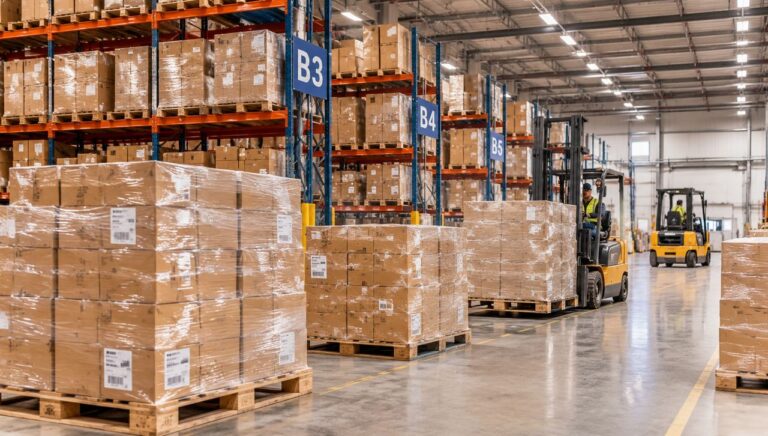

Shipping from China to Canada requires selecting a transport mode that aligns with your cargo volume, budget, and delivery deadline. The process involves coordinating international transit, clearing Canada Border Services Agency (CBSA) requirements, and managing final-mile delivery to your destination.
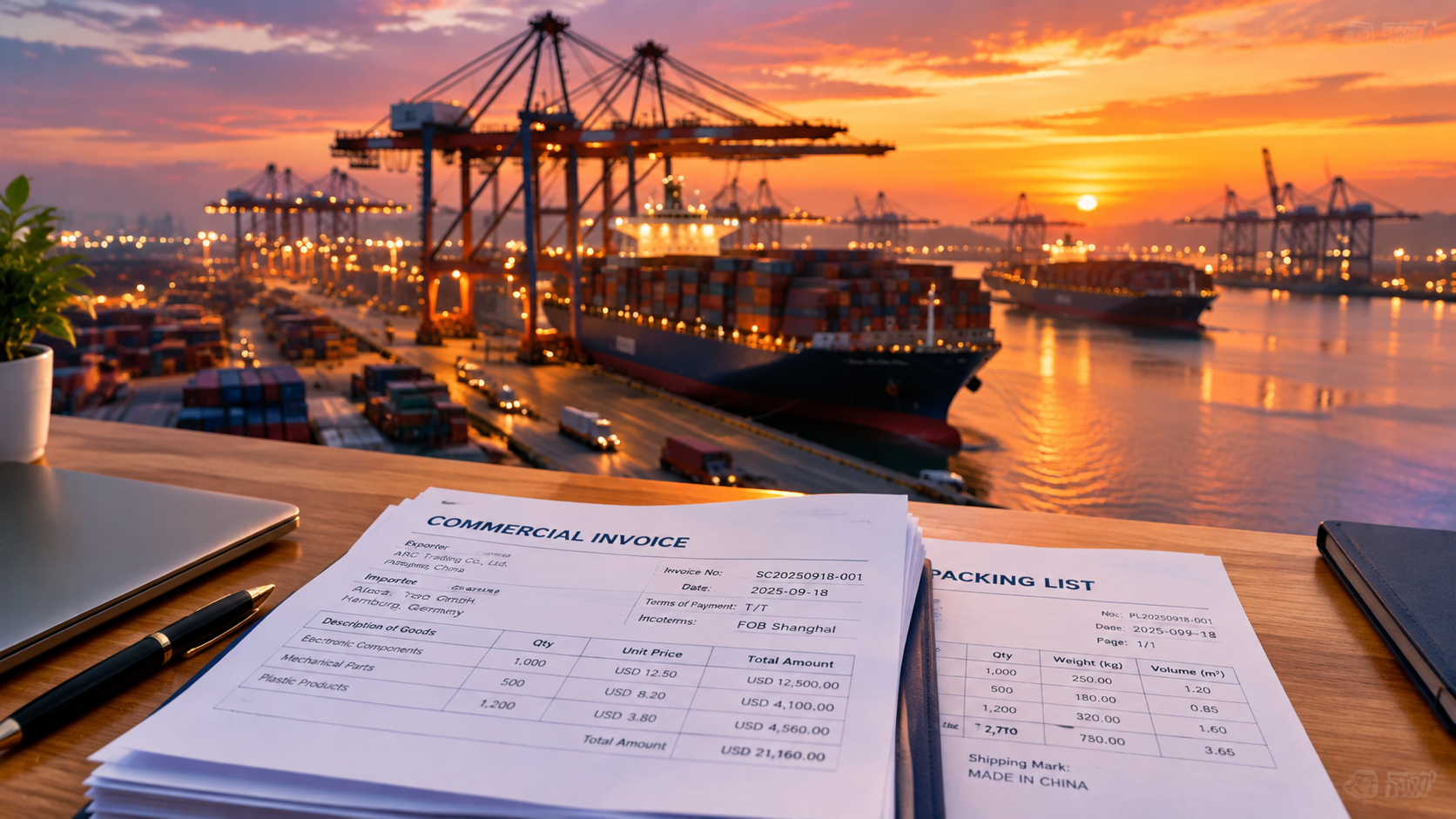
Success depends on preparing accurate documentation before the cargo departs China. Whether you are moving high-value goods via air freight or bulk inventory through sea freight, identifying the correct port of entry and ensuring your commercial invoice and packing list are complete will minimize delays during customs clearance.
Choosing the Right Transport Mode
Your choice of transport mode dictates both the transit time and the cost structure of your shipment. For urgent, low-weight goods, express shipping offers the fastest delivery, while larger, non-urgent shipments are typically handled through standard sea freight services.
| Mode | Transit Time | Best For |
|---|---|---|
| Air Freight | 3–8 days | High-value, urgent goods |
| Sea Freight | 20–40 days | Bulk, heavy, non-urgent cargo |
| Express | 2–5 days | Small parcels, samples |
The Shipping Process
Preparation and Booking
Confirm your cargo readiness date and select a service level. For complex shipments, consider multi-modal freight options to optimize transit efficiency.
Documentation and Export
Ensure your supplier provides a detailed commercial invoice, packing list, and bill of lading. Export clearance in China must be completed before the vessel or aircraft departs.
Transit and Import Clearance
Upon arrival in Canada, your shipment must clear CBSA. Utilizing professional customs brokerage services is recommended to ensure accurate tariff classification and duty payment.
Final Delivery
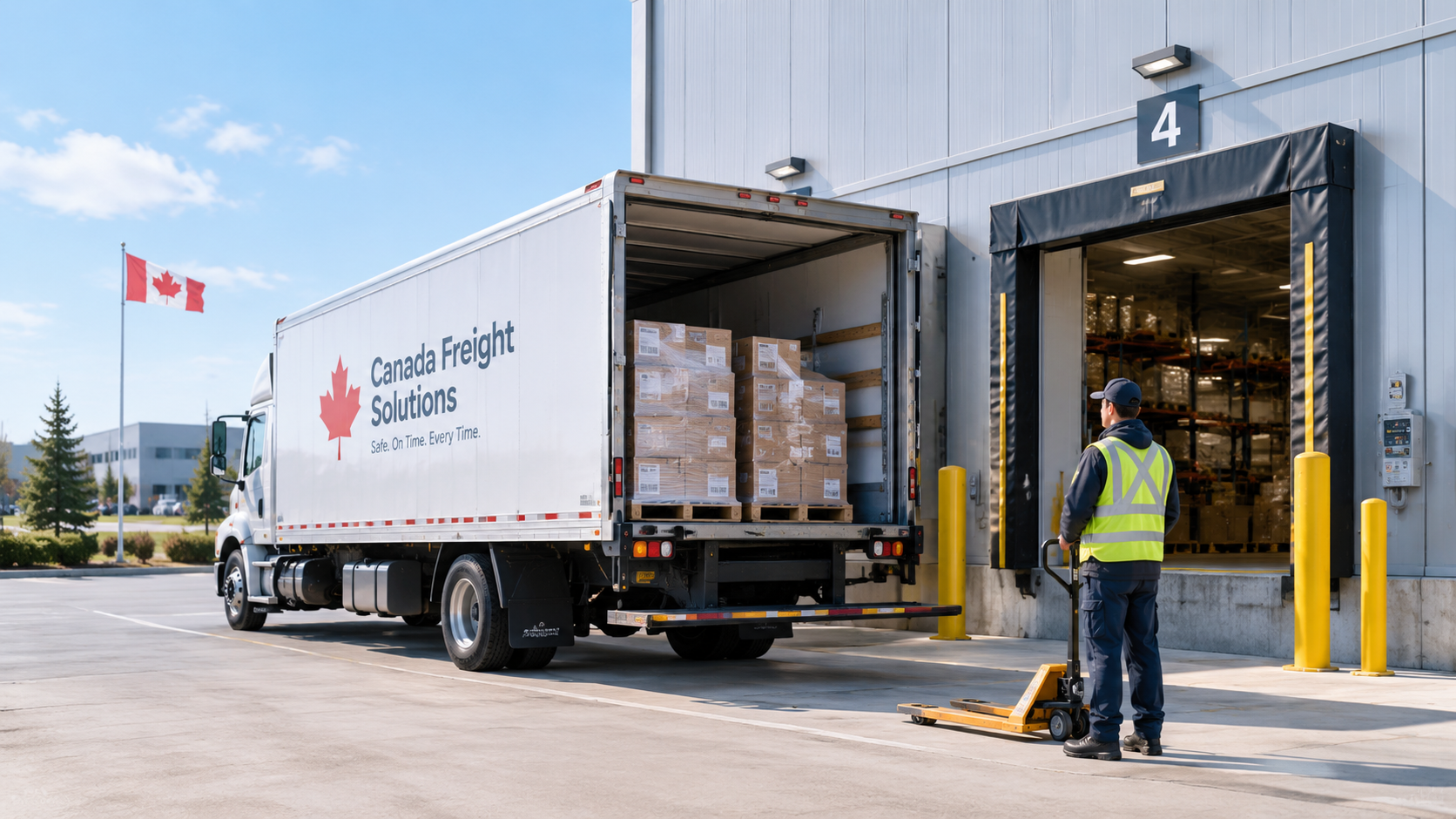
Once cleared, the cargo is transferred to the final destination. Door to door services can simplify this stage by managing the entire handoff from the Chinese factory to your Canadian warehouse.
Operational Requirements and Risk Management
Beyond standard transport, consider the specific needs of your cargo. If you are shipping to an e-commerce fulfillment center, ensure your labeling meets Amazon FBA requirements to avoid rejection or storage penalties. Furthermore, protecting your investment during transit is critical; cargo insurance provides coverage against loss or damage, which is especially important for high-value shipments.
Common Mistake: Failing to provide a detailed, accurate commercial invoice. Incomplete descriptions or missing values often trigger customs holds, leading to storage fees and delivery delays. Always verify that document descriptions match the physical contents of the shipment.
Disclosure: This guide provides general logistics information and may refer to services relevant to the topic. Carrier terms, customs requirements, fees, service coverage, and operating conditions can change. Confirm current requirements and responsibilities before acting.
Key Takeaways
Mode Selection: Match transport speed to your inventory requirements; sea freight is cost-effective for bulk, while air is for urgency.
Documentation: Accurate commercial invoices and packing lists are the primary drivers of smooth customs clearance.
Customs Compliance: Use licensed brokers to navigate CBSA regulations and ensure correct duty and tax assessments.
Risk Mitigation: Secure cargo insurance to protect against transit-related losses.
Frequently Asked Questions
What documents are mandatory for shipping from China to Canada?
You must provide a commercial invoice, a packing list, and a bill of lading or air waybill. Depending on the goods, you may also need certificates of origin, permits, or specific product certifications.
How long does customs clearance take in Canada?
Clearance can take anywhere from a few hours to several days. It depends on the completeness of your documentation, the nature of the goods, and whether the shipment is selected for a routine CBSA inspection.
Can I ship directly to an Amazon warehouse?
Yes, but you must ensure your shipment adheres to specific packaging and labeling standards. Failure to comply can result in the shipment being refused or charged additional processing fees.
Who is responsible for paying duties and taxes?
The importer of record is responsible for all applicable duties and taxes in Canada. Confirm your status as the importer of record before the shipment arrives.
Is cargo insurance necessary?
While not legally required, it is highly recommended. Standard carrier liability is often limited and may not cover the full value of your goods in the event of loss or damage.
How do I track my shipment?
Most carriers provide tracking numbers once the goods are in transit. For door-to-door services, your logistics provider will typically provide status updates at key milestones.
Can I ship oversized or heavy equipment?
Yes, specialized project cargo shipping solutions are available for items that do not fit into standard containers or require special handling equipment.
Disclaimer: This article is general informational guidance, not a binding quotation, legal opinion, customs ruling, carrier commitment, or delivery guarantee. Requirements, charges, service terms, and responsibilities can vary by route, cargo, contract, carrier, and jurisdiction. Confirm current requirements before booking or filing.