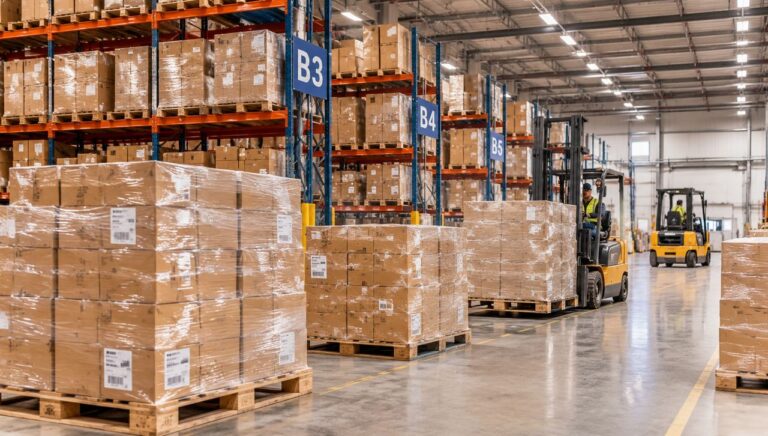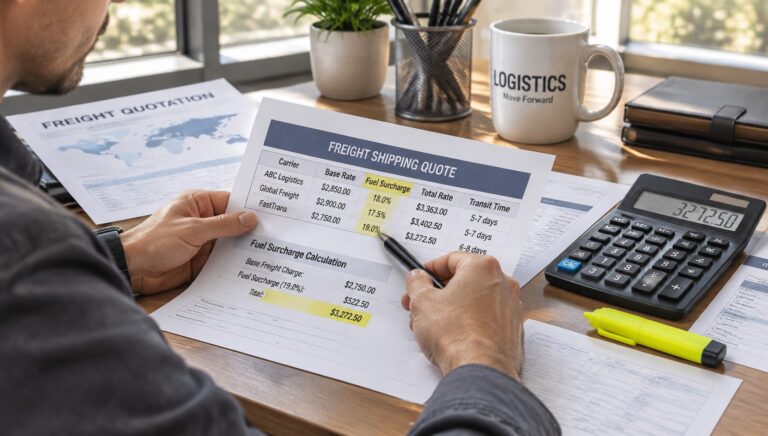
Fulfillment refers to the end-to-end process of receiving, processing, and delivering customer orders. In a logistics context, it encompasses the entire lifecycle of a transaction starting from the moment a purchase is confirmed until the goods reach the buyer’s possession. Effective fulfillment operations ensure that inventory is managed accurately, orders are picked and packed without error, and shipments are dispatched through the most appropriate transport mode to meet delivery expectations.
For shippers and supply-chain operators, the fulfillment model directly dictates your overhead costs, scalability, and service reliability. Whether you manage these operations in-house or outsource to a third-party provider, the process serves as the primary touchpoint between your inventory and your end customer. Understanding the specific stages of this workflow allows you to identify bottlenecks in your distribution cycle and optimize your logistics handoffs.
The Fulfillment Lifecycle
The fulfillment process consists of several distinct stages that must be synchronized to maintain operational speed. Each stage requires specific data visibility and physical handling to ensure that the correct items are prepared for transit.
Inventory Receiving and Storage
Goods arrive at a warehouse or distribution center where they are inspected, logged into a management system, and placed in designated storage locations. Accurate record-keeping here is the foundation for all subsequent steps.
Order Processing
Once a customer places an order, the system validates inventory availability and generates a pick list. This stage bridges the gap between your sales platform and your warehouse operations.
Picking and Packing
Warehouse staff or automated systems retrieve items from storage and prepare them for shipment. This involves selecting appropriate packaging materials to protect the cargo during transit and applying necessary shipping labels.
Shipping and Last-Mile Delivery
The packed order is handed over to a carrier for transport. Depending on the cargo type and destination, this may involve Sea Freight for bulk inventory replenishment or Express Shipping for time-sensitive customer deliveries.
Operational Requirements
Successful fulfillment depends on the integration of your warehouse management system (WMS) with your sales channels. Real-time data synchronization prevents overselling and allows for accurate tracking of stock levels across multiple locations. When scaling operations, consider whether your current infrastructure can handle peak seasonal volumes or if you need to transition to a distributed network to reduce transit times.
Common Mistake: Failing to account for returns management (reverse logistics) in the initial fulfillment design. Returns require a clear process for inspection, restocking, or disposal, and neglecting this can lead to inventory bloat and increased administrative costs.
Disclosure: This guide provides general logistics information and may refer to services relevant to the topic. Carrier terms, customs requirements, fees, service coverage, and operating conditions can change. Confirm current requirements and responsibilities before acting.
Key Takeaways
Process Integration: Fulfillment connects inventory management, order processing, and final delivery into a single workflow.
Scalability: Your choice between in-house and outsourced fulfillment should depend on your order volume and geographic reach.
Data Accuracy: Real-time inventory visibility is essential to prevent stockouts and order processing errors.
Reverse Logistics: Planning for returns is as critical as planning for outbound shipments to maintain profitability.
Frequently Asked Questions
What is the difference between logistics and fulfillment?
Logistics is the broad management of the flow of goods, including procurement and transport. Fulfillment is a specific subset of logistics focused on the execution of individual customer orders.

When should I consider outsourcing fulfillment?
Outsourcing is often beneficial when your order volume exceeds your internal capacity, when you need to store inventory closer to your customers to reduce delivery times, or when you want to focus on core business growth rather than warehouse operations.
How does fulfillment affect shipping costs?
Efficient fulfillment reduces costs by optimizing package dimensions, minimizing handling time, and allowing for the consolidation of shipments. Poorly managed fulfillment often leads to higher shipping rates due to inefficient packaging or carrier selection.
What is the role of technology in order fulfillment?
Technology automates the flow of information between your sales platform and your warehouse. It ensures that inventory counts remain accurate and that tracking information is automatically shared with the customer.
How do I handle international fulfillment?
International fulfillment requires additional attention to Customs Brokerage, duties, and taxes. You must ensure that documentation is accurate to avoid delays at borders.
Can I use multiple fulfillment centers?
Yes, using multiple centers allows you to store inventory closer to different customer regions. This strategy typically reduces delivery times and shipping costs, though it adds complexity to inventory management.
What happens if an order is lost during the fulfillment process?
If an order is lost, the responsibility depends on your contract with your carrier or fulfillment provider. Maintaining Cargo Insurance is a standard practice to mitigate the financial impact of lost or damaged goods.
Disclaimer: This article is general informational guidance, not a binding quotation, legal opinion, customs ruling, carrier commitment, or delivery guarantee. Requirements, charges, service terms, and responsibilities can vary by route, cargo, contract, carrier, and jurisdiction. Confirm current requirements before booking or filing.