What does retail kitting mean for international shipping?
Retail kitting combines specified products or components into a finished unit, such as a promotional bundle, retail multipack, product set, or display kit. For shipments from China, the main decision is whether to transport approved, finished kits or move components separately for assembly closer to the destination. The right arrangement depends on packaging stability, receiving requirements, shipment readiness, and the required delivery window.
Assembly, packaging, fulfillment, and freight are separate activities. A kitting provider may assemble products, apply labels, and inspect finished units. A fulfillment provider may also store inventory, allocate stock, and process orders. A freight forwarder coordinates the agreed transportation and shipment handoffs. For a China-origin shipment, buyers should confirm the finished-pack specification, actual carton and pallet data, customs documentation, and destination delivery requirements before booking. The goal is to move shipment-ready kits with accurate records and a receiving plan that matches the intended retailer, warehouse, distributor, or marketplace fulfillment center.
Should you complete retail kit assembly in China or at the destination?
The assembly location affects packaging, shipment dimensions, inventory handling, and the work required after arrival. Compare both arrangements against the same finished-product specification and delivery requirement rather than assuming that either location automatically produces a lower total cost.
When to complete kitting in China
China-based assembly may suit projects with an approved bill of materials (BOM), stable packaging artwork, repeatable work instructions, and confirmed destination requirements. The buyer can inspect finished kits, verify carton configuration, and confirm the shipment data before export. This approach also keeps assembly and final-pack inspection together when the supplier can complete both activities.
The main consideration is whether the finished packaging increases the shipment’s dimensions or creates rework exposure if the configuration changes. Compare the cost of assembly and completed packaging with the alternative of shipping components for destination assembly.
When to complete kitting at the destination
Destination assembly may suit programs with market-specific labels, changing promotional components, or different configurations for individual retail programs. It can preserve flexibility when suitable local assembly capacity, storage, inventory tracking, and quality controls are available.
This arrangement adds local handling and requires clear ownership of receiving, component reconciliation, assembly labor, materials, and inspection. The importer or appointed broker should verify how the actual products and components must be declared for the destination.
Compare assembly, packaging, storage, transport volume, local handling, inspection, potential rework, and final delivery together. Choose China-based kitting when the finished configuration is stable and ready for approval before export. Consider destination assembly when the value of configuration flexibility outweighs the additional handling and coordination it requires.
When are retail kits ready for an international freight quote?
A useful freight quotation starts with a defined shipment and a clear boundary between assembly work and transportation. The buyer should identify the cargo origin in China, the delivery destination, the expected cargo-ready date, and the required arrival window. The buyer should also establish whether a separate supplier will complete assembly and release the finished kits before collection.
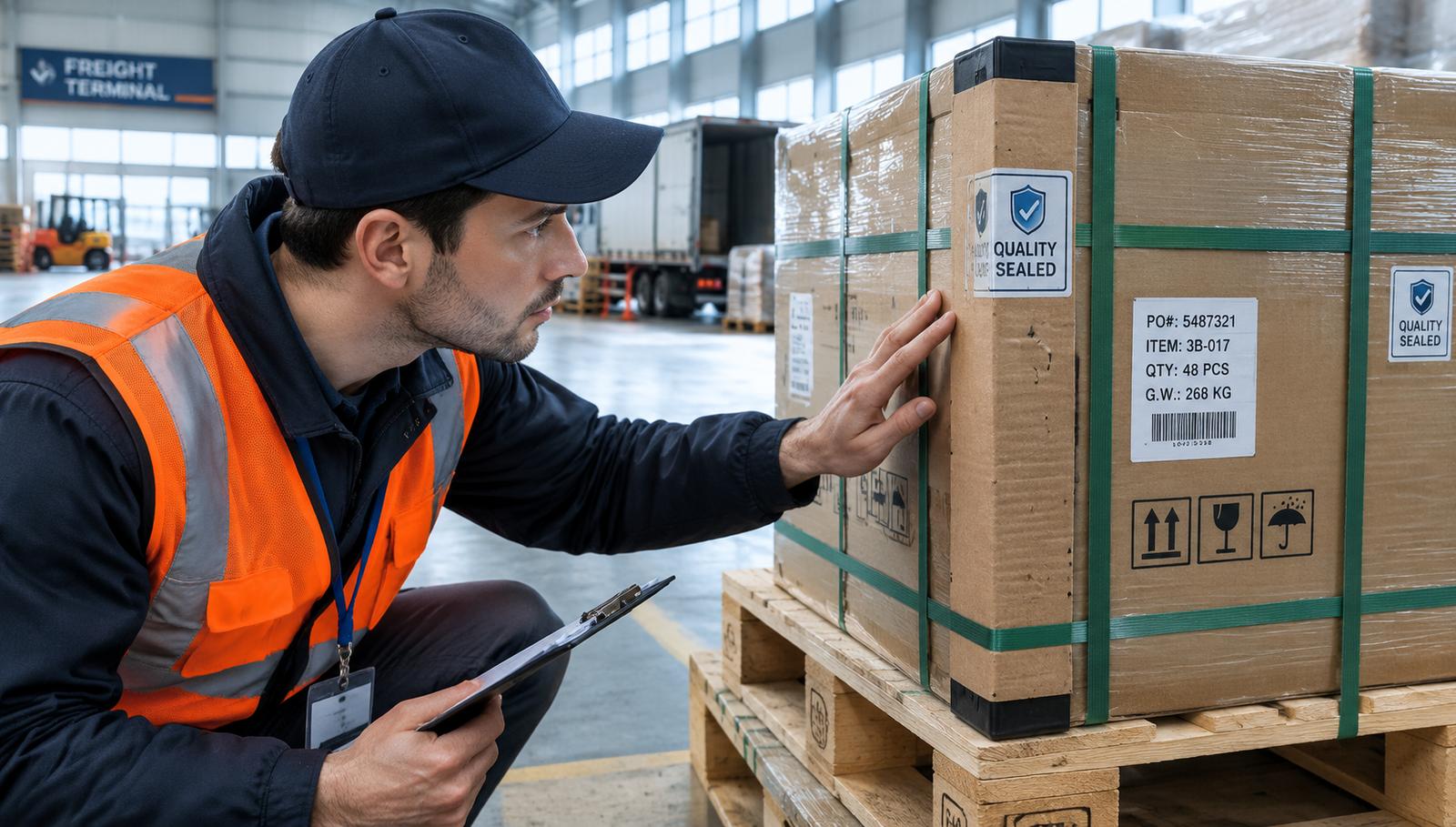
| Shipment profile | Suitable conditions | Decision before quotation |
|---|---|---|
| Retail-ready kits | Contents and packaging are approved | Confirm final packing data |
| Promotional bundles | Campaign artwork and components are confirmed | Confirm label approval and revision control |
| Ecommerce kits | Finished-unit identification and order rules are defined | Confirm whether storage or order fulfillment is needed |
| Multiple destinations | Each receiving location has defined allocation rules | Provide carton assignments and delivery instructions |
A freight quote does not automatically include component sourcing, assembly labor, packaging purchases, storage, or order processing. Ask each provider to confirm the activities it will arrange and identify any services another supplier must perform. This distinction matters when a warehouse receives components from one supplier and finished kits from another.
Identify the importer, consignee, customs contact, and destination receiving contact. These roles may involve different organizations. Confirm who supplies product information, coordinates the import entry, arranges receiving appointments, and authorizes additional work.
Operational trigger: If a component substitution, packaging revision, or destination allocation changes after the freight quote is prepared, update the affected records before booking. Confirm any impact on packed dimensions, labeling, customs information, and delivery scope rather than relying on the original assumptions.
Which freight method fits your finished retail kits?
Select the transport method using the completed packaging, required arrival window, cargo dimensions, and destination. A kit that looks compact at the product level may occupy more space after inserts, protective materials, and outer cartons are added. Use the finished shipment data whenever possible, and distinguish the international transport method from the local pickup and delivery arrangements.
| Freight method | When to evaluate it | Key quotation checks |
|---|---|---|
| Sea freight | Planned replenishment with a flexible delivery window | Container or consolidation arrangement, handling, inland legs, and destination charges |
| Air freight | Time-sensitive cargo when the delivery requirement supports the service | Gross weight, dimensional weight, chargeable weight, and airport handling |
| Express shipping | Compact consignments suited to a parcel or courier network | Carrier acceptance, shipment limits, customs scope, and delivery coverage |
For shipments that can accommodate ocean transportation, sea freight is worth evaluating against the required container or consolidation arrangement. Confirm origin and destination handling, cargo handoffs, and whether inland transportation is separately arranged. Consolidated cargo also needs clear carton identification and accurate shipment records.
When the delivery window is less flexible, compare air freight with the other available services using the actual packed dimensions and gross weight. An express shipping service may suit a compact consignment when the provider accepts the goods and the quoted service meets the delivery requirement. Confirm availability and service conditions for the specific shipment.
Which factors should determine the final choice?
| Decision factor | What to compare | Verification point |
|---|---|---|
| Delivery deadline | Transport estimate and processing time before and after carriage | Confirm the current service window |
| Cargo dimensions | Final carton and pallet measurements and gross weight | Apply the selected carrier’s rating rules |
| Shipment configuration | Container, consolidated cargo, or parcel acceptance | Confirm the applicable handling arrangement |
| Destination requirements | Customs coordination, appointments, unloading, and delivery | Confirm the receiver’s instructions |
| Total quoted scope | Origin, international freight, destination services, and exclusions | Compare equivalent service inclusions |
Local transportation remains a separate planning decision. A trucking arrangement may connect the assembly facility with an export terminal or destination warehouse. Check loading access, vehicle suitability, pallet handling, unloading equipment, and receiving appointments.
For coordinated movement across multiple stages, evaluate door-to-door shipping. The quotation should identify included transport legs, customs coordination, destination handling, final delivery, and excluded activities.
Special checks for Amazon FBA destinations
When kits are destined for an Amazon fulfillment center, verify the current product-preparation, barcode, carton-label, shipment-creation, and delivery-routing instructions. Consider the scope of the Amazon FBA shipping service alongside the actual marketplace requirements.
For the US FBA network, Amazon states that its prep and item-labeling services ended on January 1, 2026. Sellers must arrange the required preparation and labeling before sending inventory into the applicable fulfillment network. Check Amazon’s official FBA prep service guidance and shipping and routing requirements. Other marketplaces may have different rules.
How should you plan production and delivery timing?
Build the schedule from confirmed component availability and the date the finished kits can actually be released. Production completion, origin handling, international transportation, destination customs processing, and final delivery are separate milestones. A main-carriage estimate does not represent the full door-to-door cycle unless the quotation explicitly includes the other stages.
A useful transit estimate requires the actual origin and destination gateway pair, the selected service pattern, and confirmation of the transport leg being measured. Because the destination has not been specified for this guide, a single numeric range would not be route-specific enough to support a delivery commitment. Request an approximate estimate for the actual gateway pair and a separate estimate for the remaining stages included in the agreed scope.
| Milestone | Starts when | Ends when | Confirmation owner |
|---|---|---|---|
| Production readiness | Components and instructions are released | Finished kits pass the agreed checks | Assembly supplier and buyer |
| Origin handling | Cargo is declared ready for collection | Export handling and transport handoff are complete | Exporter and forwarder |
| Main carriage | The booked transport leg begins | Cargo reaches the named destination gateway | Carrier or forwarder |
| Destination delivery | Arrival processing can proceed | The receiving party accepts the shipment | Broker, delivery coordinator, and consignee |
Ask the forwarder to confirm the current booking window and the assumptions behind its transport estimate. Carrier schedules, booking availability, document corrections, customs review, inspections, and receiving appointments can affect different milestones. Peak-season capacity may also tighten available options.
Identify the milestone that controls the launch or replenishment date. If assembly approval is the critical dependency, a freight booking alone will not resolve it. For repeat shipments, retain actual approval, cargo-ready, departure, clearance, and delivery records to improve future planning without treating previous performance as a guarantee.
What determines the cost of shipping retail-ready kits?
The total project cost may include assembly expenses and freight charges, but each provider should quote the services it actually performs. A kitting supplier may charge for setup, assembly labor, packaging materials, inspection, storage, and rework. A freight quotation should identify the agreed transportation scope and any additional handling, customs, or delivery services.
| Cost element | What affects it | What to confirm |
|---|---|---|
| Assembly and setup | Handling steps, component arrangement, kit variations, and sample preparation | Defined work instructions and production scope |
| Packaging materials | Inserts, bags, labels, cartons, protective materials, and sealing | Material specifications and supply responsibility |
| Quality and rework | Inspection scope, scanning, discrepancies, and authorized corrections | Acceptance criteria and exception handling |
| Origin and main freight | Route, packed dimensions, gross weight, transport service, and handling | Shipment basis and included transport legs |
| Destination services | Handling, brokerage, duties and taxes, delivery, and accessorials | Included charges, exclusions, and confirmation requirements |
For assembly-related work, provide the same BOM revision, production quantity, packaging specification, kit variations, and inspection requirements to each supplier. Request separate details for setup work and repeat production where applicable. Ask how the quotation handles damaged or missing components, rejected units, excess stock, approved rework, and buyer-requested changes.
For freight, supply actual carton and pallet counts, external dimensions, gross weight, origin, destination, and required delivery scope. If the final packout is unavailable, label the shipment data as provisional and arrange to update the quotation when the finished cargo is measured.
For air and express shipments, the applicable rating method may compare gross weight with dimensional weight and use the greater value to establish chargeable weight. The carrier’s formula, dimensional divisor, rounding rules, and other conditions must be confirmed for the actual service.
Request an itemized quotation covering origin pickup, export handling, main carriage, destination handling, customs brokerage, duties and taxes, and final delivery, as applicable. Mark each charge as included, excluded, estimated, or pending confirmation. Keep assembly, storage, and rework costs separate unless explicitly included, and have the importer or appointed broker verify applicable import charges and requirements.
Note: Freight rates change with cargo details, route, carrier capacity, fuel costs, seasonal demand, service scope, and destination charges. Request a current quote for the specific shipment.
Which documents and handoffs must be confirmed?
Use consistent shipment identifiers across the packing records, customs information, and transport instructions. Each handoff should have a named owner and a clear verification point before the next stage proceeds.
Request Quote
The buyer supplies the cargo origin, destination, BOM reference, packing details, expected readiness, and required delivery scope. The forwarder confirms missing inputs, quotation assumptions, service inclusions, and unresolved requirements.
Cargo Pickup
The shipper releases approved, shipment-ready cargo. The pickup coordinator checks carton and pallet counts, external dimensions, gross weight, shipping marks, loading access, and collection instructions against the booking information.
Export Customs Clearance
The exporter supplies accurate product descriptions, declared values, origin information, and supporting documents. The exporter and appointed customs representative verify applicable classification and export documentation before proceeding.
International Transportation
The forwarder coordinates the booked movement using confirmed shipment details. The carrier issues its master transport document, while the forwarder issues its own house document when applicable. The shipper checks document details against the final packing records.
Destination Customs Clearance
The importer supplies required entry information through its appointed broker. The broker coordinates the entry process, while the importer confirms applicable product controls, duties, taxes, and outstanding requirements with the appropriate parties.
Final Delivery
The delivery coordinator confirms the receiving address, appointment, unloading arrangements, shipment references, and contact details. The consignee checks the delivered cartons or pallets and records visible discrepancies against the delivery documents.
Confirm whether the import service matches the destination requirements and the coordination scope requested by the buyer. The importer should identify who will supply entry information and confirm that the relevant product and shipment records are available.
When specialist entry support is needed, review the scope of customs brokerage. Provide the broker with final product descriptions, component information, values, and packing records. The broker should confirm current destination requirements rather than assume that a procedure used for another shipment applies.
Which packaging checks prevent receiving problems?
The most preventable shipment problems occur when the physical kits do not match the approved specification or the shipment records do not describe the actual cargo. A missing component, an unapproved substitute, an unreadable label, or a carton assigned to the wrong destination can disrupt receiving even when the outer packaging appears intact.
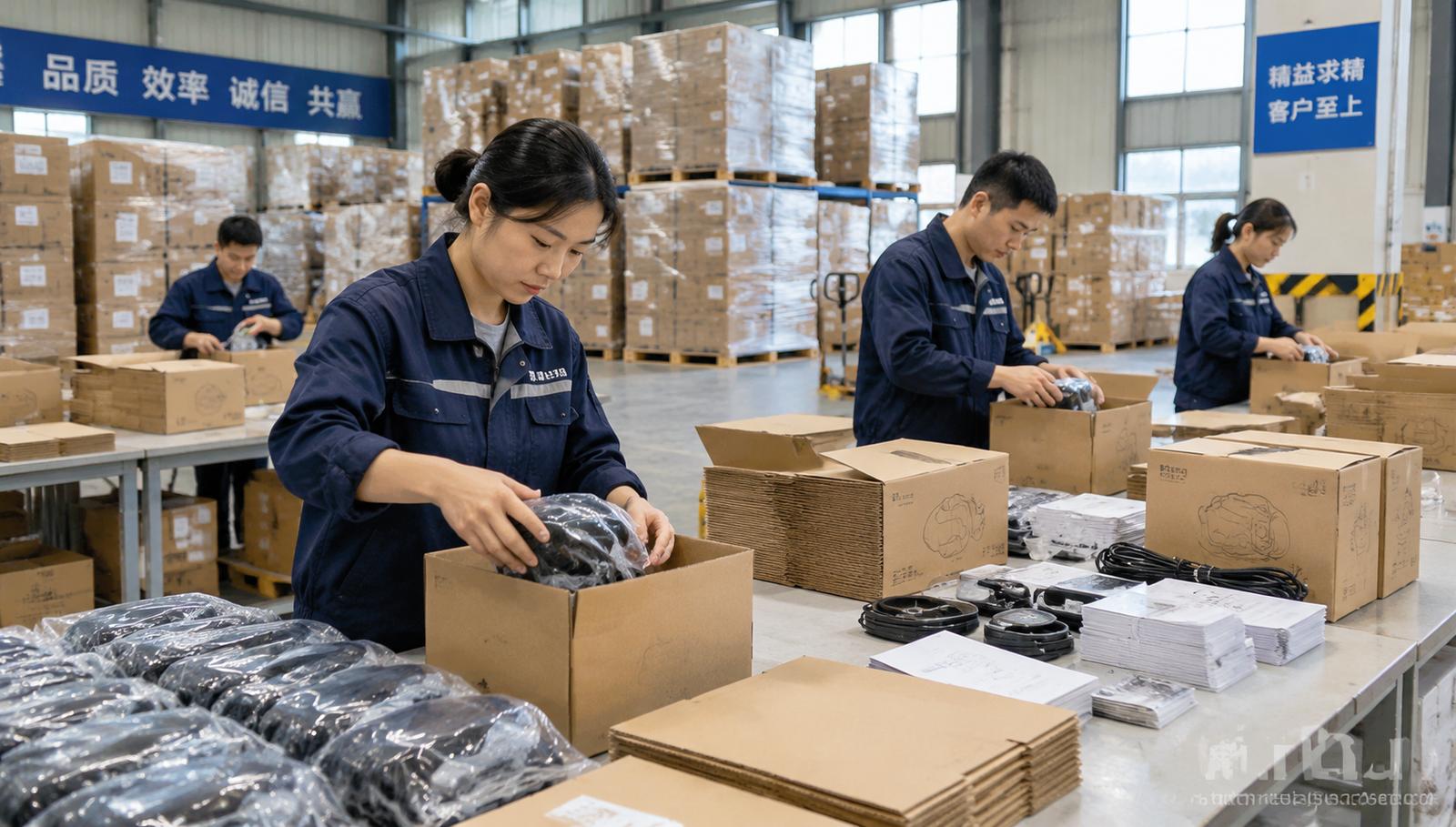
Retail packaging and receiving checklist
Before production release, compare the finished-pack specification with the current instructions issued by the intended retailer, warehouse, or fulfillment program.
- Product identification: Confirm the applicable SKU, GTIN, or other product identifier for each required packaging level.
- Kit configuration: Record the approved component list, quantity per kit, permitted substitutions, and rules for mixed assortments.
- Unit and carton labels: Verify required fields, artwork revision, placement, orientation, legibility, and the barcode scanning method.
- Case-pack configuration: Confirm the number of finished kits per carton, carton identification, and destination allocation rules.
- Pallet and delivery preparation: Verify applicable pallet specifications, label placement, stacking restrictions, receiving appointments, and unloading constraints.
- Receiving data: Check whether the program requires a routing guide, advance shipment notice (ASN), electronic data interchange (EDI), or other shipment information.
- Release approval: Identify the authorized approver and retain the approved sample, artwork files, and packing instructions as production references.
These requirements vary by retailer, product category, destination, and receiving program. The buyer should verify the current instructions before approving the finished packaging. Do not assume that one retailer’s barcode, carton, or pallet rules apply to another program.
Packaging must also protect the kit during expected handling and transportation. Check internal restraint, closures, outer-carton suitability, and pallet stability against the actual packed configuration. Record final dimensions and gross weight after packing, and update the shipment data if the completed packout differs from the quotation assumptions.
Common mistake: Buyers approve the assortment but leave carton configuration, label placement, or shipping marks unresolved. The assembly supplier then makes packaging decisions that may not satisfy the receiving operation. Approve the complete finished pack and its required shipping identification together.
If a component substitution, label revision, or destination allocation changes after kits are sealed, hold the affected cartons until the physical contents and shipment records agree. Do not release an unverified packout simply because transportation has already been booked.
Consider cargo protection separately from packaging quality. If the shipment requires additional financial protection, review the scope of cargo insurance before dispatch. Confirm the insured interest, declared value, exclusions, packaging conditions, and claims documentation with the provider. Do not assume that booking transportation automatically provides the coverage the buyer expects.
Disclosure: This page provides general route-planning information and may mention freight services available through this website. Transit times, freight costs, customs requirements, carrier schedules, and destination conditions can change. Confirm the current shipment plan before booking.
What should you include in a retail kit shipping quote request?
The practical default is to approve the finished assortment, packaging, inspection criteria, and receiving instructions before finalizing the outbound shipment plan. If the buyer still needs to configure kits at the destination, the quote should instead identify the components being shipped and the remaining work expected after arrival. State whether the requested freight service starts with completed kits or with separate components.
Use the checklist below to prepare the quotation request. Confirm provisional measurements after the finished cargo has been packed.
- Project details: Project reference, BOM revision, kit configurations, and expected quantities.
- Cargo readiness: Expected cargo-ready date, assembly status, and outstanding packaging approvals.
- Shipment data: Carton and pallet counts, external dimensions, gross weight, and packing configuration.
- Receiving requirements: Product identifiers, carton labels, retailer instructions, destination allocation, and appointments.
- Transport details: Origin facility, delivery destination, required arrival window, and preferred service.
- Service boundaries: Requested pickup, international transportation, customs coordination, destination handling, final delivery, and activities handled by other providers.
- Commercial assumptions: Unconfirmed shipment data, quotation validity, exclusions, and the process for authorizing additional work.
Illustrative freight quote example
The following figures are hypothetical examples of shipment inputs, not a customer shipment or a freight rate. They demonstrate how a buyer can organize carton, weight, and volume information for a quotation.
| Input | Illustrative value | What to verify |
|---|---|---|
| Origin and destination | Shenzhen, Guangdong, China; receiving warehouse outside China | Confirm the full collection and delivery addresses |
| Cargo and carton size | 120 cartons; 60 × 40 × 35 cm per carton | Measure the completed packout |
| Gross weight | 9 kg per carton; 1,080 kg total | Confirm actual packed weight |
| Carton volume | 0.084 CBM per carton; 10.08 CBM total | Recalculate if the carton size changes |
| Packaging approval | Finished sample approved | Verify final labels and carton configuration |
| Palletization | Carton volume excludes any additional pallet dimensions | Confirm whether pallets are required |
| Readiness and service | Ready date to be confirmed; pickup through delivery to be quoted by scope | Confirm the cargo-ready milestone and all service inclusions |
Use the actual destination to obtain route-specific transport estimates and charges. The forwarder should confirm the applicable weight or volume basis, handling requirements, and any destination services outside the quotation. If palletization changes the final dimensions, update the shipping data before the booking is finalized.
Illustrative example (not a customer case) A promotional kit combines specified products in an approved retail presentation for delivery to a distribution network. The component list, artwork, and receiving instructions match the finished sample, so the default is to inspect and release the completed kits before outbound transportation. If the buyer changes a component or label during assembly, the affected units remain on hold until the revised specification is approved and the packing records are updated.
Ready to ship retail-ready kits from China? Prepare the cargo origin, destination, cargo-ready date, carton and pallet counts, external dimensions, gross weight, and required delivery window for a freight quotation. Identify unresolved labeling or receiving questions so the proposed shipment scope can be confirmed before booking. Ask for an itemized quotation that states included services, exclusions, and charges requiring further confirmation.
Key Takeaways
- Decide where to assemble the kits by comparing the complete project cost, configuration flexibility, and delivery requirements.
- Use finished packaging data rather than component measurements when planning freight.
- Confirm retailer-specific product identification, carton configuration, pallet preparation, and receiving instructions.
- Compare quotations using equivalent cargo details, transport scope, destination services, and exclusions.
- Assign clear owners for approvals, customs information, shipment records, and delivery handoffs.
FAQ
Can I request a freight quote before the finished kits are packed?
Yes. Provide the best available carton dimensions, estimated gross weight, expected quantity, origin, and destination. Clearly identify provisional measurements and explain when the final packout will be available. The forwarder can assess the preliminary scope, but the quotation may need revision after actual dimensions, pallet configuration, and cargo readiness are confirmed.
Should the retail buyer or assembly supplier approve the finished sample?
The buyer or designated brand representative should approve the product presentation and retailer-specific requirements. The assembly supplier should verify that production follows the approved sample and instructions. The freight provider can check transport-related information, but that review should not substitute for the buyer’s approval of the finished kit.
Do all kits in one shipment need the same component configuration?
No. A shipment may contain several approved kit variations, provided that each configuration is identified and packed according to its own instructions. Give the assembly supplier a clear allocation record and ensure the carton list distinguishes the variations. The shipping documents and destination plan should reflect the actual packed cargo rather than one assumed configuration.
How should customs information describe a kit made from different products?
The description should accurately reflect the imported goods and the applicable destination requirements. The importer and broker may need details about the individual components, materials, intended use, values, and country of origin. Do not assume that a marketing name for the finished bundle is sufficient for customs purposes. Have the appointed broker confirm the required declarations.
What should happen if the destination changes after booking?
Notify the forwarder before the shipment is redirected or new delivery arrangements are made. The new destination may change routing, customs coordination, handling requirements, charges, and receiving instructions. Confirm which arrangements can be amended, whether the shipment documents need revision, and who will authorize the revised plan before proceeding.
Should finished kits be palletized before international shipping?
That depends on the cargo, handling plan, carrier requirements, receiving facilities, and retailer instructions. Palletization may simplify certain handling operations but can change the external dimensions and weight used for the shipment quotation. Confirm pallet specifications and whether the receiving location can unload and handle the proposed configuration before final packing.
What should I do if the receiving warehouse rejects a shipment?
Obtain the documented rejection reason and identify the affected cartons or units. Notify the relevant buyer, assembly supplier, forwarder, and receiving contact as appropriate. Compare the shipment against the approved specification and receiving instructions, then agree on an authorized corrective plan. Record any changes to custody, delivery arrangements, or additional services before proceeding.
Disclaimer: Transit times, cost explanations, customs information, and shipping suggestions on this page are general planning references, not a binding quotation, customs ruling, or delivery guarantee. Confirm the current route, service scope, charges, documents, and import requirements before booking.