What does LTL stand for? LTL means less-than-truckload, a freight service in which a shipment uses part of a truck trailer rather than requiring the entire trailer for one shipper’s cargo. The carrier combines compatible shipments from multiple customers to use available capacity. For shippers moving pallets, cartons, or other freight that does not justify a full truckload, LTL can provide a practical way to transport goods without reserving an entire trailer.
The main trade-off is that an LTL shipment commonly moves through a consolidation network, where freight may be sorted, transferred, and combined with other shipments. Those handling stages can affect transit time, damage exposure, and delivery scheduling. LTL does not automatically mean the lowest total cost or the right service for every shipment. Before booking, confirm the shipment’s dimensions and weight, the carrier’s acceptance rules, the pickup and delivery requirements, and the delivery date the receiving operation can support.
What LTL Means in Shipping Operations
An LTL shipment shares trailer capacity with freight belonging to other shippers. The carrier coordinates the freight through its service network, which may include pickup locations, consolidation terminals, line-haul transportation, and destination terminals before final delivery. The exact route and number of handling points depend on the carrier, origin, destination, and service selected.
The term describes the way freight capacity is used. It does not, by itself, specify a fixed shipment weight, guaranteed transit time, packaging standard, or level of delivery service. Carriers set their own operating limits and rating rules, so a shipment that appears small enough for LTL still needs to meet the selected service’s requirements.
Shippers can distinguish LTL from other freight options by looking at how much transportation capacity the shipment requires and how the carrier handles it.
| Service type | How capacity is used | Main decision point |
|---|---|---|
| LTL | Multiple shippers share trailer capacity. | Confirm the rate, handling requirements, and delivery window. |
| FTL | A shipper books a full truckload service for its freight. | Compare total truckload cost with the shipment’s space and service needs. |
| Parcel | Individual packages move through a parcel carrier’s network. | Check package limits, dimensions, handling rules, and delivery requirements. |
| Partial truckload | A shipment uses more capacity than typical LTL freight but less than a full truckload. | Confirm how the provider defines the service and prices the shipment. |
The distinction matters because the labels describe different service models, not interchangeable price categories. A provider may offer several options for the same shipment, but the quoted services must have comparable pickup scope, delivery scope, handling, and timing before a cost comparison is meaningful.
When LTL Is a Practical Freight Option
LTL is often worth evaluating when a shipment occupies only part of a trailer, the delivery schedule allows for the carrier’s transit time, and the cargo can tolerate the handling associated with a shared freight network. It can suit businesses that ship palletized goods regularly but do not have enough volume on each move to justify booking a full truckload.

Common candidates include replenishment inventory, boxed commercial goods, palletized components, and other general freight that meets the carrier’s size, weight, packaging, and commodity requirements. Actual acceptance depends on the service provider and route. The shipper should not assume that every palletized or low-volume shipment qualifies.
LTL may be a weaker fit when the shipment has a critical delivery deadline, requires specialized temperature control, needs unusually careful handling, exceeds the carrier’s limits, or carries a high consequence of delay or damage. These conditions do not automatically rule out LTL, but they make service verification more important.
For a time-sensitive shipment, compare the available LTL commitment with alternatives rather than selecting a service from the price alone. A full truckload or another transport arrangement may be more appropriate when a more direct movement or greater control over the trailer is worth the additional cost. The carrier or logistics provider can confirm the service options available for the actual lane and cargo.
Shipment size is only one part of the decision. Packaging, delivery access, cargo handling needs, pickup readiness, and the receiver’s available hours can change which service is workable.
What Determines LTL Cost and Transit Time
An LTL quote reflects more than the gross weight of the shipment. The carrier applies its rating rules to the shipment details and the requested route. For many US domestic LTL services, freight class may be one pricing input. Depending on the provider and service, density, handling characteristics, stowability, liability considerations, dimensions, minimum charges, and other rating rules may also affect the quote.
Distance and lane availability influence the transportation plan. Shipment dimensions and weight help the provider assess how the freight fits within its network and rating system. Pickup and delivery requirements can add operational work or charges if the locations need equipment, appointments, or handling beyond standard dock service.
Before comparing providers, use the same shipment information and equivalent service scope. A practical quote review should cover the following inputs:
- Freight details: commodity description, number of handling units, total weight, and packed dimensions.
- Shipment characteristics: stackability, packaging condition, handling restrictions, and any applicable classification information.
- Route details: pickup and delivery addresses, origin readiness, destination access, and requested dates.
- Additional services: liftgate requirements, residential or limited-access delivery, appointment handling, inside delivery, or other nonstandard services where available.
- Service commitment: quoted transit estimate, any stated delivery commitment, exclusions, and applicable charge conditions.
Transit time depends on the route, carrier network, service level, operating schedule, and shipment-specific conditions. LTL freight may pass through intermediate terminals, so a direct mileage estimate is not a reliable substitute for the provider’s transit estimate. Ask the carrier to identify the expected pickup date, transit basis, delivery window, and any assumptions that could change the schedule.
When planning the full move, review the provider’s trucking freight options against the shipment’s transport and delivery requirements. Confirm the scope being quoted; the general service category alone does not establish whether a particular route, commodity, or delivery arrangement is available.
What to Confirm Before Tendering LTL Freight
The shipper or booking party should provide shipment data that matches the freight as prepared for collection. Estimated dimensions from an unwrapped product may differ from the final dimensions after packaging, palletization, corner protection, or other preparation. If the carrier rates or accepts the shipment based on incorrect details, the quote may need adjustment and the shipment may face delays or additional charges.
Measure each handling unit in its final shipping configuration and record its actual weight. The total should include pallets and packaging when the carrier asks for gross shipping weight. If several units have different dimensions, provide the details in the format the provider requests instead of assuming that one representative measurement covers the entire shipment.
Give the carrier an accurate commodity description and confirm any applicable freight-class, density, dimensional, or special-handling requirements. The correct method depends on the service and lane. When classification is unclear, ask the provider to validate the applicable rating information before tendering the freight.
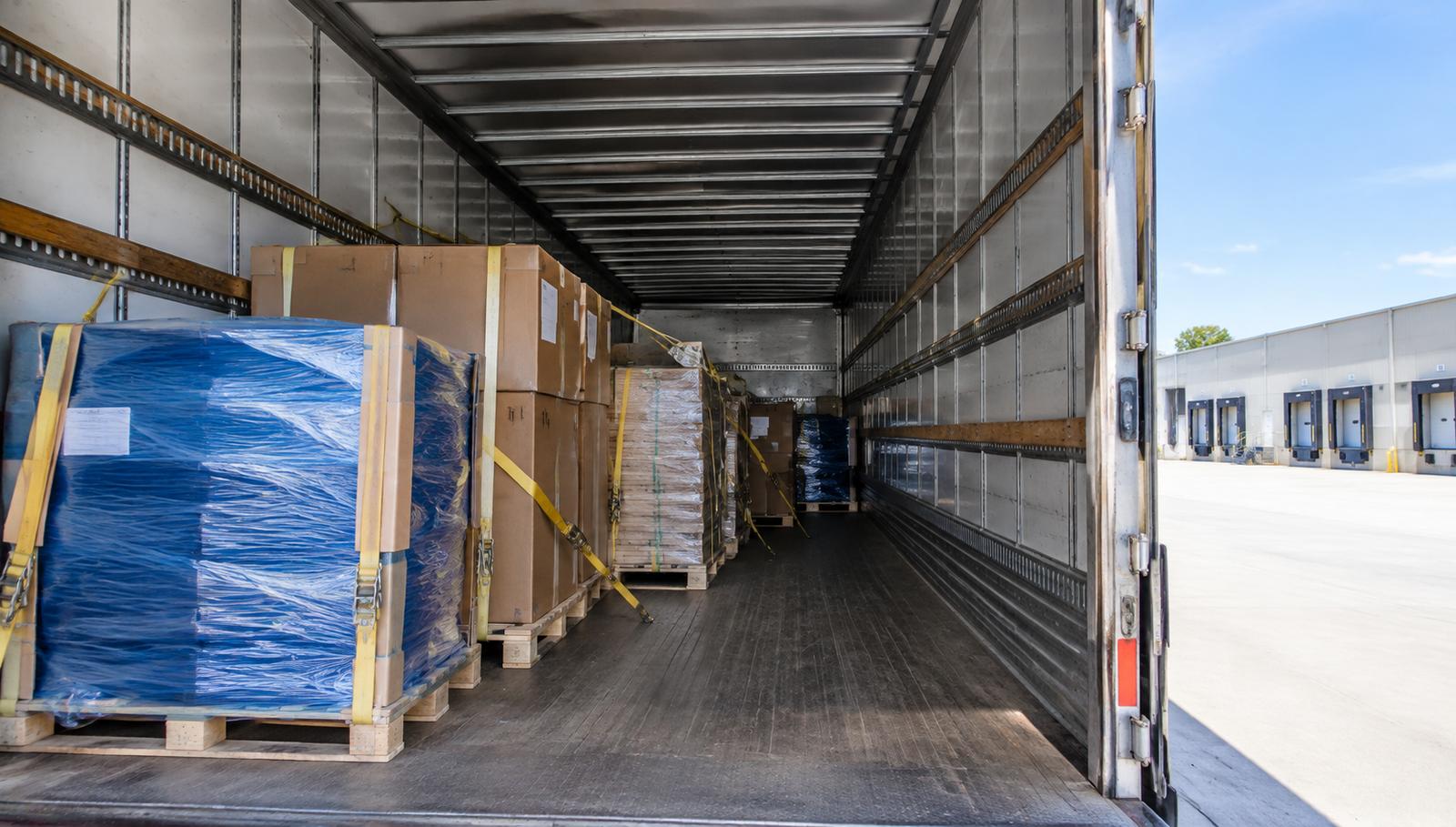
Packaging should suit the cargo’s fragility, weight, stacking conditions, and likely transfers through the network. Use secure pallets or suitable containers where the service requires them, protect exposed edges, restrain loose components, and keep shipping labels visible. Follow the carrier’s specific packaging and labeling instructions rather than assuming that packaging suitable for a dedicated vehicle will meet every shared-network requirement.
The pickup and delivery plan also needs to reflect the actual locations. Confirm whether each site has a suitable loading dock or requires a liftgate, appointment, or other service. Establish who will prepare the freight, who will sign for it, and how the receiving team will handle a missed appointment or a shipment that arrives outside the planned window.
Finally, distinguish the carrier’s liability terms from a separate cargo insurance decision. The applicable contract and circumstances determine how a loss or damage claim is handled; a freight quote alone does not explain every coverage limit or exclusion. When the cargo’s value or exposure warrants a separate review, evaluate cargo insurance options and confirm the relevant terms before dispatch.
Common LTL Mistakes and Operator Checks
Many avoidable LTL problems begin with a mismatch between the booking data and the freight presented at pickup. The shipper can reduce that risk by checking the packed dimensions, actual shipping weight, commodity description, handling-unit count, and required accessorial services before the carrier collects the load.
Common mistake: The shipper submits approximate pallet dimensions, then adds protective packaging or overhangs the pallet after the quote is issued. The final freight may occupy more space or fall under different rating inputs than the shipment originally described. Measure the completed handling unit and update the booking details before pickup whenever the shipment changes.
A second mistake is comparing quotations that cover different services. One quote may assume standard dock access, while another includes additional delivery handling or uses a different service commitment. Compare the complete charge structure and service scope, including minimum charges and possible additional-service fees, rather than comparing only the initial quoted amount.
Before releasing the freight, the booking party should verify the pickup address, operating hours, contact details, freight count, packaging, labels, destination access, required equipment, and requested delivery timing. The carrier should confirm any unresolved service restrictions or rating questions. If the details change after booking, notify the provider promptly and obtain an updated confirmation where needed.
Operational risk: Incorrect shipment data or missing delivery requirements can lead to reclassification, extra charges, failed pickup or delivery attempts, or schedule changes. The applicable outcome depends on the carrier’s terms and the facts of the shipment, so resolve discrepancies before tendering the freight.
Disclosure: This guide provides general logistics information and may refer to services relevant to the topic. Carrier terms, customs requirements, fees, service coverage, and operating conditions can change. Confirm current requirements and responsibilities before acting.
Key Takeaways
- LTL stands for less-than-truckload and allows multiple shippers to share trailer capacity.
- LTL may suit lower-volume freight when the cargo meets the service requirements and the delivery schedule allows for the carrier’s network.
- Total cost depends on shipment details, the route, applicable rating rules, and required pickup or delivery services.
- Provide accurate packed dimensions, weight, commodity information, and handling-unit counts before booking.
- Compare equivalent service scope and confirmed transit expectations before choosing between LTL, full truckload, or another option.
- Verify packaging, site access, carrier terms, and any separate cargo protection needs before dispatch.
Frequently Asked Questions About LTL Shipping
What does LTL stand for?
LTL stands for less-than-truckload. It describes a freight service in which a shipment uses part of a trailer rather than requiring the whole trailer for one shipper’s cargo.
How does an LTL shipment work?
The carrier combines freight from multiple shippers within a transportation network. Depending on the route, the shipment may move through consolidation terminals before it reaches the destination for final delivery.
What is the difference between LTL and FTL?
LTL shares trailer capacity among multiple shippers, while FTL books a full truckload service for a shipper’s freight. The better choice depends on shipment volume, price, handling needs, and delivery requirements.
Is LTL cheaper than full truckload shipping?
LTL can cost less for smaller shipments because the shipper does not need to reserve a full truckload. The result depends on the lane, freight details, minimum charges, additional services, and comparable service commitments.
How is LTL freight priced?
Carriers calculate charges using their rating rules and the information supplied for the shipment. Inputs may include weight, dimensions, freight class where applicable, route, service requirements, and additional handling or delivery charges.
Does LTL shipping take longer than FTL?
LTL may take longer when freight passes through consolidation terminals or requires additional handling. Actual transit time depends on the route, provider, service level, and operating conditions, so request a shipment-specific estimate.
What information is needed for an LTL quote?
Provide the origin and destination, commodity description, number of handling units, packed dimensions, gross weight, and relevant handling or accessorial requirements. The provider may request additional classification or service information before confirming the rate.
Does the meaning of LTL shipping guarantee a delivery date?
No. The meaning of LTL shipping describes a shared-capacity freight model, not a universal delivery commitment. Confirm the quoted transit time, delivery window, service conditions, and any applicable commitment with the carrier before booking.
Disclaimer: This article is general informational guidance, not a binding quotation, legal opinion, customs ruling, carrier commitment, or delivery guarantee. Requirements, charges, service terms, and responsibilities can vary by route, cargo, contract, carrier, and jurisdiction. Confirm current requirements before booking or filing.