

What a Bonded Carrier Means Before You Book
Before you book freight that moves in bond, confirm whose custodial bond covers the movement and whether U.S. Customs and Border Protection (CBP) has authorized that specific shipment. Those two checks matter more than any company’s description of itself as bonded. Under 19 CFR Part 18, a bonded carrier is a carrier whose custodial bond is obligated for the transportation and delivery of the merchandise. That is the working bonded carrier meaning for U.S. in-bond freight, and it is narrower than a trucker’s general experience with customs-controlled cargo. Three roles then need names: the party whose bond is obligated, the party that files the in-bond application, and the carrier that physically moves the cargo. One company may fill all three roles, or three companies may split them. CBP decides whether to authorize the movement, so no provider can promise that result in advance. This guide shows what to confirm, which shipment data to prepare, and where handoffs fail. It does not promise authorization, release, or any customs outcome.
Scope and Entry Types for U.S. In-Bond Freight
This guide covers U.S. in-bond movements under 19 CFR Part 18. In those movements, imported merchandise travels under bond from one port to another before appraisement and without duty payment, as 19 CFR 18.1 describes. The same Part 18 supplies the formal definition of a bonded carrier in 19 CFR 18.0. Outside that definition, people use the phrase loosely. One speaker means a trucker that serves bonded warehouses, and another means a carrier with in-bond history. Neither description tells you whose bond stands behind your shipment.
Mode also affects which rules apply. Part 18 sets separate provisions for air, pipeline, and TIR carnet movements, so confirm the governing procedure with your filer when cargo does not move by ordinary truck, rail, or ocean service. The entry type then determines where the cargo goes and how the movement closes.
| Entry type | Movement | Destination data | Confirm with the filer |
|---|---|---|---|
| IT (Immediate Transportation) | Imported cargo moves to another U.S. port for a later entry | U.S. destination port | Who files the later entry |
| T&E (Transportation and Exportation) | Cargo crosses the United States and exports from another port | Port of exportation and first foreign port | Export routing and closeout owner |
| IE (Immediate Exportation) | Cargo exports from the port where it arrived | Port of exportation and first foreign port | Export handoff at that port |
Name the entry type before you request a quote. An IT movement, a T&E movement, and an IE movement each call for different destination information and different closeout steps, and a carrier cannot price or schedule the work accurately without that choice.
Responsibility and Handoffs Across the In-Bond Movement
An in-bond movement works only when each party knows which step it owns. CBP makes the authority decisions. Everyone else performs operational steps, and each step needs a named owner before the carrier collects the cargo.
| Role | Function | Confirm in writing |
|---|---|---|
| Bond obligor | Holds the custodial bond that covers the movement | Which bond applies and who authorized its use |
| Filer | Submits and later updates the in-bond application | Who files and who approves changes |
| Carrier | Physically moves and safeguards the cargo | Which carrier handles each leg |
| Customs broker | Provides filing and coordination services when engaged | Scope of the engagement |
| Shipper and consignee | Supply shipment data and receiving instructions | Data accuracy and receiving contact |
| CBP | Authorizes the movement and decides on release | Nothing a provider can promise |
The rules do not make a licensed broker the only possible filer. The regulation allows the arriving carrier or its authorized agent to file, as well as the carrier that accepts the cargo under its bond or a carnet. A person with a sufficient interest in the merchandise, or that person’s authorized agent, may also file. Many shippers still hire a customs brokerage provider because the filing requires accurate data and electronic submission. Whoever you choose, confirm in writing who files, who updates the record, and who answers CBP questions.
The bond adds a second control. The custodial bond conditions in 19 CFR 113.63 include using only authorized means of conveyance and reporting in-bond arrivals and exportations. Part 18 also ties record updates to the party whose bond is obligated, so a filer needs that party’s authorization before amending the record. A shipper that books a trucking freight leg should therefore ask which bond the trucker will use and who has approved it, rather than accepting a general statement that the company is bonded.
Filing Data, Supporting Records, and Product Checkpoints
Two record sets travel with an in-bond shipment, and they serve different purposes. The in-bond application carries specific data elements that CBP receives electronically. Commercial and transport records support those elements, but they do not replace the application. Prepare both, and check that they agree before anyone files.
| Data element | What the filer needs | Usual source | Mismatch risk |
|---|---|---|---|
| Tariff number | Six-digit HTSUS number | Shipper and importer | Number differs from the later entry |
| Description | Detail sufficient for agency-regulated goods | Shipper | Wording too thin for agency review |
| Quantity | Count of the smallest external packing unit | Packing list | Pallets or containers reported instead |
| Container and seal | Container number and seal number | Carrier or terminal | Seal unknown or changed at pickup |
| Destination | Destination port, or export port and first foreign port | Filer and consignee | Port does not match the entry type |
The commercial invoice, packing list, and transport record supply most of this data, and the consignee supplies receiving instructions. Check that party names, piece counts, and cargo descriptions match across all of them. Part 18 also limits certain classes of merchandise, including plant products and explosives, so goods that another agency regulates may need that agency’s authorization before an in-bond movement. Ask your broker to review product data early for any cargo in that category.
Field note: Ask the filer to read back the quantity, container number, seal number, and destination exactly as entered. A read-back catches unit-of-measure errors and transposed digits before the application goes to CBP, when a correction is still simple.
Preparation Workflow for a Bonded Carrier Request
Use this sequence to move from raw shipment facts to a carrier request that a filer and carrier can review. Each step produces something the next party needs, and none of them guarantees an authority outcome.
Define the movement
Record the entry type, origin port, destination or export port, mode, and cargo description in one place. Every other party will work from this version.
Reconcile the records
Compare the invoice, packing list, and transport record. Fix differences in party names, quantities, and descriptions before anyone files.
Name the filer
Ask the filer to state in writing who submits the application, who may amend it, and who monitors the record after pickup.
Verify the bond and the authorization
Identify which custodial bond will be obligated and confirm that the party behind it has authorized its use. Separately, confirm that CBP has transmitted movement authorization for this shipment before the cargo departs.
Coordinate the receiving point
Confirm the facility, its hours, any appointment requirement, and the contact who will accept the cargo and report its location.
Hand off for closeout
Pass the final record set to whoever handles entry, export, or delivery, and confirm who answers authority questions after that handoff.
A carrier’s general bonded status does not substitute for step 4. The bond and the shipment authorization are separate checks, and a movement needs both.
Mode changes how the steps look. For cargo that arrives by vessel, sea freight planning should settle the discharge port and container release arrangements before the in-bond application is filed. For cargo that arrives by plane, air freight preparation centers on the airline or handler record and the airport receiving point, and air in-bond procedures follow a separate part of the regulations. Where cargo moves inland by train, rail freight adds a terminal handoff that the carrier and filer must both recognize.
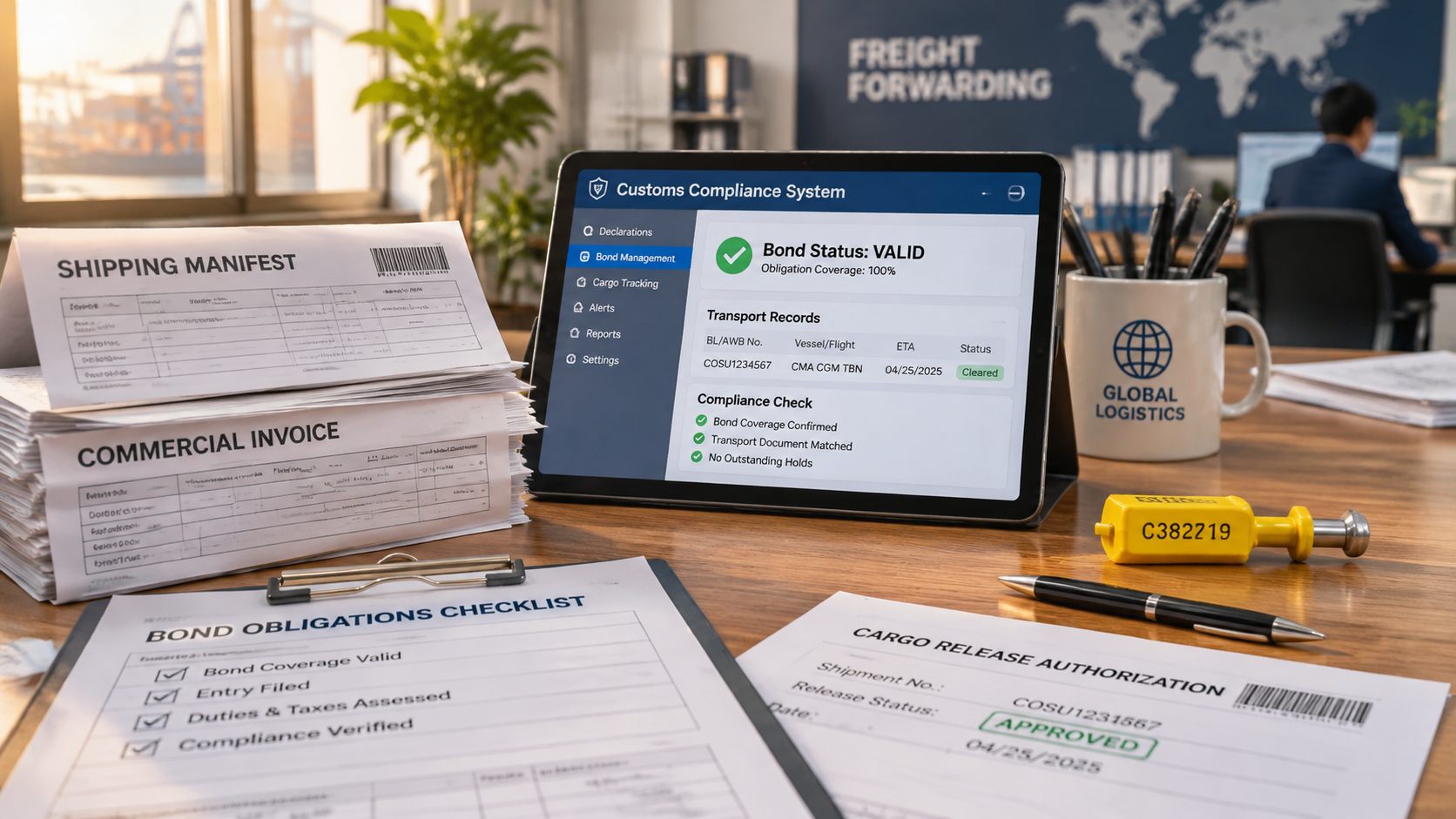
On the import side, the scope of an import service should state whether the provider coordinates the in-bond movement, the later entry, or neither. A quote that covers transport alone leaves the other steps with the importer.
Cost, Timing, and Delivery Exposure
Part 18 sets time limits for in-transit delivery, arrival reporting, record updates, and closeout after arrival. The figures and exceptions sit in the rule itself, so the shipper’s job is to assign an owner to each limit before the carrier accepts the freight. A missed report or a late closeout can create compliance trouble for the party whose bond is obligated, and it can leave cargo waiting at the destination under a different set of rules.
Incomplete preparation also creates operating exposure. Cargo can wait at a terminal while the filer corrects a record. An examination can interrupt a planned movement. A carrier may decline or rebook a pickup if the bond arrangement does not match the lane. A receiving facility may turn away cargo that arrives without an appointment or with details it cannot match. A base quote does not necessarily cover any of these, so ask each provider which charges and delays fall to the shipper after a record changes, and get the answer in writing.
Delivery scope needs the same attention. A door-to-door service may bundle transport, handoffs, and final delivery, but it does not automatically include in-bond filing, entry, duties, or taxes. Confirm each item separately. Cargo value also matters. Review cargo insurance terms against the actual movement, and do not treat insurance as a substitute for the custodial bond. The bond secures obligations to CBP, while insurance addresses loss or damage to the cargo.
Failure Modes and Prevention
Most in-bond problems come from role and data gaps, not from the truck ride itself. Watch for four patterns: a carrier described as bonded with no stated bond arrangement, an unclear filer, quantity reported in the wrong unit, and a quote that covers fewer services than the shipper assumed. Delivery mismatches also occur when the receiving facility cannot accept cargo on the day it arrives.
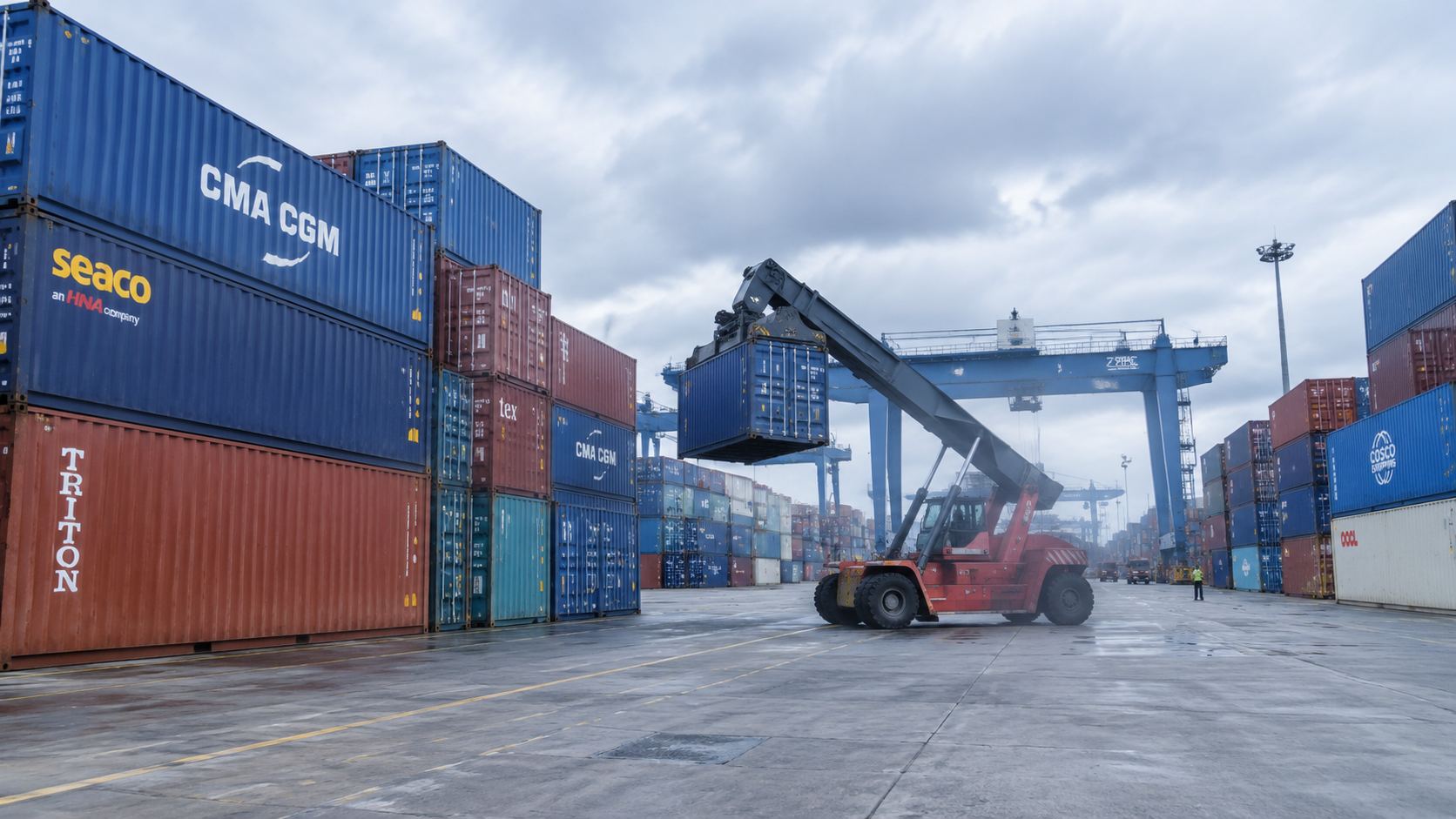
Prevention starts with early review. Ask the filer to check the shipment data before the carrier is booked, and ask the carrier which bond it will rely on before pickup is scheduled. Each check costs little and cuts the chance of a correction once cargo is already moving.
Common mistake: Shippers often treat bonded status as proof that a shipment is cleared to move. Status describes the carrier’s bond. Authorization comes from CBP for the individual movement, so confirm both before the cargo leaves the origin port.
Risk alert: If neither the carrier nor the filer can say whose bond will be obligated, pause the booking. Moving cargo on an assumption can leave the shipper managing corrections, holds, and disputes over who owned each step.
Disclosure: This page provides general logistics and customs-preparation information and may mention freight services available through this website. Actual requirements, authority decisions, duties, taxes, document obligations, service scope, and delivery conditions depend on the shipment, jurisdiction, commodity, transaction, and current rules. Confirm current requirements before booking or filing.
Preparation Decision and Coordination
Apply these rules to decide whether a shipment is ready for a filer, broker, or carrier to review.
Choose the entry type first: The type drives destination data and closeout, so settle it before any quote request.
Separate bond from authorization: Verify the bond arrangement and CBP’s movement authorization as two checks.
Name the filer in writing: The filer may be a carrier, an agent, a broker, or another interested party.
Report quantity by the smallest unit: Cartons or pieces, not pallets or containers.
Assign an owner to every limit: Each in-transit, reporting, and closeout step needs one responsible party.
The practical default is to involve the filer before you finalize the carrier. The filer can test whether the proposed bond arrangement fits the movement. The fact most likely to change that default is service scope: if a provider quotes transport only, filing, entry, and closeout remain open items for you.
A complete quote request lets each provider answer in one pass. Include the following items.
Movement: Entry type, origin port, destination or export port, mode, and pickup window.
Cargo: Description, tariff classification, quantity by smallest packing unit, and any agency-regulated status.
Equipment: Container number and seal number, or a note that they are not yet known.
Roles: The proposed filer, the bond to be obligated, and the party that will monitor the record.
Authorization: A request for the provider to state how CBP movement authorization will be confirmed before pickup.
Scope: A request to list inclusions, exclusions, and charges that remain with the shipper or importer.
Illustrative example (not a customer case): A shipper asks for a bonded carrier to move cargo inland from an arrival port. The quote lists transport only, describes the carrier as bonded, and names no filer. The cargo is reported in pallets, and the consignee name differs slightly between two records. The filer flags each gap before booking. The shipper corrects the records, restates the quantity by carton, adds the filer and bond arrangement to the written scope, and asks the carrier how authorization will be confirmed before pickup.
Key Takeaways
Scope: A bonded carrier is defined by the bond obligated for the movement, not by reputation or general customs experience.
Responsibility: The bond obligor, filer, and carrier can be three different companies, and CBP makes the authority decision.
Documents: Filing data and commercial records must agree, and quantity follows the smallest packing unit.
Verification: Confirm the bond arrangement and the shipment authorization separately, and assign an owner to every time limit.
Next action: Settle the entry type and filer, then send a complete quote request before booking any in-bond movement.
FAQ
What is the bonded carrier meaning in U.S. in-bond freight?
In U.S. in-bond freight, a bonded carrier is a carrier whose custodial bond covers the transportation and delivery of the cargo. The label describes bond responsibility, not general experience with customs cargo. Because a carrier’s status does not authorize any single shipment, confirm the bond arrangement and CBP’s movement authorization separately before pickup.
Does a carrier’s bonded status authorize my shipment?
No. Bonded status and shipment authorization are separate checks. The first concerns the bond that stands behind the movement. The second is CBP’s decision on the specific in-bond application. Ask your filer or broker how they will confirm authorization before the carrier collects the cargo, and keep that confirmation with the shipment records.
Who files the in-bond application?
More than one type of party may file, including a carrier, a carrier’s authorized agent, or another party with a sufficient interest in the cargo. A customs broker often handles the work, but the role is not exclusive. Name the filer for each shipment, and confirm who may update the record afterward.
How does a bonded carrier differ from a standard carrier?
A standard carrier moves freight under ordinary transport terms. A bonded carrier also carries customs responsibilities for cargo that has not completed entry, including its safekeeping and delivery. The difference matters when freight moves between ports before entry or export is complete. Ask which bond covers the movement instead of relying on the carrier’s description.
What is the difference between IT, T&E, and IE movements?
IT moves imported cargo to another U.S. port for a later entry. T&E carries cargo through the United States to a port where it is exported. IE exports cargo from the port where it arrived. Each type calls for different destination information and closeout steps, so ask your filer which one fits before you request a quote.
Does a bonded carrier clear my cargo through customs?
No. A carrier moves the cargo under the applicable bond. Entry, duties, taxes, and release are separate steps handled by the importer or its broker, and CBP makes those decisions. A transport quote does not necessarily cover them, so ask each provider to state in writing what the quote includes and excludes.
What should a bonded carrier quote and authorization checklist include?
List the entry type, origin and destination ports, mode, commodity description, tariff classification, cargo quantity by smallest package, and container and seal details. Add the filer, the bond arrangement, and the receiving contact. Ask the provider to state what the quote covers, what it excludes, and how authorization will be confirmed before pickup.
Disclaimer: This page is general operational guidance, not legal, customs, tax, insurance, product-safety, regulatory, classification, or licensing advice. Requirements, authority decisions, responsibilities, charges, and deadlines depend on the controlling documents, product, jurisdiction, transaction, service terms, and current official guidance. Confirm current shipment requirements with the relevant authority, licensed broker, carrier, or qualified adviser.