

FCA delivery terms define where a seller hands goods over to a carrier or another person nominated by the buyer, and when responsibility for the shipment passes to the buyer. FCA stands for Free Carrier. The agreed delivery location determines the handoff procedure, while the commercial agreement and applicable version of the trade terms establish the parties’ respective obligations. For most shipping decisions, the first priority is to identify the named place of delivery and confirm exactly what the seller must do before the handoff.
Under the standard FCA allocation, the seller prepares the goods, handles export clearance, and delivers the shipment to the agreed handoff point. The buyer arranges the main carriage from that point and generally assumes the risk of loss or damage after delivery has occurred. The practical details change depending on whether the carrier collects at the seller’s premises or receives the goods at another location. Before booking, both parties should confirm loading responsibilities, pickup arrangements, export documents, transport costs, and the evidence that will establish the handoff.
How FCA Delivery and Risk Transfer Work
FCA separates the seller’s delivery obligation from the buyer’s responsibility for arranging the main carriage. The named place is therefore a commercial control point, not simply an address on a shipping document. Both parties should identify the precise location and agree on the operational event that completes delivery.
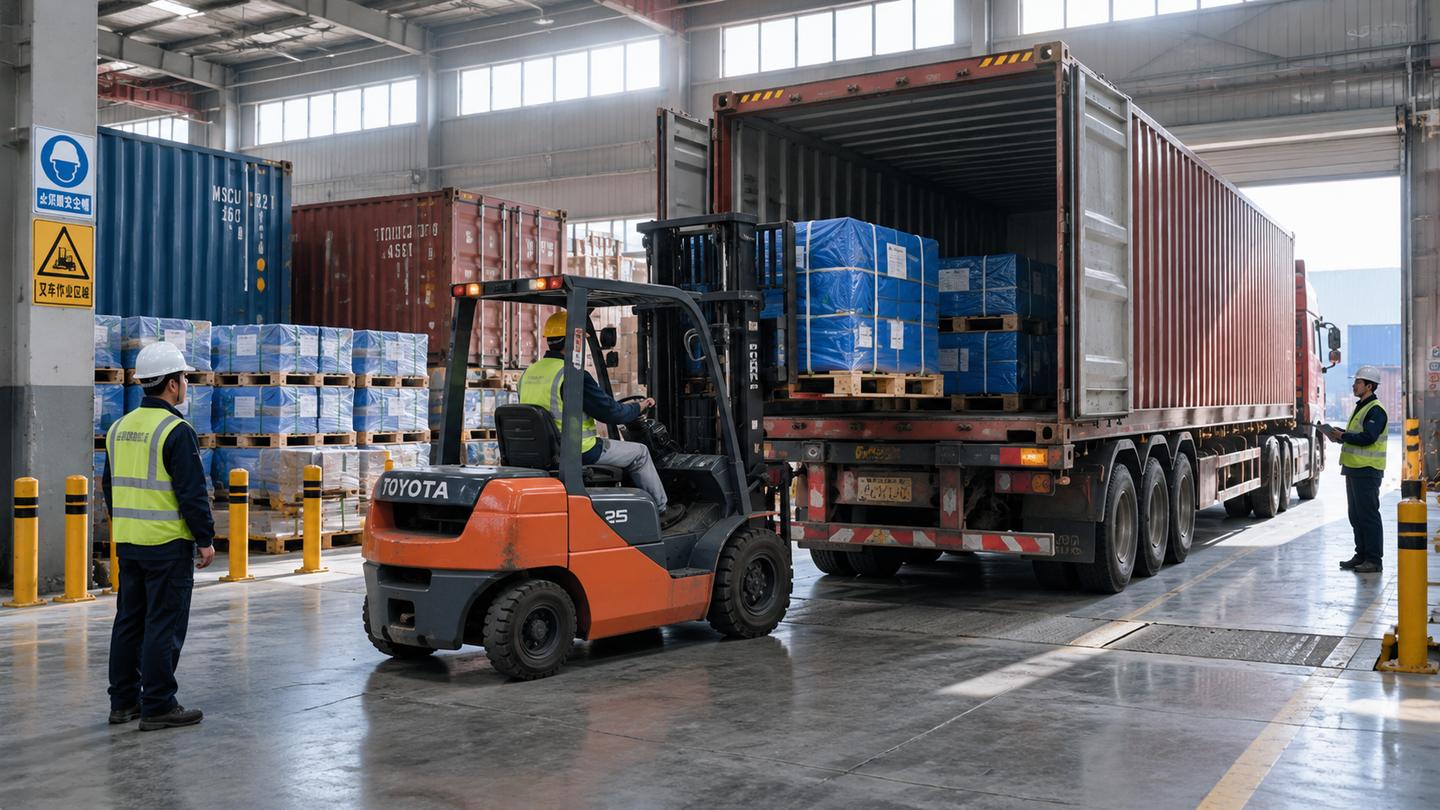
When the named place is the seller’s premises, delivery occurs when the seller loads the goods onto the vehicle provided by the buyer’s nominated carrier or other receiving party. When the named place is elsewhere, the seller delivers the goods to that location on the seller’s arriving vehicle, with the goods ready for unloading and placed at the disposal of the nominated carrier or receiving party. In the second situation, unloading from the seller’s arriving vehicle is generally not the seller’s responsibility under the standard allocation.
| Shipment activity | Seller | Buyer | Key check |
|---|---|---|---|
| Goods preparation | Prepares and packages the goods as agreed | Provides applicable handling requirements | Packaging and cargo readiness |
| Export clearance | Handles export clearance under the standard allocation | Provides requested shipment information | Exporter details and filing responsibilities |
| Delivery and handoff | Delivers goods to the named place | Nominates the receiving carrier or person | Exact address, time, loading, and receipt |
| Main carriage | Does not generally arrange the buyer’s onward carriage | Arranges and pays for onward transport | Booking, transit plan, and charges |
| Import clearance and duties | Not generally responsible under the standard allocation | Handles import-side obligations | Destination requirements and importer details |
The table summarizes the usual allocation, not every obligation in a sales contract. Special agreements, local requirements, and the applicable version of the trade terms can affect the practical arrangements. The written contract should resolve any difference between the agreed service scope and the standard allocation.
Hypothetical illustration: An exporter agrees to deliver goods FCA at its own warehouse. The exporter loads the buyer’s nominated truck, and delivery is completed when the required handoff conditions are met. If the named place is instead a designated freight terminal, the exporter must deliver the goods to that terminal and make them available to the nominated receiving party as agreed. Moving the named place changes the seller’s delivery arrangements, costs, and the point at which risk transfers.
When FCA Terms Fit the Shipment
FCA is often a practical choice when the buyer wants control over the main freight booking but the seller can manage export preparation and delivery to an agreed carrier or handoff location. It can accommodate different transport modes and is not limited to a single type of shipment. The suitability decision depends on who can manage each leg efficiently and who is prepared to assume the risk after delivery.
FCA can work well when the buyer already has a freight forwarder, a preferred carrier, or a consolidated shipping plan. It also helps define the transition between the seller’s origin-side obligations and the buyer’s onward transport arrangements. A precise handoff location makes it easier for both parties to coordinate collection, receiving procedures, and shipment records.
For cargo moving through an ocean booking, the buyer should coordinate the nominated carrier, terminal or receiving location, cargo readiness, and booking schedule with the provider arranging sea freight. The export handoff and the carrier’s later vessel-loading schedule are separate operational events, so both need to be coordinated.
For shipments moving by air, the buyer should confirm the nominated receiving party, cargo acceptance arrangements, and the documentation needed for the planned booking before dispatch. A provider handling air freight can help coordinate the onward movement within its agreed service scope, but that booking does not by itself change the seller’s FCA delivery obligation.
Rail shipments can also use FCA where the parties agree on a workable handoff point. Before selecting a provider for rail freight, the buyer should confirm terminal access, pickup timing, cargo acceptance requirements, and how the shipment will connect to the planned rail service.
FCA may be a weaker fit when the buyer cannot organize transport from the named place or when the seller is expected to control delivery substantially beyond that point. In those situations, the parties should compare arrangements that explicitly cover the required onward transport, destination responsibilities, and risk transfer. A door-to-door shipping arrangement may be worth evaluating when the buyer needs a coordinated movement to the final delivery address, provided the actual contract clearly identifies the included legs and obligations.
Freight Costs, Transport Control, and Insurance
FCA does not mean that the seller pays every cost at origin or that the buyer pays every cost from the factory onward. The seller generally bears the costs necessary to meet the delivery obligation at the named place, including the applicable export-clearance responsibilities. The buyer generally pays for the main carriage and subsequent costs once the goods have been delivered. The exact cost boundary depends on the agreed handoff point and any additional contractual arrangements.
The buyer should request a freight quotation that identifies the origin pickup or receiving point, main carriage, destination handling, and any separate charges that may apply. The seller should verify which origin-side activities are included in its quoted price. Comparing offers is useful only when they cover equivalent transport legs, handling scope, cargo details, and delivery locations.
If the named place is away from the seller’s premises, the seller needs to account for the transport required to reach that location under the agreed delivery obligation. A contracted trucking freight service may support this movement, but the parties should confirm who books the truck, who pays for the leg, and when the receiving carrier takes control. A trucking booking does not automatically determine the risk-transfer point; the agreed FCA delivery conditions do that.
Risk and insurance are separate considerations. The buyer generally bears the risk of loss or damage after FCA delivery, but FCA does not by itself establish that cargo insurance has been purchased. The buyer should assess the exposure during the remaining journey, the value of the goods, available policy terms, and any contractual insurance commitments. A cargo insurance arrangement should be checked for the covered shipment, insured party, route, exclusions, deductible, and claim requirements rather than assumed to cover every loss.
The buyer should also consider the arrival-side workload. A contracted import service needs a clearly defined scope, including whether it covers documentation coordination, customs processing, delivery, or only selected tasks. The importer remains responsible for confirming that the arrangement meets the requirements applicable to the destination and shipment.
Documents and Handoff Details to Confirm
A reliable FCA handoff depends on consistent shipment data and a record of when the nominated receiving party takes delivery. The seller and buyer should agree on the shipment description, package count, gross weight, dimensions, marks, collection reference, and any handling instructions required for the cargo. The parties should also identify who prepares each document and who checks the details before release.
The seller normally manages export clearance under the standard FCA allocation. Both parties should confirm the required export information, the identity of the responsible exporter, and the timing for submitting supporting documents. A customs brokerage service may assist with a defined filing or clearance task, but the contract should state who appoints the broker, provides accurate data, authorizes the filing, and addresses any request from the relevant authority.
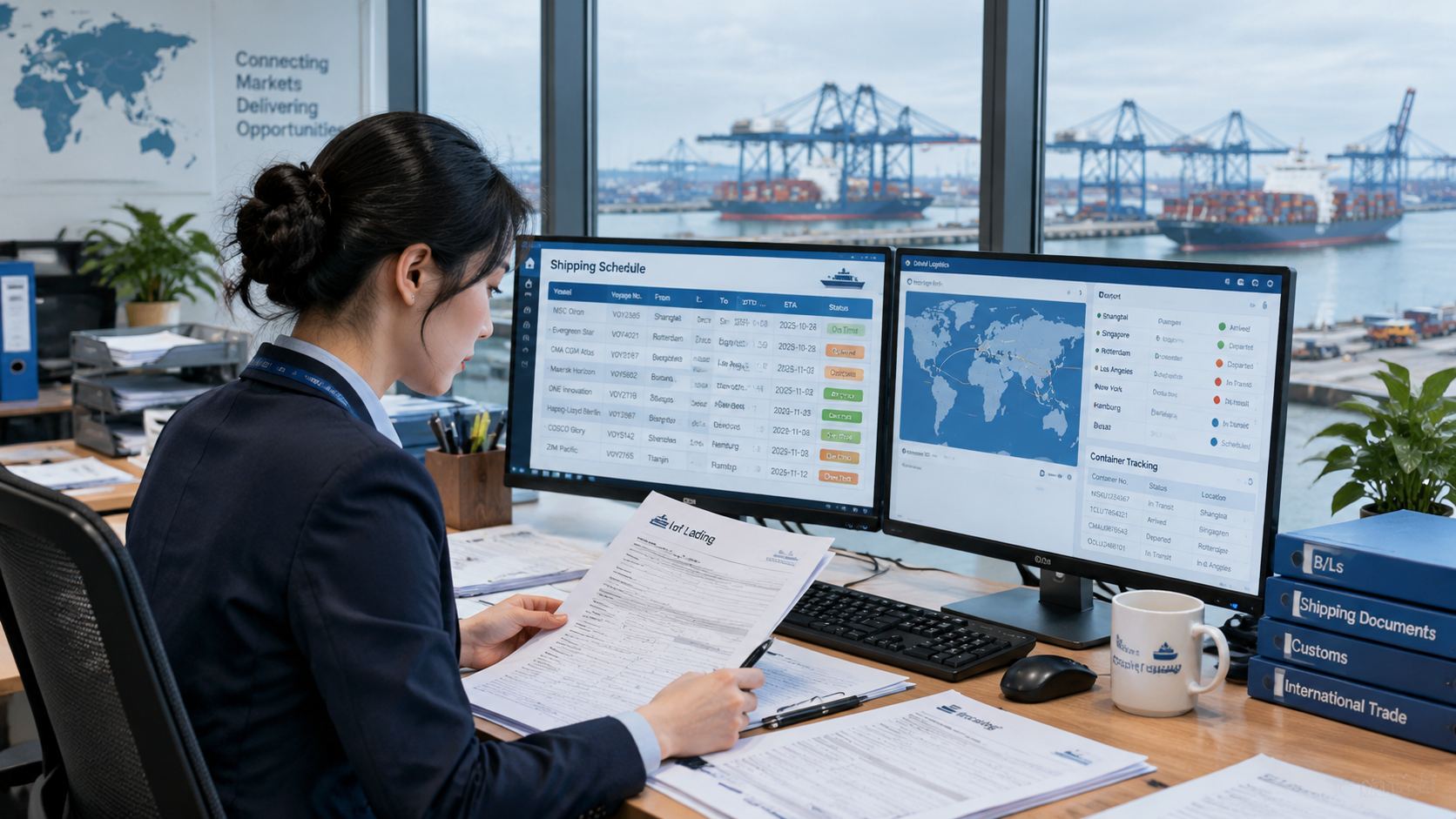
The named place should be recorded specifically in the sales agreement or shipping instructions. A city or general terminal name may not identify the exact receiving point, access gate, warehouse, or facility required for delivery. Where practical, the instructions should also identify the nominated carrier or receiving party, the contact person, opening hours, booking reference, and any appointment requirement that must be met.
After handoff, the parties should retain evidence that corresponds to the agreed delivery event. Depending on the shipment, that record may include a signed receipt, pickup record, collection reference, terminal acceptance document, or other confirmation from the receiving party. A transport booking alone may show that collection was scheduled, but it may not establish that the goods were actually delivered at the agreed location.
Operator check: Before dispatch, match the named place in the sales agreement against the carrier’s collection instructions and the shipping documents. Resolve any difference before the goods leave the seller’s control.
Common FCA Mistakes and Prevention Checks
The most consequential FCA mistakes usually involve an unclear delivery point or a mismatch between the commercial agreement and the actual collection plan. Both can create disputes about who should arrange transport, pay unexpected charges, or bear the loss when cargo is damaged or delayed.
Mistake 1: Naming only a city or broad destination. A vague handoff point can leave the seller and buyer with different expectations about the required delivery location. Specify the facility and receiving point, and confirm whether the location is the seller’s premises or another site. The parties should also agree on any transport needed to reach that site.
Mistake 2: Treating carrier booking as proof of delivery. A booking confirmation does not necessarily establish the completed FCA handoff. The seller should obtain the agreed receipt or acceptance evidence, while the buyer should verify that the receiving party and shipment details match the booking. If a claim arises, the parties can then establish the delivery event from the relevant records.
Operational teams should also check that the agreed loading procedure matches the named place. When collection takes place at the seller’s premises, the seller generally loads the buyer’s nominated vehicle. At another named place, the seller generally makes the shipment available on the arriving vehicle, ready for unloading. If either party expects a different arrangement, the written agreement should address it before the dispatch appointment.
Disclosure: This guide provides general logistics information and may refer to services relevant to the topic. Carrier terms, customs requirements, fees, service coverage, and operating conditions can change. Confirm current requirements and responsibilities before acting.
Key Takeaways
- Identify the exact named place before agreeing to FCA delivery terms.
- Confirm whether the seller must load the buyer’s vehicle or deliver the goods to another receiving location.
- Keep the seller’s delivery obligation separate from the buyer’s responsibility for onward carriage.
- Confirm export-clearance ownership, import-side arrangements, and the documents each party must provide.
- Assess insurance separately from the risk-transfer point and verify the actual policy coverage.
- Retain evidence of the completed handoff and resolve discrepancies before dispatch.
FCA Delivery Terms: Frequently Asked Questions
What does FCA mean in shipping?
FCA stands for Free Carrier. It describes an arrangement in which the seller delivers goods to a carrier or another person nominated by the buyer at a specified place. The agreed place and delivery conditions determine when delivery is complete and the risk passes to the buyer.
What do FCA delivery terms include?
The standard allocation covers the seller’s preparation and delivery of the goods to the named place, export clearance, and the buyer’s responsibility for arranging onward carriage. The parties should confirm loading, handling, costs, documentation, and any additional obligations in their written agreement.
Who pays the freight under FCA?
The seller generally pays the costs required to deliver the goods to the agreed handoff point. The buyer normally arranges and pays for the main carriage after delivery. Any initial transport to an off-site named place and any separately agreed services should be included in the parties’ cost allocation.
When does risk transfer under FCA?
Risk generally transfers when delivery is completed at the named place under the agreed conditions. At the seller’s premises, the seller normally completes delivery by loading the goods onto the buyer’s nominated vehicle. At another location, the goods are generally delivered on the seller’s arriving vehicle, ready for unloading and available to the nominated receiving party.
Who handles export and import customs clearance?
Under the standard FCA allocation, the seller handles export clearance and the buyer handles import clearance. The parties should confirm the applicable destination and origin requirements, the responsible exporter and importer, broker appointments, and the information needed for each filing.
Does FCA require the seller to load the goods?
The standard loading responsibility depends on the named place. At the seller’s premises, the seller generally loads the buyer’s nominated vehicle. At another named place, the seller generally delivers the goods on its arriving vehicle, ready for unloading, rather than unloading them from that vehicle. Confirm any different arrangement in writing.
Does the buyer need cargo insurance under FCA?
FCA does not by itself confirm that cargo insurance has been purchased. Because the buyer generally bears the risk after delivery, the buyer should assess the exposure and arrange appropriate coverage when needed. The parties should also check any separate insurance commitment and the policy’s exclusions, limits, and claim conditions.
Is FCA suitable for containerized or multimodal shipping?
FCA can be suitable for containerized cargo and shipments involving different transport modes. The key considerations are the nominated receiving party, the named handoff location, the delivery conditions, and the onward booking. For cargo delivered to a terminal before the main carriage, confirm that the agreed location and receipt process accurately reflect the intended handoff.
Disclaimer: This article is general informational guidance, not a binding quotation, legal opinion, customs ruling, carrier commitment, or delivery guarantee. Requirements, charges, service terms, and responsibilities can vary by route, cargo, contract, carrier, and jurisdiction. Confirm current requirements before booking or filing.