How Much Does It Cost to Ship a 40ft Container?
The cost of shipping a 40ft container from China to the USA depends on the origin port, US destination, container type, booking date, and services included in the quotation. A route-specific price range helps you plan a budget, but it does not establish the amount your shipment will ultimately require. Ocean freight, origin handling, destination services, and delivery to your warehouse may follow different pricing arrangements.
For a dated market reference, Drewry’s October 15, 2026, World Container Index assessment reported US$7,884 per 40ft container from Shanghai to Los Angeles and US$10,075 from Shanghai to New York. These are port-pair spot-market benchmarks, not guaranteed booking prices or complete door-to-door totals.
Use the figures as market context, then request an itemized quotation for your actual cargo and delivery point. The sections below compare indicative route prices, alternative transport methods, transit-time assumptions, and the additional services that can change your shipping container costs.
40ft Container Shipping Rates from China to the USA by Route
The following Yantian-to-Los Angeles figures are indicative planning inputs. Their original quotation date, provider, carrier, and included services have not been independently established, so they should not be represented as verified current market averages. The transit times are planning estimates rather than guaranteed delivery commitments.
| Shipping route | Container type | Indicative price | Transit estimate |
|---|---|---|---|
| Yantian, China, to Los Angeles, USA | FCL 20GP | US$6,156–US$7,416 per container | 12–18 days |
| Yantian, China, to Los Angeles, USA | FCL 40GP | US$7,695–US$9,972 per container | 12–18 days |
| Yantian, China, to Los Angeles, USA | FCL 40HQ | US$7,695–US$10,197 per container | 12–18 days |
A separately published sailing provides a useful comparison with these unverified ranges. Skypace displayed a Yantian-to-Los Angeles 40ft high-cube sailing departing October 22, 2026, with ocean freight of US$8,814, separately listed origin terminal charges of US$227, destination terminal charges of US$40, and a stated transit time of 16 days. The displayed rate validity extended through October 31, 2026. These details describe a specific sailing, not a guaranteed offer for another shipment or an all-in delivery price.
Sources: Drewry World Container Index, October 15, 2026 assessment, for the Shanghai route benchmarks; and Skypace’s Yantian-to-Los Angeles rate page, for its published sailing details. Provider rates, assessment dates, route coverage, validity, and included services should be checked against the actual booking.
A 40GP is a standard 40ft container, while a 40HQ is a 40ft high-cube container. The latter provides additional internal height, but cargo dimensions, loading requirements, equipment availability, and the actual carrier quotation determine which option fits the shipment. Do not assume the two equipment types carry identical rates or that the high-cube option is always more expensive.
Before using any route range for purchasing approval, ask the forwarder to confirm the currency, exact route, equipment specification, quotation date, validity conditions, and included charges. Also establish whether the transit estimate covers the port-to-port movement or a broader service that includes origin pickup and final delivery.
Alternative Shipping Methods and Their Costs
A dedicated 40ft container is not the only way to move cargo from China to the USA. LCL, air freight, express transportation, and sea-plus-rail arrangements use different charge bases and delivery processes. The figures below are indicative planning inputs rather than independently verified current offers. Confirm the provider, rate date, route, and included services before using them for budgeting.
| Route | Shipping method | Indicative price | Transit estimate |
|---|---|---|---|
| China to USA | LCL | US$94.50–US$117 per CBM | 25–45 days |
| Shanghai, China, to Los Angeles, USA | Air freight | US$5.85–US$8.10 per kg | 3–6 days |
| China to USA | Express | US$16.66–US$22.87 per kg | 2–7 days |
| Shanghai, China, to Chicago, USA | Sea plus US rail, FCL 40HQ | US$2,880–US$4,680 per container; unverified planning input | 22–35 days; schedule confirmation required |
Do not compare these figures as if they measure the same service. LCL is commonly quoted by chargeable volume, while air freight and express services generally use chargeable weight. FCL uses a container-based quotation. The applicable minimums, handling arrangements, and shipment details must be verified with the provider.
The sea-plus-rail figure requires particular caution. Its original rate date, provider, and coverage have not been established, and the amount has not been independently verified. A valid comparison must confirm whether it covers ocean transportation, US rail transportation, terminal handling, and any onward delivery. The stated transit period must also be checked against the proposed route and schedule.
For time-sensitive or high-value cargo, review the air freight service options against the required delivery date and actual chargeable weight. A provider can confirm the available routing and handling scope, but a general transit estimate does not guarantee final delivery.
For smaller, urgent shipments, the express shipping options may simplify pickup and delivery coordination. Confirm the shipment-size limits, chargeable-weight basis, destination coverage, and included services before comparing express with air freight.
If sea-plus-rail transportation is under consideration, review the rail freight options and request a route-specific quotation. The provider must identify the exact rail leg, the ocean connection, the destination handoff, and any services left outside the quoted scope.
How to Calculate the Total Cost of a 40ft Container Shipment
Build the logistics budget from the services required to move the cargo from its starting point to the agreed delivery location. Do not add a separate amount for a service that another line already includes. Likewise, do not treat an unquoted item as zero simply because it does not appear in the headline freight amount.
| Cost component | What to verify | Budget treatment |
|---|---|---|
| Ocean freight | Origin and destination ports, equipment, route, booking conditions | Use the confirmed ocean-freight amount |
| Origin services | Pickup, origin handling, documentation, and any quoted local work | Add services not already included |
| Destination services | Terminal handling, destination agent work, and other local services | Confirm exclusions and pending items |
| Customs brokerage | Broker coordination, entry-filing scope, and required documents | Separate service fees from government amounts |
| Inland delivery | Trucking, drayage, appointment, unloading, and container return | Use the confirmed delivery scope |
| Optional or conditional services | Insurance, special handling, storage, waiting, or rebooking | Identify selected services and trigger conditions |
| Duties and taxes | Applicable import requirements and payment responsibility | Keep separate unless explicitly covered |
The logistics total should reflect the applicable quoted services without double-counting bundled items. Import duties and taxes require a separate assessment unless an agreed arrangement expressly includes them and identifies the payment responsibility. The importer should confirm the relevant requirements with the appropriate customs professional before approving the full shipment budget.
When the forwarder combines multiple services into one amount, ask for the items covered by that amount. When a service is excluded or pending, identify the party that will supply it and the next point at which its scope can be confirmed. This approach turns a collection of freight estimates into an actionable budget.
Budget approval check: Every required movement should have a confirmed service provider, an understood pricing basis, and a clear status. Mark services as included, excluded, pending, or not applicable before calculating the approved logistics total.
What Affects China-to-USA Container Shipping Costs?
Different quotations can produce different totals because they may cover different transport arrangements. Review the factors below against the same cargo and delivery requirement before deciding which amount represents the better fit.
Origin and destination ports. A Shanghai-to-Los Angeles benchmark is not interchangeable with a Yantian-to-Los Angeles quotation or a shipment routed through another US gateway. Confirm the exact port pair and any inland transport required to reach the final destination. Compare quotes for the intended route rather than applying a general China-to-USA figure to every shipment.
Container equipment and cargo dimensions. The supplier must provide accurate dimensions, weight, packing details, and loading requirements. The forwarder can then confirm the suitable equipment. A 40GP and a 40HQ may meet different cargo requirements, and their actual quoted rates may differ. Do not select a container type using price alone if it cannot accommodate the shipment.
Booking period and cargo readiness. The quoted service depends on the shipment timing and the conditions offered by the provider. If cargo readiness changes, the forwarding desk should recheck the booking arrangement and quotation validity. Ask which details remain subject to confirmation instead of assuming that a previously discussed service remains available on the original conditions.
Origin pickup and handling. The supplier’s location, loading arrangements, pickup window, and site access affect the work required before the container reaches the port. Confirm who loads the cargo, who arranges the truck, and whether origin services are included. If the collection point or loading plan changes, ask the forwarder to review the affected scope.
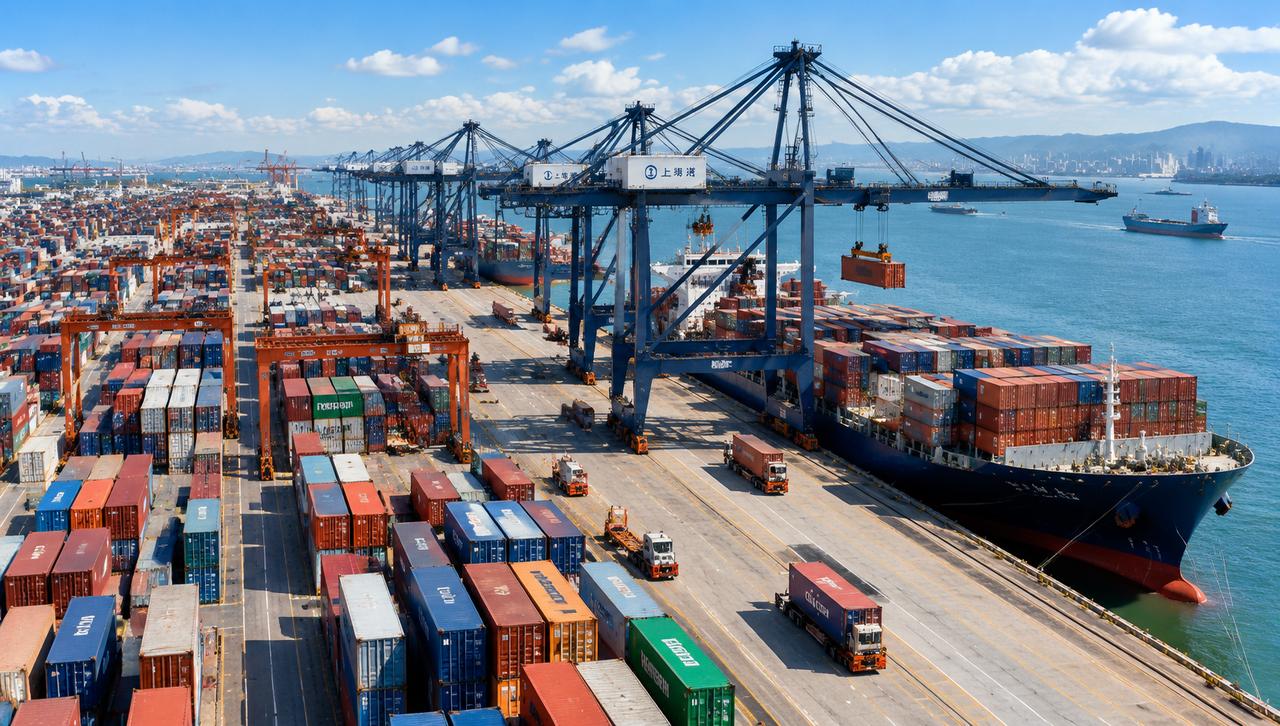
Destination delivery. The final address can require additional trucking and coordination after the container reaches the US port. The receiving facility should confirm access, operating hours, appointments, unloading arrangements, and container return expectations. The inland trucking and drayage arrangements should reflect the actual address and operating conditions.
Special cargo requirements. Unusual dimensions, handling restrictions, or other cargo-specific needs may affect the suitable equipment and transport plan. Disclose these requirements before booking. The forwarder must confirm whether the proposed service can accommodate the cargo and whether a different arrangement requires a separate quotation.
What Is Included in a Shipping Quote?
An accurate quote identifies the work included at each stage and the party expected to perform it. A forwarder may coordinate several providers without personally carrying out every activity, so each handoff needs to be clear.
Origin pickup and transportation. The supplier confirms cargo readiness, the pickup address, loading arrangements, and site access. The forwarder confirms which origin services are included and identifies any open booking conditions. Ask whether the quotation begins at the supplier’s premises, an origin warehouse, or the export port.
Ocean freight and destination handling. The forwarding desk should identify the route, container specification, and included main transport services. The destination agent or carrier can confirm relevant local handling items. Ask for a clear description of the destination handoff so your team knows whether additional transport and coordination remain to be arranged.
Customs brokerage and import coordination. The importer should identify who provides shipment documents, who coordinates with the selected broker, and who responds to requests for additional information. Confirm the precise entry-related work included in the quote. The US customs brokerage and entry-filing options are relevant when your shipment requires that support.
If the shipment requires broader import assistance, clarify which coordination tasks the forwarder will handle and which remain with your business or another provider. The import coordination options can help frame that discussion, but the written quotation must still define its actual scope.
Insurance and additional work. The cargo owner should determine whether separate insurance is needed and confirm the intended transit coverage, applicable terms, and exclusions with the relevant provider. Review the cargo insurance options separately unless the quotation explicitly states that coverage is included.
Final delivery and container return. The receiving team provides the complete delivery address, access requirements, receiving hours, appointment process, and unloading arrangements. The trucking provider then confirms whether the delivery plan is workable. The quote should also identify who coordinates container return and which conditions could require extra work.
Note: A freight quote is tied to the cargo, handoffs, route, service level, timing, and destination work stated in it. Carrier and handling conditions can change. Align the scope first, then request confirmation for the specific shipment.
Port-to-Port vs. Door-to-Door Shipping Costs
Port-to-port and door-to-door quotations describe different potential service scopes. The appropriate comparison depends on which transport stages your team can arrange independently and which stages the forwarder must coordinate.
Port-to-port shipping. This option may suit an importer that already manages destination handling and inland transportation through established providers. The importer must still confirm who collects the container, manages the destination handoff, and delivers the cargo. A port-to-port amount is not a complete warehouse-delivery budget when those arrangements remain outstanding.
Door-to-door shipping. This option covers a broader movement between named pickup and delivery points when the quoted services expressly include those stages. Ask whether origin pickup, main transport, destination handling, import coordination, inland trucking, delivery appointments, and container return are covered. Review the door-to-door shipping arrangements against the actual addresses and delivery requirements.
How to make the comparison. Use the same cargo details, container specification, origin, destination, booking assumptions, and required endpoint for both options. Identify each service left out of the port-to-port offer, then obtain a quotation for the missing work. Compare the resulting scope with the door-to-door offer only after the receiving team confirms that the delivery arrangement meets its requirements.
Decision checkpoint: Name the party responsible for every handoff after the container arrives at the US port. If your team cannot confirm who arranges destination handling, inland transportation, and delivery acceptance, the service comparison is incomplete.
Extra Shipping Costs to Check Before Booking
A quote can require revision when the actual shipment differs from the details or service conditions used to prepare it. Identify the triggering event, confirm the relevant conditions with the provider, and review the affected scope before releasing the shipment for booking.
Changed cargo-ready date. A supplier delay may affect the planned booking or transport arrangement. Tell the forwarder as soon as the readiness date changes and ask which quotation conditions still apply. The forwarding desk should identify the affected services and confirm any revised booking plan in writing.
Incomplete addresses or loading details. An incorrect pickup address, unsuitable loading plan, or undisclosed site restriction may require different origin arrangements. The supplier must correct the cargo and collection information. The forwarder should then reassess the work required rather than assume the original pickup scope remains suitable.
Missing destination services. A quote that ends at the port may leave the importer to arrange local handling and inland transport. Confirm these services before approval. If no party has accepted responsibility for the next handoff, the delivery plan is incomplete even when the main ocean service has been quoted.
Storage, waiting, or rebooking. A missed appointment, unavailable receiving staff, delayed loading, or changed booking may lead to additional coordination or charges. Ask the relevant provider which conditions could trigger them and how changes will be communicated. Do not assume that the quote covers an event unless the stated conditions support that conclusion.
Equipment mismatch. If the container cannot accommodate the actual cargo or its handling requirements, the forwarder may need to reassess the equipment and shipment plan. The supplier should provide accurate cargo details before the rate and transport arrangement are approved.
Common mistake: Treating an ocean-freight benchmark as a complete cost for delivering a container to a US warehouse. A route-specific benchmark does not establish whether origin services, destination handling, customs brokerage, inland delivery, insurance, or conditional services are included.
Delivery risk: If the receiving facility requires an appointment, restricts truck access, or specifies an unloading method, do not finalize the delivery arrangement until the receiving team and trucking provider confirm that the plan will work.

How to Request an Itemized Shipping Quote
Prepare the information in a sequence that lets the forwarding desk verify the cargo, transport route, and final handoffs. Each party should confirm the details it controls rather than leaving assumptions for the booking stage.
Confirm cargo and pickup details
The supplier provides the commodity description, packing configuration, dimensions where relevant, total weight, equipment requirement, cargo-ready date, pickup address, and loading arrangements. The forwarder checks the equipment assumption and the proposed origin services. Any cargo restriction should be resolved before the service is approved.
Define the route and delivery scope
The importer identifies the required ports, container type, booking window, and final delivery point. The forwarding desk confirms the proposed route, service level, quotation validity, included work, and outstanding booking conditions. Every option under comparison should use the same shipment facts.
Confirm destination work and exclusions
The receiving team supplies delivery hours, appointment requirements, unloading arrangements, and site restrictions. The importer identifies the party responsible for customs documentation and any requested insurance. The forwarder then provides an itemized scope that identifies exclusions and the next action needed to confirm them.
Ask the quote desk to distinguish ocean freight from origin services, destination work, brokerage, and inland transportation. Request the quotation date, validity conditions, currency, included services, exclusions, and any event that would trigger a revision. This record gives purchasing and logistics teams a common basis for approval.
Recommended Approach to Comparing 40ft Container Quotes
Start with a dated market benchmark for the main ocean leg, then obtain shipment-specific quotations for the actual ports, container, cargo-ready date, and required delivery point. If a dedicated 40ft container is necessary, compare FCL offers that use the same equipment and service scope. Confirm origin and destination work separately wherever the main quote does not include it.
Keep port-based and door-to-door offers distinct until your team has identified and priced any missing services. A port-based offer may fit an importer that already controls destination transportation. A broader coordinated service may better fit an importer that needs the forwarder to arrange more of the movement. Neither option is universally cheaper for every cargo and destination.
Illustrative example (not a customer case): An importer receives one quote for a specified port-to-port movement and another that includes additional inland delivery and an appointment arrangement. The importer identifies the work absent from the first offer, requests the corresponding service details, and compares the completed scopes. The team approves an option only after the receiving facility confirms that it can accept the delivery under the proposed arrangement.
Before booking, ask the forwarder to restate the approved route, equipment, included work, exclusions, and outstanding conditions in writing. If the cargo information or delivery requirement changes, request a revised quotation instead of relying on the earlier assumptions.
Key Takeaways
Verify the reference. Check the source, assessment date, route, equipment, and validity before treating an indicative figure as a usable market benchmark.
Build an itemized budget. Separate ocean freight, origin services, destination handling, inland delivery, optional services, and applicable import amounts.
Match the delivery scope. Compare identical shipment details and endpoints before deciding which quotation meets the requirement.
Assign every handoff. Confirm who coordinates destination services, customs brokerage, delivery appointments, and container return.
Recheck material changes. Ask the forwarder to review the scope when cargo readiness, equipment, routing, or receiving conditions change.
FAQ
How much does it cost to ship a 40ft container from China to the USA?
The amount depends on the origin port, US destination, equipment type, booking conditions, and required services. A published market benchmark provides context but does not establish the amount for a specific shipment. Obtain a written quotation using the actual cargo details and delivery point, and confirm which services the provider has included.
What is the difference between 40GP and 40HQ containers?
A 40GP is a standard 40ft container, while a 40HQ is a high-cube container with additional internal height. The appropriate choice depends on cargo dimensions, packing requirements, loading arrangements, and equipment availability. Ask the forwarder to confirm which specification fits the shipment rather than selecting equipment solely on its quoted amount.
Why do China-to-USA shipping quotations differ?
Providers may quote different port pairs, equipment, booking periods, service levels, and handoffs. One quotation may cover the main ocean movement, while another includes additional origin or destination work. Review the scope line by line and ask each provider to identify any unconfirmed services before deciding whether the quotations are genuinely comparable.
Does door-to-door shipping include every stage of the shipment?
Not automatically. The description refers to a broader movement between named pickup and delivery points, but the written quotation determines the actual scope. Confirm origin pickup, ocean transportation, destination handling, import coordination, inland delivery, appointments, and container return. Ask the provider to list any stage that remains outside the agreed service.
How long does a container shipment from China to the USA take?
The journey depends on the route, transport mode, booking arrangement, and service endpoint. Published transit estimates may describe only the main transport leg rather than the complete journey to the receiving facility. Ask the forwarder to identify the timing basis, explain any excluded stages, and confirm which parts of the proposed schedule remain subject to change.
Are customs brokerage and import duties part of the freight service?
Their treatment depends on the quotation and the agreed arrangements. Customs brokerage is a service, while duties and taxes are separate import-related amounts. The importer should identify who supplies the documents, who coordinates with the broker, and who confirms applicable import requirements. Keep any unresolved import items separate from the transportation scope.
What information should I prepare before requesting a container quotation?
Prepare the commodity description, packing details, total weight, relevant dimensions, container specification, cargo-ready date, pickup location, origin and destination ports, and final delivery address. Include receiving hours, access restrictions, and any special handling requirements. The forwarder can use these details to check the proposed route and identify any missing operational information.
Disclaimer: This page is general quote-planning guidance, not a binding quotation or delivery commitment. Actual charges and handoffs depend on the cargo, route, timing, provider confirmation, and destination conditions. Where duties, customs, tax, insurance, or contract questions apply, confirm them with the relevant party before booking.