
China Shipping Agent 2026: The Ultimate Guide to Logistics Success
Navigating the complexities of international trade requires a reliable China Ship Net to ensure your goods arrive safely and on time. As global markets evolve, businesses must adapt to new logistics trends and fluctuating freight rates. This guide provides comprehensive insights into optimizing your supply chain with a China shipping agent 2026 for the upcoming year.
Why You Need a Professional China Shipping Agent 2026
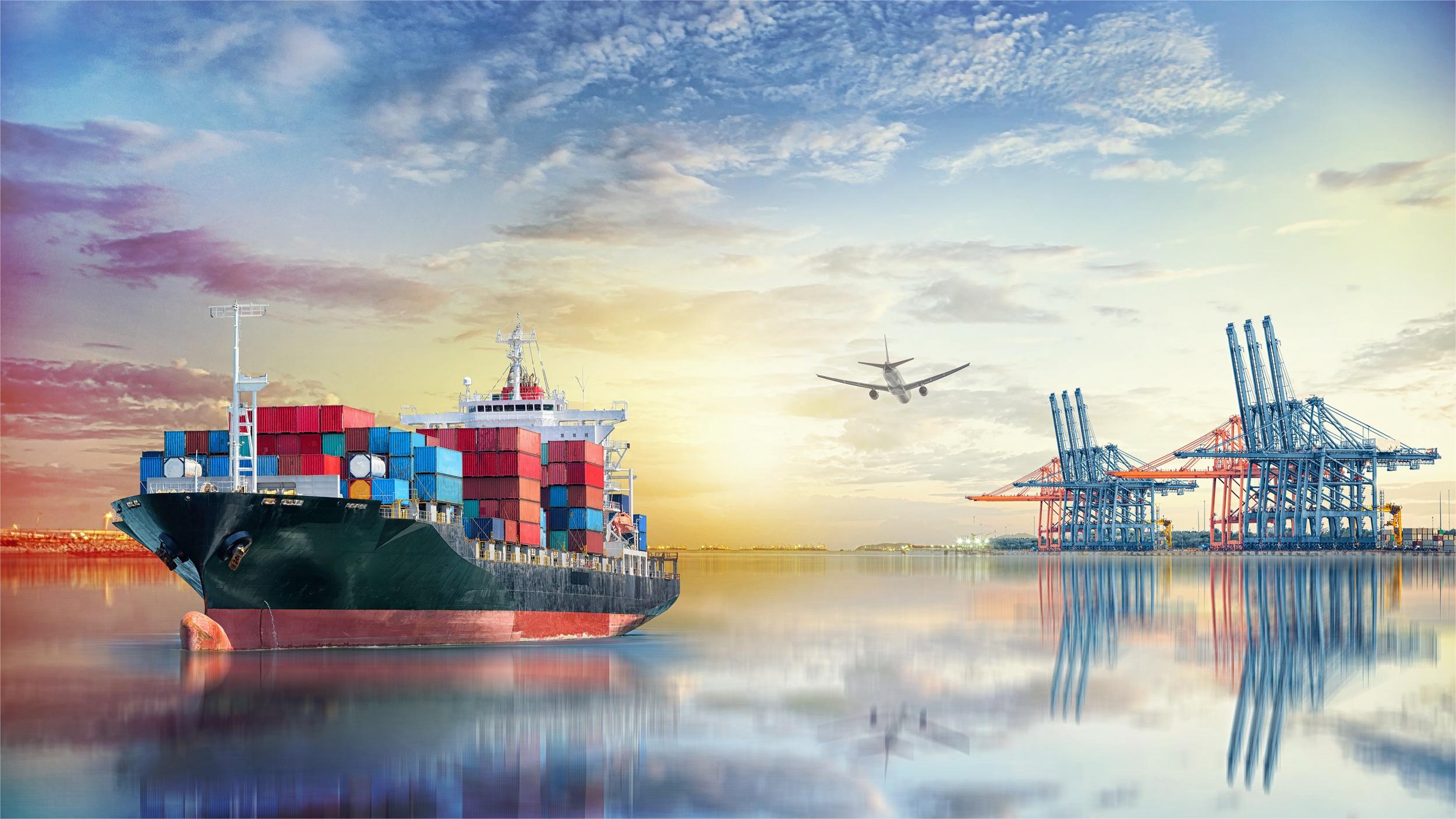
Choosing a professional China shipping agent 2026 is essential for managing the rising complexities of global trade. Consequently, importers can focus on their core business while experts handle the intricacies of cargo handling and transit time analysis.
Moreover, a dedicated agent provides localized expertise that helps navigate changing regulations in various Chinese ports. Therefore, you can avoid common pitfalls that lead to expensive delays and storage fees.
Additionally, these professionals leverage established relationships with major carriers to secure competitive freight rates. Indeed, having a partner on the ground in China ensures better communication with suppliers and more accurate delivery schedules.
How Does Sea Freight Compare to Other Shipping Options?
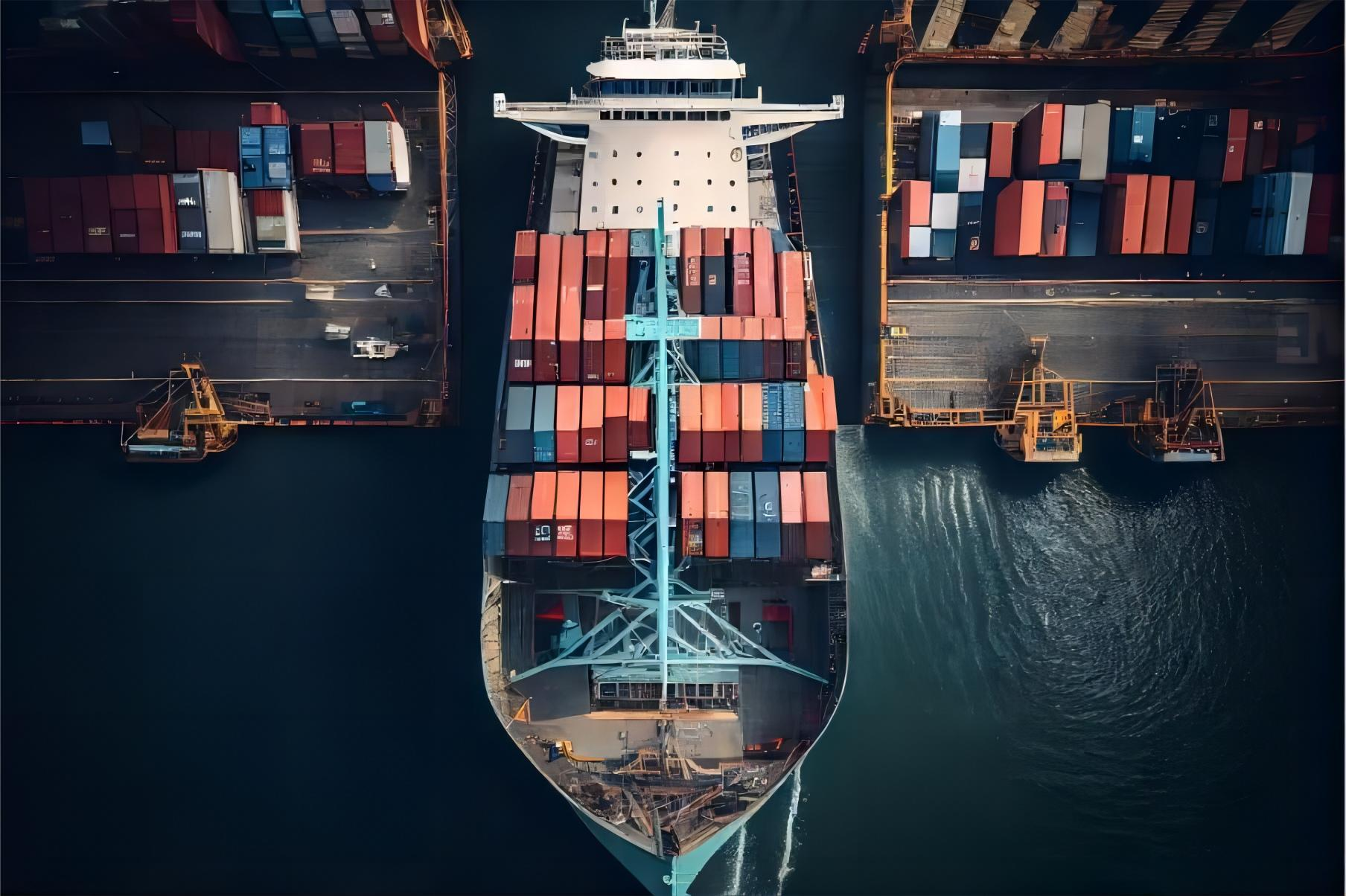
When planning your logistics, understanding how sea freight compares to other modes is critical for cost management. Specifically, ocean transport remains the most economical choice for high-volume shipments and bulky goods.
However, the trade-off for lower costs is significantly longer transit times compared to air or rail options. In addition, sea freight is more susceptible to weather disruptions and port congestion, which requires careful planning.
For shipments exceeding 15 cubic meters, sea freight usually offers the best value per unit. On the other hand, smaller shipments might benefit from different methods depending on the urgency of the delivery.
| Shipping Method | Cost Range | Transit Time | Best For |
|---|---|---|---|
| Sea Freight | $1,500 – $4,500 | 20 – 45 Days | Bulk Goods |
| Air Freight | $5 – $12 per kg | 3 – 7 Days | Urgent Cargo |
| Rail Freight | $2,000 – $3,500 | 15 – 22 Days | Mid-range Budget |
| Express | $8 – $20 per kg | 2 – 5 Days | Small Samples |
Which Option Should You Choose for Your 2026 Shipments?
Deciding on the right shipping method depends on your budget, cargo type, and required delivery speed. If your priority is cost-saving, sea freight is the clear winner for large volumes.
Furthermore, businesses with tight deadlines should prioritize speed and reliability, making air freight the preferred choice. In contrast, those seeking a balance between speed and cost often find rail freight to be an ideal middle ground.
Meanwhile, small parcels and high-value items are best handled through express services. Without a doubt, evaluating your specific needs against these criteria will help you select the most efficient logistics path.
The Strategic Role of Rail Freight in 2026 Logistics
The expansion of the Silk Road has made rail freight a highly attractive option for shipments to Central Asia and Europe. Consequently, it has become a staple for businesses looking to bridge the gap between slow sea routes and expensive air transport.
Furthermore, rail transport is generally more environmentally friendly than air freight, aligning with modern sustainability goals. Therefore, many companies are shifting their mid-priority cargo to rail to reduce their carbon footprint.
Nevertheless, rail routes are specific to land-based destinations and are not available for island nations like Australia. Accordingly, it is vital to verify route availability with your China shipping agent 2026 before finalizing your logistics plan.
Optimizing Speed with Air Freight and Express Service
When time is of the essence, utilizing air freight ensures your products reach the market ahead of the competition. For example, seasonal products or high-demand electronics often require the rapid turnaround that only air transport can provide.
Additionally, express service offers the ultimate convenience by providing end-to-end tracking and expedited customs clearance. As a result, this method is perfect for e-commerce sellers who need to maintain low inventory levels.
Indeed, while the costs are higher, the reduction in lead time can significantly improve cash flow and customer satisfaction. However, you must accurately calculate the dimensional weight to avoid unexpected surcharges during the shipping process.
Streamlining Operations with Customs Brokerage and Door to Door Solutions
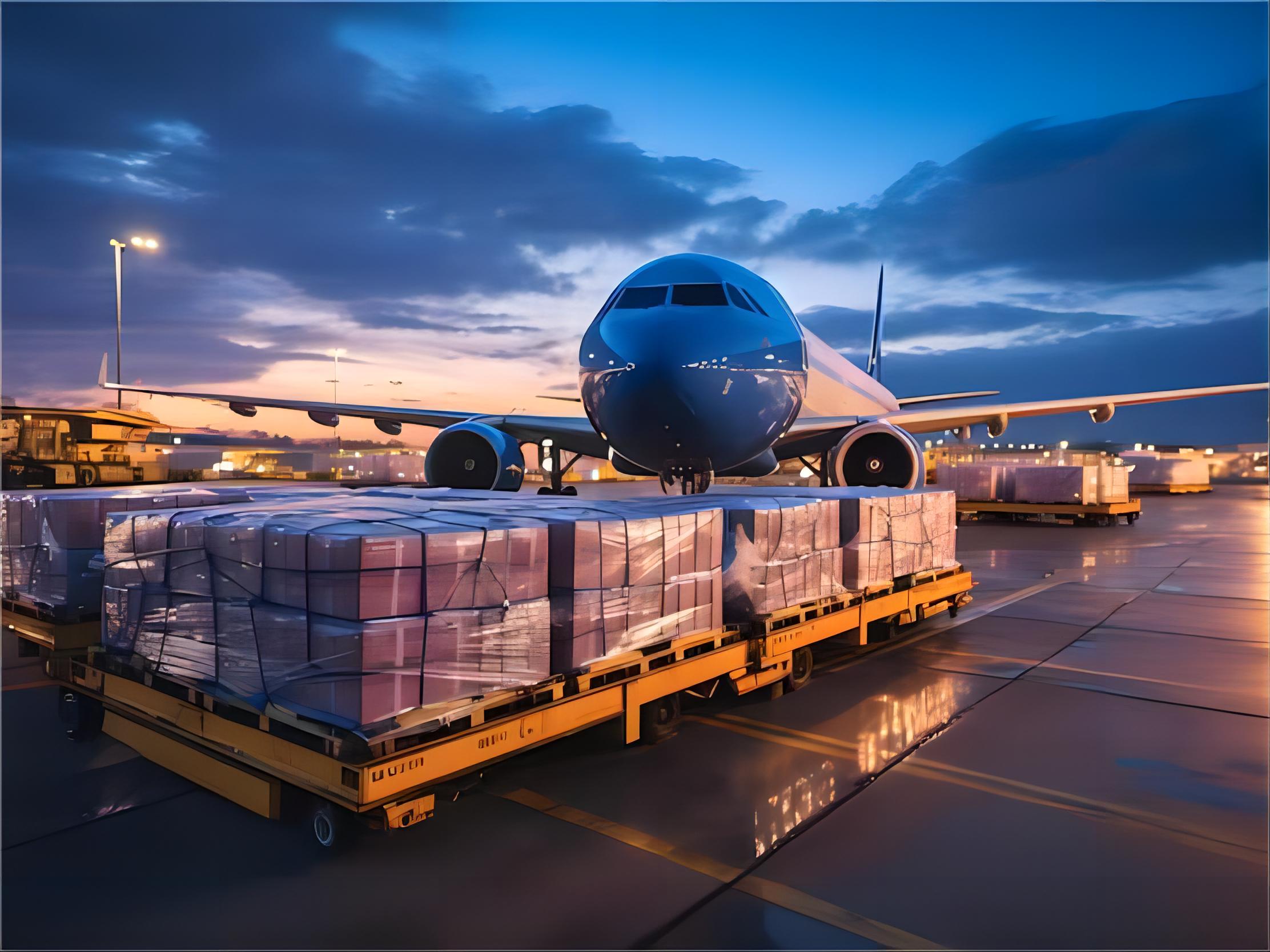
Navigating the legal requirements of international trade is simplified when you utilize professional customs brokerage services. Specifically, these experts ensure that all documentation is accurate and compliant with the latest 2026 regulations.
Moreover, choosing a door to door service eliminates the hassle of coordinating multiple transport providers. Consequently, your China shipping agent 2026 manages the entire journey from the factory floor to your final warehouse location.
This integrated approach reduces the risk of communication errors and ensures a smoother transition between different stages of the supply chain. In addition, it often results in more predictable pricing as all fees are bundled into a single quote.
Shipping from China to Global Markets
Logistics for North America
Shipping to North America involves navigating major ports like Los Angeles, New York, and Savannah. As a result, transit times can vary significantly depending on whether you choose West Coast or East Coast discharge points.
Furthermore, rail and trucking connections are vital for moving goods from the coast to inland destinations. Therefore, a comprehensive logistics strategy must include local drayage and intermodal transport options.
Reaching European Markets
For businesses targeting Europe, the choice between sea, rail, and air depends heavily on the destination country. For instance, northern ports like Rotterdam and Hamburg offer excellent connectivity to the rest of the continent.
Additionally, the rail connection from China to Europe remains a popular alternative for landlocked countries. Consequently, balancing these modes allows for a more flexible and resilient supply chain.
Shipping to Australia
When exporting to Australia, sea freight is the dominant mode due to the geographical location. Indeed, direct routes from major Chinese ports to Sydney and Melbourne offer relatively fast transit times for ocean transport.
However, strict biosecurity and customs regulations in Australia require meticulous documentation and cargo preparation. Accordingly, working with an experienced agent is crucial to avoid quarantine delays and additional inspection fees.
Real-World Shipping Case Studies
Reviewing real-world examples helps illustrate the practical application of different shipping strategies. These cases highlight the costs and timelines associated with various cargo types and destinations as of early 2025.
Case Study 1: Electronics from Shenzhen to Los Angeles. Cargo: Consumer electronics, 68 CBM, 15,000 kg. Container: 40HQ. Shipping Method: Sea Freight (Direct). Carrier: Major carrier. Port of Loading: Shenzhen. Port of Discharge: Los Angeles. Ocean Freight: $3,200. Origin Charges: $450. Destination Charges: $600. Customs and Duties: $1,200. Total Landed Cost: $5,450. Timeline: Booking to Loading: 4 days. Sea Transit: 16 days. Customs Clearance: 3 days. Total Door-to-Door: 23 days. Key Insight: Early booking during Q1 avoided the peak season surcharge.
Case Study 2: Furniture from Ningbo to Hamburg. Cargo: Flat-pack furniture, 12 CBM, 4,000 kg. Container: LCL. Shipping Method: Sea Freight. Carrier: Major carrier. Port of Loading: Ningbo. Port of Discharge: Hamburg. Ocean Freight: $960. Origin Charges: $200. Destination Charges: $350. Customs and Duties: $800. Total Landed Cost: $2,310. Timeline: Booking to Loading: 5 days. Sea Transit: 32 days. Customs Clearance: 4 days. Total Door-to-Door: 41 days. Key Insight: Consolidating multiple LCL shipments saved 15 percent on total costs.
Case Study 3: Machinery from Shanghai to Sydney. Cargo: Industrial parts, 2,500 kg. Container: Air Freight. Shipping Method: Air Freight. Carrier: Major airline. Port of Loading: Shanghai. Port of Discharge: Sydney. Air Freight: $18,500. Origin Charges: $300. Destination Charges: $400. Customs and Duties: $2,500. Total Landed Cost: $21,700. Timeline: Booking to Loading: 2 days. Air Transit: 2 days. Customs Clearance: 2 days. Total Door-to-Door: 6 days. Key Insight: Urgent replacement parts justified the high cost of air freight to prevent factory downtime.
Essential Customs Documents Checklist
Proper documentation is the backbone of successful international shipping. Without a doubt, missing or incorrect paperwork is the leading cause of customs delays and fines.
Consequently, you should work closely with your agent to ensure every document is prepared according to the specific requirements of the destination country. Below is a list of the most critical documents needed for most shipments.
| Document Name | Purpose | Required By |
|---|---|---|
| Commercial Invoice | Value Declaration | Customs |
| Packing List | Content Verification | Warehouse/Customs |
| Bill of Lading | Title of Goods | Carrier/Bank |
| Certificate of Origin | Trade Agreement Proof | Customs |
Mastering Your Logistics Strategy for 2026
To summarize, successfully navigating the global trade landscape requires a proactive approach and a reliable China shipping agent 2026. By understanding the differences between sea, air, and rail freight, you can make informed decisions that balance cost and speed.
Furthermore, leveraging professional services like customs brokerage and door-to-door delivery will significantly reduce your operational burden. As market conditions continue to shift, staying informed about logistics trends and maintaining a flexible supply chain will be your greatest competitive advantage.
Note: Freight rates are subject to change based on fuel costs, carrier capacity, and seasonal demand. Contact us for a current quote tailored to your specific shipment.

Ready to streamline your logistics?
Ready to streamline your logistics for the coming year? Contact our expert team today to get a customized quote for your China shipping agent 2026 requirements and ensure your cargo arrives on time. Visit our website to learn more about our comprehensive freight services. Visit https://chinashipnet.com/contact-us/
Request Quote