Canada freight forwarding coordinates commercial cargo moving into Canada by matching the shipment with suitable transportation, handling, documentation, and delivery arrangements. For businesses shipping from China to Canada, the main decision is not simply whether to choose ocean or air freight. The right option depends on cargo volume, packed dimensions, gross weight, the cargo-ready date, the delivery deadline, and the full service scope.
Before booking, compare available transport modes using identical shipment details and delivery requirements. Review freight charges separately from customs brokerage, duties, taxes, insurance, and final delivery. A quotation may cover several of these services, but its written scope determines what the price includes. Commercial importers should also prepare their Canadian import accounts, cargo information, and required customs authorizations before dispatch, rather than treating customs clearance as a task to resolve only when the shipment arrives.
What Canada Freight Forwarding Includes
A freight forwarder arranges the transportation stages specified in the service agreement and coordinates handoffs among the shipper, carriers, terminals, customs service providers, and consignee. Depending on the booking, the service may include origin pickup, export handling, consolidation, international transportation, destination handling, and inland delivery.
The main limitation is that a freight quote does not automatically cover every activity required to complete an import. A port-to-port rate may exclude pickup, destination handling, customs brokerage, duties, taxes, storage, and delivery to the final address. A door-to-door arrangement can coordinate a wider portion of the journey, but the quotation must still identify its inclusions, exclusions, and responsibility boundaries.
Choose a service scope that matches the actual receiving requirements. A business shipping to a warehouse may need a different delivery arrangement from a consignee requiring a scheduled appointment, special unloading equipment, or restricted-access delivery. Where several inbound stages need coordination, an import service arrangement may be worth evaluating against a shipment-specific list of included tasks and charges.
Compare Transport Modes and Pricing Methods
The best transport option balances cargo characteristics, urgency, route availability, handling requirements, and total delivery cost. Use the following comparison to identify which services to request in a quotation. These are general pricing patterns, not fixed tariffs or guaranteed delivery outcomes.
| Mode | Common use | Typical pricing basis | Key costs to verify |
|---|---|---|---|
| Ocean FCL | Cargo using a dedicated container | Rate per container and service scope | Origin handling, ocean freight, destination charges, inland delivery, and applicable surcharges |
| Ocean LCL | Cargo sharing container space | Chargeable volume or weight under the applicable tariff | Consolidation, deconsolidation, terminal handling, documentation, and destination fees |
| Air freight | Time-sensitive commercial shipments | Chargeable weight under applicable rating rules | Origin and destination handling, fuel surcharges, brokerage, and final delivery |
| Express shipping | Eligible small, urgent consignments | Chargeable weight or parcel-based pricing | Service charges, customs handling, delivery scope, and exclusions |
| Rail freight | Routes with suitable rail connections | Route-specific transport and handling charges | Terminal handling, intermodal transfers, and connecting road transport |
| Trucking | Inland pickup, delivery, and suitable cross-border movements | Distance, cargo specifications, equipment, and route | Fuel surcharges, tolls, special equipment, access restrictions, and border-related services |
Ocean freight: Compare FCL and LCL
Full Container Load (FCL) and Less than Container Load (LCL) require separate quotations when both are feasible. FCL uses dedicated container space, while LCL consolidates cargo with other shipments. FCL pricing generally centers on the container and its associated services; LCL pricing commonly depends on chargeable volume or weight and may include additional consolidation and deconsolidation charges. Neither option is automatically cheaper in every shipment scenario. Request a sea freight quotation that separates the applicable origin, ocean, destination, and inland charges.
Air freight: Confirm chargeable weight
Air freight may suit cargo with a tight delivery deadline or a high value relative to its shipping volume. The billed weight may exceed the actual gross weight because carriers can apply a volumetric-weight calculation. Provide the packed dimensions and gross weight, then ask the provider to state the applicable calculation method and final chargeable weight. Review air freight options using the same destination and delivery scope as the alternatives.
Rail, trucking, and express: Check route fit
Rail may suit certain routes when scheduled connections, transfer arrangements, and inland access meet the shipment’s requirements. Confirm the complete route and any truck connections when reviewing rail freight services.
Trucking is relevant to inland movements and suitable cross-border shipments. The provider needs the route, cargo dimensions, equipment requirements, delivery access, and any applicable border arrangements before confirming the service. Check these points when evaluating trucking freight options.
Express shipping can suit eligible small consignments that need a more time-sensitive service. Compare the quoted delivery window, shipment limits, customs arrangements, and included charges before selecting an express service. Do not compare its parcel-level price with a conventional freight rate without accounting for differences in scope.
Calculate the Full Shipment Cost
A useful comparison separates the main freight rate from the other costs required to move and receive the cargo. Depending on the route and service, the total may include origin pickup, export handling, documentation, international freight, terminal handling, customs brokerage, duties, taxes, storage, and final delivery.
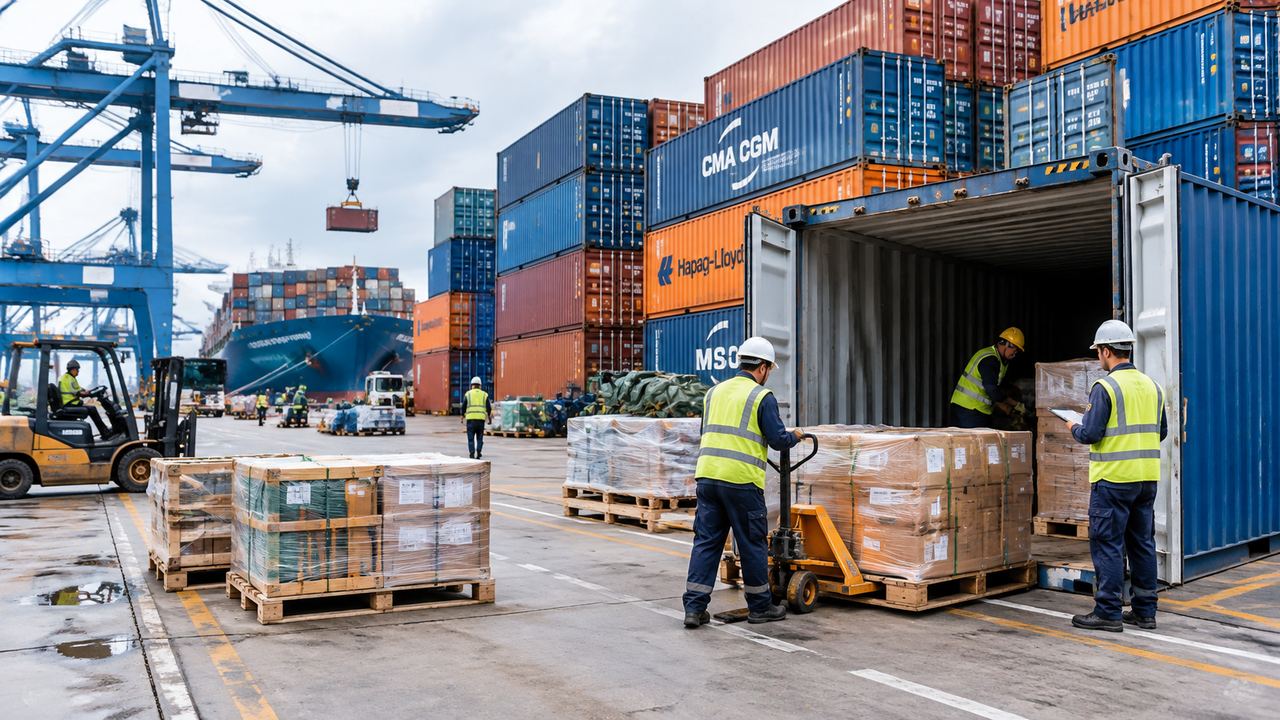
Ask each provider to identify which charges are included, which are estimated, and which may be billed by a third party. Confirm the currency, quotation validity, applicable surcharges, payment terms, and conditions that could change the final invoice. For charges that depend on actual dimensions, weight, storage time, or delivery requirements, ask how the provider will calculate the final amount.
For door-to-door shipping, confirm whether the service includes origin pickup, export handling, international transportation, destination handling, customs coordination, and delivery to the named address. Duties, taxes, brokerage, unloading, and other third-party expenses may be excluded unless the agreement says otherwise. A door-to-door freight service should therefore be assessed against a written scope, not its label alone.
Transit time requires the same discipline. A port-to-port or airport-to-airport estimate does not describe the complete time from supplier pickup to final delivery. Request the current estimate for the specific route and ask which stages it covers, including handling, transfers, customs-related milestones, and inland transport where relevant. Without a confirmed origin, destination, service, and cargo-ready date, a single published duration would not be a reliable planning commitment.
If cargo value or the consequences of loss make additional protection appropriate, review insurance separately from the freight quotation. Confirm the insured party, valuation basis, covered transport stages, exclusions, limits, deductible, and claims requirements before arranging cargo insurance. Freight charges and insurance coverage address different risks and should not be treated as interchangeable costs.
Prepare for Canadian Import Customs Clearance
Commercial importers should confirm their import setup and shipment documentation before cargo leaves the origin. The Canada Border Services Agency (CBSA) identifies importer registration, goods information, origin, tariff classification, value for duty, and any applicable regulatory controls as key parts of commercial import preparation.

Confirm the importer account
Check whether the importing business has registered in the CBSA Assessment and Revenue Management (CARM) Client Portal and obtained the required Business Number (BN) and import-export program account (RM). Confirm any additional account or payment arrangements required for the shipment before dispatch.
Identify the goods and their origin
Prepare an accurate product description and country of origin. Determine the applicable Canadian tariff classification and value for duty with the responsible import specialist or customs service provider. Check whether the goods are controlled, regulated, prohibited, or subject to additional duties, taxes, or permit requirements.
Prepare the required documents
Confirm the commercial invoice, packing list, and applicable bill of lading or air waybill. Depending on the products and transaction, additional origin evidence, permits, certificates, or other records may be required. Make sure the cargo descriptions, quantities, package counts, values, and weights are consistent across the relevant documents.
Assign customs responsibilities
Decide whether the importer will manage the customs process directly or authorize an agent for the required tasks. When using a broker, complete the applicable written authorization and CARM delegation steps before relying on the broker to transact on the business’s behalf. Confirm the current financial security requirements if the importer intends to use Release Prior to Payment privileges.
Confirm release, accounting, and payment
Establish who will manage the required customs submissions, respond to requests for information, arrange payment of duties and taxes, and handle any corrections. Ask the responsible provider which clearance milestones it will communicate and who will take action if the shipment requires additional documents or review.
The importer may choose to handle customs transactions directly or appoint an agent, subject to applicable requirements. CBSA guidance states that only a licensed customs broker may account for goods and pay duties under Section 32 of the Customs Act as an agent of an importer or owner. Importers remain responsible for the accuracy and completeness of their transactions and for applicable duties, taxes, and corrections. Review the current CBSA checklist for importing commercial goods and its guidance on licensed customs brokers before finalizing the arrangement.
A customs brokerage service may handle assigned clearance tasks, but it does not remove the need to confirm the importer’s account, data, authorization, and payment arrangements. Resolve these requirements before dispatch when possible, especially if a missing document or account issue could delay release.
Prepare a Comparable Freight Quote
Send each provider the same shipment brief so that differences in price reflect the proposed services rather than missing information. Prepare these details before requesting a quotation:
- Route: Origin and destination cities or postal codes, pickup address, final delivery location, and any preferred ports or airports.
- Cargo details: Product description, package count, packed dimensions, gross weight, total volume, stackability, and special handling requirements.
- Schedule: Cargo-ready date, required delivery date, preferred mode, and whether the requested service is port-to-port, airport-to-airport, or door-to-door.
- Customs information: Country of origin, available tariff classification, commercial documents, importer account status, and intended customs-clearance arrangement.
- Additional requirements: Insurance, unloading, warehouse receiving instructions, appointments, access restrictions, and any required permits or special handling.
Ask each provider to separate the applicable origin charges, main freight, destination handling, brokerage, inland delivery, duties, taxes, and potential additional costs. Request a current route-specific rate and transit estimate rather than relying on an undated price range from another route. Record whether each quoted amount is fixed, estimated, or subject to adjustment.
Common mistake: Comparing headline rates with different scopes. One quote may include destination handling while another excludes it. Compare the same origin, destination, cargo data, delivery scope, currency, and relevant service conditions before making a purchasing decision.
Common mistake: Treating customs clearance as automatic. A transport booking does not establish that the importer account, broker authorization, declarations, and payment arrangements are ready. Assign an owner to each outstanding customs action and obtain confirmation before dispatch.
Final operator check: Reconcile the booking against the commercial documents and delivery instructions. Confirm cargo details, consignee information, receiving arrangements, customs contacts, included charges, and unresolved requirements. If any material detail changes, ask the responsible provider to confirm whether the quotation, route, documents, or schedule needs revision.
Disclosure: This guide provides general logistics information and may refer to services relevant to the topic. Freight rates, customs requirements, fees, service coverage, and operating conditions can change. Confirm current requirements and responsibilities before acting.
Key Takeaways
- Choose a transport mode based on shipment size, urgency, route suitability, and total service cost.
- Compare FCL and LCL separately, and confirm the applicable chargeable weight for air freight.
- Require a written breakdown of freight charges, exclusions, transit-time scope, and delivery responsibilities.
- Prepare the Canadian import account, shipment data, documents, and customs authorization before dispatch.
- Use identical shipment details to compare provider quotations fairly.
Canada Freight Forwarding FAQ
How much does freight forwarding from China to Canada cost?
The cost depends on the origin, destination, cargo dimensions, gross weight, shipping mode, and service scope. Request a current route-specific quotation that separates origin handling, main freight, destination charges, customs brokerage, and final delivery. Duties, taxes, and other third-party charges should be identified separately.
How long does shipping from China to Canada take?
Transit time varies by route, transport mode, handling stages, and customs-related delays. Ask for an estimate for the actual shipment and confirm whether it measures port-to-port, airport-to-airport, or door-to-door time. Do not treat a main transport-leg estimate as a guaranteed delivery date.
What is the difference between FCL and LCL shipping?
FCL uses dedicated container space, while LCL consolidates cargo with other shipments. FCL is generally priced by container, while LCL commonly uses chargeable volume or weight under the applicable tariff. Compare the complete origin, destination, handling, and inland charges before choosing.
Which documents are required for commercial imports into Canada?
Common documents include a commercial invoice, packing list, and applicable transport document. Other origin evidence, permits, or product-specific records may be needed. Verify the final requirements with the responsible customs service provider using the goods, origin, and transaction details.
Do I need a Canadian customs broker?
A broker is not universally mandatory for every commercial import. An importer may handle customs transactions directly or authorize an agent, subject to applicable rules. Certain accounting and payment activities performed as an agent require a licensed customs broker. Confirm the required authorization and who will manage declarations, payments, and corrections before shipping.
Does door-to-door shipping include customs duties and taxes?
Not automatically. Door-to-door describes a transportation scope, but duties, taxes, brokerage, unloading, and other third-party charges may be excluded. Check the written quotation and identify who will pay each charge before booking.
What information should I provide to get a freight quote?
Provide the origin, destination, commodity description, package count, packed dimensions, gross weight, total volume, cargo-ready date, required delivery date, preferred service scope, and any special handling requirements. Include available customs information and receiving instructions so each provider can quote against the same requirements.
Does freight forwarding automatically include cargo insurance?
No. Cargo insurance depends on the agreed coverage and policy terms. Confirm the insured party, valuation basis, covered transport stages, limits, exclusions, deductible, and claims process before deciding whether separate insurance is needed.
Disclaimer: This article is general informational guidance, not a binding quotation, legal opinion, customs ruling, carrier commitment, or delivery guarantee. Requirements, charges, service terms, and responsibilities can vary by route, cargo, contract, carrier, and jurisdiction. Confirm current requirements before booking or filing.