What should an ocean freight forwarder control?
An ocean freight forwarder should coordinate the shipment from the agreed origin handoff to the required destination, with a clear plan for cargo acceptance, export documentation, ocean transportation, customs coordination, and final delivery. The main decision is whether the shipment can meet the buyer’s delivery requirements through an ocean service and whether the proposed booking includes every handoff the buyer needs.
The right arrangement depends on the origin and destination ports, cargo dimensions and weight, packing condition, cargo-ready date, receiving requirements, and the responsibilities assigned to each party. A port-to-port booking and a managed door-to-door shipment are not interchangeable. Each has a different operational scope, even when both use the same ocean service. Buyers should therefore evaluate the complete route rather than relying on a sailing estimate or a headline freight charge.
Before booking, ask the forwarder to identify the planned routing, distinguish main-carriage timing from the full delivery cycle, and itemize the services and charges included in the quotation. Confirm which party supplies customs information, arranges inland transportation, and authorizes destination delivery. These checks help the buyer compare workable options and expose missing responsibilities before cargo enters the shipping process.
Is ocean freight a suitable fit for your shipment?
Ocean freight is worth evaluating when the cargo can tolerate the proposed transportation window, the goods can travel under the carrier’s acceptance conditions, and the receiving operation can coordinate with the planned arrival. Buyers shipping commercial goods, replenishment inventory, equipment, or materials should begin with the actual cargo profile and delivery requirement rather than choosing a service from product descriptions alone.
The option becomes less suitable when a firm delivery deadline leaves no room for schedule changes, the cargo needs handling that the proposed service cannot provide, or the final destination has access restrictions that have not been assessed. Oversized items, dangerous goods, temperature-sensitive products, and cargo containing regulated components may require additional acceptance checks before a booking can proceed.
The destination matters as much as the ocean leg. A shipment going to a business warehouse may need an appointment, while a delivery to a restricted site may require special equipment, access approval, or a receiving contact. The buyer should also identify the importer or consignee, the party coordinating the import entry, and the agreed allocation of pickup, transportation, customs, and delivery tasks.
If different parties arrange different stages, put the handoffs in writing before comparing quotes. The agreed commercial terms should support that operational plan, not replace it.
Operational trigger: If the supplier cannot confirm the cargo-ready date, packed dimensions, or final cargo description, ask the forwarder which parts of the quote remain provisional. Update those inputs before authorizing the booking so equipment, handling, and documentation can be planned around the actual shipment.
How does ocean freight logistics connect the shipment stages?
The routing should match the cargo’s loading format, handling needs, and destination arrangements. For a full-container load (FCL), the forwarder plans the movement around the allocated container and the parties responsible for loading, sealing, transport, and receiving. For a less-than-container load (LCL), the cargo shares container space with compatible shipments, adding consolidation and deconsolidation handoffs that must fit the delivery plan.
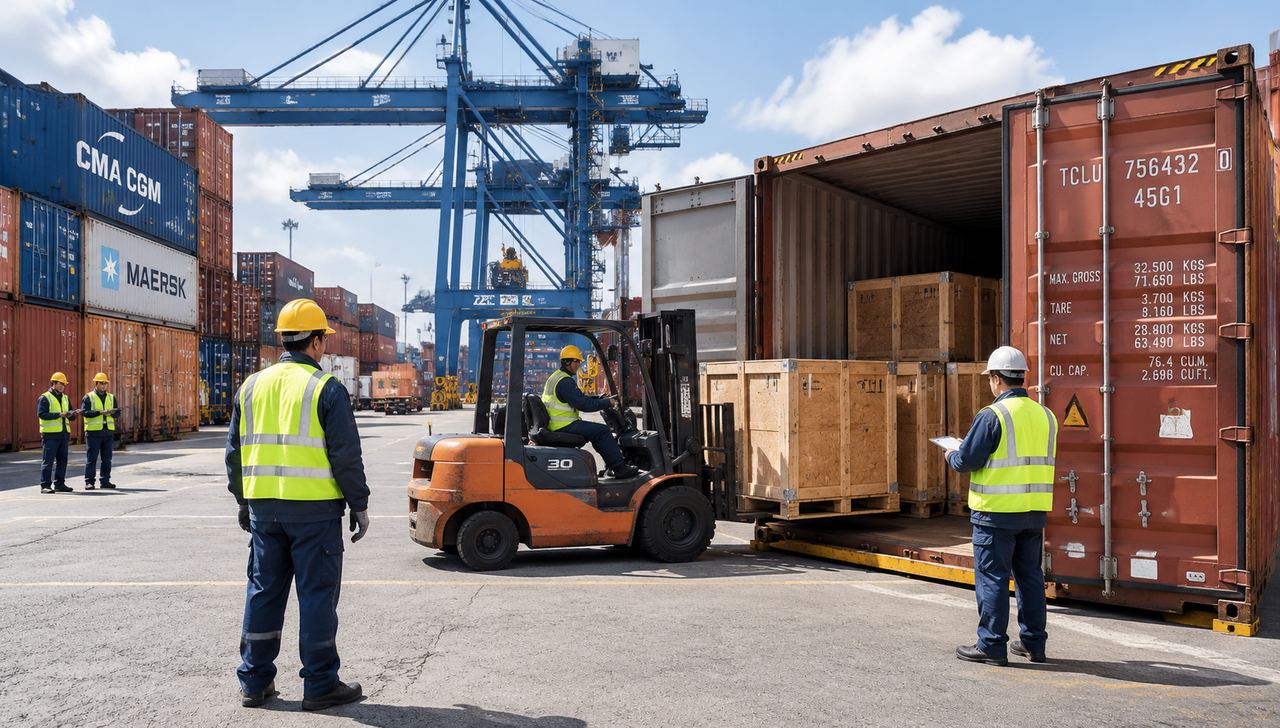
LCL can suit cargo that does not need a dedicated container, provided its dimensions, packing, handling requirements, and delivery expectations fit the consolidation service. FCL can suit cargo that needs dedicated equipment or more direct control over the container loading plan. The forwarder should confirm the available service and its operating conditions; neither format should be selected from cargo volume alone.
Next, establish the actual routing. The forwarder should identify the origin port, destination port, any transshipment, and the inland movements required at either end. Ask whether the booking covers only port-to-port transportation or also includes supplier pickup, origin handling, destination arrangements, and delivery to the named address. Each additional handoff introduces an owner, a coordination point, and a requirement to confirm timing.
For inland collection or delivery, assess whether a dedicated trucking freight arrangement is needed and confirm the pickup location, vehicle access, loading equipment, and receiving conditions. Buyers who prefer coordinated management across multiple stages can review a door-to-door freight service, then verify exactly which legs and customs-related tasks the quotation includes.
If the delivery deadline cannot accommodate the proposed ocean plan, ask the forwarder to assess air freight against the actual arrival requirement. This decision should reflect the complete delivery need, not a comparison between ocean and air main-carriage estimates alone.
Cargo that exceeds standard container dimensions, cannot be loaded safely into the proposed equipment, or requires specialized lifting may need a separate handling assessment. Discuss whether break-bulk freight handling is feasible before selecting a routing. The forwarder must confirm cargo acceptance, loading arrangements, suitable facilities, and the destination’s ability to receive the shipment.
How should you plan ocean transit and final delivery?
Request separate timing estimates for the ocean leg and the complete shipment cycle. A dependable estimate requires the actual origin and destination ports, the proposed service pattern, the cargo-ready milestone, and the intended delivery point. Because no specific port pair or destination has been supplied, a defensible numerical transit range cannot be assigned here without inventing a route. The forwarder should provide the current approximate range for the actual pair and confirm the carrier’s current schedule before booking.
| Timing element | Start and end points | What to verify |
|---|---|---|
| Main carriage | Origin port departure to destination port arrival | Port pair, vessel service, transshipment, and current schedule |
| Origin preparation | Agreed cargo-ready milestone to departure | Pickup, cargo acceptance, export documents, and booking cutoffs |
| Door-to-door cycle | Agreed pickup or cargo-ready milestone to final delivery | Inland transport, handling, customs release, and delivery arrangements |
Do not add a generic origin and destination allowance to a carrier estimate without checking which stages the estimate already covers. Ask the forwarder to define the start and end milestones, then identify any separate planning allowance for origin preparation, destination handling, customs processing, or inland delivery.
Schedule changes, transshipment connections, documentation errors, cargo acceptance delays, customs examinations, and receiving appointments can affect the actual delivery date. Confirm the current schedule and operational cutoffs with the forwarder, and keep the final delivery requirement visible throughout booking. The quoted transit window is a planning reference, not a guaranteed arrival date.
What should an ocean freight quote include?
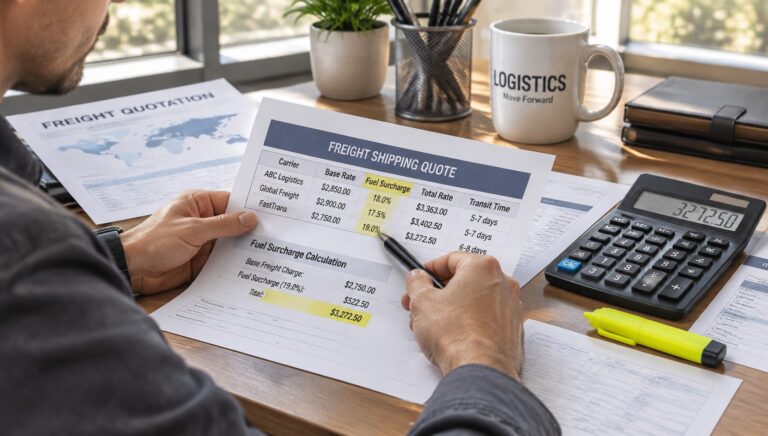
Compare quotations only when they describe the same cargo, routing, loading format, and service scope. A lower main-freight figure does not establish a lower total shipment cost if another quotation covers additional handling or transportation stages. Ask the forwarder to state the billing basis, the included services, the excluded services, and the party expected to arrange and pay for each outstanding item.
For FCL, request the specified equipment type and a clear breakdown of the quoted transportation and handling scope. For LCL, ask which rating method applies to the shipment and how the consolidator calculates the chargeable basis. Where the applicable tariff compares weight with measurement, confirm the rule and whether the greater basis applies. Minimum charges, handling requirements, and rating rules must be verified against the actual quotation and service.
Review the origin and destination portions separately. Ask whether the quotation includes pickup, export handling, main freight, destination handling, customs brokerage, duties and taxes, and final delivery. Do not assume an item is included simply because the quotation uses a familiar service label. Have the forwarder identify any additional charge categories that may arise from cargo characteristics, inspections, storage, waiting time, or site access and explain the conditions that trigger them.
Customs brokerage fees and government duties or taxes are different items. The importer should confirm the expected import charges with the appointed broker or relevant authority rather than treating them as part of the transportation price. Where an import support arrangement is proposed, verify who prepares the entry, provides the required information, responds to customs requests, and pays each charge.
Cargo insurance also needs separate confirmation. Transport charges do not establish the coverage available for the goods. Ask about the insured value, covered risks, exclusions, deductible, and claim documentation before deciding whether to arrange cargo insurance.
Note: Freight rates change with cargo details, route, carrier capacity, fuel costs, seasonal demand, service scope, and destination charges. Request a current quote for the specific shipment.
Which booking and customs checkpoints need ownership?
Keep the shipment moving through a defined handoff sequence. The shipper, forwarder, carrier, importer, broker, and receiving party should know what each must supply or confirm before the next stage proceeds.
Request Quote
The buyer provides the cargo description, packing details, dimensions, weight, cargo-ready date, routing, and required service scope. The forwarder identifies missing information, confirms assumptions, and returns a quotation that distinguishes included services from items requiring separate arrangements.
Cargo Pickup
The shipper prepares the cargo and provides accurate package details and handling instructions. The pickup coordinator confirms the collection location, access conditions, loading responsibility, and cargo handover record before the goods move to the agreed facility.
Export Customs Clearance
The exporter or its appointed broker supplies the export declaration data and supporting documents required for the shipment. The forwarder checks that cargo descriptions and shipping instructions align, while the exporter resolves missing information before the carrier cutoff.
International Transportation
The forwarder coordinates the confirmed booking and communicates material schedule changes. The carrier issues the master bill of lading, while a forwarder may issue its own house bill where applicable. The shipper checks the draft transport document for accurate parties, cargo details, and routing information.
Destination Customs Clearance
The importer or appointed broker prepares the required entry information and responds to customs requests. Confirm the applicable requirements for the actual destination and commodity. Arrange customs brokerage support when needed, and verify the scope of any broader import service before arrival.
Final Delivery
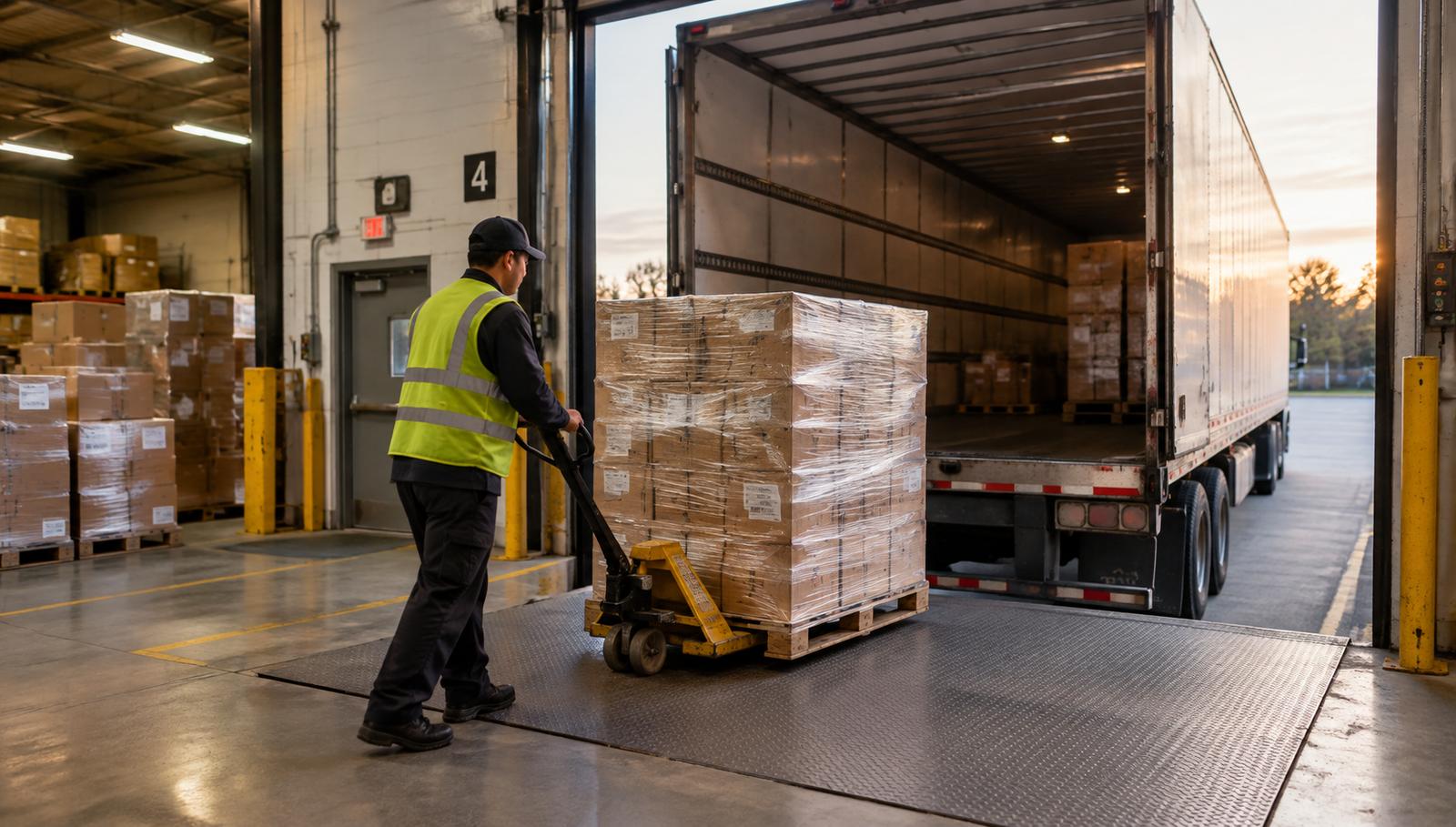
The delivery coordinator confirms release, cargo availability, destination charges, transport arrangements, and the receiving party’s requirements. The consignee verifies appointment details, site access, unloading responsibility, and the procedure for recording shortages or visible damage at handover.
Document requirements vary with the origin, destination, cargo, and service structure. Typical commercial documents include the commercial invoice, packing list, and applicable transport documents; other declarations, permits, or certificates may be required for particular goods. Confirm the current requirements with the appointed broker and relevant authority before cargo dispatch.
Which shipping risks can the buyer prevent?
Many avoidable problems begin with a mismatch between the physical cargo and the information used to quote or book it. The buyer should ask the supplier to confirm the final packing, complete cargo description, package count, gross weight, and outside dimensions. Update the forwarder if any of those details change before collection or loading.
Document discrepancies can interrupt cargo release or create extra coordination at destination. Review the shipper, consignee, notify-party details where applicable, goods description, and transport-document instructions before finalization. The exporter, importer, and forwarder should correct errors through the appropriate channel rather than allowing inconsistent versions to circulate among the carrier, broker, and receiving party.
Consolidated cargo can involve additional handling and coordination with other shipments. Use suitable packaging, mark packages consistently, and disclose any stacking restrictions, fragile components, or special handling needs before acceptance. For containerized cargo, follow the agreed loading and securing plan and confirm that the selected equipment can accommodate the actual package dimensions and handling method.
Schedule disruptions and destination-side delays remain possible even when the documents are correct. Maintain a named contact for operational updates and ensure that the receiving party can respond to release notices, document questions, and delivery coordination requests. Do not commit to downstream production or customer delivery solely on an unconfirmed vessel estimate.
Common mistake: Comparing quotations before confirming whether each includes the same inland legs and destination services. Ask the forwarder to identify every unresolved handoff and charge category so the buying team can compare equivalent shipment scopes.
If the goods contain batteries, liquids, chemicals, regulated components, or other cargo requiring special handling, pause booking until the carrier and relevant destination specialist confirm acceptance, packing conditions, and document requirements. A general product name is not enough to establish that the cargo can move under the proposed service.
Disclosure: This page provides general route-planning information and may mention freight services available through this website. Transit times, freight costs, customs requirements, carrier schedules, and destination conditions can change. Confirm the current shipment plan before booking.
How should you choose the service and prepare a quote request?
Use ocean freight as the working option when the cargo is acceptable for the proposed service, the delivery requirement can accommodate the confirmed route plan, and the buyer can coordinate the necessary origin and destination handoffs. Change the plan before booking when cargo restrictions, a firm arrival commitment, or an impractical delivery arrangement makes the original choice unsuitable.
Ask the forwarder to confirm the route and service scope in writing. The practical default is to assess the complete shipment against the required delivery point, not to approve a booking from a main-carriage estimate alone. Keep the supplier, importer, broker, and receiving contact aligned on the cargo-ready milestone and any information each party must provide.
Prepare the following information before requesting a firm quotation:
- Complete cargo description, intended use where relevant, packing type, and any special handling or product restrictions.
- Package count, packed dimensions, gross weight, and final cargo measurements when available.
- Pickup address, cargo-ready date, preferred origin and destination ports if known, and final delivery address.
- Required loading format and whether the shipment needs supplier pickup, export handling, destination coordination, or door-to-door service.
- Importer and consignee details, appointed customs broker if known, and the party handling declarations and government charges.
- Required delivery date, receiving hours, appointment rules, site access limits, unloading arrangements, and cargo value if insurance is requested.
- Any available commercial documents, packing specifications, permits, or other information relevant to cargo acceptance and customs preparation.
When some inputs remain unknown, identify them explicitly and ask which quotation assumptions depend on confirmation. Agree on the next checkpoint for finalizing cargo details and service scope before authorizing transport.
Illustrative example (not a customer case): A manufacturer shipping boxed machine components can use ocean freight when the cargo is standard, packing is confirmed, and the receiving site can accept the planned delivery window. If the buyer then needs those components for a production restart with no recovery time, the original service choice no longer fits automatically. The team should reassess the delivery requirement and confirm a workable alternative before booking.
Key Takeaways
- Choose a service around the required delivery point, cargo condition, and operational deadline.
- Confirm the actual routing, loading format, and included handoffs before approving the booking.
- Compare quotations against the same cargo details and service scope.
- Assign clear ownership for shipping documents, customs information, destination coordination, and final delivery.
- Verify cargo acceptance, receiving requirements, and unresolved quotation assumptions before dispatch.
FAQ
Can I request a quote before the cargo is fully packed?
Yes. A forwarder can assess a preliminary shipment plan using the best available cargo information, but the quotation should identify any assumptions based on unconfirmed packing details. Provide the final measurements and package information as soon as they are available, and ask the forwarder to confirm whether the revised details change the proposed service or quotation.
What happens if the consignee changes after booking?
Tell the forwarder as soon as the change becomes known. A consignee change can affect transport documents, arrival notifications, customs preparation, and cargo release arrangements. The carrier and relevant destination parties must confirm the permitted amendment process and any operational consequences before the revised information is treated as final.
Can my business appoint its own customs broker?
That depends on the destination process and the arrangement agreed for the shipment. Tell the forwarder who will handle the import entry and share the broker’s contact information before the arrival stage. The parties should agree on how documents, cargo status updates, customs questions, and release confirmation will pass between the broker and transportation team.
Does delivery to my warehouse automatically include unloading?
No. Delivery to an address does not by itself define who supplies unloading labor or equipment. Tell the forwarder about dock access, vehicle restrictions, lifting requirements, receiving hours, and whether the consignee can unload the cargo. Confirm the agreed delivery method and unloading responsibility in writing before transportation is arranged.
What should I do if the supplier changes the packing after the quote?
Send the revised packing details to the forwarder before the cargo is collected or loaded. Changes to outside dimensions, gross weight, package count, loading method, or handling requirements may affect equipment suitability and the booking information. Ask the forwarder to reconfirm the cargo plan and identify any quotation or documentation changes that need approval.
Can shipments from different suppliers be coordinated together?
Potentially, provided the cargo, documentation, readiness, and handling requirements are compatible with the proposed consolidation plan. Share each supplier’s cargo details and expected readiness with the forwarder, and ask who will coordinate collection, receiving records, package identification, and document preparation. The forwarder should confirm that the planned arrangement is practical before any supplier dispatches cargo.
What should I prepare for a delivery appointment at a restricted site?
Provide the receiving contact, permitted delivery hours, appointment procedure, vehicle access rules, unloading arrangements, and any site-specific entry instructions. Confirm whether the consignee must book the appointment or whether the transport coordinator can do so. Agree on how appointment changes and failed delivery attempts will be communicated before the cargo reaches the destination area.
Disclaimer: Transit times, cost explanations, customs information, and shipping suggestions on this page are general planning references, not a binding quotation, customs ruling, or delivery guarantee. Confirm the current route, service scope, charges, documents, and import requirements before booking.