
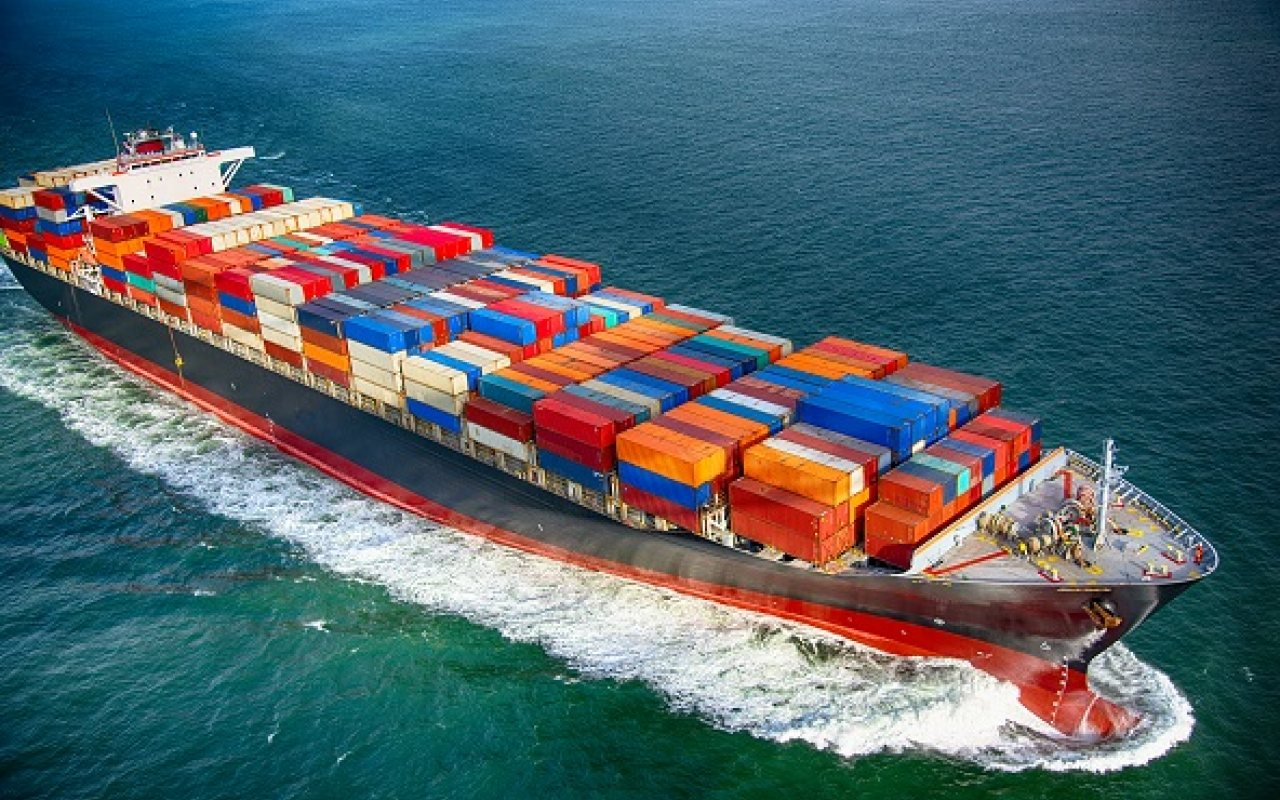
China Ship Net offers reliable sea freight solutions for shipments from China to Guadeloupe via key Caribbean and European gateway ports. Containers are typically routed through major regional hubs, then loaded onto feeder vessels serving Pointe-à-Pitre and adjacent terminals, where cargo is discharged and distributed locally. Supported by established partnerships with carriers such as COSCO, OOCL, APL, EMC, MSK, and HMM, we secure consistent container space and competitive FCL and LCL ocean freight rates. After vessel arrival, we coordinate efficient port handling and onward delivery, ensuring a stable and predictable sea freight service into Guadeloupe.
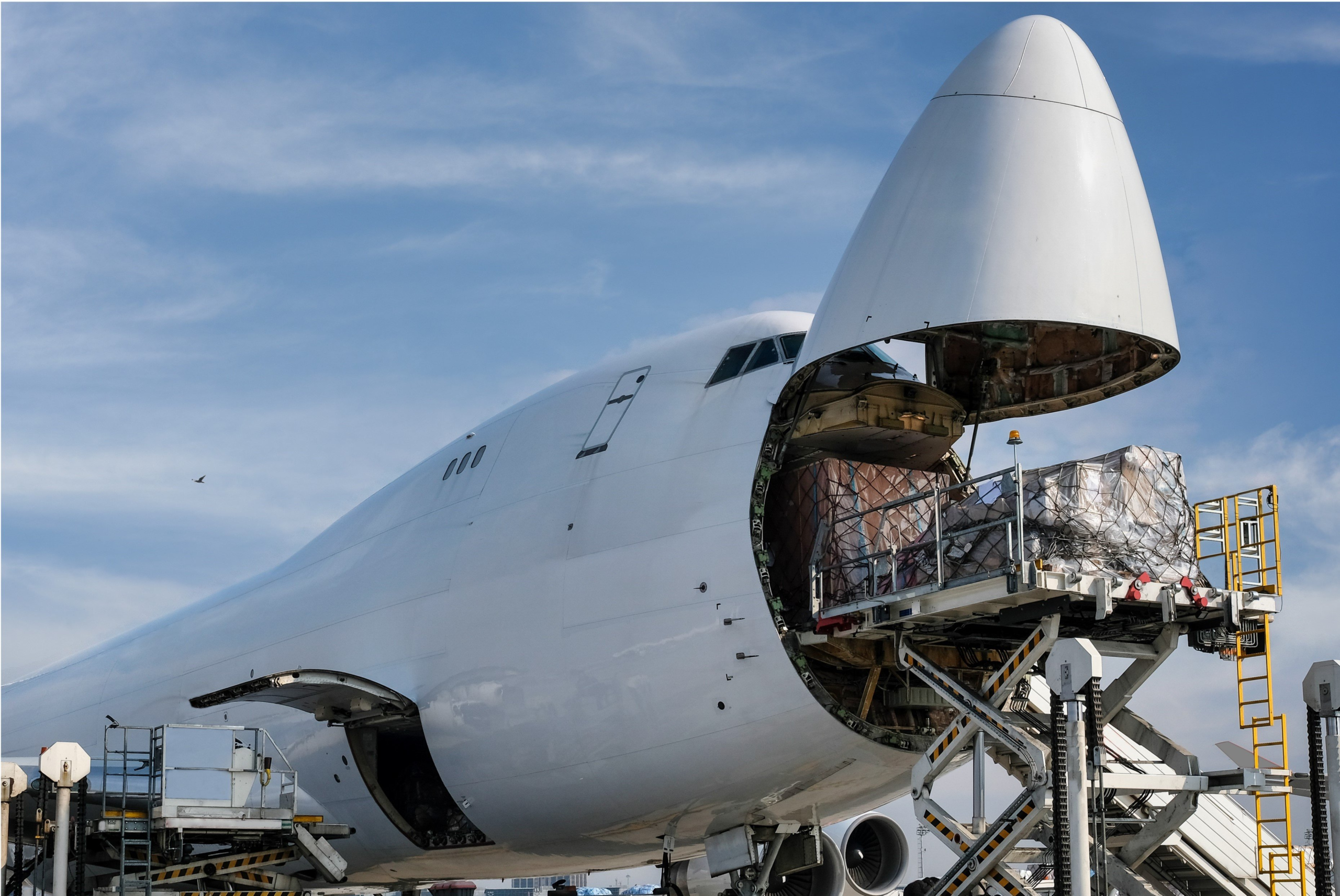
For urgent or high‑value shipments, our air freight services provide fast and secure transportation from China to Guadeloupe. China Ship Net designs optimal routing to Pointe-à-Pitre International Airport, typically via major hubs such as Paris, Miami, Panama City, or other Caribbean and European gateways, to achieve dependable transit times and streamlined customs processing. From origin pickup and export procedures in China to airline booking, import clearance in Guadeloupe, and final delivery to your premises, we manage the entire air logistics chain with precision—ideal for electronics, medical supplies, fashion items, spare parts, and other time‑sensitive cargo bound for Guadeloupe.

Our door‑to‑door service offers a fully integrated logistics solution tailored to Guadeloupe’s island‑based supply chain. China Ship Net manages every stage of your shipment—factory pickup in China, export documentation, sea or air transportation, transshipment handling at regional hubs, French customs procedures where applicable, Guadeloupe customs clearance, and final‑mile delivery to Pointe-à-Pitre, Baie-Mahault, Jarry industrial zone, or other agreed locations across the islands. With a strong regional agent network and full shipment visibility, we provide a seamless, low‑stress logistics experience from origin to final destination, even when multiple ocean or air connections are required.

China Ship Net provides full‑container‑load (FCL) shipping solutions on dependable routes from China to Guadeloupe, generally via major Caribbean or European gateway ports with feeder services into Pointe-à-Pitre. FCL shipping is ideal for building materials, hotel and resort supplies, household goods, retail merchandise, food and beverages, and other large‑volume commercial cargo that require secure, predictable ocean transport. Containers are loaded in China, transshipped at regional hubs, and then delivered to Guadeloupe, giving you dedicated space, enhanced cargo protection, reduced handling, and more efficient customs and terminal operations.
For smaller shipments, our less‑than‑container‑load (LCL) service offers flexibility and cost efficiency when moving cargo from China to Guadeloupe. China Ship Net consolidates freight at key Chinese ports, loads it into shared containers routed via regional transit hubs, and manages all subsequent handling, customs formalities, and local delivery on the islands. This solution is well‑suited for SMEs, mixed consignments, online sellers, and regular importers who do not yet require a full container but still expect dependable, professional logistics services into Guadeloupe.
China Ship Net will provide most fuel efficient pickup service China
We provide free warehousing services for any of your goods.
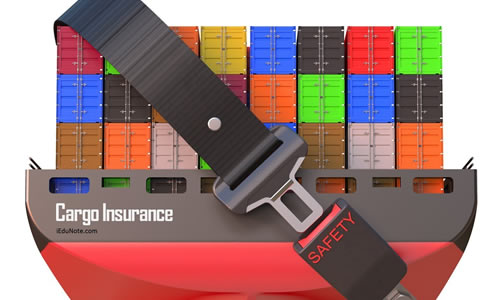
The cargo insurance protects your goods all the way to any Any FBA Warehouse

We handle all paperwork and other details for you.
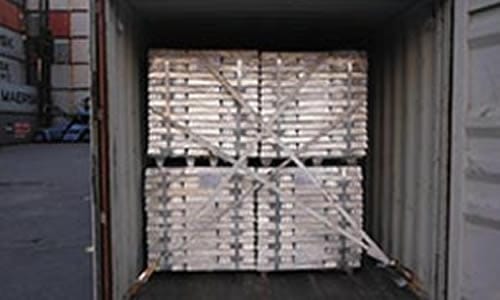
Ensure safe packaging and loading of goods in your suppliers' factory.
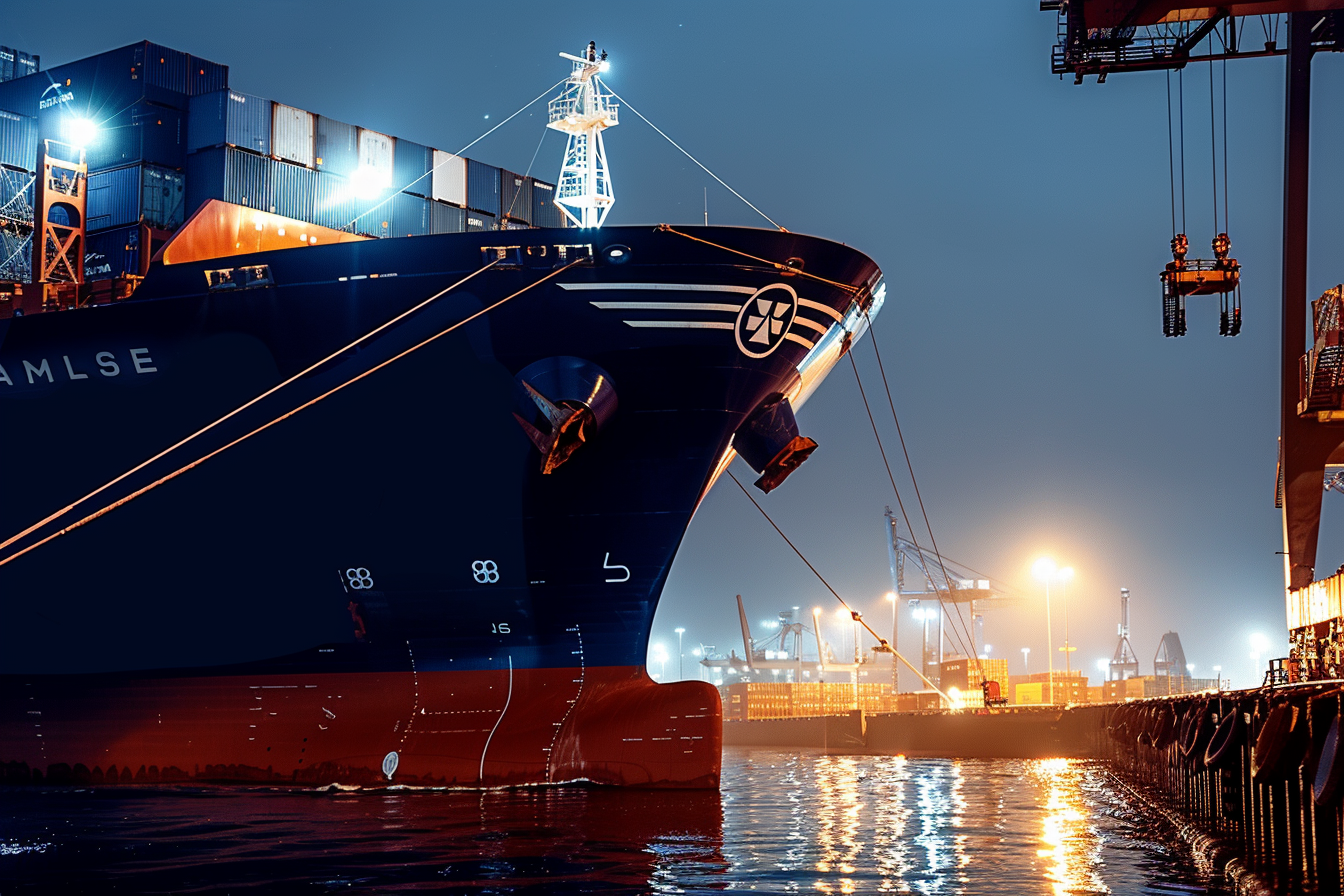
Shipping goods from China to Guadeloupe involves multiple critical considerations to ensure a smooth and timely delivery.
Transportation Method: The chosen mode of transport greatly impacts transit time. Air freight typically takes 5 to 10 days, while sea freight generally requires 20 to 40 days. The selection depends on delivery urgency and budget.
Route and Distance: The shipping distance and routing also influence delivery times. Direct routes are usually faster than those with multiple transshipments, so choosing a direct path can reduce overall transit time.
Customs Clearance: Customs procedures add complexity to the shipping process. Goods must be inspected, and documentation verified at both the origin and destination. Ensuring all paperwork is accurate and complete helps prevent unnecessary delays.
Seasonal and Peak Periods: Shipping times can be affected by holidays, severe weather, and peak-season congestion at ports. Planning shipments during off-peak periods or allowing additional buffer time can help mitigate delays.
Carrier and Service Level: Different carriers offer varying transit times and service levels. Selecting a carrier that aligns with your specific requirements is essential for a reliable shipping experience.
In summary, shipping from China to Guadeloupe requires careful attention to transportation mode, route, customs processes, seasonal impacts, and carrier selection. By considering these factors and partnering with experienced shipping providers, businesses can ensure efficient, timely, and stress-free delivery of goods.
Determining the cost of shipping from China to Guadeloupe involves several important factors, each influencing the final price. From transportation fees to customs duties, every element impacts the overall cost.
Firstly, the method of transportation significantly affects the cost. Air freight, known for its speed, usually comes with higher expenses compared to sea freight. Specifically, air shipments from China to Guadeloupe can range from a few hundred to several thousand dollars. These costs depend on weight, volume, and carrier rates. However, air freight provides quicker delivery.
In contrast, sea freight offers a more economical solution for larger shipments. The costs associated with sea freight from China to Guadeloupe vary according to container size, shipping route, and carrier rates. Typically, sea freight rates are based on cubic meters or container size, and they range from several hundred to thousands of dollars.
Moreover, customs duties and taxes play a crucial role in determining the total shipping cost. Importers must pay customs duties based on the value, type, and quantity of the goods. Additionally, VAT (Value-Added Tax) may apply, further increasing the shipping expenses. Therefore, researching applicable duty rates and tax regulations is essential for accurate cost estimation.
Furthermore, ancillary services can add to the overall cost. Insurance, for instance, provides protection against loss or damage during transit but incurs an extra fee. Packaging services ensure proper protection of goods, while handling fees cover the labor for loading and unloading.
In summary, the shipping cost from China to Guadeloupe varies based on the chosen transportation mode, shipment size, route, customs duties, and additional services. To optimize costs, evaluate these factors carefully and obtain quotes from multiple carriers or freight forwarders. This approach will help you secure a cost-effective and efficient shipping solution.
Shipping goods from China to Guadeloupe involves several key steps for a smooth process. Follow these guidelines for an efficient shipping experience:
1. Choose the Shipping Method: Start by selecting the right shipping method. Air freight is faster but more costly, while sea freight is more economical for larger shipments, though it has a longer transit time.
2. Find a Reliable Freight Forwarder: Research reputable freight forwarders or carriers experienced with shipments from China to Guadeloupe. Look for companies with a strong track record, excellent customer service, and competitive pricing.
3. Obtain and Compare Quotes: Contact multiple freight forwarders for quotes. Compare prices, transit times, and services to find the best option. Negotiate rates when possible to get favorable terms.
4. Prepare Shipping Documentation: Ensure all required documents are prepared. This includes a commercial invoice, packing list, bill of lading, certificate of origin, and any necessary permits.
5. Package and Label Goods: Properly package and label your goods. Use sturdy materials to protect items during transit and clearly label each package with necessary shipping and handling details.
6. Arrange Transportation to Port: Coordinate inland transportation to the port of departure in China. Ensure timely delivery to the port via trucking or rail services.
7. Handle Customs Clearance: Work with your freight forwarder or customs broker to manage customs clearance. Submit all required documents accurately to avoid delays.
8. Monitor Shipment Progress: Track your shipment using tools provided by your freight forwarder. Stay updated on your shipment's status throughout its journey to Guadeloupe.
9. Receive Goods in Guadeloupe: Once in Guadeloupe, coordinate with local agents for customs clearance and delivery. Ensure all customs duties and taxes are paid to release your shipment for final delivery.
By following these steps and collaborating with experienced partners, you can ensure an efficient shipping process from China to Guadeloupe.
Streamlined Air Freight from China to Guadeloupe: A Step-by-Step Approach
1. Select a Trusted Freight Forwarder: Start by researching reputable freight forwarders specializing in air freight from China to Guadeloupe. Choose companies with a strong carrier network and a proven track record of reliability.
2. Request Quotes and Evaluate Options: Next, contact several freight forwarders to request quotes for your shipment. Provide detailed cargo information, including dimensions, weight, and any special handling needs. Compare these quotes to assess pricing, transit times, and service quality.
3. Tailor Your Shipping Plan: Collaborate with your chosen freight forwarder to customize your shipment. Discuss consolidation options, express services, and any specific requirements. This will help you enhance efficiency and manage costs effectively.
4. Prepare All Necessary Documentation: Ensure that you complete and submit all required documents accurately. This includes the commercial invoice, packing list, air waybill (AWB), certificate of origin, and any necessary permits. Work with your freight forwarder to organize these documents for smooth customs clearance.
5. Arrange Cargo Pickup: Coordinate with your freight forwarder to schedule the pickup of your cargo from the supplier or warehouse in China. Ensure that your goods are well-packaged and correctly labeled according to air freight regulations to minimize damage.
6. Book Air Freight Space: Once your documentation and cargo are ready, your freight forwarder will book air freight space with the selected carrier. Confirm flight details, including departure and arrival times, and secure a booking confirmation.
7. Track Your Shipment: Utilize the tracking tools provided by your freight forwarder or carrier to monitor your shipment’s progress in real-time. Stay informed about any changes to the flight schedule and address potential issues promptly.
8. Clear Customs and Receive Your Goods: Upon arrival in Guadeloupe, work with local customs brokers or agents to clear your shipment. Ensure that all customs duties and taxes are paid to facilitate the delivery of your goods to their final destination.
By following these steps and working closely with your freight forwarder, you can effectively manage air freight from China to Guadeloupe, ensuring timely and secure delivery of your cargo.
Calculating shipping costs from China to Guadeloupe involves several key steps:
1. Understand Freight Rates: Freight rates depend on factors such as weight, dimensions, volume, and the mode of transportation (air or sea). Knowing these elements is essential for accurate calculations.
2. Determine Weight and Dimensions: Measure the weight and dimensions of your shipment. For air freight, costs are based on the actual or volumetric weight, whichever is higher. Calculate volumetric weight by multiplying length, width, and height, then dividing by the carrier's volumetric divisor.
3. Select a Transportation Mode: Choose between air and sea freight. Air freight is faster but more expensive, while sea freight is more economical for larger shipments but slower. Weigh the trade-offs between speed and cost to determine the best mode.
4. Obtain Freight Quotes: Request quotes from freight forwarders or carriers. Provide details such as weight, dimensions, origin, destination, and any special requirements. Compare quotes to find the best pricing and services.
5. Consider Additional Charges: Factor in extra charges like fuel surcharges, handling fees, customs clearance, insurance, and destination fees. These additional costs impact the total shipping expense.
6. Evaluate Cost-Effective Options: Look for ways to reduce costs. Consolidating shipments, opting for slower transit times for non-urgent cargo, and negotiating rates can help save money.
7. Use Shipping Cost Calculators: Utilize online calculators from freight forwarders or carriers to estimate costs. These tools offer transparency and help understand the breakdown of charges.
By following these steps, you can accurately estimate shipping costs from China to Guadeloupe. This approach ensures cost-effective and efficient transportation of your goods.
Air shipping from China to Guadeloupe offers several advantages when time is of the essence or when shipping high-value or perishable items. Here’s a breakdown of when air shipping is particularly beneficial:
Urgent Deliveries: For items that need to arrive in Guadeloupe quickly, air shipping is the preferred method. Its shorter transit times compared to sea freight make it ideal for urgent shipments.
Perishable Items: Air shipping is crucial for perishable goods, ensuring they remain fresh throughout their journey.
High-Value Items: When shipping valuable items such as electronics or luxury goods, air shipping delivers faster and with enhanced security, minimizing risks of theft or damage.
Small Shipments: For smaller shipments, air freight can be more economical than sea freight, which may not be cost-effective for such quantities.
Just-in-Time Inventory: Businesses relying on just-in-time inventory find air shipping advantageous for maintaining timely deliveries and reducing inventory costs.
Seasonal or Promotional Goods: Air shipping ensures that seasonal or promotional items reach their destination in time for important events or sales periods.
Supply Chain Agility: Air shipping provides flexibility, enabling quick adjustments in response to changes in demand or production schedules.
Although air shipping is efficient and fast, it generally incurs higher costs compared to sea freight. Weigh the benefits of speed against the expense to determine if air shipping from China to Guadeloupe suits your needs.
Taxes and Duties for Importing Goods from China to Guadeloupe
When importing goods from China to Guadeloupe, the taxes and duties you need to pay depend on several factors, including the type of goods, their value, and any applicable trade agreements or regulations. Here’s a general overview of the taxes and duties you may encounter:
Customs Duty: Guadeloupe, being part of France, follows EU customs regulations. Therefore, goods imported from China to Guadeloupe are subject to EU customs duties. Customs duty rates vary by product type and are typically calculated as a percentage of the customs value (the cost of the goods plus shipping and insurance).
Value Added Tax (VAT): In addition to customs duty, imported goods are subject to VAT. The standard VAT rate in France (which applies to Guadeloupe) is 20%. VAT is calculated based on the customs value of the goods plus any applicable customs duties.
Excise Duties: Certain goods, such as alcohol, tobacco, and petroleum products, may be subject to excise duties in addition to customs duty and VAT.
Import Processing Fees: There may be additional fees associated with the import process, such as customs clearance fees or handling charges imposed by the shipping carrier or customs broker.
To determine the exact amount of taxes and duties payable for your specific import, you can consult the EU’s TARIC (Integrated Tariff of the European Union) database or seek assistance from a customs broker or freight forwarder. They can provide guidance based on the Harmonized System (HS) code classification of your goods and the current customs regulations.
Researching and understanding the applicable taxes and duties before importing is crucial to avoid unexpected costs and ensure compliance with customs regulations. Additionally, consider any preferential trade agreements or exemptions that may affect the duty payable for certain goods.
When choosing between Less than Container Load (LCL) and Full Container Load (FCL) shipping from China to Guadeloupe, consider these factors:
Goods Volume: For large shipments that occupy at least half of a standard container (around 12-15 cubic meters), opting for FCL is often more cost-effective. In contrast, if you have smaller volumes, LCL allows you to share container space, making it a more economical choice.
Shipment Frequency: If you frequently ship similar-sized loads, FCL provides convenience by offering a dedicated container. Alternatively, LCL offers flexibility for varying shipment sizes and frequencies by consolidating multiple small loads into one container.
Cost Factors: Generally, FCL reduces per-unit costs for bulk shipments. On the other hand, LCL can be cheaper for smaller shipments since you only pay for the space your goods use.
Time Sensitivity: FCL typically ensures faster transit times compared to LCL. This is because FCL avoids the delays related to consolidation and deconsolidation, making it a better option if timely delivery is essential.
Nature of Products: If your goods require exclusive container use to avoid contamination or damage, FCL is preferable. For goods needing extra care, FCL also offers better control over handling and security.
Security and Risk: For high-value or fragile items, FCL provides superior control over handling and security. Conversely, LCL involves consolidating cargo from multiple shippers, which might increase risk.
In conclusion, your choice between LCL and FCL should reflect your shipment volume, frequency, budget, and urgency. To determine the best option for shipping from China to Guadeloupe, consult with your freight forwarder.
Tracking your shipment from China to Guadeloupe involves several steps to ensure you stay informed about its progress. Follow these methods to effectively monitor your shipment:
Carrier Tracking Systems: Most carriers and freight forwarders offer online tracking systems. Simply enter your tracking number or reference code into the carrier’s portal or app. This provides real-time updates on your shipment’s location, including departure and arrival times, transit points, and estimated delivery dates.
Email or SMS Notifications: Utilize email or SMS notifications to get updates directly to your inbox or mobile device. Opt-in for notifications at key milestones, such as shipment departure, arrival at transit points, customs clearance, and delivery. This keeps you informed without checking the tracking system manually.
Customer Service Support: If you have questions or issues, contact the carrier’s customer service team. They can offer personalized support, address concerns, and provide status updates. Be ready with your tracking number and shipment details when seeking assistance.
Freight Forwarder Assistance: When using a freight forwarder, ask about their tracking tools and support services. Many offer tracking capabilities and dedicated support to help you through the shipping process. They can update you on progress, coordinate with carriers, and handle issues that arise.
Customs Clearance Updates: Keep track of customs clearance updates to ensure smooth processing in both China and Guadeloupe. Stay aware of documentation requirements, inspections, or delays. Address customs issues promptly to minimize delays and expedite clearance.
By using these tracking methods, you can effectively monitor your shipment from China to Guadeloupe and ensure it arrives on time. These tools and resources provide valuable insights into your shipment’s status, helping you manage logistics efficiently.
Ensuring the proper documentation is in place is essential for a smooth shipping process from China to Guadeloupe. Key documents typically include:
Commercial Invoice: Provides a detailed description of the goods, including quantity, value, and classification. This document is critical for customs clearance and calculating any applicable duties and taxes.
Packing List: Lists the contents of each package, including weight, dimensions, and packaging type. It assists customs officials and carriers in accurately verifying and handling the shipment.
Bill of Lading (B/L): Issued by the carrier or freight forwarder, the B/L serves as both a receipt and a contract of carriage. It includes shipment details such as origin, destination, consignee, and terms of transport.
Certificate of Origin: Verifies the country of origin for certain goods and is required to obtain preferential tariff treatment under trade agreements between China and Guadeloupe.
Customs Declaration: Declares the goods, their value, and any applicable taxes or duties. Accurate completion is essential to prevent delays during customs clearance.
Shipping Marks and Numbers: Each package should have clear marks and identification numbers that correspond to the commercial invoice and packing list, aiding in tracking and handling.
Export License or Permit (if applicable): Some goods may require special licenses or permits from Chinese authorities. Verify in advance if your shipment requires these documents.
Insurance Certificate (optional): While not mandatory, an insurance certificate provides coverage against loss or damage during transit, offering added financial protection.
Proper preparation of these documents ensures efficient customs clearance, compliance with regulations, and smooth movement of goods from China to Guadeloupe. Each document plays a vital role in facilitating hassle-free international shipping.
Features Availability is well designed and comprehensive, covering the core needs of users while remaining easy to access and understand. Most key functions are consistently available and perform reliably. The layout makes feature discovery intuitive, though a few advanced options could be surfaced more clearly. Overall, availability and usability are strong and dependable.
Design Quality is clean, modern, and thoughtfully executed. The interface is visually consistent, with good use of spacing, typography, and color to guide attention. Navigation feels smooth and components are well organized. Performance and aesthetics balance well, though minor refinements in detail could enhance polish. Overall, the design delivers a professional and user-friendly experience.
Code Quality is solid and maintainable, with clear structure and consistent naming conventions. The logic is well organized, making the codebase easy to read and extend. Documentation and comments support understanding, and error handling is generally reliable. A bit more modularization and test coverage would further strengthen robustness. Overall, the implementation is professional and dependable.