

Reviewed by TJ Logistics Team October 2026. TJ Logistics Team reviewed the route content, current planning references, and Vietnam destination-preparation points for October 2026. The formal quotation and booking are prepared against the defined shipment.
Shipping from China to Vietnam: Route Overview
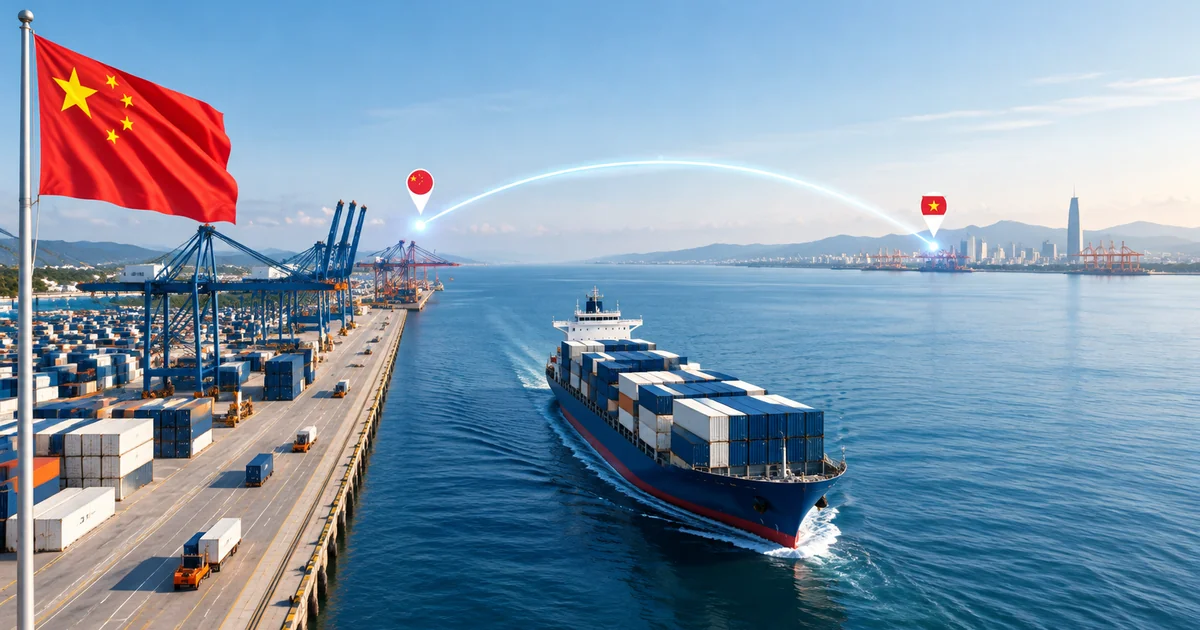
The Shenzhen, China → Haiphong, Vietnam FCL 20GP reference is $360–$450 per container, with a 3–4 day planning-transit reference. This named route provides a starting point for containerized cargo moving from southern China toward northern Vietnam.
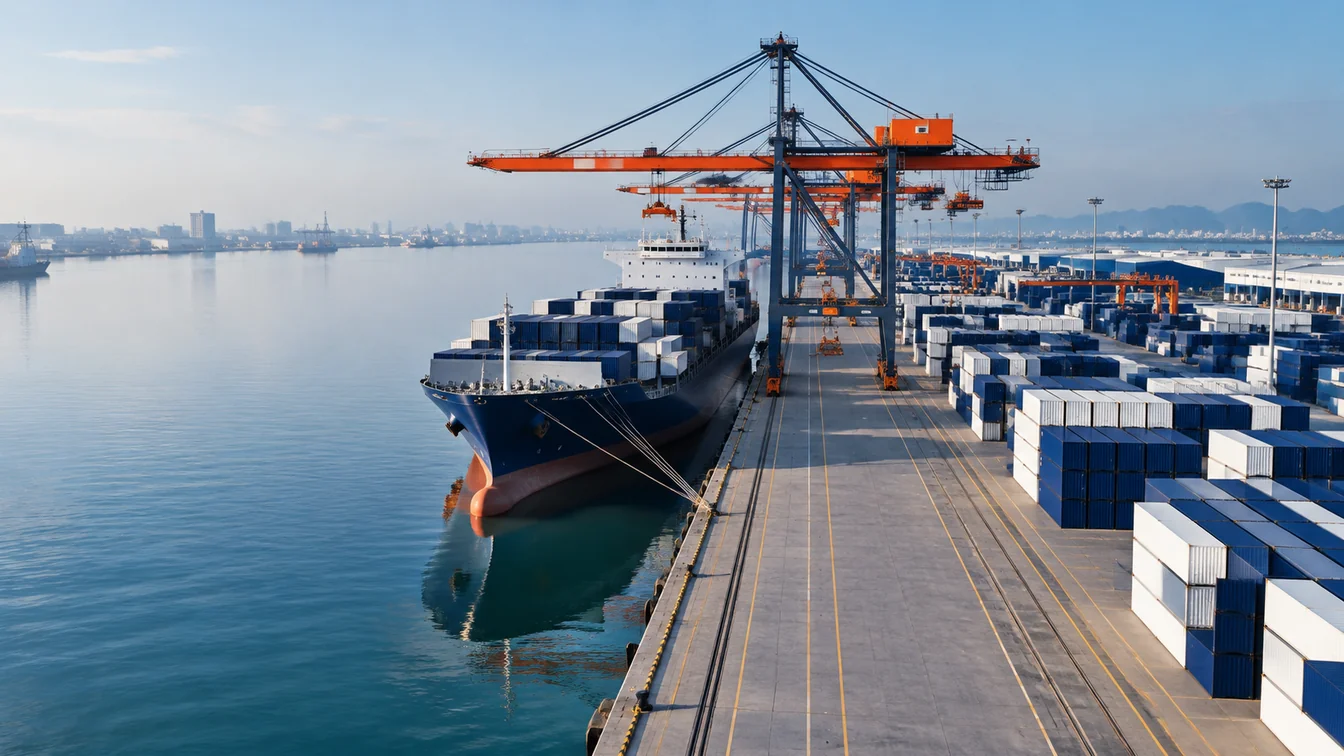
The main route decision is whether the shipment suits sea freight, air freight, express, or a rail-based movement. Supplier location, cargo readiness, urgency, Vietnam’s entry gateway, customs arrangements, and the final delivery address determine how the international movement connects to inland delivery.
China to Vietnam Shipping Cost and Transit Time
Current TJ Logistics Team planning references provide route-specific China-to-Vietnam prices and transit times for October 2026. Each reference applies to its named route, method, equipment or unit.
The cost and transit figures below are TJ Logistics Team indicative client rate and planning-transit references. Container, volume, weight, service and geographic scopes remain distinct across the available references.
| Shipping route | Shipping method | Price | Transit time |
|---|---|---|---|
| Shenzhen, China → Haiphong, Vietnam | FCL 20GP | $360–$450 per container | 3–4 days |
| Shenzhen, China → Haiphong, Vietnam | FCL 40GP | $585 per container | 3–4 days |
| Shenzhen, China → Haiphong, Vietnam | FCL 40HQ | $540–$675 per container | 3–4 days |
| China → Haiphong Port, Vietnam | LCL | $16.2/CBM | 9–17 days |
| China → Hanoi Airport, Vietnam | Air freight | $1.08/kg | 3–4 days |
| China → Vietnam | Express | $2.70/kg | 3–5 days |
| Jianyang, Nanping, Fujian, China → Hanoi, Vietnam | Rail FCL 40HQ | $900 per container | 5 days |
Rate scope: These TJ Logistics Team planning references apply to the shipping route, method, equipment or unit shown. They are not market averages or binding quotations. The formal quotation confirms the agreed collection, delivery, customs, and charge scope for the shipment.
How to Choose a Shipping Method from China to Vietnam
Container-ready cargo is a natural starting point for FCL, smaller shipments suited to shared capacity for LCL, urgent commercial freight for air cargo, and suitable parcel shipments for express. A rail-based option can also be compared for containerized cargo moving toward Hanoi when its handling and transfer arrangements suit the shipment.
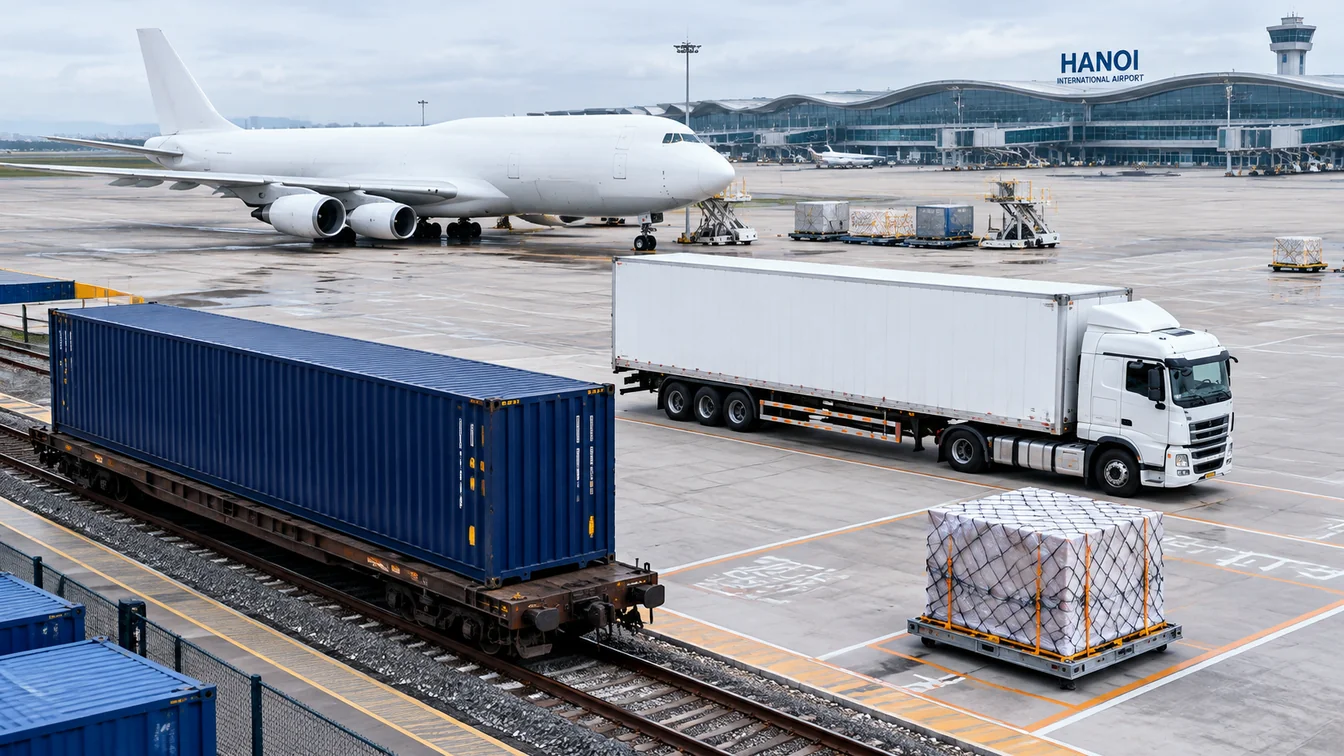
- Choose FCL when the shipment needs a dedicated container or is ready to move as a full-container load, because it avoids sharing container space with unrelated consignments. Loading access, equipment suitability and the receiving location can change the practical fit.
- Choose LCL when cargo can travel as a consolidated shipment, because it provides a shared-container option without requiring the buyer to book an entire container. Cargo handling sensitivity, packaging and consolidation arrangements can change suitability.
- Choose air freight when delivery urgency justifies an airport-based movement and the goods meet air-cargo acceptance requirements, because it offers a distinct option for time-sensitive commercial freight. Chargeable weight, cargo dimensions and the airport collection arrangement affect the service scope.
- Choose express when packaged shipments fit a parcel carrier’s accepted dimensions, weight and commodity rules, because an express network can coordinate cross-border movement and final-mile delivery. Choose a rail-based FCL alternative separately when containerized cargo toward Hanoi suits its planned routing and transfer arrangements.
- FCL sea freight
- Use when: The shipment requires a dedicated container, with the appropriate container size determined by the actual cargo and handling needs. Key route check: Assign loading responsibility and the export-gateway handoff before the container is released for movement. The relevant service category is TJ Logistics Team sea freight.
- LCL
- Use when: Goods can be consolidated with other compatible cargo instead of moving in a dedicated container. Key route check: Establish the origin consolidation arrangement and the destination release and deconsolidation responsibilities included in the selected scope.
- Air freight
- Use when: A commercial shipment needs an airport-based option and is suitable for air transport. Key route check: Review cargo acceptance, chargeable weight and the receiving arrangements at the intended arrival airport. See TJ Logistics Team air freight.
- Express
- Use when: The cargo suits an express parcel service and the required delivery location falls within the actual service scope. Key route check: Check commodity acceptance, dimensional limits and the responsibility for customs information. The relevant option is TJ Logistics Team express service.
- Rail FCL 40HQ
- Use when: Containerized cargo moving toward Hanoi suits a rail-based alternative and the planned route’s handling arrangements are workable. Key route check: The route plan must identify transfer points, border and customs handoffs, and any change of transport mode; the service label alone does not establish an uninterrupted direct train. See TJ Logistics Team rail freight.
Plan a China-to-Vietnam Route from Supplier to Final Delivery
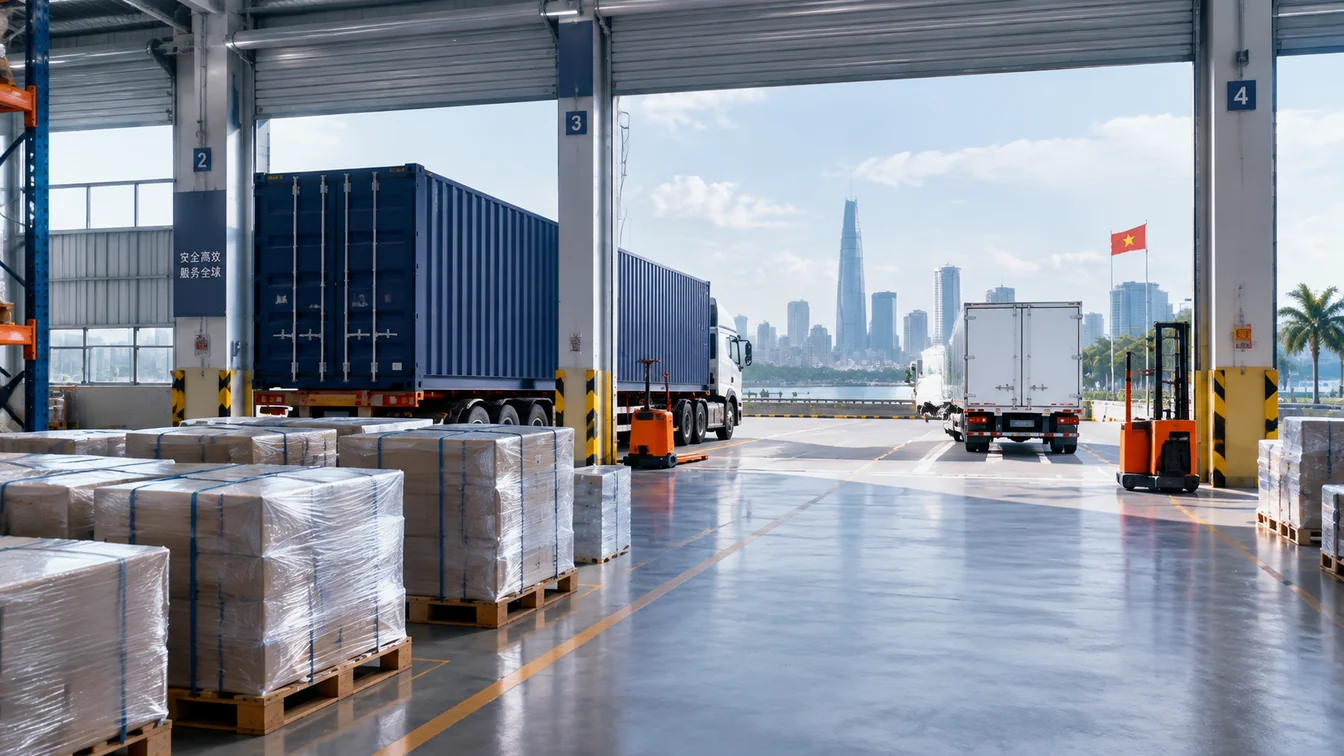
The common shipment chain runs from China supplier readiness and export handoff through the selected international movement to Vietnam arrival, customs handling and final-address delivery. The chosen method determines which cargo acceptance, transfer, release and collection responsibilities must be assigned along that chain.
- FCL container movement
- Assign responsibility for container loading and cargo securing, then specify the actual export-gateway handoff in the booking instructions. On arrival, the plan must allocate cargo release, container collection, unloading and empty-equipment return to the appropriate parties.
- LCL consolidated cargo
- Origin consolidation groups the shipment with other cargo before international movement. The operating plan should identify the actual export gateway and allocate destination deconsolidation, storage, cargo release and onward delivery wherever those services apply.
- Air freight to Hanoi
- The cargo acceptance point and destination cargo-terminal handoff determine how airport-based freight is received. The China-to-Hanoi Airport reference does not establish a particular flight or transfer pattern, so the service plan must specify the responsible party for collection and any onward delivery.
- Express parcel movement
- Express uses a parcel-network handoff that differs from the cargo-terminal process used for conventional air freight. Parcel dimensions, chargeable weight, restricted-goods rules and the receiving address determine whether the shipment fits the carrier’s service and last-mile arrangements.
- Rail-based FCL movement
- The commercial reference covers a 40HQ container from Jianyang, Nanping, Fujian, China, to Hanoi, Vietnam. The route plan must identify the actual rail and any connecting transport legs, transfer terminals, border procedures and Vietnam-side delivery handoff instead of assuming a direct, uninterrupted train service.
Execution Checks Before Booking
- For FCL, allocate loading and unloading responsibility and the requirements for container collection and empty return.
- For LCL, record the consolidation cutoff and the applicable destination release and cargo-breakdown arrangements.
- For air and express, record the cargo acceptance conditions and the party responsible for receiving the shipment after arrival.
- For rail-based cargo, document the planned transfer points and the responsible party at each transport handoff.
When the selected transport movement ends before the final delivery address, a separate road-freight leg may be needed. TJ Logistics Team’s trucking freight service is the relevant service category for reviewing that part of the movement.
Choosing Vietnam Entry Gateways and Inland Delivery Routes
Northern Vietnam has distinct ocean and air reference routes, while central and southern delivery addresses require their own geographic assessment. The appropriate comparison starts with the cargo’s transport method and destination area, then determines whether the arrival point provides a workable onward movement to the consignee.
| Final delivery area | Typical route pattern | Why the pattern fits | Details needed for the quote |
|---|---|---|---|
| Northern Vietnam — containerized or shared-load cargo | Compare the Shenzhen, China → Haiphong, Vietnam ocean references for a shipment intended for northern Vietnam. | The Port of Hai Phong identifies its seaport system as a major gateway serving northern Vietnam. The final delivery location determines the onward inland leg. | The consignee’s delivery location and whether final inland transport is within the requested scope. |
| Hanoi area — cargo suited to air freight | Use the China → Hanoi Airport air-freight reference as the relevant starting point for an airport-based movement. | Noi Bai International Airport’s official update describes its role as a major international gateway for the capital and the country. | The cargo acceptance and collection arrangement, plus the final delivery location and receiving schedule. |
| Central or southern Vietnam — delivery beyond northern gateway areas | The named Hai Phong and Hanoi references do not establish a destination gateway or equivalent rate scope for central or southern Vietnam. | A different final delivery region can change the inland leg and the feasibility of the selected entry arrangement; northern reference routes should not be treated as nationwide service equivalents. | The consignee’s final postal code and the proposed entry point for the intended delivery area. |
Prepare a Comparable Freight Request
Provide: The China supplier or pickup point; cargo-ready timing and cargo profile, including type, packages, dimensions, weight and CBM; loading or special-handling conditions; the Vietnam final postal code and receiving conditions; and the requested delivery scope, timing priority and relevant importer or broker arrangement.
The formal quotation should state: The pickup and final-delivery boundary; transport method, equipment or unit, and routing pattern; customs, destination-handling and inland-delivery handoffs; material included and excluded charges; rate validity; and the conditions that can change the amount or timing.
Prepare for Vietnam Customs Before Departure
Commercial imports into Vietnam require a customs declaration, and the importer or authorized declarant must arrange payment of applicable import duties and taxes when due. The official Vietnam import-document procedure identifies the customs declaration, commercial invoice and transport document as core documents, with additional records required for applicable product or transaction conditions.
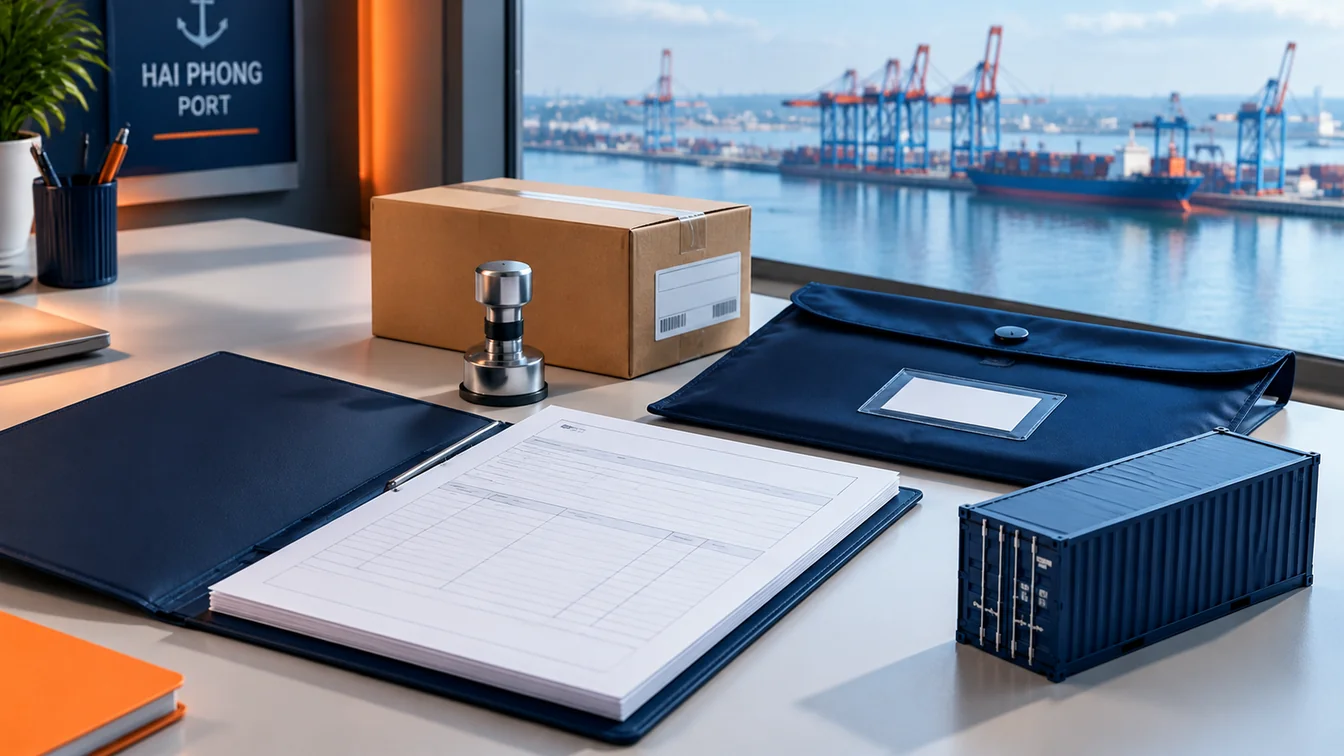
Vietnam customs preparation should settle the goods’ classification, declared value, origin and import-control status before shipping documents are finalized.
Customs Readiness Checklist
- Importer and declarant: Assign the Vietnamese importing entity and the person responsible for filing the declaration. Arrange the necessary authorization when a customs broker or representative will act for the importer.
- Product classification: Determine the appropriate Vietnam tariff or HS classification for the actual goods. Consult the Vietnam Trade Information Portal for tariff nomenclature and product-related measures relevant to the commodity.
- Customs value: Prepare transaction records that support the declared value and keep the product description, quantity, currency and invoice information consistent with the shipment documentation.
- Country of origin: Record the goods’ actual origin and prepare supporting origin evidence or a certificate of origin when required or when claiming preferential treatment. Dispatch from China alone does not establish origin or preference eligibility.
- Product controls: Determine whether the commodity requires an import license, specialized inspection, technical conformity, registration, labeling or approval from another competent authority before import.
- Declaration consistency: Align the invoice, packing list, transport document and customs declaration so product descriptions, package counts, quantities and identifying details are consistent.
- Payment and inspection responsibility: Allocate responsibility for assessed duties and taxes, responses to customs requests, document amendments and presentation of cargo if physical examination is required.
Documents to Prepare
- Commercial invoice: The transaction document supporting the goods description, quantities and declared value.
- Packing list: Package details and contents where applicable to the shipment and declaration.
- Transport document: The bill of lading for applicable sea movements, air waybill for air cargo, or the relevant railway or multimodal transport document.
- Customs declaration: Prepared and submitted through the applicable Vietnam customs process by the importer or authorized declarant.
- Origin evidence: Supporting origin documents or a certificate of origin when required or relied upon for preferential tariff treatment.
- Conditional product documents: Import licenses, inspection certificates, conformity records, registration documents or other approvals when required for the specific goods.
Vietnam’s product-specific import controls can change the documents, inspection steps or permissions required for a shipment. A classification or permit issue should be resolved before cargo dispatch rather than treated as a routine transport-document correction.
Choose the Right Delivery Scope for China-to-Vietnam Shipping
| Service scope | What the scope means | Key responsibility or condition |
|---|---|---|
| Port-to-port | Port-to-port covers the agreed ocean transport between the named origin and destination ports. Origin collection and final inland delivery are separate unless the agreed service explicitly includes them. | The shipper and importer allocate the origin and destination handoffs around the agreed port movement. Separate trucking and local handling may be needed. |
| Airport-to-airport | Airport-to-airport covers an agreed air-cargo movement between the named origin and destination airports. Collection from the origin and final delivery beyond the destination airport require separate scope allocation unless included. | The shipper and consignee allocate cargo-terminal acceptance and collection responsibilities. Airport handling and any transfer services must follow the agreed booking scope. |
| Door-to-door | Door-to-door coordinates movement from an agreed pickup address to an agreed final delivery address. The service boundary can include different transport and handling legs without automatically transferring every customs or tax obligation. | The service plan defines the collection, delivery and customs handoffs, while the importer remains responsible for its applicable import obligations unless a valid agreed arrangement states otherwise. |
| Delivered Duty Paid (DDP) | DDP assigns delivery and import-clearance responsibilities, including applicable import duties and taxes, to the seller under the agreed Incoterms arrangement. It does not automatically include every storage, examination, receiving or accessorial charge. | The parties must establish a legally workable import arrangement and expressly allocate the applicable tax and compliance responsibilities. Product controls and charges outside the agreed scope do not disappear under the DDP label. |
For a Vietnam delivery requiring coordinated collection in China and final-address delivery, TJ Logistics Team’s door-to-door service is relevant when both ends fall within the agreed scope. The arrangement should distinguish transport coordination from the Vietnam importer’s customs, tax and product-compliance responsibilities, unless a specific DDP arrangement validly reallocates them.
Why Use a Freight Forwarder for Shipping from China to Vietnam?
A freight forwarder helps convert a cargo requirement into a workable movement, match the route to the destination, and keep commercial and operational handoffs aligned. On a China-to-Vietnam shipment, the practical value lies in resolving those decisions before they become booking, customs-document or final-delivery problems.

Turn Cargo Requirements into a Workable Move
An incomplete movement definition can leave the shipper and consignee working to different assumptions about the cargo and agreed service. A freight forwarder helps turn the intended shipment and handling needs into a clear movement scope, particularly when choosing between a dedicated container and a consolidated load.
Match the Route to the Final Delivery Area
A transport option that suits northern Vietnam may not suit a consignee elsewhere in the country. A freight forwarder helps compare the available gateway and mode choices against the actual destination, cargo characteristics and requested timing rather than treating every route reference as interchangeable.
Keep Commercial and Operational Handoffs Aligned
When exporters, importers, brokers, carriers and consignees have separate responsibilities, an unclear handoff can leave a document or release task without an owner. A freight forwarder helps clarify the next action and responsible party; cargo insurance remains a separate risk decision, described by TJ Logistics Team’s cargo insurance service.
How TJ Logistics Team Coordinates the Vietnam Move
- Shipment definition review
- TJ Logistics Team reviews the defined shipment request and flags missing route-specific information that prevents a workable decision on the transport method, equipment or delivery boundary.
- Gateway and transport comparison
- TJ Logistics Team compares credible transport and gateway options against the supplier region, cargo requirements and Vietnam delivery area, keeping the named sea, air, express and rail-based scopes distinct.
- Scope and responsibility record
- TJ Logistics Team records the agreed service boundary and the parties responsible for collection, transport handoffs, customs arrangements and final delivery before preparing the formal quotation.
- Booking and change coordination
- After the buyer accepts the agreed quotation and scope, TJ Logistics Team coordinates booking information, commercial documents and cargo handoffs. Changes to cargo readiness, routing, document requirements or receiving conditions are flagged with the party responsible for the next operational action.
China to Vietnam Shipping FAQ
How much does it cost to ship a 20ft container from China to Vietnam?
For the Shenzhen, China → Haiphong, Vietnam FCL 20GP reference, the TJ Logistics Team planning rate is $360–$450 per container in October 2026. This reference applies to the named container size and route; it is not an LCL, air-freight or country-wide delivery total.
How long does sea freight from China to Vietnam take?
For Shenzhen, China → Haiphong, Vietnam FCL 20GP, TJ Logistics Team’s planning-transit reference is 3–4 days in October 2026. Use that timing for the named FCL reference, not as a transit estimate for LCL, air freight, express or a different inland delivery route.
What is the most cost-effective way to ship from China to Vietnam?
FCL is the natural starting point for container-ready cargo, while LCL suits shipments that can move as shared cargo. Air freight and express serve different urgency and handling needs, and the rail-based FCL option toward Hanoi provides another route to compare when its transfer arrangements suit the shipment. A universal cost ranking cannot be established from unlike container, volume and weight references.
Which gateway should I compare for cargo going to northern Vietnam?
For northern Vietnam, compare the named Haiphong ocean route for suitable sea cargo with the China-to-Hanoi Airport reference for air cargo. These references cover different transport methods, so the choice depends on cargo readiness, urgency and the delivery arrangement needed beyond the arrival point.
What documents should be prepared before shipping from China to Vietnam?
Vietnam commercial imports normally require a customs declaration, commercial invoice and applicable transport document, with a packing list, origin evidence or product-specific permits where relevant. The importer or authorized declarant should align the product description, declared value and origin with the transport paperwork before filing; regulated goods may need additional approvals.
Can I ship door-to-door from China to Vietnam?
Door-to-door shipping from China to Vietnam is possible when the agreed service covers the specified pickup and final delivery addresses. The arrangement must also allocate Vietnam customs and import responsibilities, and DDP should be used only when its import-clearance, duty and tax allocation is valid and expressly agreed.
Is rail shipping from Fujian, China, to Hanoi a direct train service?
The TJ Logistics Team rail FCL 40HQ reference covers Jianyang, Nanping, Fujian, China, to Hanoi, Vietnam, but the service label alone does not establish an uninterrupted direct train or a specific border and terminal sequence. The route decision should use the planned transport legs, transfer points, customs handoffs and Vietnam-side delivery arrangement rather than assuming direct rail movement.