


Reviewed by TJ Logistics Team | October 2026. TJ Logistics Team reviewed the route content, current planning references, and Montserrat destination-preparation points for October 2026. The formal quotation and booking are prepared against the defined shipment.
Shipping from China to Montserrat: Route Overview
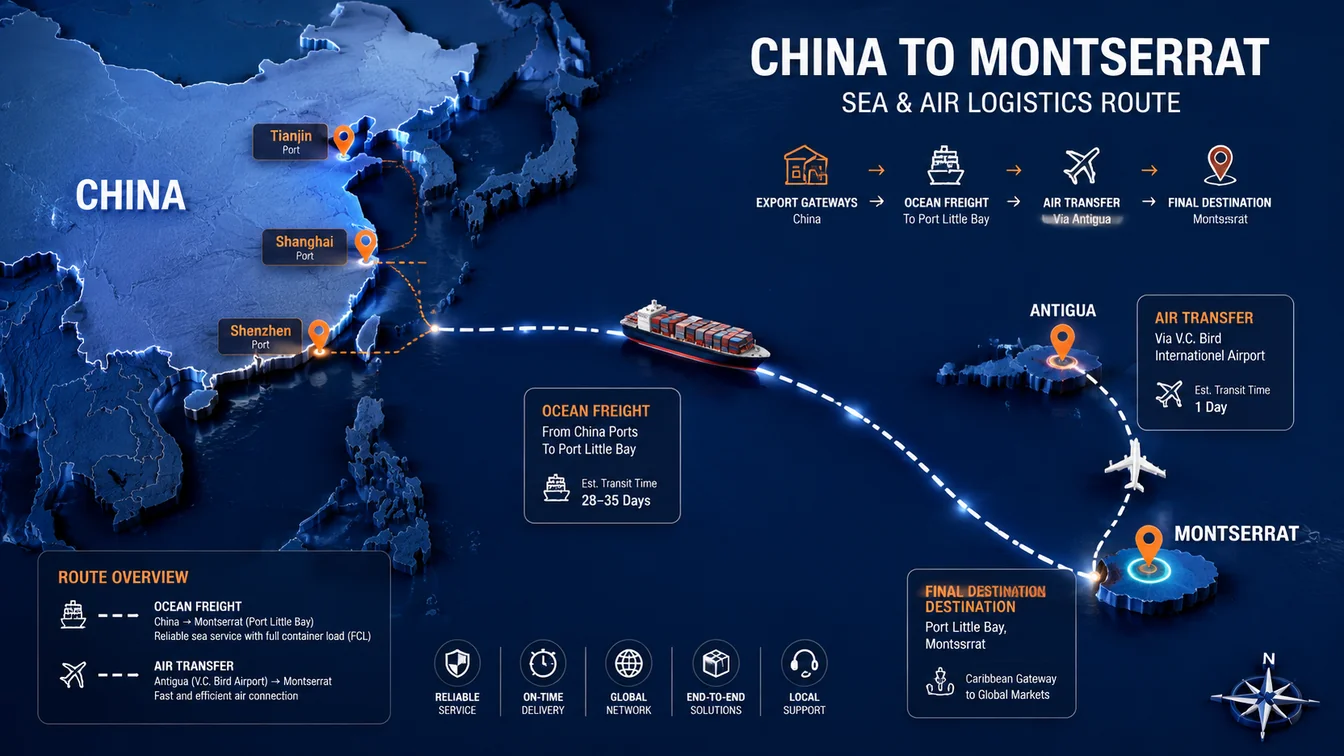
For LCL cargo moving from China to Montserrat, TJ Logistics Team’s indicative client rate reference is $170–$300/CBM, with a planning transit of 40–55 days. This reference provides a starting point for shared cargo that does not require a dedicated container.
The practical route decision follows the cargo from the Chinese supplier through a suitable export gateway and international transport connection to Montserrat’s entry and customs-release process, followed by island road delivery. Air freight and express use different transfer and carrier handoffs, so the selected service must match the cargo’s handling requirements and the consignee’s delivery arrangement.
China to Montserrat Shipping Cost and Transit Time
Current TJ Logistics Team planning references, reviewed in October 2026, provide route-specific China-to-Montserrat prices and transit times. Each reference applies to its named origin, shipping method, billing unit, and transit scope.
| Shipping route | Shipping method | Price | Transit time |
|---|---|---|---|
| China → Montserrat | LCL | $170–$300/CBM | 40–55 days |
| China → Montserrat via Antigua (ANU) | Air freight | $6.00–$11.00/kg | 5–10 days |
| Guangdong/Fujian, China → Montserrat | Express | $149.39/kg | 3–7 days |
Rate scope: These TJ Logistics Team planning references apply to the shipping route, method, equipment or unit shown. They are not market averages or binding quotations. The formal quotation confirms the agreed collection, delivery, customs, and charge scope for the shipment.
How to Choose a Shipping Method from China to Montserrat
For Montserrat, start with LCL for shared cargo, evaluate air freight when delivery urgency matters, and consider express for eligible courier shipments. Dedicated-container freight is a separate choice for cargo and receiving arrangements that support a full container; the most suitable method changes with cargo dimensions, actual and chargeable weight, volume, handling needs, supplier location, and final delivery requirements.
- Choose FCL when the cargo can be loaded and received as a dedicated container, because one equipment unit can simplify cargo segregation and handling; the decision changes if the consignee cannot arrange suitable container collection or unloading.
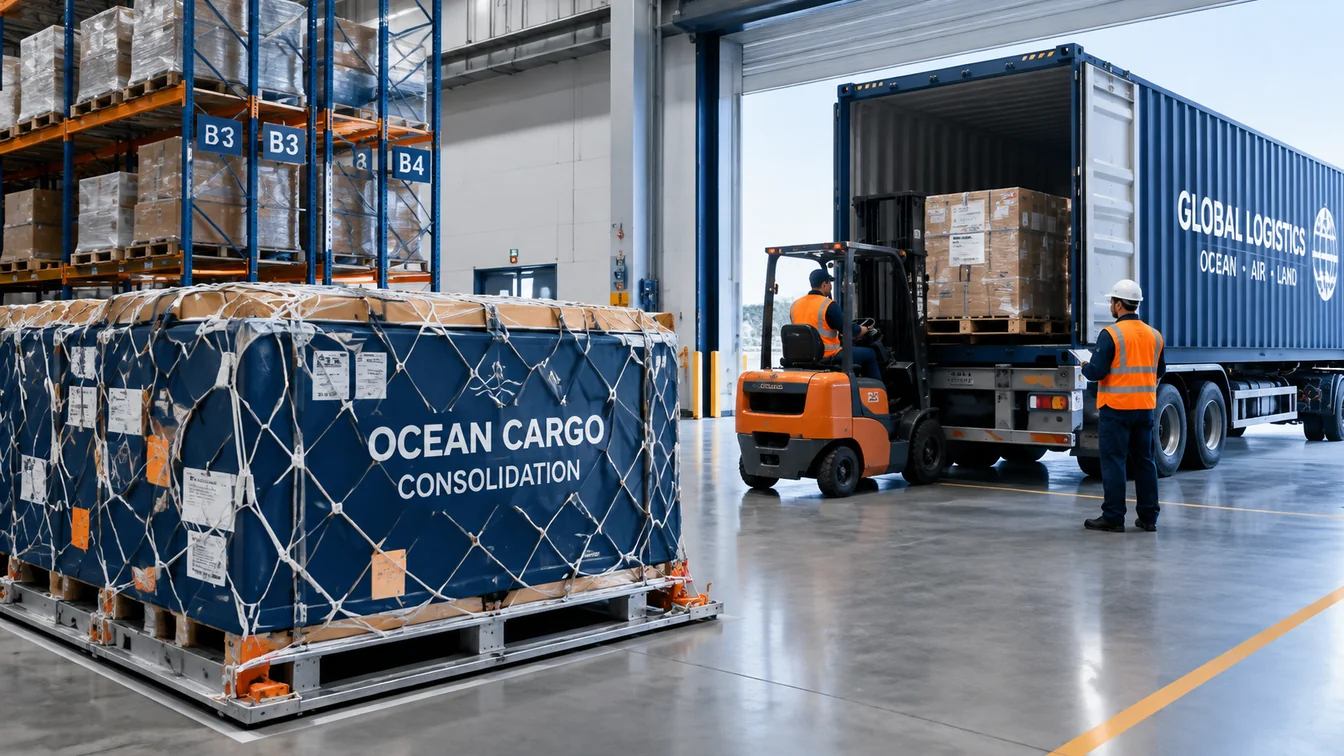
- Choose LCL when the shipment suits shared cargo rather than a dedicated container, because its client rate reference is based on cubic metres; origin consolidation and destination cargo-release arrangements must fit the shipment plan.
- Choose air freight when the shipment has a tighter delivery priority than the ocean plan, because the available reference specifies an air route with a regional transfer; onward cargo acceptance and transfer handling can change its suitability.
- Choose express when the cargo is suitable for courier handling and the shipment needs a carrier-managed movement, because the stated reference covers Guangdong/Fujian-origin cargo; actual weight, dimensional weight, package restrictions, and service eligibility can change the selection.
- FCL
- Use when: the shipment can be loaded and received as a dedicated container and the receiving arrangement supports the equipment. Key route check: the release plan must account for container collection, unloading capability, and the destination handling arrangement.
- LCL
- Use when: the shipment is suitable for shared international cargo handling. Key route check: origin consolidation, destination release location, and the consignee’s collection plan must be aligned with the selected service.
- Air freight
- Use when: delivery priority justifies an air-based movement with the specified regional transfer. Key route check: the onward cargo leg must accept the shipment’s weight, dimensions, packaging, and handling requirements.
- Express
- Use when: cartons or parcels fit an eligible courier service and its destination-delivery arrangement. Key route check: the carrier must accept the goods and service origin, and its billing weight and final-delivery scope must match the shipment.
Use the TJ Logistics Team sea freight service for the ocean-freight scope, the air freight service for air-based movements, or the express service for eligible courier cargo. These service categories help define the requested mode; they do not establish a particular sailing, flight, or carrier connection.
Plan a China-to-Montserrat Shipment from Supplier to Final Delivery
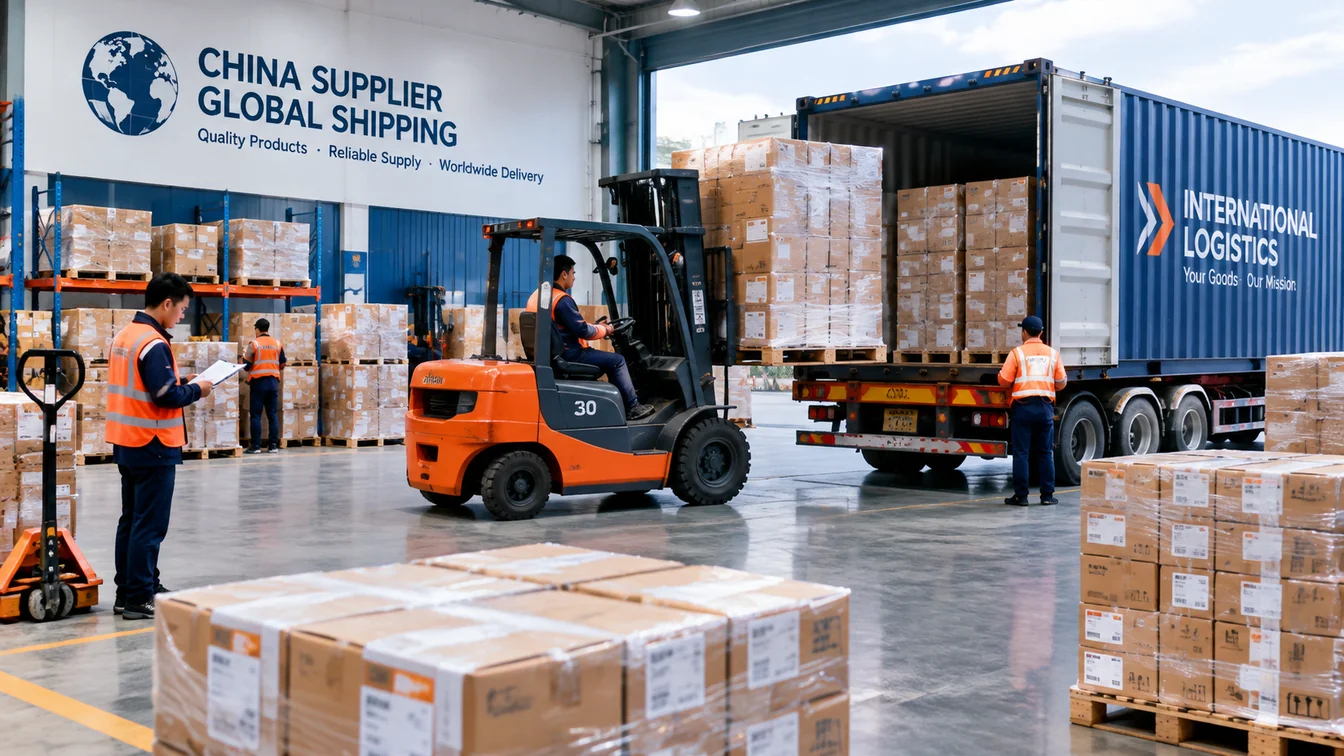
Every shipment starts with cargo readiness at the Chinese supplier, passes through the chosen export movement and international transport handoff, then enters Montserrat’s applicable customs-release process before the goods move to the final address. When pickup is part of the agreed movement, the China-side road leg must connect properly with the export handoff; the TJ Logistics Team trucking freight service describes the related origin-side transport category.
- FCL: container release and collection
- For container cargo, the destination handling plan must distinguish delivery as a loaded unit from cargo unstuffing within the port compound. The Port Authority’s published container-handling categories distinguish these handling paths, so the agreed release and vehicle-collection arrangement must match the consignee’s capabilities.
- LCL: consolidation and cargo release
- Shared cargo requires an origin consolidation handoff and a defined destination release process before collection. The local agent’s release instructions and the consignee’s collection arrangement should be aligned before the cargo is dispatched.
- Air freight: regional transfer and arrival acceptance
- The air-freight reference specifies a regional transfer before entry into Montserrat, so the shipment must be accepted for the onward cargo leg rather than relying on the international air movement alone. Weight, dimensions, packaging, and special handling can affect transfer eligibility and final collection.
- Express: carrier and last-mile handoff
- The express movement depends on the nominated courier’s accepted network, import-processing arrangement, and delivery handoff. The chosen service must account for the shipment’s package profile and any consignee access or receiving restrictions.
Execution Checks Before Booking
- For container cargo, record how the loaded unit will be released and whether the consignee can receive and unload it as planned.
- For LCL, establish the destination release location and the collection procedure that follows the local agent’s instructions.
- For air freight and express, record the accepted onward-transfer or courier arrangement and the party responsible for the next cargo handoff.
Choosing Montserrat Entry Gateways and Island Delivery Routes
Montserrat’s route choice is primarily a decision between ocean cargo with a port-release process, air freight using the specified regional transfer, and a courier-network movement for eligible express cargo. These paths have different arrival and collection handoffs, even though the final destination is on the same island.
| Final delivery area | Typical route pattern | Why the pattern fits | Details needed for the quote |
|---|---|---|---|
| Ocean cargo and port collection | China supplier → selected China export gateway → ocean connection(s) → Port Little Bay cargo-release process → customs release → island road delivery. | The cargo-release process uses a delivery slip, customs examination, release advice, and a gate-pass handoff before cargo leaves the port compound. The final collection arrangement therefore affects how the port release connects to island delivery. | State whether the cargo needs dedicated-container or shared-load handling, who collects the released goods, and whether a vehicle can receive the cargo as planned. |
| Air cargo via a regional transfer | China export gateway → air routing via Antigua (ANU) → onward cargo handoff into Montserrat, subject to the accepted cargo arrangement → customs release → final delivery. | The regional travel connection reaches John A. Osborne Airport, but passenger connectivity alone does not establish cargo-space availability, payload suitability, or acceptance for a specific consignment. | State the required onward cargo arrangement, the accepted package and handling profile, and who will manage destination release and final collection. |
| Courier express and final-address delivery | Guangdong/Fujian, China pickup → nominated express network → Montserrat import processing → courier or local-provider delivery handoff, as defined by the service. | This pattern fits eligible shipments that need courier handling, but the named provider and selected service determine network eligibility and how the final delivery is completed. | Name the courier and service, the actual shipment origin, and the receiving address and conditions that determine the final handoff. |
Prepare a Comparable Freight Request
Provide: the China supplier or pickup point; cargo-ready timing and cargo profile, including type, packages, dimensions, weight, and CBM; any loading or special-handling condition; the final postal code and receiving conditions; and the requested delivery scope, timing priority, and relevant importer or broker arrangement.
The formal quotation should state: the pickup and final-delivery boundary; transport method, equipment or unit, and routing pattern; customs, destination-handling, and inland-delivery handoffs; material included and excluded charges; rate validity; and the conditions that can change the amount or timing.
Prepare for Montserrat Customs Before Departure
Cargo entering Montserrat must complete the applicable customs entry, examination, and release steps, with assessed charges settled before the goods are collected from the port. The Montserrat Port Authority cargo-clearing process describes the delivery-slip, cargo-release-advice, and gate-pass steps that connect customs release with collection.
What You May Pay at Import
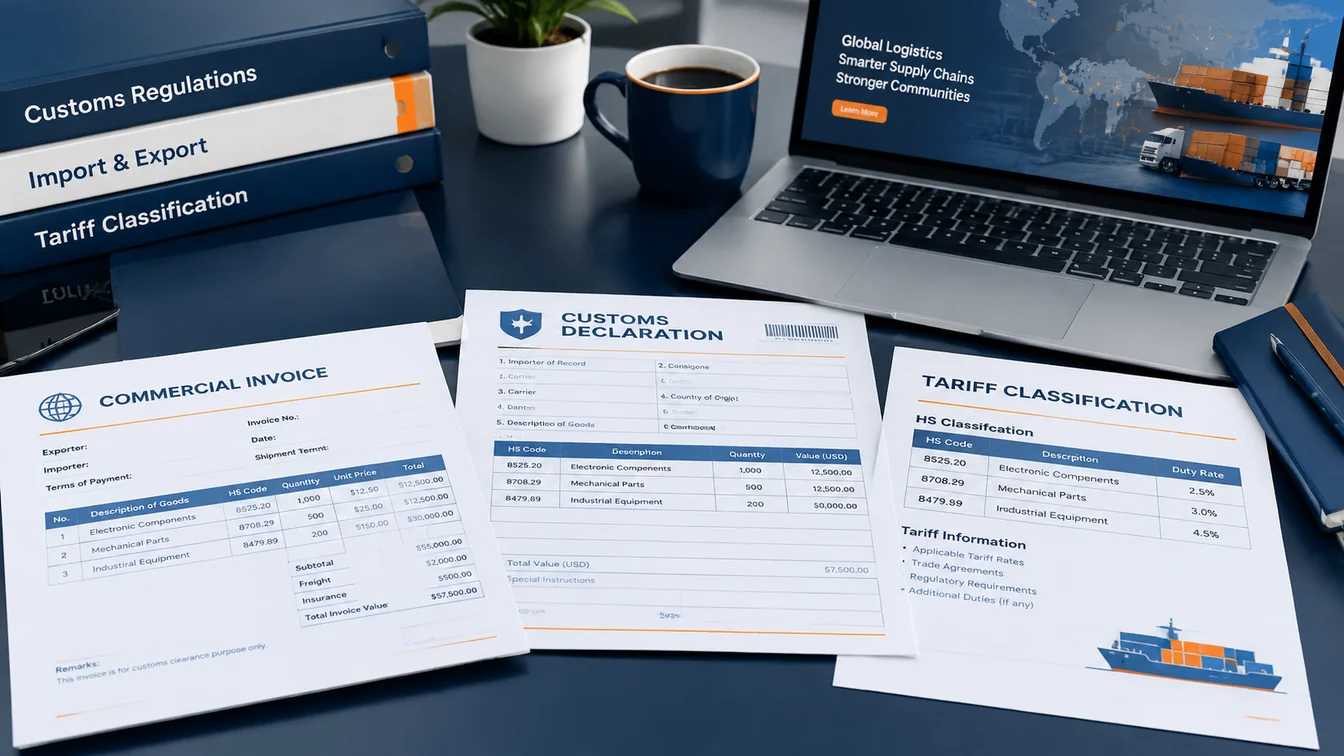
Montserrat’s published customs guidance uses the invoice or receipt value, freight, and insurance to establish CIF, then applies the tariff classification for the goods; the product code and applicable import treatment change the assessment. The Montserrat Customs duty and valuation guidance explains the calculation inputs used by a customs officer or broker.
Customs Readiness Checklist
- Record the Montserrat importer or consignee and the party authorised to instruct the local broker, so responsibility for the entry and release process is clear.
- Assign the correct tariff classification and a specific goods description before preparing the customs entry, because classification affects the applicable duty and import tax treatment.
- Reconcile the transaction value, freight, and insurance information so the customs valuation can be prepared from consistent commercial records.
- Determine whether the particular goods are restricted or require an import licence before dispatch; a standard commercial invoice does not replace a required approval.
- Agree who will submit the customs entry and who will settle assessed duty, taxes, and port charges before the cargo is released.
- For port cargo, arrange the shipping agent’s delivery slip, bill of lading, and commercial invoices needed for the local clearance process.
- Prepare product-specific permits, certificates, safety documents, or conformity evidence only when required for the particular commodity or its applicable controls.
An appointed local broker may prepare the customs entry, but the importer or consignee must still provide accurate goods information and arrange the required approvals and payments. The TJ Logistics Team customs brokerage service describes the related freight-service category; local filing responsibilities must be allocated to the party appointed for the Montserrat entry.
Documents to Prepare
- Commercial invoice and packing list with consistent goods descriptions, quantities, values, and seller and buyer details.
- Bill of lading for sea freight or air waybill for air cargo, together with the transport and release documents required for the selected service.
- Correct tariff classification and supporting product information, plus any import licence, permit, certificate, testing record, or labeling evidence required for the commodity.
Import licensing is a product-specific compliance risk: the digital application process requires accurate importer details, tariff classifications, and goods descriptions. The official Montserrat import-licence guidance explains the current application process for licences issued under the External Trade Act.
Choose the Right Delivery Scope for China-to-Montserrat Shipping
| Service scope | What the scope means | Key responsibility or condition |
|---|---|---|
| Port-to-port | Port-to-port covers the movement between the named export and destination ports; it does not by itself include supplier pickup or final-address delivery. | The buyer or its appointed parties normally arrange the origin and destination inland legs and the import-release process unless the agreement allocates those tasks differently. |
| Airport-to-airport | Airport-to-airport covers the contracted movement between the named origin and destination airports; it does not automatically include collection from the arrival point. | The agreed plan must state the accepted onward-transfer arrangement and who handles destination clearance and cargo collection. |
| Terminal-to-door | Terminal-to-door connects a named arrival or cargo-release point with a specified delivery address; customs clearance may remain outside the delivery scope. | The importer or its appointed representative normally handles import obligations unless the service agreement explicitly includes specific clearance tasks. |
| Door-to-door | Door-to-door coordinates pickup from the defined supplier location through international transport to the named consignee address, within the agreed service scope. | The importer remains responsible for import obligations and assessed charges unless the contract and applicable rules clearly allocate particular responsibilities elsewhere. |
A TJ Logistics Team door-to-door service can be relevant when the shipment requires one coordinated pickup-to-address scope. For Montserrat, the defined service should make the import-entry responsibility, release handoff, and island-side delivery arrangements clear; a door-to-door label alone does not allocate every customs or tax obligation.
Why Use a Freight Forwarder for Shipping from China to Montserrat?
For China-to-Montserrat freight, a forwarder helps turn the cargo request into a workable movement definition, match transport choices to the delivery priority, and align the commercial and operational handoffs. The practical priorities change with the shipment form, the accepted transfer arrangement, and the consignee’s ability to collect and receive the goods.
Three buyer problems a freight forwarder helps resolve on this route:
- A shipment definition that can be compared
- Unclear shipment scope makes transport options difficult to compare; a defined cargo profile and handling requirement make the requested movement more precise. The necessary level of detail changes with the cargo form and selected method.
- A route that matches the delivery priority
- An ocean movement, a regional-transfer air route, and courier express have different handling and acceptance requirements. Matching the method to urgency, origin, and final delivery need helps the buyer avoid choosing by headline price or transit wording alone.
- A release-to-delivery handoff with named responsibility
- Arrival release, local collection, and final delivery are separate operational handoffs. Assigning each task to the importer, broker, carrier, agent, or consignee makes the next action clearer when documents or receiving arrangements change.
How TJ Logistics Team Plans a China-to-Montserrat Shipment
- Define the shipment and flag gaps
- TJ Logistics Team reviews the defined shipment request and flags missing details that prevent a reliable method, transfer, or delivery-scope decision before the formal quotation is prepared.
- Map credible routes against the delivery requirement
- TJ Logistics Team compares the available mode and gateway choices against the shipment definition, then records the transfer, cargo-acceptance, and destination-handoff conditions that affect suitability. The related TJ Logistics Team import service provides context for import-support services where that scope is explicitly part of the arrangement.
- Record the service boundary and responsible parties
- TJ Logistics Team documents the agreed pickup and delivery boundary, the parties responsible for transport and customs handoffs, and the information needed for the formal quotation. Any separately requested cargo insurance scope is treated as a distinct decision rather than assumed to be included in the transport service.
- Coordinate the approved booking and next handoff
- After the buyer approves the agreed quotation and scope, TJ Logistics Team coordinates booking information, commercial documents, and the cargo handoff, then flags which party must act if routing, documentation, timing, or receiving conditions change.
China to Montserrat Shipping FAQ
How much does LCL shipping from China to Montserrat cost?
For the China → Montserrat LCL reference reviewed in October 2026, TJ Logistics Team lists $170–$300/CBM. This is a per-cubic-metre planning reference, so the cargo volume and the agreed handling and delivery scope matter when comparing offers.
How long does sea freight from China to Montserrat take?
For China → Montserrat LCL, the TJ Logistics Team planning-transit reference reviewed in October 2026 is 40–55 days. A shared-load plan should account for consolidation and destination release requirements rather than treating the international movement as the only delivery step.
Which shipping method is most cost-effective for China-to-Montserrat cargo?
For cargo that suits a shared load, LCL is the practical starting point; a dedicated-container requirement or a tighter delivery priority can change the method choice. The LCL reference is billed by volume, whereas air freight and express use weight-based references, so their displayed figures are not directly comparable.
How should I choose an entry route for Montserrat?
Ocean cargo should be planned around the destination port-release process, while air freight needs an accepted onward-transfer arrangement and express depends on the nominated courier’s eligible network. The decisive factor is how the selected route handles cargo acceptance, customs release, and the consignee’s collection or delivery needs.
Can I ship door-to-door from China to Montserrat?
Yes, a door-to-door arrangement can coordinate supplier pickup, international transport, destination handoffs, and delivery to a specified Montserrat address when those legs are included in the agreed scope. The service definition should state who handles the import entry and assessed charges, because a final-address delivery promise does not by itself transfer the importer’s obligations.
What documents should I prepare before shipping to Montserrat?
Prepare a commercial invoice, packing list, the applicable transport document, and a specific goods description with the correct tariff classification. Add any import licence, permit, certificate, or product-compliance document required for the particular goods before dispatch.
Do all goods imported into Montserrat need an import licence?
No, import licensing in Montserrat depends on the goods and applicable restrictions rather than being a universal requirement for every shipment. For controlled goods, the importer needs the appropriate approval and accurate importer, tariff-classification, and goods-description information before the cargo enters the clearance process.