

Reviewed by TJ Logistics Team — October 2026. The route content, current planning references, and Cuba-specific preparation points were reviewed for October 2026. The formal quotation and booking are prepared against the defined shipment.
Shipping from China to Cuba: Route Overview
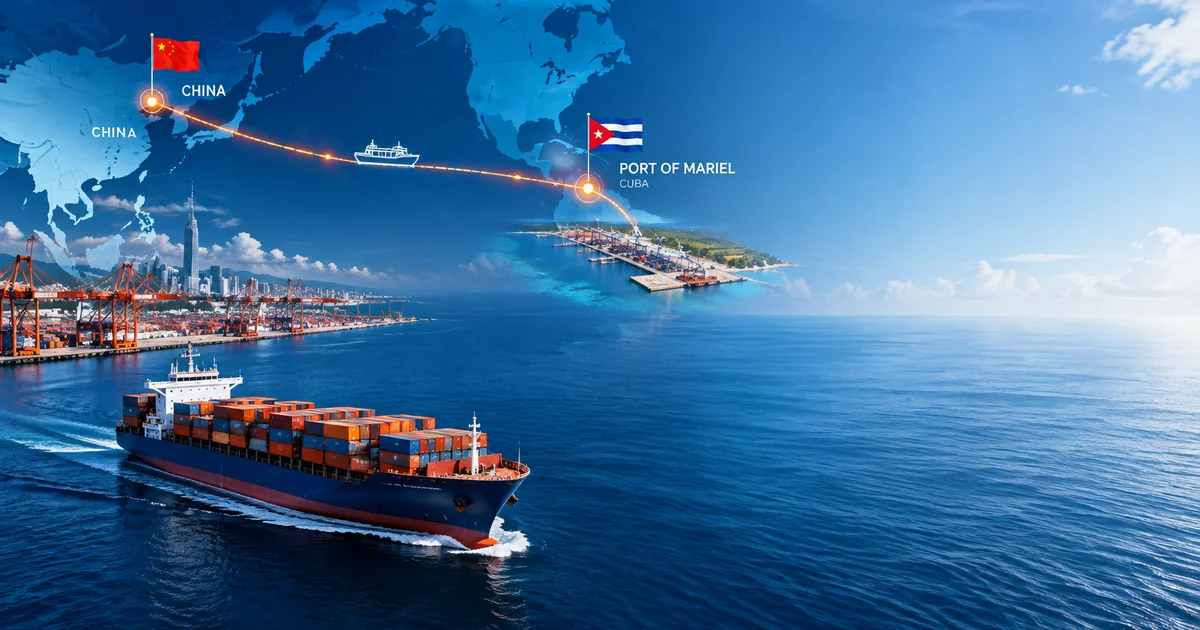
The China → Mariel, Cuba FCL 40HQ reference is $17,149–$20,961 per container with a planning transit of 35–45 days. This reference gives buyers a starting point for evaluating a containerized ocean shipment when the named destination route matches the planned movement.
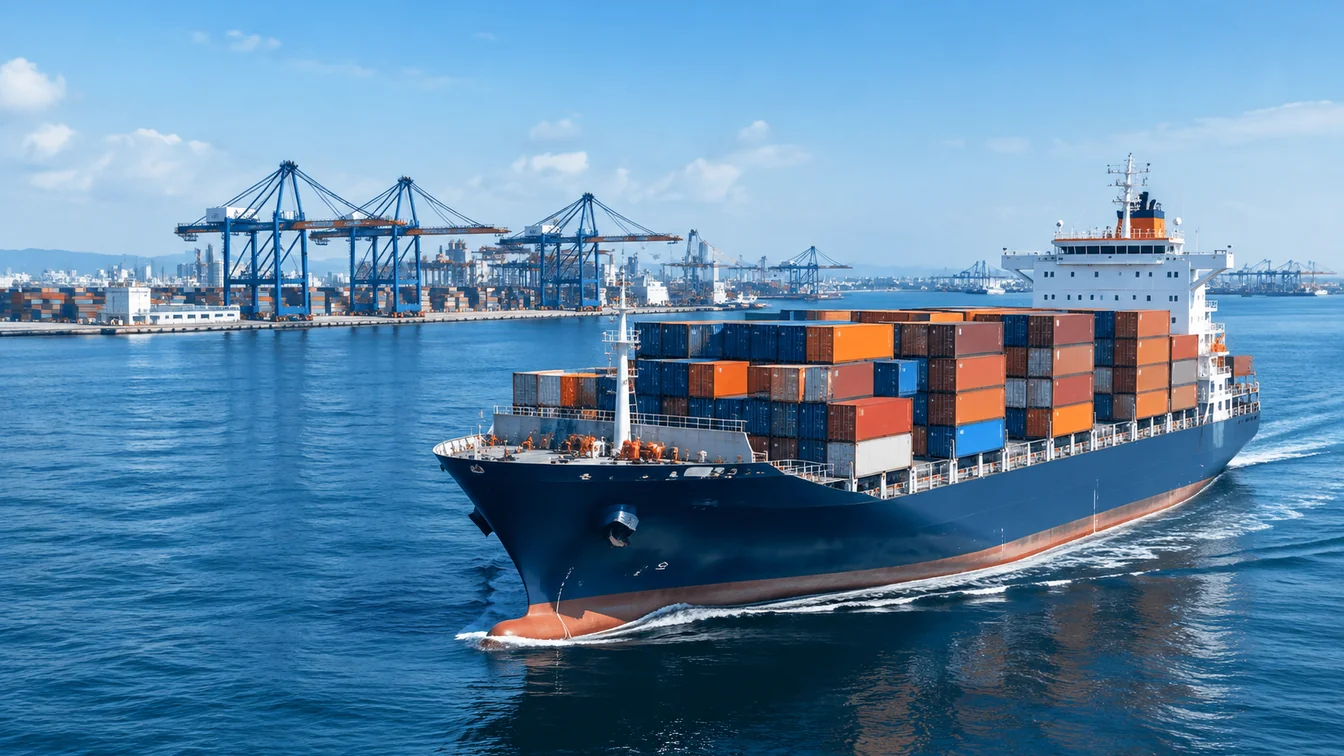
For ocean cargo, match the Chinese export gateway to the supplier or consolidation location, then define the international transport path, Cuban entry point, customs handoff, and final delivery. For suppliers in Zhejiang and nearby Yangtze River Delta districts, Ningbo-Zhoushan Port is a relevant export gateway to compare against pickup distance and the available Cuba routing. The supplier’s location, shipment form, urgency, and consignee’s address determine the practical route.
China to Cuba Shipping Cost and Transit Time
Current TJ Logistics Team planning references provide route-specific China-to-Cuba prices and transit times for October 2026. Each reference applies to its named route, method, equipment or unit.
| Shipping route | Shipping method | Price | Transit time |
|---|---|---|---|
| China → Cuba | FCL 20GP | $3,500–$5,500 per container | 35–45 days |
| China → Mariel, Cuba | FCL 40GP | $19,338–$23,637 per container | 35–50 days |
| China → Mariel, Cuba | FCL 40HQ | $17,149–$20,961 per container | 35–45 days |
| China → Cuba | LCL | $90–$150/CBM | 40–50 days |
| China → Cuba | Air freight | $6–$10/kg | 6–12 days |
| China → Cuba | Express | $18–$28/kg | 3–6 days |
Rate scope: These TJ Logistics Team planning references apply to the shipping route, method, equipment or unit shown. They are not market averages or binding quotations. The formal quotation confirms the agreed collection, delivery, customs, and charge scope for the shipment.
How to Choose a Shipping Method from China to Cuba
Start with the cargo’s loading form and urgency, then match the transport method to the destination and receiving arrangements.
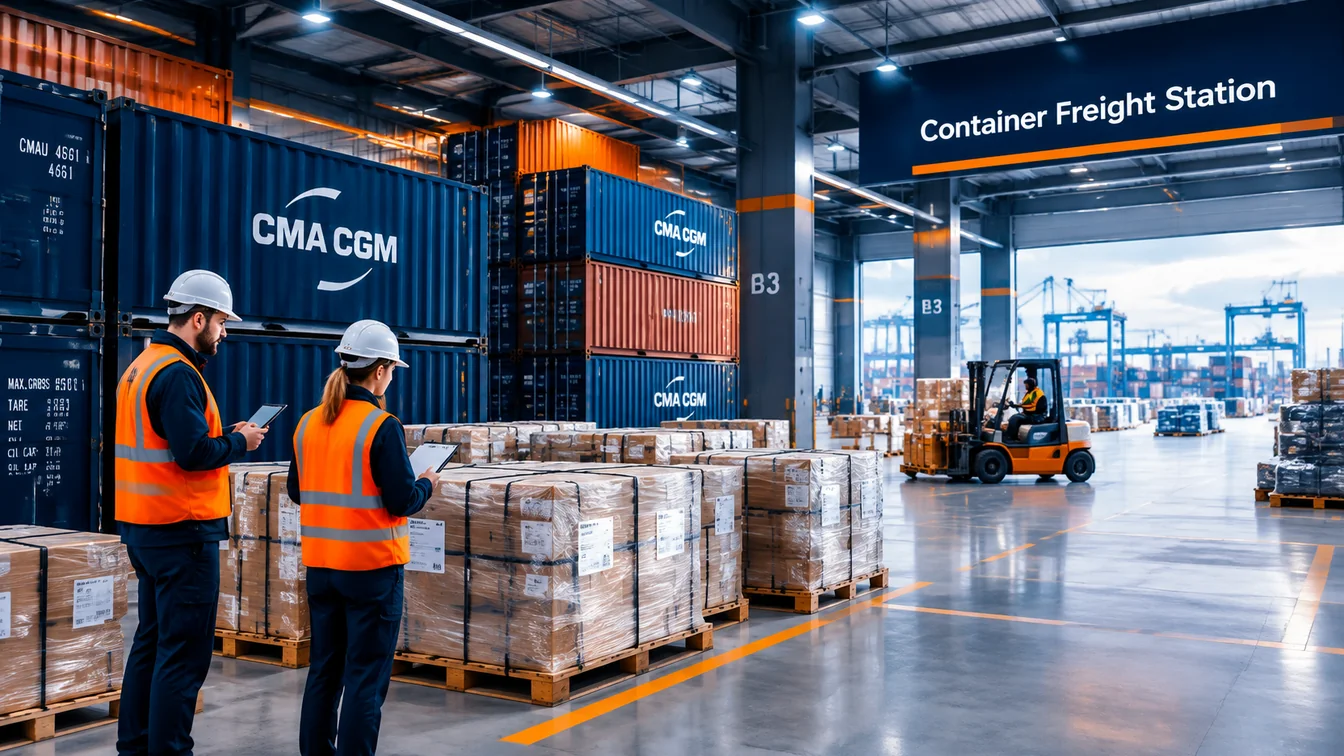
- Choose FCL when the cargo is ready for a dedicated container and needs container-level handling, because the shipment moves as a full container rather than sharing container space; equipment, loading arrangements, and final delivery access can change the fit.
- Choose LCL when the shipment is suitable for a shared load, because origin consolidation allows cargo to move without booking a dedicated container; consolidation cutoffs and destination release arrangements affect execution.
- Choose air freight when delivery urgency justifies an airport-based cargo movement and the goods meet acceptance requirements, because air cargo can suit time-sensitive commercial shipments; the actual arrival airport, cargo handling, and any transfer must be part of the route plan.
- Choose Express when the shipment suits a parcel or express network and the named operator accepts the Cuban destination, because a suitable network can simplify the movement of urgent parcels; commodity restrictions, parcel dimensions, and final-address coverage can make air freight the more workable alternative.
- FCL ocean freight
- Use when: the cargo is ready for a dedicated container and its loading requirements suit a containerized movement. Key route check: match supplier pickup to the actual export gateway and define destination release, container collection, and any empty-equipment return within the agreed scope. Review TJ Logistics Team’s sea freight service for the ocean-freight service category.
- LCL ocean freight
- Use when: the cargo is appropriate for consolidation with other shipments rather than a dedicated container. Key route check: establish the origin consolidation handoff, cargo cutoff, and applicable destination deconsolidation and release arrangements before the onward delivery is planned.
- Air freight
- Use when: the shipment’s urgency and cargo profile justify airport-based transport rather than an ocean movement. Key route check: the booked arrival airport and cargo handler must be identified; José Martí International Airport cargo-station details provide a Havana-side handling reference, but do not establish a particular China-origin flight or transfer pattern. See TJ Logistics Team’s air freight service.
- Express
- Use when: the shipment fits an eligible express network and the cargo and consignee destination are accepted by the actual operator. Key route check: establish the operator, pickup handoff, Cuban customs interface, and final-delivery coverage instead of assuming that every courier serves Cuba. See TJ Logistics Team’s express service.
Plan a China-to-Cuba Shipment from Supplier to Final Delivery
Every China-to-Cuba shipment needs a defined chain from supplier readiness and export handoff in China through the selected international movement, Cuban arrival and customs handoff, and inland delivery to the consignee. After the method is selected, the practical differences lie in how the cargo is accepted, transferred, released, and handed over to the next responsible party.
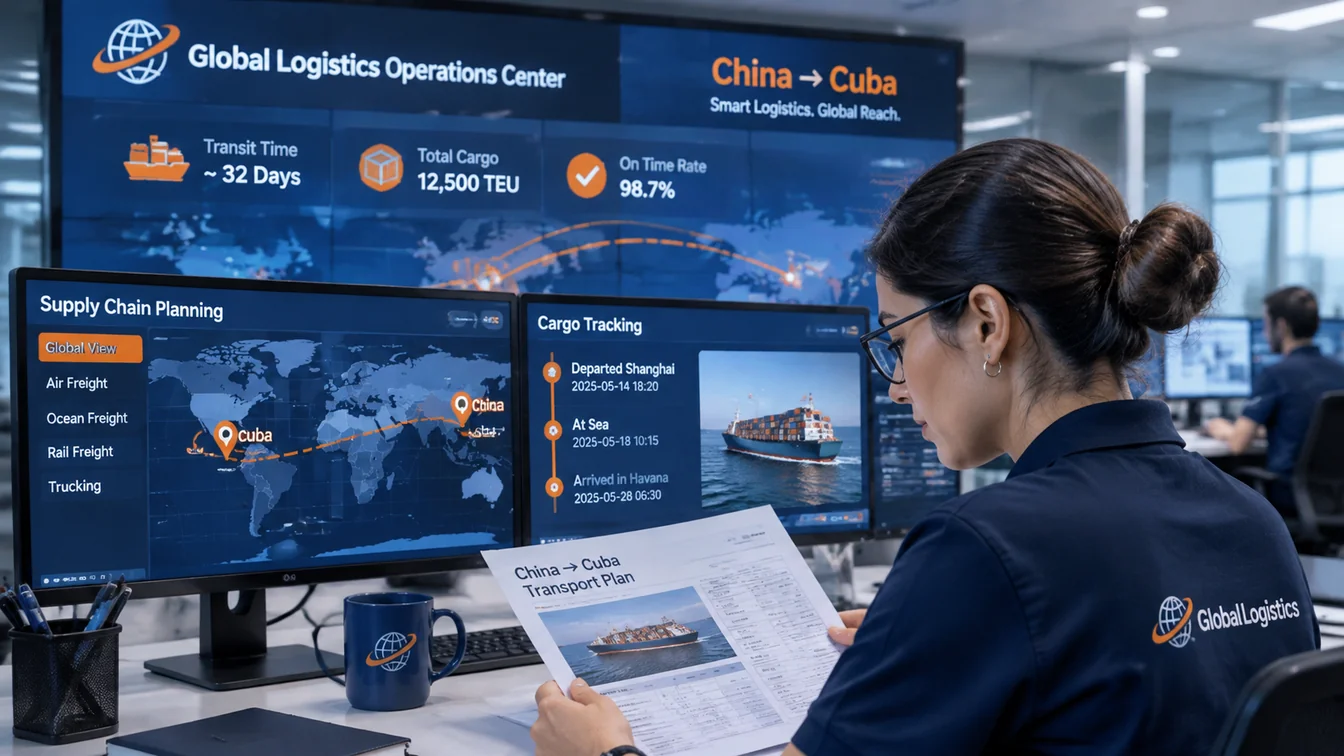
- FCL container movement
- Assign responsibility for container loading and sealing at origin, and record the export gateway used by the booked service. At destination, the operating plan must allocate cargo release, collection, inland transport, and any applicable empty-equipment return.
- LCL consolidation movement
- The supplier’s cargo joins an origin consolidation instead of moving in a dedicated container. The plan must identify the consolidation cutoff and the applicable destination release or deconsolidation handoff before collection or onward delivery.
- Air cargo movement
- Cargo acceptance, chargeable-weight treatment, and the origin cargo-terminal handoff must match the booked arrangement. The destination airport and handling party must be identified, with any transfer shown in the routing rather than assumed.
- Express network movement
- Record the actual operator’s acceptance of the goods and destination, including the pickup and customs handoffs. The final operating plan also needs to define whether the selected network covers delivery to the consignee’s specific address.
Operational Checks Before Booking
- For FCL, record who loads and seals the container, who arranges collection after release, and who returns empty equipment when required.
- For LCL, record the consolidation cutoff, the party responsible for handing cargo into consolidation, and the destination release contact.
- For air freight and Express, establish the actual operator or cargo handler’s acceptance of the product, packaging, and required service.
- For high-value cargo, record whether the buyer has arranged cargo insurance; insurance is a separate risk decision from transport acceptance and customs arrangements.
Choosing Cuba Entry Gateways and Inland Delivery Routes
Cuba’s west-to-east geography makes the consignee’s final location material to the inland leg after arrival and customs release. The city-specific FCL references provide a defined western-entry comparison, while delivery to other parts of the island may require a different inland movement or a separately defined entry arrangement.
| Final delivery area | Typical route pattern | Why the pattern fits | Details needed for the quote |
|---|---|---|---|
| Mariel and nearby western deliveries | For the city-specific FCL references, the route names the Port of Mariel as the destination entry point; inland delivery then follows the consignee’s actual address. | The named entry provides a defined comparison point when it matches the planned destination. The remaining inland leg depends on where the goods must be received. | Provide the final municipality or postal code, the consignee’s address, and any restrictions affecting vehicle access or unloading. |
| Central or eastern Cuba | A Mariel-based entry plan includes an inland movement from the western part of the island to the final delivery area. The general China-to-Cuba references do not name a separate entry gateway for these destinations. | A longer inland movement can change the practical delivery arrangement even when the international transport method remains the same. The appropriate inland trucking scope depends on the destination and receiving conditions. | Provide the final municipality or postal code, the consignee’s vehicle-access limitations, and whether the receiving site can accept a full container or needs a different delivery arrangement. |
Prepare a Comparable Freight Request
Provide: the China supplier or pickup point; cargo-ready timing and cargo profile, including type, packages, dimensions, weight, and CBM; any loading or special-handling condition; the final Cuban postal code and receiving conditions; and the requested delivery scope, timing priority, and relevant importer or broker arrangement.
The formal quotation should state: the pickup and final-delivery boundary; transport method, equipment or unit, and routing pattern; the customs, destination-handling, and inland-delivery handoffs; material included and excluded charges; rate validity; and the conditions that can change the amount or timing.
Prepare for Cuban Customs Before Departure
Cuba’s goods declaration must be submitted under the applicable customs regime by a party entitled to act, with supporting shipment documents that agree with the declaration. Cuba’s Resolution 533/2025 customs procedure provides for electronic declaration filing through the customs single window, subject to the applicable procedural exceptions, and allows customs acceptance to be suspended when authorization or declaration requirements are not met.
The Cuban importer remains responsible for its import obligations even when a representative files the declaration. When brokerage coordination forms part of the agreed service scope, TJ Logistics Team’s customs brokerage service describes the relevant service category but does not replace the need for an eligible representative under Cuban requirements.
Customs Readiness Checklist
Cuba-bound commercial cargo needs consistent product, value, and authorization information before the declaration can proceed.
- Importer and declaration authority: Establish that the Cuban importer and appointed declarant can act under the customs regime applicable to the goods before the export movement is finalized.
- Product classification: Prepare an accurate commercial description, including product type, material, function, model, and other characteristics needed to support tariff classification.
- Customs value: Keep the declared value consistent with the commercial transaction and the supporting cost information requested for customs valuation. Additional evidence may be needed if the value or classification is unclear.
- Origin information: Record the goods’ actual country of origin separately from their shipping origin, and prepare proof of origin when applicable to the product or customs treatment.
- Document consistency: Align the quantities, package counts, weights, descriptions, consignee information, and transport-document details across the commercial records and declaration.
- Product permissions: Obtain any import approvals, technical clearances, sanitary documentation, or other authorizations required for the specific commodity from the responsible authority.
- Payment responsibility: Assign responsibility for customs duties and other amounts assessed on the shipment, including the party that coordinates payment required for release.
Documents to Prepare
Cuba’s Decree 134 supporting-document rules identify commercial and transport documents and provide for additional evidence or permissions where the particular import requires them.
- Commercial invoice with an accurate description of the goods, quantities, unit prices, and transaction values.
- Packing list and weight details, where applicable, consistent with the shipment’s packages and invoice.
- Ocean bill of lading or air waybill, according to the selected method.
- Freight-cost information and proof of origin when applicable to the customs declaration and product.
- Product-specific licenses, permits, sanitary or phytosanitary documents, quality certificates, or technical approvals when required by the commodity and applicable rules.
The main Cuba-specific compliance risk is a mismatch between the importer’s authorized regime, the goods described in the declaration, and the permissions required for the product. Such a mismatch can prevent the declaration from proceeding and delay the release process.
Choose the Right Delivery Scope for China-to-Cuba Shipping
| Service scope | What the scope means | Key responsibility or condition |
|---|---|---|
| Port-to-port (ocean) | Ocean carriage between the agreed export and destination ports. Inland collection and delivery are separate unless expressly added to the service. | The buyer or consignee normally arranges import customs and onward delivery. The agreed service scope can assign additional coordination to another party. |
| Airport-to-airport (air) | Air cargo movement between agreed departure and arrival airports. Destination customs, airport collection, and final-address delivery are separate unless included. | The importer or appointed representative normally manages the import declaration and related release arrangements. Local delivery coordination must be defined separately when required. |
| Door-to-door | Coordinated movement from the agreed China pickup address to a named final delivery address in Cuba. The service covers the agreed transport legs but does not automatically mean duties are paid. | The importer retains its applicable legal obligations unless the law and agreed transaction provide otherwise. Customs filing, duties, taxes, and final receiving conditions must be allocated explicitly. |
A China-to-Cuba door-to-door service is useful when the buyer needs coordination from supplier pickup to the final Cuban address. The commercial scope must still assign customs clearance, import payments, and the responsibility for meeting the consignee’s receiving requirements; a door-to-door label alone does not settle those obligations.
Why Use a Freight Forwarder for Shipping from China to Cuba?
A freight forwarder helps turn shipment details into a workable movement definition, match an appropriate transport path to the final delivery area, and coordinate commercial and operational handoffs among the exporter, transport providers, importer, customs representative, and consignee. For China-to-Cuba cargo, the key decisions are whether the selected route fits the goods, whether the import arrangement is workable, and who must act when a handoff changes.

Turning a broad request into an actionable shipment: An unclear cargo request can lead to comparisons built on different assumptions. A forwarder helps define the movement that the buyer needs before evaluating methods, while the product’s admissibility and the Cuban import arrangement may change what can proceed.
Matching international transport to the final address: A convenient China pickup point does not automatically make its nearest export gateway the best route choice. The supplier or consolidation location, an eligible international path, the named Cuban entry point, and the inland delivery requirement must work together as one plan.
Keeping the next action clear: A document or booking issue can stall a movement when no party owns the next handoff. A forwarder helps define whether the exporter, carrier, importer, customs representative, or consignee must act when the agreed route or receiving conditions change.
How TJ Logistics Team Plans a China-to-Cuba Shipment
- 1. Shipment-definition review
- TJ Logistics Team reviews the defined shipment request and flags route-specific information gaps that prevent a reliable decision, such as an unresolved destination-entry scope or a delivery requirement that has not been aligned with the intended transport method.
- 2. Route and gateway comparison
- TJ Logistics Team maps credible transport and gateway options against the supplier or consolidation location, cargo form, requested timing, and Cuban final-delivery area. Any airport, port, transfer, or express-network arrangement must be supported by the service being considered rather than assumed from the country name.
- 3. Service-boundary and handoff record
- TJ Logistics Team records the agreed movement scope and the responsible parties for the next handoffs before preparing the formal quotation. This includes the division of responsibility among the exporter, transport providers, Cuban importer or customs representative, and final consignee.
- 4. Booking and change coordination
- After the buyer accepts the agreed quotation and scope, TJ Logistics Team coordinates the applicable booking information, commercial documents, and cargo handoff. Changes to transport acceptance, routing, documentation, customs arrangements, or receiving conditions are flagged to the party responsible for the next decision.
China to Cuba Shipping FAQ
How much does a 40ft container from China to Cuba cost?
For the China → Mariel, Cuba FCL 40GP reference, TJ Logistics Team’s planning price is $19,338–$23,637 per container in October 2026. This is the route-specific 40GP reference, so the equipment and destination entry in the shipment plan must match the intended movement.
How long does sea freight from China to Cuba take?
For China → Cuba FCL 20GP, TJ Logistics Team’s planning-transit reference is 35–45 days in October 2026. Use the reference that matches the selected equipment and named destination scope rather than transferring its timing to a different container-specific route.
Which shipping method is most cost-effective for China-to-Cuba cargo?
For container-ready China-to-Cuba cargo, start by comparing FCL for the required equipment; LCL is the shared-load option for suitable smaller consignments, while air freight or eligible Express is worth considering when urgency is more important. Container, volume, and weight-based references use different units, so they do not establish a universal cheapest method.
Which China port or gateway should I use for shipping to Cuba?
For a supplier in Zhejiang or nearby Yangtze River Delta districts, start by comparing Ningbo-Zhoushan Port with the actual pickup and consolidation requirements; for suppliers elsewhere in China, the appropriate export gateway may differ. The booked transport plan must identify its workable Cuba routing instead of assuming that gateway proximity guarantees a direct connection.
What documents should be prepared before shipping from China to Cuba?
For commercial cargo entering Cuba, prepare a commercial invoice, the applicable packing list, and the transport document for the chosen method, together with origin evidence or product permits when required. The Cuban importer or appointed declarant must align these records with the goods declaration, and regulated products may require additional approvals before the shipment is dispatched.
Can I ship door-to-door from China to Cuba?
A China-to-Cuba door-to-door plan can cover the agreed supplier pickup through delivery to a named Cuban address, provided the selected transport arrangement accepts the cargo and destination. The service boundary must separately allocate customs filing, import payments, and local receiving requirements rather than treating door-to-door as an automatic duty-paid service.
Is express shipping available for urgent shipments to Cuba?
Express shipping to Cuba is a practical option only when the actual operator accepts the goods and the consignee’s destination. The generic Express method does not identify a particular courier, so the provider’s acceptance and last-mile coverage must be established before choosing it over air freight.
Why can two China-to-Cuba freight quotes differ?
Two China-to-Cuba freight quotes can differ because they may use different container equipment, volume or weight units, entry points, transport paths, or final-delivery boundaries. Compare offers on the same shipment form and service scope, including the parties responsible for customs and inland delivery, before treating their prices as like-for-like.