

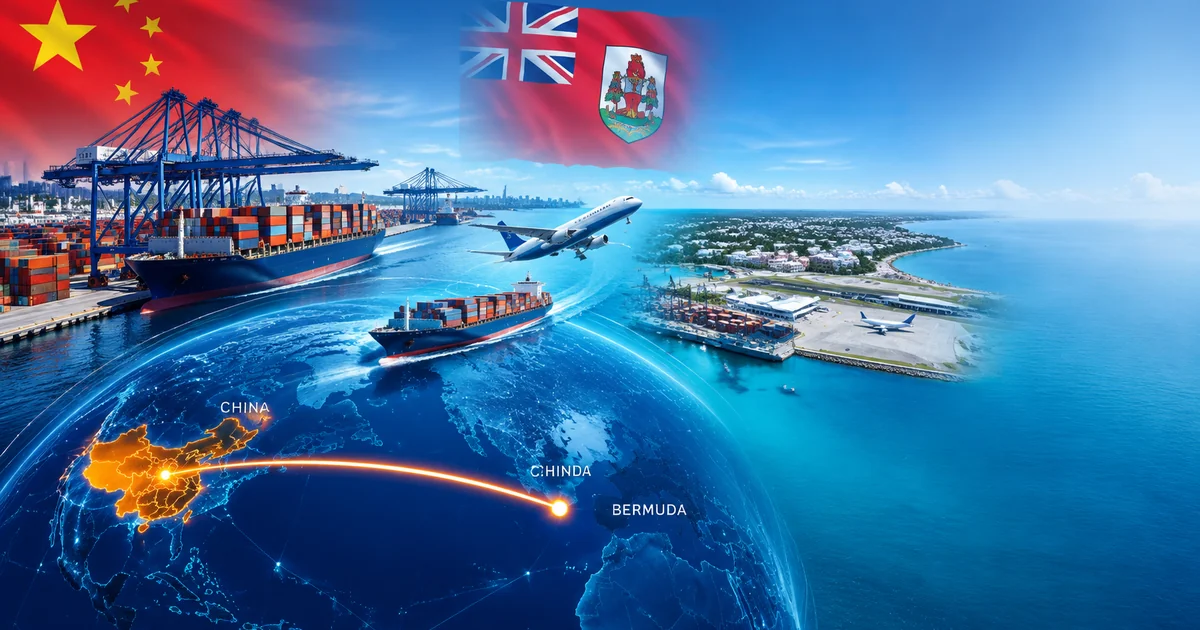
Reviewed by TJ Logistics Team — October 2026. The route content, current planning references, and Bermuda destination-preparation points were reviewed by TJ Logistics Team for this month. The formal quotation and booking are prepared against the defined shipment.
Shipping from China to Bermuda: Route Overview
For FCL 20GP from China → Hamilton Port, Bermuda, the TJ Logistics Team indicative client rate reference is $3,500–$6,500 per container, with a planning-transit reference of 48–58 days. Hamilton is home to Bermuda’s only container port, as described in the Corporation of Hamilton’s port information.
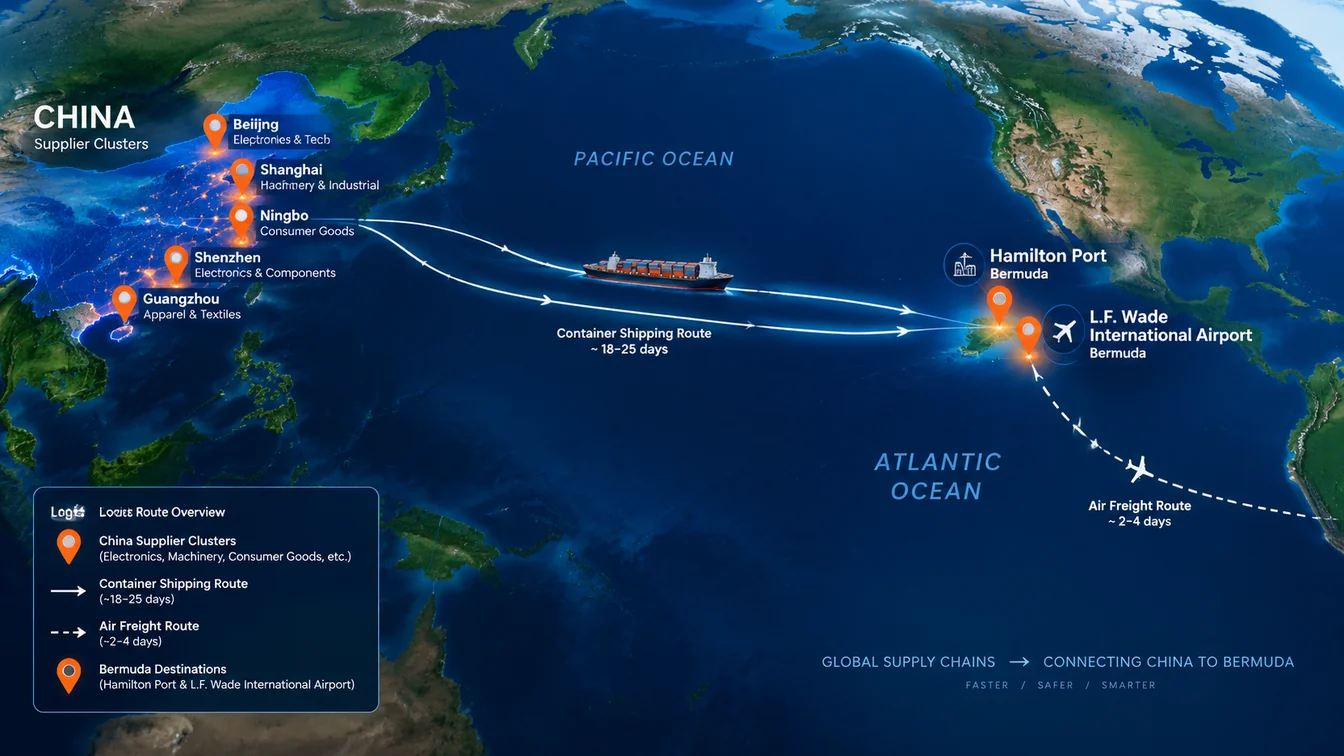
Container-ready cargo generally starts with an ocean-freight comparison, while shared loads, urgent shipments, and parcels require different service decisions. The air-freight reference names L.F. Wade International Airport (BDA), Bermuda, the island’s sole airport with a cargo terminal according to the Bermuda Civil Aviation Authority’s airport information. The China export gateway should suit the supplier’s location and the selected transport service, followed by Bermuda customs clearance and delivery to the final address. TJ Logistics Team’s sea freight service is the relevant service category for evaluating an ocean movement.
China to Bermuda Shipping Cost and Transit Time
Current TJ Logistics Team planning references provide route-specific China-to-Bermuda prices and transit times for October 2026. Each figure is a TJ Logistics Team indicative client rate or planning-transit reference reviewed in October 2026 and applies to its named route, method, equipment or unit; transit values are planning references, not delivery guarantees.
| Shipping route | Shipping method | Price | Transit time |
|---|---|---|---|
| China → Hamilton Port, Bermuda | FCL 20GP | $3,500–$6,500 per container | 48–58 days |
| China → Hamilton Port, Bermuda | LCL | $100–$250/CBM | 50–65 days |
| China → L.F. Wade International Airport (BDA), Bermuda | Air freight | $4–$10/kg | 5–10 business days |
| China → Bermuda | Express | $35.62/kg | 3–7 days |
Rate scope: These TJ Logistics Team planning references apply to the shipping route, method, equipment or unit shown. They are not market averages or binding quotations. The formal quotation confirms the agreed collection, delivery, customs, and charge scope for the shipment.
How to Choose a Shipping Method from China to Bermuda
For China-to-Bermuda cargo, start with ocean freight for container-ready or shared-load shipments and consider air freight or express when the delivery requirement is more urgent. The appropriate choice depends on cargo form, actual and chargeable weight, volume, dimensions, value, handling requirements, supplier location, final Bermuda address, and the agreed collection and delivery scope.
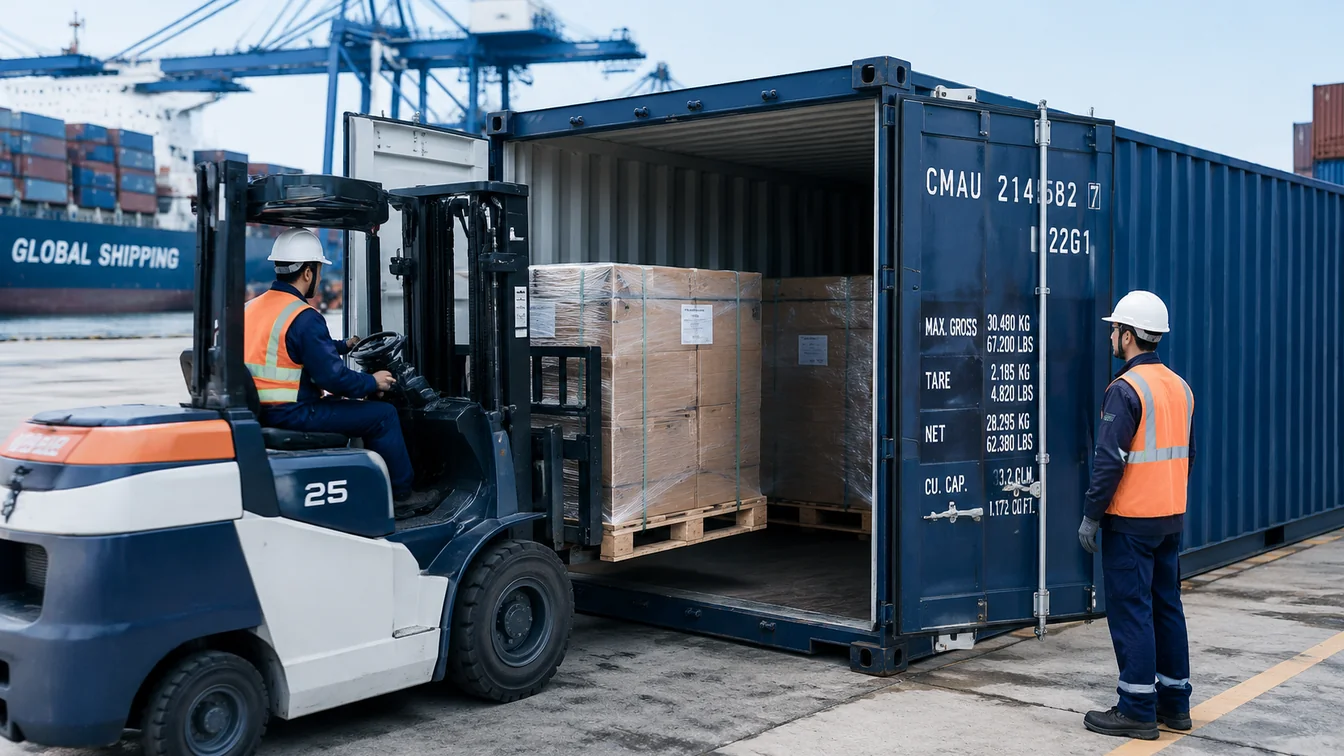
- Choose FCL when the cargo suits a dedicated container, because this keeps the shipment in a container-level ocean movement; loading capability, equipment arrangements, and the actual export gateway can change the practical fit.
- Choose LCL when the cargo needs shared container space, because consolidation accommodates shipments that do not require a dedicated container; consolidation cutoffs and destination release arrangements affect execution.
- Choose air freight when delivery urgency justifies an air-cargo movement, because the shipment can use an airport cargo-handling path; chargeable weight, dimensions, commodity acceptance, and the available itinerary affect suitability.
- Choose express when the goods fit a courier parcel service and the required delivery scope justifies that service, because the courier coordinates parcel-network handoffs; package limits, restricted-goods rules, and final-address coverage may change eligibility.
- FCL ocean freight
- Use when: Cargo can be loaded into a dedicated container and the shipment suits ocean transport to Bermuda. Key route check: Match the supplier’s loading arrangements with the export gateway and the destination release and collection requirements.
- LCL ocean freight
- Use when: Cargo can move as a consolidated shipment rather than requiring a dedicated container. Key route check: Align the origin consolidation process with the applicable destination handling, release, and collection arrangements.
- Air freight
- Use when: A cargo shipment needs an air-based alternative to ocean transport and meets airline acceptance requirements. Key route check: The actual origin airport, any transfer points, the shipment’s chargeable-weight basis, and the arrival cargo handoff must fit the selected service. Review the air freight service scope when comparing this option.
- Express
- Use when: A time-sensitive shipment is suitable for a courier’s parcel network. Key route check: The named service must accept the package and cover the intended Bermuda delivery address, with the customs and last-mile handoffs assigned. TJ Logistics Team’s express service is the relevant service category for this comparison.
Plan a China-to-Bermuda Route from Supplier to Final Delivery
The common China-to-Bermuda shipment chain is supplier cargo readiness and handoff → export movement through the selected China gateway → international transport by ocean, air, or express → Bermuda arrival and customs handoff → collection or final delivery to the receiving address.
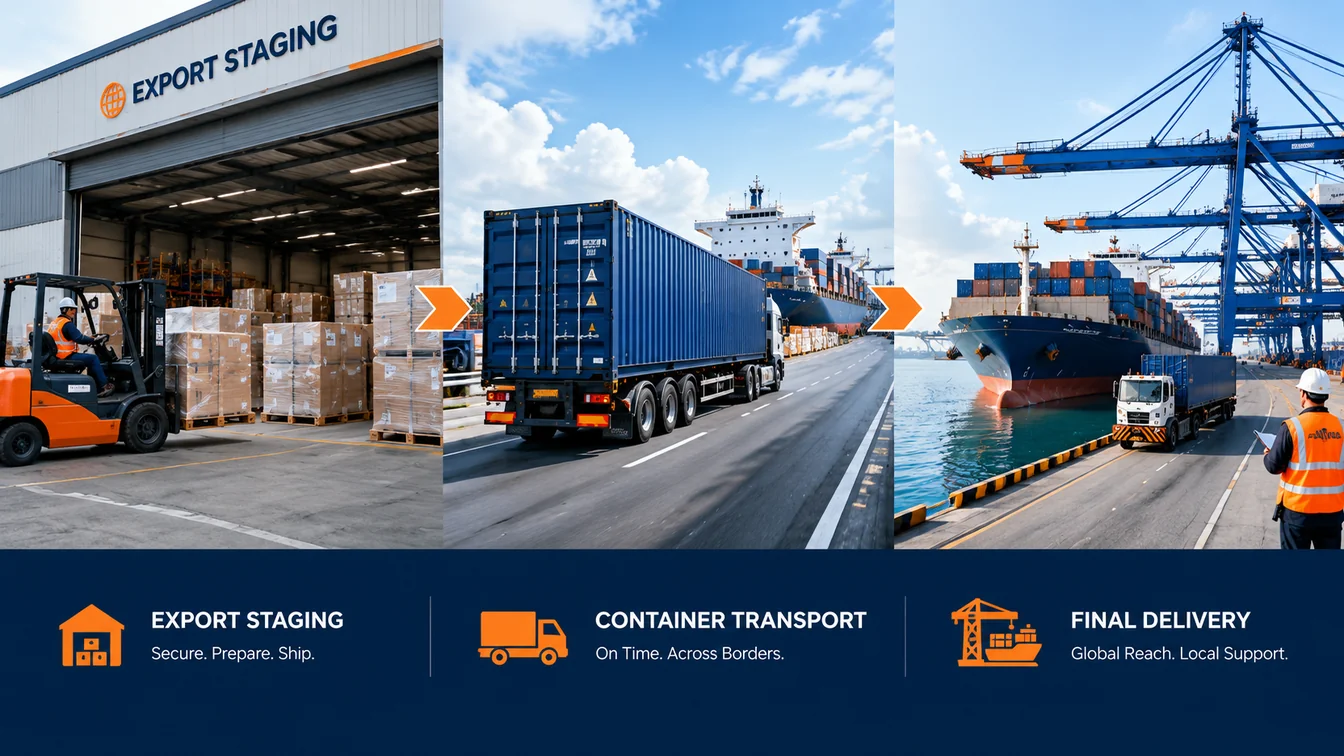
- FCL: Container loading and release
- Assign responsibility for loading and sealing the container and for the China-side export handoff. At destination, the release documents, collection timing, local haulage, and any required empty-equipment return must follow the actual booked arrangement.
- LCL: Consolidation and cargo release
- The cargo must meet the applicable origin consolidator’s cutoff and handling requirements. The destination handoff must account for the actual deconsolidation and release arrangements before cargo collection or onward delivery.
- Air freight: Cargo-terminal handoffs
- Air cargo needs acceptance through the relevant origin handling facility, followed by the booked air movement and destination cargo handoff. The actual origin airport, any transfer pattern, arrival release process, and collection or delivery arrangement form part of the execution plan.
- Express: Courier-network handoffs
- The shipment follows the named courier’s pickup, network, and destination handoff process. Service eligibility and the final-mile arrangement must match the parcel’s characteristics and the actual Bermuda delivery requirement.
Execution Checks Before Booking
- FCL: Assign container-loading and sealing responsibility, and record any required empty-equipment return arrangement.
- LCL: Record the applicable consolidation cutoff and destination cargo-release process.
- Air freight and express: Establish the accepted cargo or parcel handoff and the responsible party at the selected facility or courier-network stage.
Prepare for Bermuda Customs Before Departure
Commercial goods imported into Bermuda require a Bermuda Customs Declaration (BCD), which must be submitted electronically through the Customs Automated Processing System (CAPS) or the Customs Web Trader Service. The Bermuda Customs Declaration guidance explains the declaration’s role and the applicable filing routes.
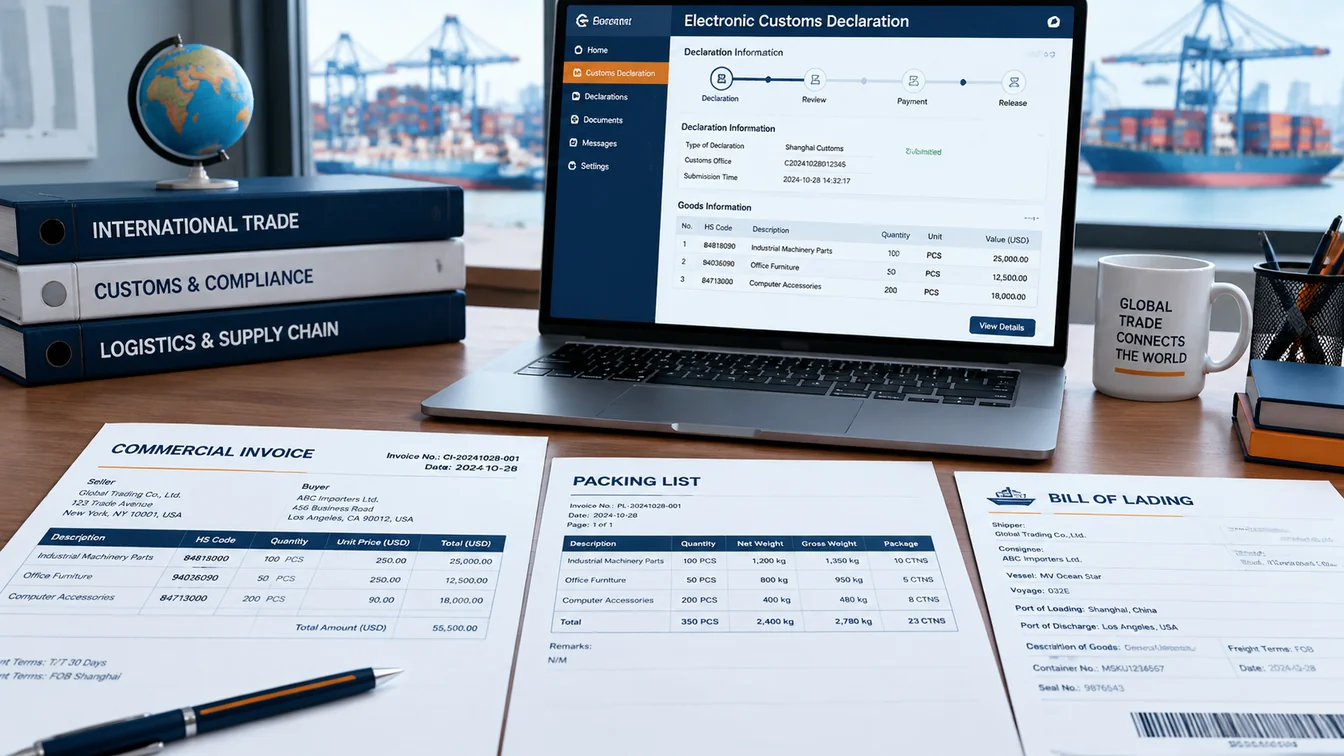
The Bermuda importer remains legally responsible for correct tariff classification even when an agent prepares the customs entry. The importer must select the appropriate code under the current Bermuda Customs Tariff and determine whether the specific goods require an import licence or qualify for relief; the Bermuda tariff classification guidance explains these responsibilities.
What You May Pay at Import
Bermuda import charges can include duty determined by the applicable tariff classification and wharfage. The Government of Bermuda’s import guidance states that wharfage at 1.25% of value applies to most goods imported by air or sea cargo. The duty treatment can change with the commodity classification and any applicable relief, so the charge for one product should not be applied automatically to another.
Customs Readiness Checklist
- Assign the Bermuda importer and the party responsible for preparing and submitting the BCD through an authorised electronic filing route.
- Determine the correct Bermuda Customs Tariff classification for each commodity; the importer retains legal responsibility even when an agent assists with the entry.
- Prepare an accurate customs value from the commercial transaction records, including the correct invoice currency and applicable valuation information.
- Where an invoice is in a foreign currency, use the appropriate weekly exchange rate for the Bermuda-dollar customs valuation, as required by the relevant customs guidance.
- Determine whether the goods require an import licence, permit, certificate, or other product-specific approval before dispatch.
- Agree who is responsible for paying applicable duty, wharfage, and any release-related charges before the goods arrive.
- Determine whether the intended import procedure is ordinary entry into free circulation, temporary importation, a bonded movement, or a valid relief claim.
Documents to Prepare
- Commercial invoice: Provide a clear description of each commodity, quantities, values, and currency consistent with the actual transaction.
- Packing list: Set out the package count and the shipment details needed to reconcile the cargo with the commercial records.
- Transport document: Prepare the applicable bill of lading, air waybill, or courier transport record for the chosen method.
- BCD filing information: Make the required declaration data available to the importer or appointed declarant for electronic submission.
- Conditional documents: Provide product licences, permits, certificates, or relief evidence only where the commodity and intended customs procedure require them.
Where customs-entry assistance forms part of the agreed service, name the appointed declarant and define that party’s responsibility. TJ Logistics Team’s customs brokerage service information describes a related logistics service category; it does not establish that TJ Logistics Team is the appointed Bermuda declarant or replace the importer’s legal obligations.
Bermuda’s current tariff classification and product-control requirements can change. Incorrect classification may result in penalties, additional duty, delay, or seizure, so the commodity code and any required import permission should be resolved before dispatch.
Choose the Right Delivery Scope for China-to-Bermuda Shipping
| Service scope | What the scope means | Key responsibility or condition |
|---|---|---|
| Port-to-port | Covers cargo movement between the named origin and destination ports. Supplier pickup and final Bermuda delivery are not inherent in this scope. | The buyer or named agent normally coordinates the applicable export and import clearance and destination collection unless the agreement assigns those tasks elsewhere. |
| Airport-to-airport | Covers cargo movement between the stated airports rather than pickup at the supplier or delivery to the Bermuda consignee’s address. | The importer or appointed agent arranges the import-clearance and final-collection handoff unless the written service scope includes them. |
| Door-to-door | Coordinates pickup from the specified China supplier address through delivery to the specified Bermuda destination address. | The Bermuda importer normally retains responsibility for classification, product permissions, and import duties unless a different allocation is expressly agreed and legally workable. |
| DDP | Under the agreed Delivered Duty Paid (DDP) Incoterms rule, the seller assumes responsibility for import clearance and applicable import duties and taxes through delivery to the named place. | The seller must be able to fulfil the applicable Bermuda import obligations. The agreement should also define how any exceptional handling, storage, examination, or receiving costs are treated. |
For a China-to-Bermuda shipment that needs pickup at the supplier and delivery to a named receiving address, TJ Logistics Team’s door-to-door service is the relevant scope to evaluate. The written allocation should distinguish the freight movement from the Bermuda importer’s customs, duty, and product-compliance responsibilities.
Why Use a Freight Forwarder for Shipping from China to Bermuda?
A freight forwarder helps turn a China supplier’s cargo into a defined movement, match the transport path to the shipment’s urgency and physical requirements, and coordinate the handoffs between export, Bermuda import entry, and final delivery. These decisions matter because the ocean-container gateway and the airport cargo gateway serve different transport paths, while customs and delivery responsibilities may sit with separate parties.
- Defining a workable movement
- An unclear shipment definition makes competing freight offers difficult to compare. The practical resolution is to agree on the movement and service boundary before selecting a method, particularly when cargo could suit a dedicated container, a shared load, or parcel transport.
- Matching the gateway to the cargo
- A transport path must fit the cargo form, supplier location, urgency, and intended delivery. Comparing ocean entry at Hamilton with air entry at L.F. Wade is useful only when the relevant service and final handoff fit the shipment’s actual requirement.
- Keeping release and delivery responsibilities aligned
- The China exporter, freight provider, Bermuda importer or declarant, and consignee may hold different responsibilities for export handoff, import entry, release, and final collection. Making those responsibilities visible helps distinguish transport coordination from customs representation and cargo-risk protection, which is a separate decision that buyers can evaluate through TJ Logistics Team’s cargo insurance service information.
How TJ Logistics Team Plans a China-to-Bermuda Shipment
- 1. Shipment-definition review
- TJ Logistics Team reviews the defined shipment request and flags any gap that prevents a reliable route decision. For example, a China origin gateway that has not yet been selected may need to be resolved for a gateway-specific routing comparison.
- 2. Transport-path comparison
- TJ Logistics Team compares credible FCL, LCL, air-freight, and express paths against the actual shipment definition, intended Bermuda entry point, urgency, and delivery requirement. A potential route is kept distinct from a service whose connection and scope have been established for the booking.
- 3. Scope and responsibility record
- TJ Logistics Team records the agreed collection and delivery boundary and identifies the parties responsible for the China-side export handoff, Bermuda customs filing, applicable import charges, and destination release before preparing the formal quotation.
- 4. Booking and handoff coordination
- After the buyer accepts the quotation and agreed scope, TJ Logistics Team coordinates the relevant booking information, commercial documents, and cargo handoff. If routing, documentation, timing, or receiving conditions change, the team flags the responsible party and the next decision rather than assuming the original arrangement remains suitable.
China to Bermuda Shipping FAQ
How much does a 20ft container from China to Bermuda cost?
For China → Hamilton Port, Bermuda, the TJ Logistics Team FCL 20GP indicative client rate reference is $3,500–$6,500 per container in October 2026. For container-ready cargo, use this as the starting reference for the dedicated-container option and keep the selected route and delivery scope aligned with the shipment being compared.
How long does sea freight from China to Bermuda take?
For FCL 20GP from China → Hamilton Port, Bermuda, the TJ Logistics Team planning-transit reference is 48–58 days for October 2026. LCL uses a separate consolidation process, so its timing should be evaluated against its own planning reference rather than borrowing the FCL estimate.
Which shipping method is most cost-effective for China-to-Bermuda cargo?
For cargo suited to a dedicated container, start with an FCL ocean-freight comparison; use LCL when the shipment needs shared container space, and consider air freight or express for time-sensitive cargo that fits those services. Per-container, per-CBM, and per-kilogram references are different units, so they do not establish a universal least-cost method for every consignment.
Which China port should I use for shipping to Bermuda?
No single China departure port is named in the FCL reference for Bermuda. Start by matching the export gateway to the supplier’s actual location and a suitable service path toward Hamilton, Bermuda’s only container port; a country-level origin alone does not establish a universal China departure gateway.
What documents should be prepared before shipping from China to Bermuda?
China-to-Bermuda commercial cargo normally needs an accurate commercial invoice, packing list, and the applicable transport document, such as a bill of lading or air waybill. The Bermuda Customs Declaration must be submitted electronically, while licences, permits, certificates, and relief evidence are required only when applicable to the goods or import procedure.
Can I ship door-to-door from China to Bermuda?
Yes, China-to-Bermuda cargo can be planned around a door-to-door service scope that specifies supplier pickup and the final receiving address. The arrangement should name the party responsible for the Bermuda customs filing and import charges, while the Bermuda importer remains legally responsible for correct tariff classification even when an agent assists.
How are Bermuda import duty and wharfage calculated?
Bermuda import duty depends on the correct tariff classification of the goods, while wharfage applies to most goods imported by air or sea cargo. Before agreeing the delivery scope, allocate responsibility for applicable duty, wharfage, and release-related charges; the commodity classification and any eligible relief affect the amount payable.