

China to Canada Shipping for Amazon Sellers USA: A Full Guide
Expanding your e-commerce reach involves navigating complex logistics, especially when managing china to canada shipping for amazon sellers usa. Consequently, many American entrepreneurs find that leveraging the expertise of a professional partner like China Ship Net significantly simplifies the process. This comprehensive guide explores how you can optimize your supply chain and ensure your inventory reaches Canadian fulfillment centers efficiently.
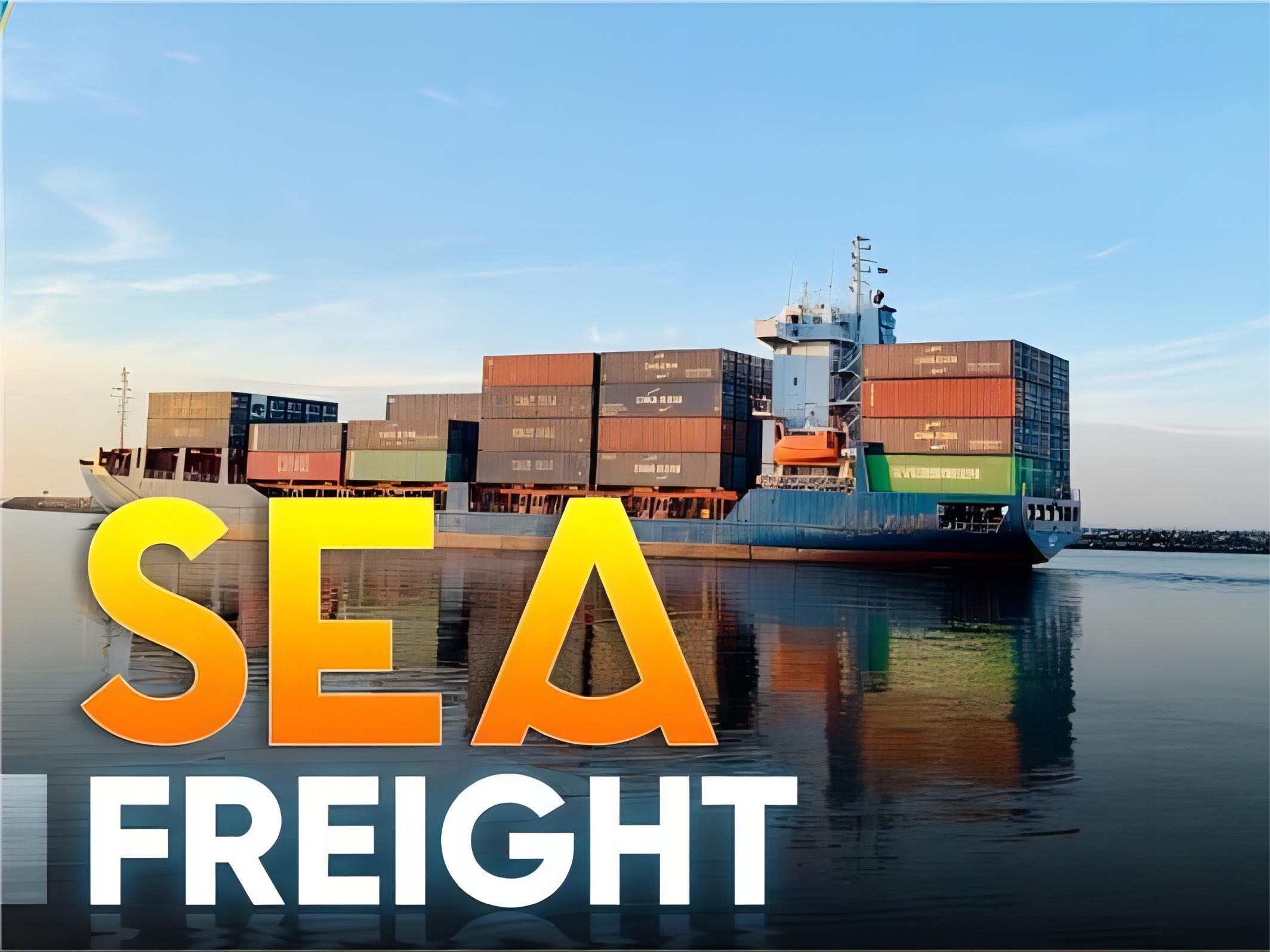
Why China to Canada Shipping for Amazon Sellers USA is Essential
Expanding into the Canadian market allows USA-based sellers to diversify their customer base and increase revenue streams. Furthermore, the proximity of Canada to the United States makes it a logical first step for international growth. Nevertheless, the logistics of moving goods directly from Chinese factories to Canadian warehouses require careful planning.
Typically, sellers must manage different tax regulations and import duties compared to the American market. Therefore, understanding the nuances of the Canadian border is vital for maintaining healthy profit margins. Additionally, using a specialized freight forwarder can prevent common delays associated with improper documentation.
Understanding the Logistics Framework for Canadian FBA
Logistics for Amazon FBA in Canada involves several distinct steps, starting from the factory floor in China. Initially, your goods must be picked up and transported to a major port like Shenzhen or Shanghai. Consequently, choosing the right departure point can impact your overall transit time and inland haulage costs.
Moreover, you must decide whether to ship goods directly to Canada or through a US hub. While shipping directly to Canada is often faster, some sellers prefer to consolidate inventory in the USA first. However, direct shipping usually results in lower overall shipping costs and fewer handling risks for your cargo.
Comparing China to Canada Shipping for Amazon Sellers USA Options
Selecting the most appropriate transport mode depends on your budget, volume, and urgency. For instance, sea freight remains the most popular choice for large shipments due to its cost-effectiveness. In contrast, air freight offers significantly faster delivery for high-value or seasonal items.
Additionally, sellers must consider the difference between Full Container Load (FCL) and Less than Container Load (LCL). If you have enough inventory to fill a 20ft or 40ft container, FCL provides better security and lower per-unit costs. Meanwhile, LCL is ideal for smaller batches where you share container space with other importers.
| Shipping Method | Cost Range | Transit Time | Best For |
|---|---|---|---|
| Sea Freight (FCL) | $2,800 – $4,500 | 18 – 35 Days | Bulk inventory |
| Sea Freight (LCL) | $150 – $300 per CBM | 25 – 40 Days | Medium shipments |
| Air Freight | $5.00 – $9.00 per kg | 5 – 10 Days | Urgent restocks |
| Express Service | $8.00 – $15.00 per kg | 3 – 5 Days | Samples and small items |

How Does Sea Freight Compare to Other Shipping Options?
While sea freight is the backbone of global trade, it is not always the best fit for every scenario. For example, Express Service is often superior for small parcels under 100kg because it includes door-to-door delivery and customs handling. Consequently, sellers must weigh the high speed of express against the significantly lower costs of ocean transport.
Furthermore, hybrid solutions like sea-air combinations have emerged as a middle-ground strategy. These services involve shipping by sea to a hub like Dubai or Singapore and then flying the goods to Canada. As a result, you get a faster transit than pure sea freight at a lower price point than pure air freight.
| Method | Cost Efficiency | Speed Rank | Limitations |
|---|---|---|---|
| Sea Freight | Very High | Low | Longer lead times |
| Air Freight | Low | High | Weight restrictions |
| Express | Very Low | Very High | Expensive for bulk |
| Sea-Air Hybrid | Medium | Medium | Complex scheduling |
Navigating Customs and Compliance for Canadian Imports
Importing goods into Canada requires a thorough understanding of the Canada Border Services Agency (CBSA) requirements. Specifically, you must obtain a Business Number and an Import/Export account before your goods arrive. Additionally, hiring a professional customs brokerage service is highly recommended to handle complex tariff classifications.
Documentation is the most frequent cause of delays at the Canadian border. Therefore, ensure your commercial invoice, packing list, and bill of lading are accurate and consistent. Moreover, be aware of the Goods and Services Tax (GST), which is typically 5 percent on imported goods, though some provinces may have additional requirements.
Which Shipping Option Should You Choose?
Choosing the right strategy depends on several key factors including your inventory turnover and profit margins. If your primary goal is budget priority, then sea freight is the undisputed winner for shipments over 2 CBM. On the other hand, if you are launching a new product and need to hit a specific deadline, speed priority should lead you toward air or express options.
Regarding cargo type considerations, fragile or perishable goods often benefit from the shorter handling times of air transport. Furthermore, volume thresholds play a role; once your shipment exceeds 15 CBM, switching from LCL to a 20GP container usually becomes more economical. Always consult with your logistics provider to analyze the current market rates and capacity.
Case Studies: China to Canada Shipping for Amazon Sellers USA
Case Study 1: Small Electronics Brand. Route: Shenzhen to Vancouver. Cargo: 500kg of power banks, 3 CBM. Method: LCL Sea Freight. Cost: $1,450 total landed cost. Transit Time: 22 days. Key Insight: Using a West Coast port saved 10 days compared to shipping to Toronto, allowing the seller to restock before a major sale.
Case Study 2: Home Decor Startup. Route: Ningbo to Toronto via Port of Montreal. Cargo: 20GP Container of textiles. Method: FCL Sea Freight. Cost: $3,800. Transit Time: 35 days. Key Insight: Direct door to door service simplified the final mile delivery to the FBA warehouse during peak season.
Case Study 3: Urgent Seasonal Restock. Route: Shanghai to Calgary. Cargo: 200kg of holiday apparel. Method: Air Freight. Cost: $1,800. Transit Time: 7 days. Key Insight: Despite higher costs, the seller avoided out-of-stock penalties and captured high-margin holiday sales.

Cost-Saving Strategies and Market Intelligence
According to industry benchmarks, shipping rates can fluctuate by as much as 30 percent depending on the season. Therefore, booking your shipments at least 3-4 weeks in advance during the August to October peak season is essential. Additionally, consolidating multiple small orders into one larger shipment can significantly reduce your per-unit logistics expenses.
Market data suggests that freight rates from China to North America have stabilized in early 2025 following previous disruptions. However, fuel surcharges and carrier capacity still influence the final quote you receive. Consequently, maintaining a flexible delivery schedule can help you take advantage of lower rates during off-peak windows.
Final Thoughts on Canadian FBA Logistics
Successfully managing china to canada shipping for amazon sellers usa requires a blend of strategic planning and reliable partnerships. By choosing the right shipping method and staying compliant with Canadian customs, you can scale your business effectively. Remember that while cost is important, reliability and transit speed often determine your long-term success on the Amazon platform.
Note: Freight rates are subject to change based on fuel costs, carrier capacity, and seasonal demand. Contact us for a current quote tailored to your specific shipment.
Ready to streamline your logistics?
Streamline your international logistics today by requesting a custom quote for china to canada shipping for amazon sellers usa. Contact our expert team at China Ship Net to optimize your supply chain and reduce your landed costs. Visit our website to learn more about our tailored FBA solutions.
Request Quote