
China Cargo Shipping Affordable Spain: Best Routes and Rates
Finding china cargo shipping affordable spain solutions is a top priority for businesses importing goods into the European market. By partnering with China Ship Net, companies can access a wide range of logistics options that balance speed and cost effectively. This comprehensive guide explores how to navigate the complexities of international freight while keeping your expenses under control. Consequently, you can optimize your supply chain and improve your profit margins through smarter shipping choices.
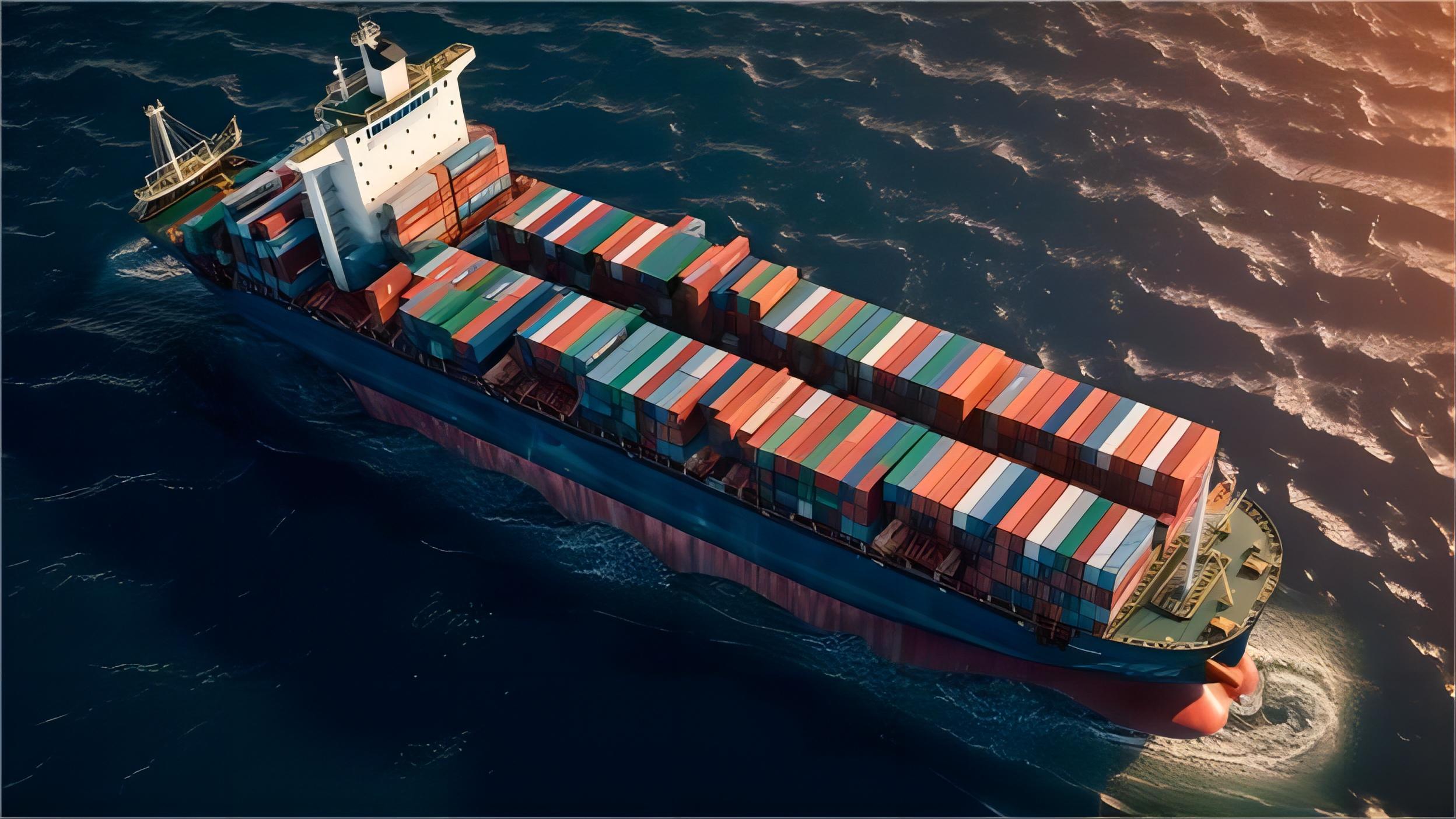
Understanding the Market for China Cargo Shipping Affordable Spain
Navigating the logistics landscape requires a deep understanding of current market trends and regional demand. Spain remains a critical gateway for goods entering Southern Europe, making it a competitive destination for various carriers. Moreover, the availability of multiple ports like Barcelona, Valencia, and Algeciras provides shippers with numerous entry points. Choosing the right port can significantly impact your total landed cost and delivery schedule.
Recent market data suggests that freight rates have stabilized in early 2025 following previous global disruptions. However, businesses must still account for fuel surcharges and seasonal demand spikes that occur during peak shipping months. Furthermore, local economic factors in Spain influence the efficiency of inland transport and warehousing services. Therefore, staying informed about these variables is essential for maintaining an affordable shipping strategy.
Reliable logistics providers offer tailored solutions that cater to specific cargo types and volume requirements. Additionally, integrating modern tracking technology allows for better visibility throughout the transit process. Indeed, transparency in the supply chain helps prevent unexpected delays and associated costs. Consequently, importers can plan their inventory more accurately and meet customer expectations with greater consistency.
Comparing Sea Freight and Air Freight Costs to Spain
Determining the most cost-effective method often comes down to a trade-off between transit time and budget. For large volumes, sea freight remains the most economical choice for most businesses. On the other hand, air freight offers unparalleled speed for urgent shipments or high-value goods. In addition, businesses must consider the weight and volume of their cargo when making this decision.
Ocean freight typically involves longer lead times but offers significantly lower rates per kilogram compared to air transport. For example, shipping a full container can be much cheaper than sending the same volume via air cargo. Furthermore, sea transport is better suited for bulky items or hazardous materials that face strict air regulations. Nevertheless, the choice depends heavily on your specific business needs and delivery deadlines.
| Method | Cost Range | Transit Time | Best For |
|---|---|---|---|
| Sea Freight (FCL) | $1,800 – $3,500 | 28 – 35 Days | Bulk Goods |
| Sea Freight (LCL) | $60 – $120/CBM | 35 – 45 Days | Small Shipments |
| Air Freight | $4.50 – $7.50/kg | 5 – 8 Days | Urgent Items |
| Rail Freight | $120 – $180/CBM | 18 – 24 Days | Mid-range Needs |
The Rise of Rail Freight as a Cost-Effective Alternative
Many importers are now turning to rail freight as a middle-ground solution for their logistics needs. This method provides a faster transit time than sea freight while remaining more affordable than air transport. Consequently, it has become a popular choice for electronics, automotive parts, and fashion retailers. Moreover, the rail connection between China and Europe has seen significant infrastructure improvements in recent years.
Rail transport offers consistent schedules and is less susceptible to the weather-related delays that often affect ocean vessels. In contrast, the capacity for rail can be more limited during peak seasons compared to massive container ships. Furthermore, the environmental impact of rail freight is generally lower than that of air transport. Therefore, it serves as an excellent option for companies looking to balance sustainability with logistical efficiency.

How Does Sea Freight Compare to Other Shipping Options?
Analyzing the pros and cons of each method is vital for finding china cargo shipping affordable spain opportunities. While sea freight is the cheapest, it requires careful planning to account for the month-long transit time. Additionally, port congestion can occasionally extend these timelines beyond the initial estimate. In addition, businesses must manage their cash flow differently when goods are in transit for longer periods.
Alternative strategies like sea-air combinations can offer a balance of cost and speed for certain routes. For instance, shipping goods by sea to a hub like Dubai and then flying them to Spain can save time. However, these hybrid solutions require expert coordination to ensure smooth transfers between different modes of transport. Consequently, working with an experienced freight forwarder is crucial for executing these complex logistics plans.
| Shipping Method | Cost Range | Transit Time | Limitations |
|---|---|---|---|
| Direct Sea | Lowest | 30-35 Days | Longest lead time |
| Transshipment | Moderate | 38-45 Days | Higher delay risk |
| Direct Air | Highest | 3-5 Days | Weight limits |
| Rail Link | Medium | 20-22 Days | Fixed routes |
Case Study 1: Shipping Electronics from Shenzhen to Barcelona
Case Study 1: Consumer Electronics Shipment
Route: Shenzhen, China to Barcelona, Spain
Cargo: Computer peripherals, 12 CBM, 2,500 kg
Container: LCL (Less than Container Load)
Shipping Details:
– Carrier: Major ocean carrier
– Port of Loading: Shenzhen
– Port of Discharge: Barcelona
– Route Type: Direct sea freight
Cost Breakdown:
– Ocean Freight: $950
– Origin Charges: $250
– Destination Charges: $320
– Customs and Duties: $1,100
– Total Landed Cost: $2,620
Timeline:
– Booking to Loading: 4 days
– Sea Transit: 32 days
– Customs Clearance: 3 days
– Total Door-to-Door: 39 days
Key Insight: Using LCL allowed the client to maintain frequent inventory updates without waiting to fill a full container. Based on Q4 2024 market rates, this was the most economical approach for their volume.
Case Study 2: Shipping Home Decor from Ningbo to Madrid
Case Study 2: Industrial Furniture Components
Route: Ningbo, China to Madrid, Spain
Cargo: Metal furniture frames, 68 CBM, 15,000 kg
Container: 40HQ (High Cube Container)
Shipping Details:
– Carrier: COSCO Shipping
– Port of Loading: Ningbo
– Port of Discharge: Valencia (Inland to Madrid)
– Route Type: Transshipment via Singapore
Cost Breakdown:
– Ocean Freight: $3,200
– Origin Charges: $450
– Destination Charges: $550
– Customs and Duties: $2,400
– Total Landed Cost: $6,600
Timeline:
– Booking to Loading: 6 days
– Sea Transit: 34 days
– Customs Clearance: 2 days
– Total Door-to-Door: 42 days
Key Insight: Choosing a 40HQ container provided the best value per cubic meter for this high-volume shipment. Note: Freight rates are subject to change based on fuel costs, carrier capacity, and seasonal demand. Contact us for a current quote tailored to your specific shipment.
Which Option Should You Choose for Your Business?
Selecting the right shipping method depends on your specific priorities regarding budget and speed. If your primary goal is cost reduction, sea freight is almost always the superior choice for bulk cargo. Conversely, if you are launching a new product and need it in stores quickly, air freight might justify the higher expense. In addition, consider the value-to-weight ratio of your products before making a final decision.
Budget priority: Recommend sea freight for shipments over 2 CBM to maximize savings. Speed priority: Recommend air freight for time-sensitive goods or rail freight for a balanced approach. Cargo type considerations: Use specialized containers for fragile or temperature-sensitive items. Volume thresholds: Once you exceed 15 CBM, consider switching from LCL to a 20GP container for better security and rates.
Navigating Customs and Regulatory Requirements in Spain
Successful importing requires a thorough understanding of customs brokerage procedures in Spain. Spanish customs authorities require specific documentation, including the Bill of Lading, Commercial Invoice, and Packing List. Moreover, ensuring your HS Codes are accurate is essential for calculating the correct duties and taxes. Failure to comply with these regulations can lead to costly delays or fines at the port.
Documentation accuracy is the most critical factor in avoiding unexpected storage fees. In addition, some products may require additional certifications, such as CE marking for electronics or health certificates for food items. Furthermore, working with a local expert can help you navigate the specific nuances of Spanish import laws. Consequently, you can ensure a smooth transition from the port to your final destination in Europe.

Practical Strategies for Lowering Your Shipping Costs
Implementing cost-saving strategies can significantly reduce your overall logistics expenditure. One effective method is to consolidate shipments from multiple suppliers into a single container. Moreover, optimizing your packaging to reduce unused space can lower your CBM measurements and freight costs. Additionally, booking your shipments at least 2-3 weeks in advance can help you secure better rates from carriers.
Negotiating long-term contracts with freight forwarders can also provide more stable pricing throughout the year. On the other hand, being flexible with your delivery dates allows you to take advantage of off-peak discounts. Furthermore, consider using door to door services to simplify your logistics and potentially reduce administrative overhead. Indeed, a streamlined process often leads to fewer hidden costs and better resource management.
Final Thoughts on Affordable Shipping to Spain
Achieving china cargo shipping affordable spain goals is possible when you combine careful planning with the right logistics partnership. By evaluating the differences between sea, air, and rail freight, you can choose the method that best aligns with your business objectives. Moreover, staying updated on market trends and customs regulations will help you avoid unnecessary expenses. Consequently, your business can maintain a strong presence in the Spanish market while keeping logistics costs manageable.
Reliability and transparency should always be at the forefront of your shipping strategy. Furthermore, utilizing tools like shipment tracking and professional customs brokerage will ensure your goods arrive safely and on time. As market conditions evolve in 2025, remaining flexible and informed will be your greatest advantage. Start optimizing your supply chain today by exploring the diverse options available for shipping from China to Spain.

Ready to streamline your logistics?
Maximizing your savings on china cargo shipping affordable spain services requires the right expertise and network. Our team at China Ship Net is dedicated to providing you with the most competitive rates and reliable transit times for all your Spanish imports. Whether you need sea, air, or rail freight, we offer tailored solutions to fit your budget. Send Inquiry: Visit https://chinashipnet.com to request a personalized quote today.
Request Quote