

What Is the Cheapest Way to Ship from China to Canada?
The cheapest shipping from China to Canada depends on cargo weight, packed volume, delivery urgency, and the full cost of transportation. For commercial shipments above approximately 500 kg (about 1,000 Chinese jin), ocean freight is generally the first option to compare when minimizing transportation costs is the priority. For shipments between approximately 150 and 500 kg, compare standard air freight with less-than-container-load (LCL) ocean shipping. For lighter consignments, compare express courier, air freight, and LCL according to package size and delivery requirements.
These weight thresholds are practical screening guidelines, not guaranteed break-even points. Bulky, lightweight cargo can incur substantial air freight charges because carriers calculate volumetric weight. Ocean LCL also has minimum charges and handling costs, while full-container-load (FCL) shipping requires a separate assessment based on container use and the route. Compare the total quoted cost, including origin services, main freight, destination handling, customs arrangements, and final delivery. The right choice is the service that meets the shipment’s requirements at a competitive total cost.
What Shipment Information Determines the Best Option?
The buyer should establish the cargo’s final packed dimensions, gross weight, piece count, packaging type, and product description before comparing quotations. The supplier’s pickup address and the Canadian delivery postal code are equally important because they determine the proposed route and inland transportation requirements.
The delivery deadline changes the decision. A business replenishing routine inventory may be able to accommodate a flexible receiving window. A shipment needed for production or a product launch may require a faster service because late arrival could disrupt operations. Tell the forwarder the required delivery date and explain whether the deadline is flexible.
The importer should also identify the Canadian importer of record, consignee, customs broker, and party arranging payment of import charges. Confirm whether the cargo needs special handling, product-specific documentation, permits, or additional carrier approval before collection.
Decision trigger: If the product may require permits, special handling, or supporting technical documents, provide its exact description and available specifications before booking. Ask the forwarder and customs broker to confirm the applicable acceptance and import requirements before cargo collection.
Keep provisional measurements separate from final packing data. Once the supplier confirms the finished shipment, the forwarder should check whether the quotation and selected service remain suitable for the actual cargo.
How Much Weight Should You Ship by Air or Sea?
Use the following weight bands to decide which services deserve an initial quotation. The thresholds reflect published shipping guidance for China-to-Canada cargo, but they do not replace a comparison of packed volume, delivery urgency, or the complete charges for the specific route.
| Actual gross weight | First options to compare | Best starting condition | Important qualification |
|---|---|---|---|
| Below approximately 150 kg (300 Chinese jin) | Express, air freight, and LCL | Small consignments or samples; LCL remains worth checking for bulky cargo | Package dimensions and minimum charges can change the result |
| Approximately 150–500 kg (300–1,000 Chinese jin) | Standard air freight and LCL | Air when delivery speed matters; LCL when the schedule is flexible | Compare chargeable weight against ocean handling and destination costs |
| Above approximately 500 kg (1,000 Chinese jin) | Ocean LCL or FCL, depending on cargo volume | Routine commercial cargo with a flexible delivery window | Air can still be appropriate when the deadline justifies the cost |
| Approximately 13–15 CBM | Ocean LCL and FCL | Cargo approaching the point where a dedicated container merits comparison | The cost crossover depends on the route, handling, and inland delivery |
Freightos identifies approximately 150–500 kg as a useful range for comparing standard air freight and notes that ocean freight often becomes more economical for shipments above approximately 500 kg. Treat these thresholds as an initial screening rule, not a universal price boundary. The same source advises checking LCL for larger shipments because the most economical service can change with cargo size and the origin-destination pair.
For container planning, obtain both LCL and FCL quotations when the cargo approaches approximately 13–15 CBM. This is a comparison trigger rather than an automatic instruction to book a full container. Request a written assessment of the loading plan, applicable handling, and complete delivery scope before choosing.
How Long Does Shipping from China to Canada Take?
A transit estimate should identify the specific route and clarify whether it measures international main carriage or the complete door-to-door cycle. The two scopes are not interchangeable: cargo can arrive at a Canadian port while destination handling, customs clearance, or inland delivery remains outstanding.
For example, CSL’s published China-to-Canada route information lists an approximate ocean main-carriage range of 15–20 days from Shanghai Port to the Port of Vancouver. This is a port-to-port planning reference, not a guaranteed sailing schedule or a complete delivery estimate. The publisher labels its underlying ocean rate information as a 2026 third-quarter reference, so the figures should be checked against the current booking before use.
The actual door-to-door cycle also depends on the cargo-ready date, carrier booking, export handling, destination operations, customs release, inland transfers, and delivery appointments. Do not add a generic handling allowance to the published port-to-port range and treat the result as a confirmed delivery time.
Different Canadian destinations can require different routing and inland arrangements. Ask the forwarder to identify the proposed origin and destination gateways, whether the service includes transshipment or rail connections, and which stages fall within its delivery estimate. For inventory planning, obtain a separate route-specific estimate for the complete journey to the receiving address.
How Much Is Shipping to Canada? Public Freight Price References
Public freight benchmarks provide a starting point for budgeting, but they are not substitutes for a shipment-specific quotation. The following examples come from CSL’s published China-to-Canada shipping information. They use different billing units and service scopes, so buyers should not compare them as if they represented equivalent end-to-end services.
| Transport service | Route or scope | Published reference | What the reference covers |
|---|---|---|---|
| Air freight, approximately 100 kg weight break | Shanghai Pudong International Airport (PVG) to Vancouver International Airport (YVR) | US$4.70–$5.60 per chargeable kg | Airport to airport; fuel and security surcharges, duties, pickup, and delivery excluded |
| Air freight, approximately 300 kg weight break | Shanghai Pudong International Airport (PVG) to Vancouver International Airport (YVR) | US$4.20–$4.90 per chargeable kg | Airport to airport; confirm the current carrier rate and applicable surcharges |
| Air freight, approximately 500 kg weight break | Shanghai Pudong International Airport (PVG) to Vancouver International Airport (YVR) | US$3.80–$4.50 per chargeable kg | Airport to airport; customs, pickup, and delivery remain separate considerations |
| Ocean LCL | Published China-to-Canada reference across destination regions | US$125–$175 per CBM | Destination region affects the reference; confirm the exact inclusions and delivery scope |
| Ocean FCL, dedicated container | Shanghai Port to Port of Vancouver | US$2,400 per 20-foot container | Published 2026 third-quarter route reference; surcharges and duties excluded |
The air freight figures use weight-break pricing and chargeable kilograms, not necessarily the cargo’s actual gross weight. The LCL benchmark is a broader regional reference rather than a guaranteed rate for every port pair. The FCL figure is a dated reference for a specific route and container type, not a live booking price.
These figures are drawn from CSL’s published China-to-Canada rates and transit guidance. The provider notes that freight rates and charges can vary. Confirm the current rate, the quoted currency, the validity period, the full service scope, and all applicable surcharges in writing before using a published figure for purchasing or inventory decisions.
For a reliable comparison, obtain quotations for the same shipment details and delivery requirements. A low main-freight rate may exclude local handling, fuel and security surcharges, customs brokerage, duties and taxes, or inland delivery. A different published rate may cover a different stage of transportation, so its headline amount cannot establish which service will cost less overall.

Note: Freight rates change with cargo details, route, carrier capacity, fuel costs, seasonal demand, service scope, and destination charges. Request a current quote for the specific shipment.
How Do You Calculate Air Freight Chargeable Weight?
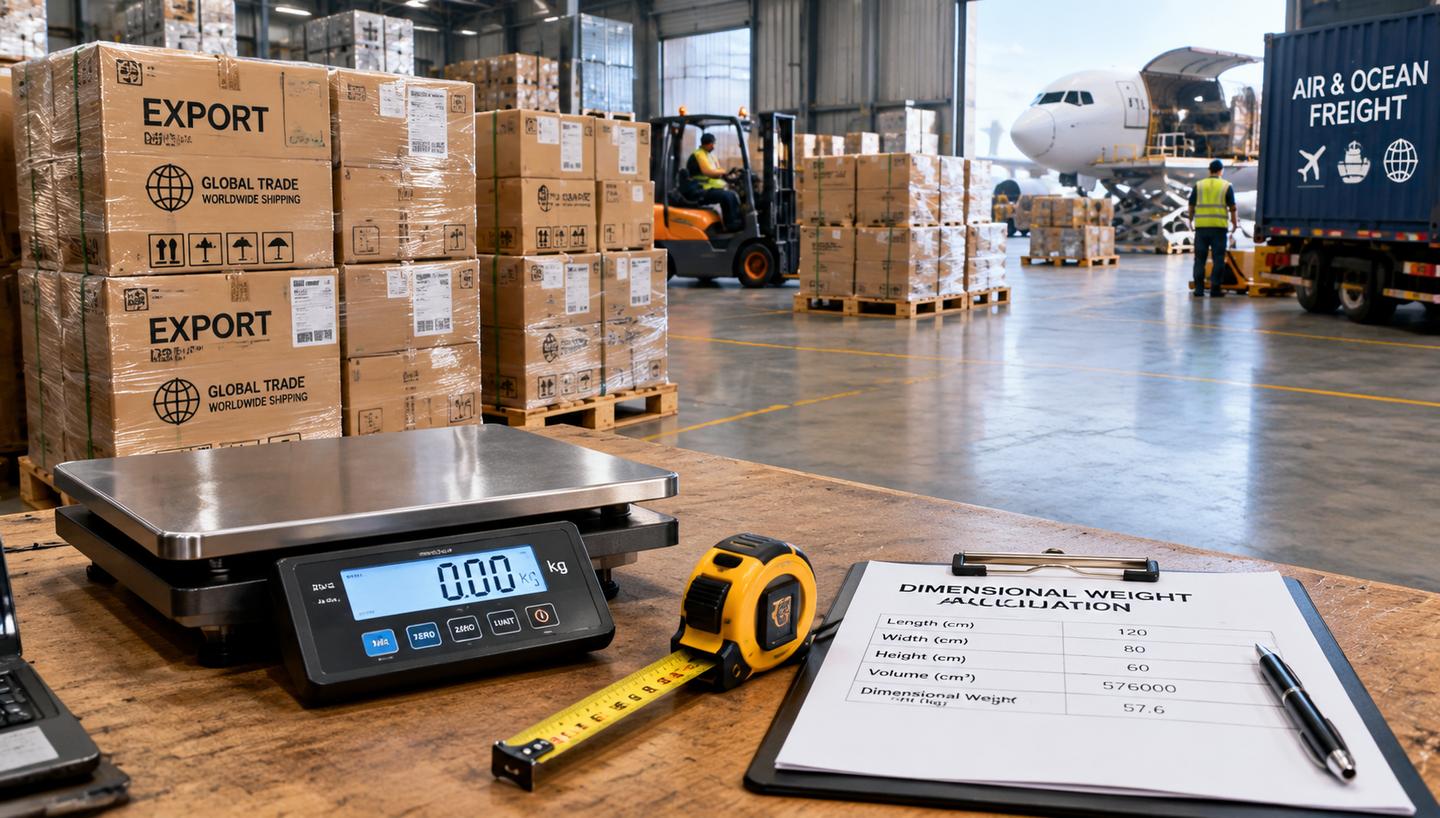
Air freight pricing can depend more on a shipment’s size than its physical weight. When the carrier applies a volumetric divisor of 6,000, a common planning calculation is length × width × height in centimeters, divided by 6,000, for each package. Add the results for the shipment and compare the volumetric weight with actual gross weight. Under the applicable carrier rules, the greater value is generally used as chargeable weight.
For example, a shipment with an actual gross weight of 100 kg but a total volume of one cubic meter could have a volumetric weight of approximately 167 kg under that divisor. Its air freight would therefore be priced using the applicable chargeable-weight rules rather than automatically using the physical weight. This is why a light but bulky shipment can cost more than a compact shipment with the same gross weight.
The divisor, rounding rules, package limits, minimum charges, and handling conditions vary by carrier and service. Confirm the rules that apply to the proposed quotation before using the calculation as a budget figure.
Ocean LCL follows a different billing mechanism. The forwarder’s applicable weight-and-measurement tariff may compare cargo weight against volume and charge by the greater basis, subject to minimums and other conditions. Ask the provider to show the chargeable quantity and calculation in the quotation instead of relying on the total gross weight alone.
What Must Be Included in the Total Shipping Cost?
To identify the most economical option, compare the complete transportation service rather than the main freight charge alone. Ask each forwarder to itemize the following charges where applicable:
- Origin services: Supplier pickup, warehouse receiving, export documentation, and origin terminal handling.
- Main transportation: The named route, service type, container or chargeable-weight basis, and applicable transport surcharges.
- Destination services: Terminal handling, LCL deconsolidation, destination warehouse services, and inland transfers.
- Import arrangements: Customs brokerage, declaration-related services, duties, taxes, and applicable third-party fees.
- Final delivery: Ground transportation, receiving appointments, access restrictions, and unloading arrangements.
The quote should identify the currency, validity period, pricing assumptions, excluded services, and conditions that could change the amount. Duties and taxes should be listed separately when the goal is to compare freight costs. If the buyer also wants a landed-cost estimate, the forwarder or customs broker needs the product details and applicable import information to assess those charges.
For FCL, confirm the container type, loading plan, equipment arrangements, and the charges associated with origin and destination handling. For LCL, pay particular attention to consolidation, minimum charges, destination deconsolidation, and onward delivery. These are different operating arrangements and should be compared using complete quotations rather than a simplified per-container versus per-cubic-meter comparison.
What Must Be Confirmed at Each Shipping Handoff?
The shipper, forwarder, customs broker, and receiving party should work from consistent cargo information. Each handoff needs an owner and a verification point so that commercial documents, transport records, customs data, and delivery instructions remain aligned.
Request Quote
The buyer provides the pickup address, Canadian destination postal code, product description, packed dimensions, gross weight, piece count, cargo-ready date, and delivery requirement. The forwarder confirms the route, charge basis, proposed services, exclusions, and any missing information.
Cargo Pickup
The supplier confirms that the cargo is packed and ready for collection. The pickup provider verifies the address, piece count, final measurements, packaging details, handling instructions, and receiving arrangements before accepting the cargo under the agreed plan.
Export Customs Clearance
The exporter supplies an accurate commercial invoice, packing list, product description, country-of-origin information, and applicable export documents. The export agent verifies the declaration details and confirms clearance before the shipment proceeds with international transportation.
International Transportation
The forwarder confirms the booking, routing, carrier arrangements, and transport-document details. The carrier issues the master bill of lading or air waybill, while the forwarder issues its own house document when applicable. The shipper verifies the final transport details against the commercial records.
Destination Customs Clearance
The Canadian importer provides accurate product, origin, classification, and valuation information to the authorized customs broker. The broker coordinates the required customs data and confirms release status. Review the Canada Border Services Agency guide to importing commercial goods for official import guidance. Confirm the agreed customs brokerage service scope before dispatch.
Final Delivery
The delivery coordinator verifies customs release, the receiving address, access restrictions, appointment arrangements, and unloading instructions. The consignee prepares to receive the cargo and checks delivered pieces against shipment records. Any shortage or visible damage is reported through the agreed notification process.
Which Shipping Risks Can You Prevent Before Booking?
Incorrect cargo information can undermine both the quotation and the booking. Ask the supplier to confirm final packed dimensions, gross weight, piece count, packaging type, and product description. If the packing plan changes before dispatch, notify the forwarder and request a revised assessment. The booking and handling arrangements should reflect the cargo actually tendered for transportation.
Incomplete product information can also complicate customs preparation. A broad commercial label may not provide enough detail for classification, valuation, or import-control checks. The Canadian importer should work with the broker to resolve product questions before shipment. The parties should confirm whether the goods require permits, certificates, additional documents, or special carrier acceptance.
Destination readiness deserves equal attention. Arrival at a Canadian port or airport does not mean the cargo is immediately ready for final delivery. Customs release, destination handling, inland transfers, and receiving appointments may remain outstanding. Confirm who coordinates each handoff, whether the delivery location can accept the proposed equipment, and how the parties will manage changes to receiving arrangements.
Common mistake: Selecting a quotation because its headline freight charge appears lower without checking the complete service scope. Compare the route, chargeable basis, origin and destination handling, customs arrangements, and final delivery. Ask the forwarder to identify excluded items and conditional charges before approving the offer.
Physical loss and damage need a separate control plan. Use packaging appropriate for the cargo and expected handling, retain condition records, and agree on how to report damage or shortages. Review the proposed cargo insurance coverage, including the insured interest, covered risks, exclusions, limits, and claim documentation. Do not assume that a carrier’s acceptance of the goods establishes the insurance protection the buyer needs.
Booking trigger: If the goods contain batteries, liquids, chemicals, magnets, food, or other products that may require special handling, disclose their characteristics before booking. Ask the forwarder and relevant carrier to confirm applicable acceptance conditions and supporting documentation before cargo collection.
Disclosure: This page provides general route-planning information and may mention freight services available through this website. Transit times, freight costs, customs requirements, carrier schedules, and destination conditions can change. Confirm the current shipment plan before booking.
How Can You Prepare a Quote That Supports the Right Decision?
For ordinary commercial cargo with a flexible receiving window, begin with an itemized ocean quotation and ask the forwarder to assess whether LCL or FCL suits the loading plan. For a shipment that needs faster movement, request a comparable alternative that meets the actual delivery requirement. The recommendation should be based on the shipment’s physical characteristics and commercial deadline, not on weight alone.
Prepare the following information before requesting a written quotation:
- Pickup and destination: The supplier’s collection address, Canadian delivery postal code, receiving hours, and appointment or unloading restrictions.
- Cargo profile: Product description, material and intended use, country of origin, final packed dimensions, gross weight, piece count, and packaging type.
- Commercial documents: The available invoice, packing list, product specifications, and supporting records relevant to the goods.
- Delivery objective: The cargo-ready date, required arrival date, and flexibility around receiving arrangements.
- Service responsibilities: Importer and consignee details, customs brokerage arrangements, requested delivery scope, and special handling or insurance needs.
Ask the forwarder to return a written quotation that shows the proposed route, chargeable basis, current planning schedule, included services, excluded costs, and assumptions that could change the estimate. If the Canadian buyer needs coordinated import arrangements, review the proposed import service and confirm which tasks it covers. For a shipment that needs transport from the supplier to the Canadian receiving address, request an explicitly defined door-to-door shipping arrangement that identifies the pickup point, final destination, and service responsibilities.
Use the written quotations to make the decision. If final cargo measurements remain provisional, ask the forwarder to state its assumptions and reconfirm the charges when the supplier completes packing. If the delivery deadline changes, request a revised comparison instead of relying on the original recommendation.
Illustrative example (not a customer case) A supplier has prepared cartons of ordinary retail goods for a Canadian distribution center. The receiving window is flexible, and the cargo can use shared-container handling, so an ocean consolidation quotation is a practical starting point. If the order becomes essential to a time-sensitive product launch, the changed delivery requirement prompts a new assessment of faster transportation services.
Key Takeaways
- Use cargo weight as a screening guide, then account for packed volume and the required delivery date.
- Compare air freight and LCL for intermediate-size commercial shipments when the delivery schedule allows options.
- Compare LCL and FCL when the cargo volume could make a dedicated container competitive.
- Use public price references for preliminary budgeting, not as substitutes for current quotations.
- Compare the same routing, chargeable basis, customs arrangements, and delivery scope before choosing a service.
- Confirm the carrier’s current pricing, service conditions, and final shipment requirements in writing.
FAQ
Can cargo from different suppliers be combined into one shipment?
Consolidation may be possible when the cargo can be handled under the same shipping plan and each supplier can meet the receiving requirements. Give the forwarder each collection location, cargo-ready status, product description, and packing details. Confirm how the provider will identify each supplier’s goods and coordinate documents and warehouse receiving.
Can I use my own customs broker for imports into Canada?
You can ask the forwarder to coordinate with your preferred customs broker, subject to the proposed service arrangements. Confirm who will submit the customs information, who will receive arrival documents, and how release status will reach the delivery coordinator. The importer should arrange the necessary authorization and account setup before the shipment arrives.
Can the consignee and Canadian importer be different companies?
They can have different commercial roles, but the shipping and customs records must accurately reflect the transaction. Tell the forwarder who purchased the goods, who is identified as the importer, and where the cargo will be delivered. The importer and broker should confirm the proposed declaration, authorization, and payment arrangements before dispatch.
Why can freight forwarders quote different charges for the same shipment?
Forwarders may use different carrier arrangements, routing assumptions, pricing rules, destination partners, and delivery scopes. Their quotations may also treat handling and accessorial charges differently. Ask each provider to identify the route, included services, excluded items, quotation validity, and conditions that could change the final amount.
What happens if the supplier changes the packing details after quoting?
Notify the forwarder as soon as the supplier confirms a change. Revised dimensions, weight, piece count, or packaging can affect the billing basis, carrier acceptance, and handling plan. Provide the final packing information and request confirmation that the quotation and booking remain valid before authorizing the cargo to move.
Can one shipment be delivered to multiple Canadian addresses?
Multiple deliveries may be possible, but the forwarder needs the address for each receiving location and a clear allocation of the cargo. Ask the provider to confirm the proposed inland routing, additional handling, appointment arrangements, and separate delivery charges. Ensure the written quotation identifies the addresses and services it covers.
Does cargo insurance automatically cover late delivery or lost sales?
No. Coverage depends on the actual policy wording, insured interest, covered events, exclusions, and claim conditions. Protection for physical loss or damage does not necessarily cover delay, market loss, or business interruption. Review the policy with the insurer or insurance provider and confirm the protection before deciding whether it meets your commercial needs.
Disclaimer: Transit times, cost explanations, customs information, and shipping suggestions on this page are general planning references, not a binding quotation, customs ruling, or delivery guarantee. Confirm the current route, service scope, charges, documents, and import requirements before booking.