
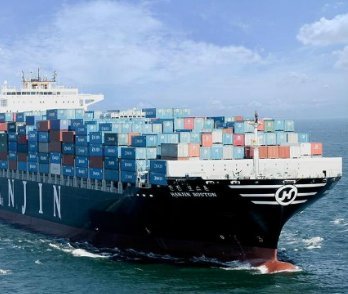
China Ship Net offers reliable sea freight solutions for shipments from China to El Salvador via key Pacific Coast ports, primarily Acajutla, as well as regional Central American and Latin American transit hubs when required. Supported by established partnerships with carriers such as COSCO, OOCL, APL, EMC, MSK, and HMM, we secure consistent container space and competitive FCL and LCL ocean freight rates on regular sailings from major Chinese ports. After vessel arrival, we coordinate efficient port handling and inland trucking, ensuring smooth delivery to San Salvador, Santa Ana, San Miguel, and other commercial and industrial centers throughout El Salvador.

For urgent or high‑value shipments, our air freight services provide fast and secure transportation from China to El Salvador. China Ship Net designs optimal routing to El Salvador International Airport (near San Salvador), typically via major hubs such as Miami, Panama City, Mexico City, Madrid, or Bogotá, to ensure reliable transit times and streamlined customs procedures. From origin pickup and export formalities in China to airline booking, import clearance in El Salvador, and final delivery to your warehouse or office, we manage the entire air logistics chain with precision—ideal for electronics, e‑commerce parcels, fashion items, pharmaceuticals, automotive parts, and other time‑sensitive cargo bound for El Salvador.

Our door‑to‑door service offers a fully integrated logistics solution tailored to El Salvador’s port, airport, and inland transport infrastructure. China Ship Net manages every phase of your shipment—factory pickup in China, export documentation, sea or air transportation, handling at Acajutla or regional airports, customs clearance, and final‑mile delivery to San Salvador, Santa Ana, San Miguel, Soyapango, or other locations nationwide. With a strong local agent network and full shipment visibility, we provide a seamless, low‑stress logistics experience from origin to final destination.

China Ship Net provides full‑container‑load (FCL) shipping solutions on dependable routes from China to El Salvador via the port of Acajutla and nearby regional hubs. FCL shipping is ideal for machinery, construction materials, household goods, retail merchandise, electronics, textiles, and other large‑volume commercial cargo that require secure, predictable ocean transport. Using dedicated containers enhances cargo protection, reduces handling risks, speeds up terminal operations, and supports more efficient customs and inland distribution across El Salvador.
For smaller shipments, our less‑than‑container‑load (LCL) service offers flexibility and cost efficiency when moving cargo from China to El Salvador. China Ship Net consolidates freight at major Chinese ports, loads it into shared containers on regular services to Acajutla or nearby regional gateways, and manages all subsequent handling, customs formalities, and inland delivery to your facility. This solution is well‑suited for SMEs, mixed consignments, trial orders, and regular importers who do not yet require a full container but still expect dependable, professional logistics services into the Salvadoran market.
China Ship Net will provide most fuel efficient pickup service China
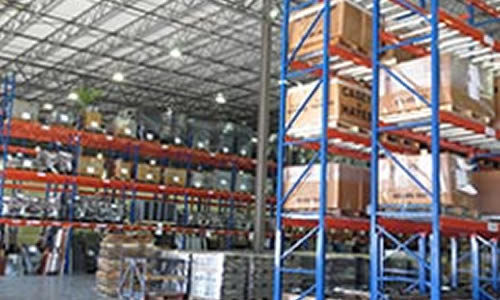
We provide free warehousing services for any of your goods.
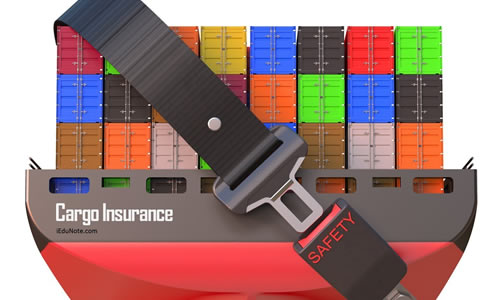
The cargo insurance protects your goods all the way to any Any FBA Warehouse
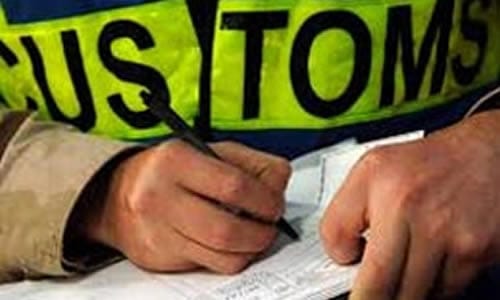
We handle all paperwork and other details for you.
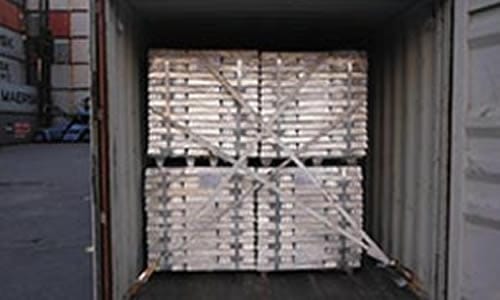
Ensure safe packaging and loading of goods in your suppliers' factory.
When arranging shipments from China to El Salvador, understanding transit times is essential. Delivery schedules can vary based on factors such as the transportation method, customs clearance processes, and the specific points of origin and destination. Below is a general guide to estimated transit times:
Air Freight:
Air transport is the fastest shipping option. Cargo shipped by air from China to El Salvador typically arrives within 2 to 5 days, depending on flight availability, routing, and any intermediate transit stops.
Sea Freight:
Sea freight offers a more economical solution but requires a longer transit period. Ocean shipments from China to El Salvador usually take approximately 20 to 35 days, influenced by the departure and arrival ports, selected shipping routes, and vessel schedules.
Please note that these timeframes are approximate and may be affected by factors such as weather conditions, port congestion, customs procedures, and unexpected delays. For the most accurate and up-to-date transit estimates based on your specific shipment, it is recommended to consult your freight forwarder or shipping provider.
Determining the cost of shipping from China to El Salvador involves various factors, including the mode of transportation, the weight and dimensions of the cargo, the shipping distance, and any additional services required. Here's a general overview of the cost considerations:
Air Freight: Shipping via air is typically more expensive but offers faster delivery. The cost of air freight from China to El Salvador is calculated based on factors such as the volume or weight of the goods, the chosen airline, fuel surcharges, handling fees, and any additional services like customs clearance or insurance.
Sea Freight: Sea freight is usually more cost-effective for larger shipments but involves longer transit times. The cost of sea shipping from China to El Salvador depends on factors such as the type of container (FCL or LCL), the shipping route, port charges, customs duties and taxes, insurance, and any additional services like warehousing or cargo handling.
To obtain an accurate quote for your specific shipment, it's recommended to contact freight forwarders or shipping companies directly. They can provide personalized quotes based on your cargo's specifications and shipping requirements, helping you determine the most cost-effective and efficient shipping solution for your needs.
To ship from China to El Salvador, you can follow these steps:
Choose a Shipping Method: Decide whether you'll ship by air or sea based on factors like budget, urgency, and the nature of your cargo.
Find a Freight Forwarder: Research and select a reputable freight forwarder or shipping company with experience in handling shipments to El Salvador.
Obtain Quotes: Request quotes from multiple freight forwarders to compare costs and services. Provide details about your cargo, including size, weight, and destination.
Book Your Shipment: Once you've chosen a freight forwarder, book your shipment and provide all necessary documentation, such as commercial invoices, packing lists, and certificates of origin.
Arrange Pickup or Delivery: Coordinate the pickup of your cargo from your supplier in China or arrange for delivery to the freight forwarder's facility.
Customs Clearance: Your freight forwarder will handle customs clearance procedures, including preparing and submitting necessary documentation and paying any applicable duties and taxes.
Monitor Your Shipment: Keep track of your shipment's progress using tracking services provided by your freight forwarder or shipping company.
Receive Your Shipment: Once your cargo arrives in El Salvador, arrange for pickup or delivery from the port or airport to its final destination.
By following these steps and working with a reliable freight forwarder, you can ensure a smooth and efficient shipping process from China to El Salvador.
Arranging air freight from China to El Salvador involves several steps:
Select a Freight Forwarder: Choose a reputable freight forwarder or logistics company with expertise in air cargo shipping to El Salvador.
Request Quotes: Contact multiple freight forwarders to obtain quotes for your air freight shipment. Provide details about your cargo, including dimensions, weight, and any special handling requirements.
Provide Documentation: Prepare all necessary documentation, such as commercial invoices, packing lists, and air waybills (AWB). Your freight forwarder will guide you on the specific documentation required for customs clearance in El Salvador.
Book Your Shipment: Once you've chosen a freight forwarder and received a quote, book your air freight shipment. Confirm the pickup location in China and the destination airport in El Salvador.
Pack and Label Your Cargo: Ensure your cargo is properly packaged and labeled according to air freight regulations and requirements. Your freight forwarder can provide guidance on packaging if needed.
Customs Clearance: Your freight forwarder will handle customs clearance procedures on your behalf, including preparing and submitting documentation to customs authorities in China and El Salvador.
Track Your Shipment: Use the tracking services provided by your freight forwarder or airline to monitor the progress of your air freight shipment in real-time.
Receive Your Shipment: Once your cargo arrives at the airport in El Salvador, arrange for customs clearance and delivery to its final destination.
By following these steps and working closely with your freight forwarder, you can arrange air freight from China to El Salvador efficiently and effectively.
Arranging sea shipping from China to El Salvador involves several key steps:
Choose a Freight Forwarder: Select a reliable freight forwarder or shipping company with experience in sea freight to El Salvador.
Request Freight Quotes: Contact multiple freight forwarders to obtain quotes for your sea freight shipment. Provide details about your cargo, including volume, weight, dimensions, and shipping terms (FOB, CIF, etc.).
Provide Documentation: Prepare all necessary shipping documentation, including commercial invoices, packing lists, bill of lading (B/L), and any certificates or permits required for customs clearance in El Salvador.
Book Your Shipment: Once you've chosen a freight forwarder and received a quote, book your sea freight shipment. Confirm the pickup location in China and the destination port in El Salvador.
Pack and Label Your Cargo: Ensure your cargo is properly packaged and labeled according to sea freight regulations and requirements. Your freight forwarder can provide guidance on packaging if needed.
Customs Clearance: Your freight forwarder will handle customs clearance procedures on your behalf, including preparing and submitting documentation to customs authorities in China and El Salvador.
Track Your Shipment: Use the tracking services provided by your freight forwarder or shipping line to monitor the progress of your sea freight shipment from China to El Salvador.
Receive Your Shipment: Once your cargo arrives at the port in El Salvador, arrange for customs clearance and transportation to its final destination.
By following these steps and working closely with your freight forwarder, you can arrange sea shipping from China to El Salvador smoothly and efficiently.
When to opt for air shipping from China to El Salvador:
Urgency: Choose air shipping when time is of the essence and you need your goods delivered quickly to El Salvador.
High-Value Goods: Air shipping is suitable for high-value, perishable, or time-sensitive goods that require fast delivery and secure handling.
Small Shipments: For small shipments with lower volume and weight, air shipping can be more cost-effective compared to sea freight.
Just-in-Time Inventory: Air shipping is ideal for businesses that operate on a just-in-time inventory model, ensuring timely replenishment of stock in El Salvador.
Seasonal Demand: During peak seasons or holidays when demand is high, air shipping can help meet customer demand and avoid stock shortages.
Emergency Situations: In case of emergencies such as production delays, stockouts, or unforeseen demand spikes, air shipping provides a quick solution to replenish inventory in El Salvador.
By considering these factors, you can determine whether air shipping is the right choice for your cargo from China to El Salvador.
Understanding the tax and duty implications when importing from China to El Salvador:
Customs Duties: El Salvador imposes customs duties on imported goods, which vary based on the type of product. Duties can range from a few percentage points to higher rates for certain categories.
Value Added Tax (VAT): Imported goods are subject to El Salvador's VAT, which is currently set at a standard rate of 13%. This tax is calculated based on the CIF (Cost, Insurance, and Freight) value of the imported goods.
Tariff Classification: The specific tariff classification of your goods will determine the applicable duty rates. It's essential to accurately classify your products according to El Salvador's tariff schedule to calculate the correct duties.
Exemptions and Preferences: Some goods may qualify for duty exemptions or preferential treatment under trade agreements. Researching potential exemptions and preferential programs can help reduce duty costs.
Customs Clearance Fees: Importers may also incur customs clearance fees, including documentation charges, handling fees, and other administrative expenses associated with the import process.
Additional Taxes and Levies: Depending on the nature of the goods and El Salvador's regulations, additional taxes or levies may apply, such as environmental taxes or specific product taxes.
By consulting with customs authorities or working with a customs broker, importers can obtain detailed information on the applicable taxes and duties for their specific imports from China to El Salvador.
Considering whether to choose LCL or FCL for shipping from China to El Salvador:
Volume of Goods: If the shipment volume is relatively small and does not fill an entire container, LCL (Less than Container Load) may be the preferred option. This allows multiple shipments to be consolidated into a single container, reducing costs for smaller shipments.
Urgency of Delivery: For time-sensitive shipments or those requiring expedited delivery, FCL (Full Container Load) offers faster transit times compared to LCL. With FCL, the entire container is dedicated to your goods, minimizing handling and transit delays.
Cost Considerations: While LCL can be cost-effective for smaller shipments, FCL may offer better rates for larger volumes, especially if the cost per unit decreases with increased volume. Assessing the overall cost implications based on shipment size and requirements is crucial.
Cargo Type and Fragility: Fragile or high-value goods may benefit from FCL, as it reduces the risk of damage during handling and transit compared to LCL, where goods are loaded and unloaded multiple times.
Flexibility and Control: FCL provides greater control over the shipping process, allowing for specific container specifications and loading/unloading schedules. LCL shipments may involve more handling and consolidation processes, resulting in less control over the shipment.
Destination Accessibility: Consider the infrastructure and logistics capabilities at the destination port in El Salvador. If the port facilities are equipped to handle both LCL and FCL shipments efficiently, the choice between the two options may depend on other factors such as cost and urgency.
Assessing these factors can help determine whether LCL or FCL is the most suitable shipping option from China to El Salvador based on the specific needs of the shipment.
Tracking your shipment from China to El Salvador:
Online Tracking Portal: Utilize the online tracking portal provided by your chosen freight forwarder or shipping company. Access the portal using your unique tracking number or reference code provided at the time of booking. This portal typically offers real-time updates on the status and location of your shipment.
Freight Forwarder Assistance: Contact your freight forwarder directly for assistance with tracking your shipment. Experienced agents can provide personalized support and updates regarding your cargo's whereabouts and estimated arrival time.
Automated Notifications: Opt-in for automated notifications and alerts via email or SMS. These notifications can include status updates, delivery confirmations, and any unexpected delays or issues encountered during transit.
Customer Service Hotline: Reach out to the customer service hotline of your freight forwarder or shipping company. Knowledgeable representatives can provide immediate assistance and address any concerns regarding your shipment's tracking status.
Customs Clearance Updates: Keep track of customs clearance processes at both the origin and destination countries. Delays in customs clearance can impact the overall transit time of your shipment. Stay informed about any required documentation or clearance procedures to ensure a smooth shipping process.
Documentation Review: Regularly review and organize your shipment documentation, including bills of lading, commercial invoices, and customs declarations. Accurate documentation is essential for efficient tracking and timely clearance of your shipment through customs.
By utilizing these tracking methods and staying proactive in monitoring your shipment's progress, you can ensure timely delivery and minimize any potential delays or disruptions during transit from China to El Salvador.
When shipping goods from China to El Salvador, proper documentation is essential to ensure smooth customs clearance and regulatory compliance. Commonly required documents include:
Commercial Invoice:
Issued by the seller to the buyer, this document provides detailed information about the goods, including descriptions, quantities, pricing, and agreed terms of sale.
Packing List:
The packing list outlines the contents of each package, specifying item descriptions, quantities, and weights, which helps customs authorities verify the shipment.
Bill of Lading (B/L):
Issued by the carrier, the bill of lading serves as a receipt for the goods and as legal evidence of the contract of carriage.
Certificate of Origin:
This document confirms the country where the goods were produced and is typically issued by the exporter or manufacturer.
Export License (if applicable):
Certain products may require an export license or permit from Chinese authorities prior to shipment.
Customs Declaration:
A formal declaration submitted to customs authorities that details the shipment’s contents for clearance purposes.
Insurance Certificate (if applicable):
If cargo insurance is arranged, this certificate provides proof of coverage against potential loss or damage during transit.
Proforma Invoice:
A preliminary invoice issued before shipment, outlining the terms of sale, pricing, and payment conditions.
Phytosanitary Certificate (for agricultural products):
Required for specific agricultural goods, this certificate confirms compliance with plant health and safety regulations.
Import Permit (if applicable):
Some goods may require prior authorization or an import permit from Salvadoran authorities before entering the country.
Special Documentation (if applicable):
Certain items, such as hazardous materials or regulated products, may require additional permits or compliance documents.
Accurate and complete preparation of these documents is critical to avoiding delays and ensuring compliance with import regulations when shipping from China to El Salvador. Working closely with experienced freight forwarders or customs brokers can help streamline the process and reduce potential risks.
Customer Support is responsive, professional, and solution-oriented. The team communicates clearly, follows up promptly, and shows strong knowledge of the product and processes. Most issues are resolved within a reasonable timeframe, and support channels are easy to reach. Service quality is consistent, though faster response during peak hours would further improve the experience. Overall, support is reliable and helpful.
Code Quality is solid and maintainable, with clear structure and consistent naming conventions. The logic is well organized, making the codebase easy to read and extend. Documentation and comments support understanding, and error handling is generally reliable. A bit more modularization and test coverage would further strengthen robustness. Overall, the implementation is professional and dependable.
Features Availability is well designed and comprehensive, covering the core needs of users while remaining easy to access and understand. Most key functions are consistently available and perform reliably. The layout makes feature discovery intuitive, though a few advanced options could be surfaced more clearly. Overall, availability and usability are strong and dependable.