
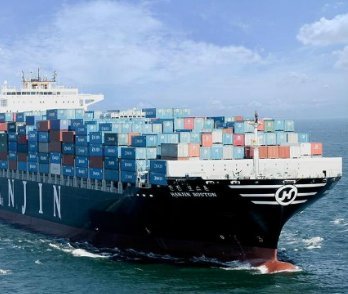
Some of our Northeast Asian cross-border shipments are routed to North Korea, which makes it a highly specialized and tightly controlled destination within our regional logistics network. China Ship Net maintains long-term cooperation and contract rates with major carriers such as COSCO, OOCL, APL, EMC, Maersk (MSK), and HMM for general Asia trades, and combines these with carefully managed inland and border-channel solutions for compliant movements. All services involving North Korea are organized in strict accordance with applicable sanctions, export control rules, and international regulations.
With China Ship Net as your logistics partner, any compliant shipping from China to North Korea is handled in a structured, transparent manner. You provide your cargo details and licensing status, and our team evaluates feasibility under current regulations and then manages the permitted steps—from factory pickup and export documentation in China, to approved routing, border procedures, and final delivery when legally possible. Our objective is to act as a responsible, regulation‑compliant logistics provider for shipments from China to North Korea. Request a compliance review and quote today.
China Ship Net can arrange highly controlled and regulation‑compliant sea freight solutions connected with North Korea, typically via neighboring regional ports and approved corridors. While our long-term contracts with carriers such as COSCO, OOCL, APL, EMC, Maersk (MSK), and HMM cover mainstream Asia trades, any cargo related to North Korea is first checked against current UN sanctions, local export control laws, and other applicable restrictions. Where movements are legally permitted, we design routings from major Chinese ports to designated regional gateways and then coordinate onward handling via approved channels. This framework is suitable only for cargo types expressly allowed by law and accompanied by valid authorizations.
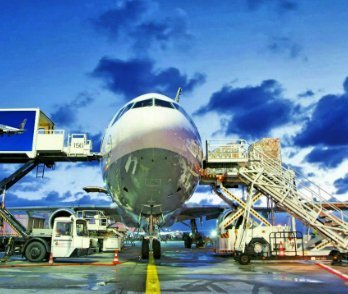
Air freight involving North Korea is subject to particularly strict international sanctions and aviation regulations. China Ship Net focuses on ensuring full legal compliance while exploring only those routes and cargo categories that are clearly permitted. When lawful and practically feasible, we evaluate air solutions from major Chinese airports via regional hubs, taking into account airline policies, overflight restrictions, and control lists. From origin pickup and export clearance to route design and delivery at designated points, every step is planned around regulatory compliance and risk management, and only cargo that passes all legal checks and licensing can be considered.

Door‑to‑door shipping from China to North Korea is possible only in limited, strictly controlled scenarios. China Ship Net first performs a comprehensive compliance and feasibility assessment for each shipment, reviewing sanctions, export control lists, end use, and end user information. Where transportation is legally permitted, we can arrange pickup from factories or warehouses in China, manage export documentation, coordinate cross‑border or regional transport, and organize final delivery to agreed locations in North Korea or at designated transfer points. Throughout the process, we emphasize transparent communication, document accuracy, and adherence to all applicable international and local regulations.
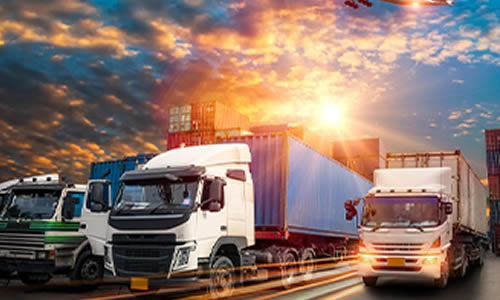
China Ship Net may offer full‑container‑load (FCL) solutions related to North Korea only when the cargo, consignee, and route have passed thorough compliance screening and meet all sanction and export‑control requirements. For eligible movements, our team handles container booking on suitable legs, supervises loading at the factory or warehouse in China, completes export customs procedures, and coordinates the legally approved routing toward border points or regional ports. FCL is generally suited to larger, homogeneous shipments; however, for North Korea‑related cargo, the primary determining factors are always legal permissibility, licensing status, and regulatory risk, not just volume.
Less‑than‑container‑load (LCL) shipping associated with North Korea must also satisfy strict sanctions and export-control rules. China Ship Net consolidates shipments at major Chinese hubs only after each consignment has been individually screened and confirmed compliant under current regulations. For cargo that passes these checks, we arrange consolidation, export clearance, and onward routing to approved gateway points, followed by the next legally permitted leg. LCL can be an economical option for smaller, lawful shipments, but acceptance always depends on cargo nature, parties involved, and the latest international legal framework concerning North Korea.
China Ship Net will provide most fuel efficient pickup service China
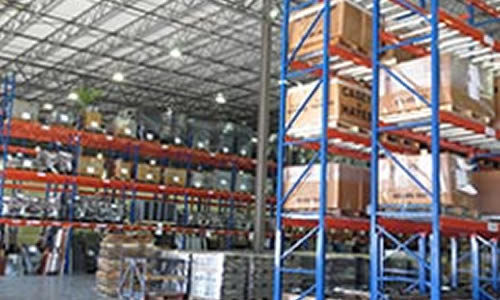
We provide free warehousing services for any of your goods.
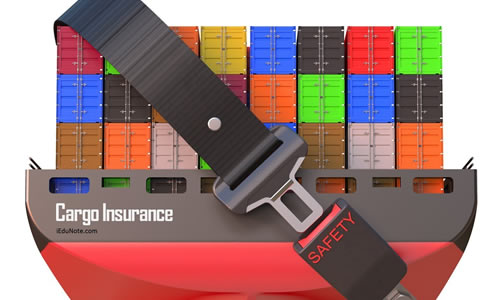
The cargo insurance protects your goods all the way to any Any FBA Warehouse

We handle all paperwork and other details for you.
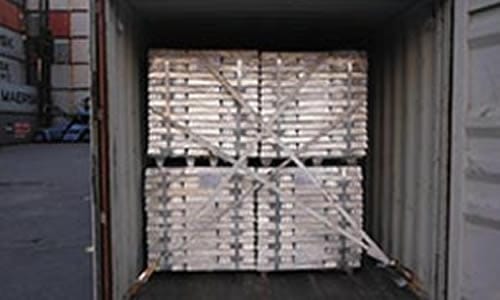
Ensure safe packaging and loading of goods in your suppliers' factory.
Shipping times from China to North Korea depend on the chosen transport method (air or sea), the distance between origin and destination, and customs processing. Air freight is typically faster, taking 4–7 days, while sea freight usually requires 7–14 days. Customs regulations and logistical challenges can further affect delivery times, so it’s important to plan for potential delays.
Customs delays can significantly extend shipping times from China to North Korea. These delays may arise due to incomplete or incorrect documentation, inspection processes, or regulatory compliance issues. Ensuring accurate paperwork and understanding North Korean customs regulations can help minimize delays and smooth the shipping process.
Air freight is generally more expensive than sea freight due to its faster delivery time. Air shipments cost more per kilogram and are ideal for urgent or high-value goods. Sea freight, though slower, is more economical for larger shipments and bulk cargo, offering cost advantages for non-urgent deliveries.
Essential documentation for shipping from China to North Korea includes a commercial invoice, packing list, bill of lading (for sea freight), or air waybill (for air freight). Additional documents such as certificates of origin, export permits, and customs declarations may also be required, depending on the nature of the goods.
Shipping to North Korea is subject to stringent regulations and restrictions due to international sanctions. These restrictions may include bans on certain goods and additional compliance requirements. It is crucial to verify the current regulations and ensure that all shipments comply with international laws and sanctions to avoid legal issues.
Utilizing a freight forwarder offers several benefits, including expertise in navigating complex logistics, handling customs documentation, and managing shipping schedules. Freight forwarders can also provide advice on the best shipping methods, ensure compliance with regulations, and offer solutions to potential shipping challenges.
The choice of transport mode has a significant impact on shipping costs. Air freight is faster but more expensive, suitable for urgent deliveries or high-value items. Sea freight, while slower, is more cost-effective for large volumes or non-urgent shipments. Balancing speed and cost is key when choosing the appropriate transport mode.
Common challenges include navigating complex customs procedures, adhering to international sanctions, and managing logistical issues such as transportation delays and route restrictions. Additionally, the political and economic environment can impact shipping operations, requiring careful planning and flexibility.
Businesses can ensure compliance by thoroughly researching North Korean import regulations and obtaining up-to-date information from reliable sources. Collaborating with experienced freight forwarders and customs experts can also help in understanding and adhering to regulatory requirements, thus avoiding potential compliance issues.
To reduce risks, businesses should perform comprehensive risk assessments, use appropriate packaging, and obtain sufficient insurance coverage. Staying updated on regulatory changes, partnering with reputable freight forwarders, and maintaining clear communication with all parties involved further helps mitigate potential issues and ensures a smooth shipping process.
Design Quality is clean, modern, and thoughtfully executed. The interface is visually consistent, with good use of spacing, typography, and color to guide attention. Navigation feels smooth and components are well organized. Performance and aesthetics balance well, though minor refinements in detail could enhance polish. Overall, the design delivers a professional and user-friendly experience.
Code Quality is solid and maintainable, with clear structure and consistent naming conventions. The logic is well organized, making the codebase easy to read and extend. Documentation and comments support understanding, and error handling is generally reliable. A bit more modularization and test coverage would further strengthen robustness. Overall, the implementation is professional and dependable.
Customer Support is responsive, professional, and solution-oriented. The team communicates clearly, follows up promptly, and shows strong knowledge of the product and processes. Most issues are resolved within a reasonable timeframe, and support channels are easy to reach. Service quality is consistent, though faster response during peak hours would further improve the experience. Overall, support is reliable and helpful.