
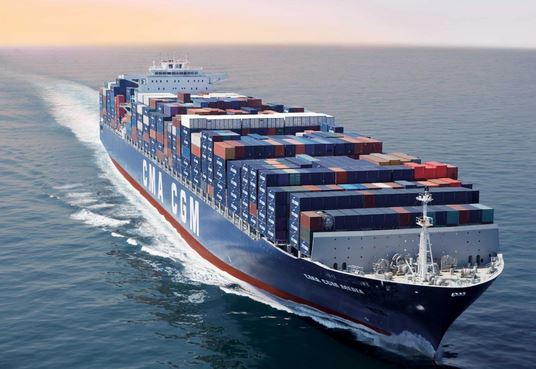
China Ship Net offers reliable sea freight solutions from China to Belgium via major European transit ports, including Rotterdam, Hamburg, and Antwerp. Leveraging strong carrier partnerships with COSCO, OOCL, APL, EMC, MSK, and HMM, we secure consistent container space and competitive rates. After vessel arrival, we coordinate efficient inland transport by truck or rail, ensuring smooth delivery to Brussels, Antwerp, Ghent, and other key Belgian destinations.

For urgent or high-value shipments, China Ship Net provides fast and secure air freight services from China to Belgium. We arrange optimized routing to Brussels Airport, ensuring efficient customs clearance and reliable transit times. From origin pickup and export procedures to final delivery, our team manages the complete air freight process with care and precision.

Experience dependable China-to-Belgium rail freight services through China Ship Net. Our rail solutions combine the efficiency of expedited transit—significantly faster than ocean freight—with the cost advantages of a more economical alternative to air transport. We provide end-to-end management, including cargo consolidation, customs clearance, and integrated coordination via key European rail hubs. This ensures a streamlined, secure, and efficient delivery process for your shipments.

China Ship Net provides full-container-load (FCL) shipping solutions from China to Belgium via major European transit hubs such as Rotterdam or Hamburg. FCL shipping is ideal for machinery, industrial equipment, electronics, textiles, and other large-volume cargo requiring secure and reliable multimodal transport.
For smaller shipments, our less-than-container-load (LCL) service offers flexibility and cost efficiency. China Ship Net consolidates cargo at Chinese ports, ships via European transit hubs, and handles inland transport, customs procedures, and final delivery in Belgium. This service suits SMEs, mixed cargo, and regular importers who do not require a full container.
China Ship Net will provide most fuel efficient pickup service China
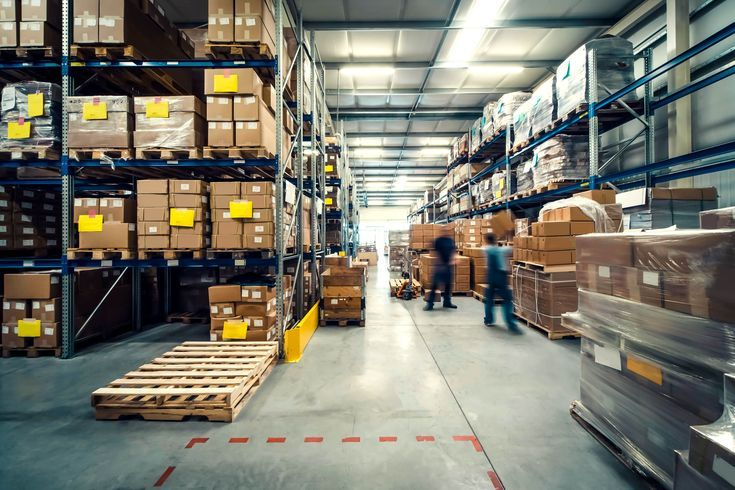
We provide free warehousing services for any of your goods.
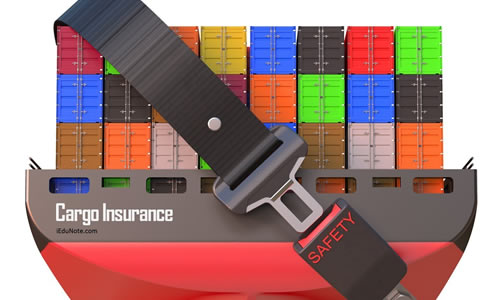
The cargo insurance protects your goods all the way to any Any FBA Warehouse

We handle all paperwork and other details for you.

Ensure safe packaging and loading of goods in your suppliers' factory.
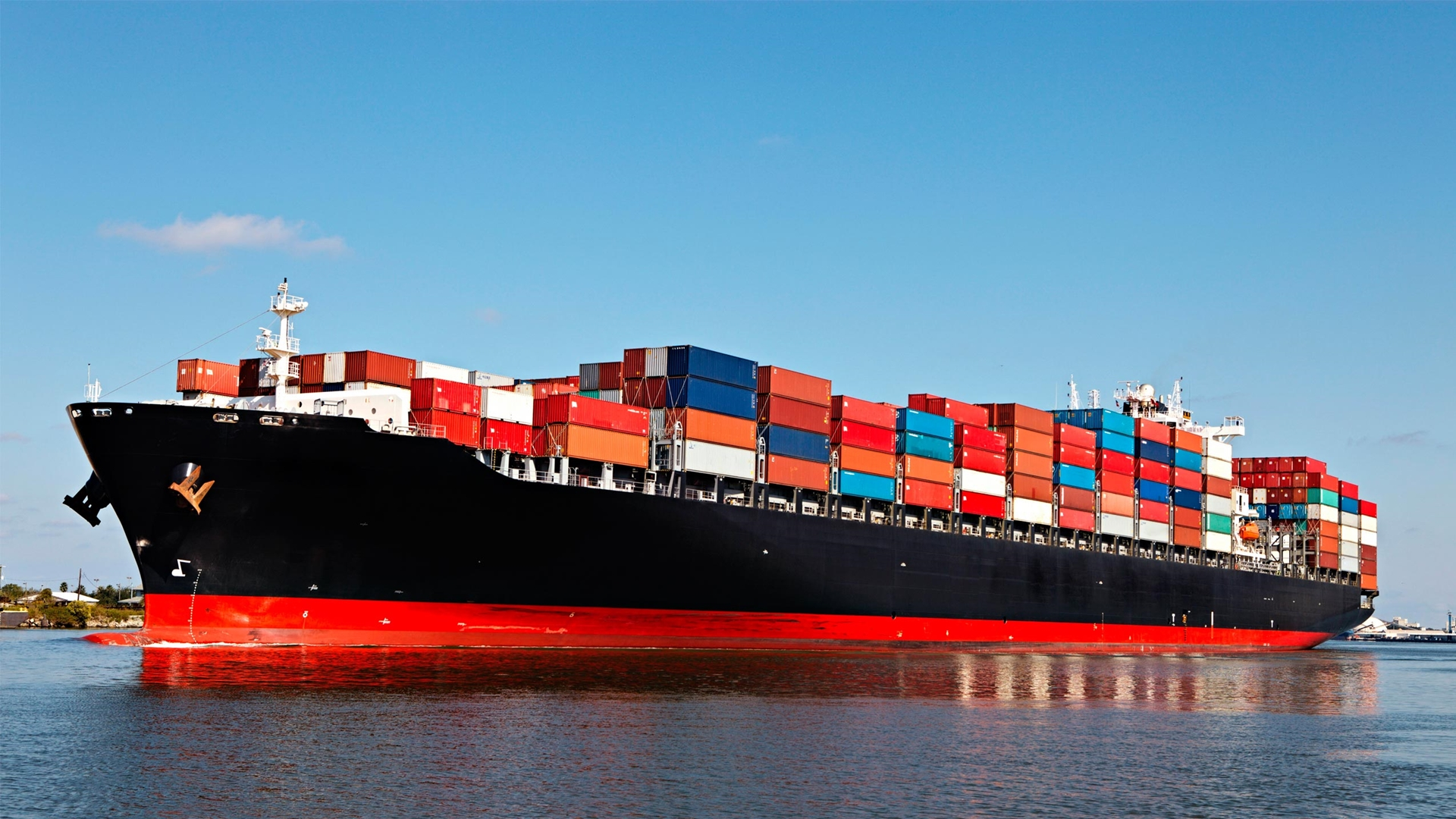
To ensure a smooth shipping process from China to Belgium, follow this structured approach:
1. Select a Qualified Freight Forwarder
Begin by partnering with an experienced forwarder specializing in the Belgium corridor, such as China Ship Net. Prioritize those with established expertise in Antwerp/Zeebrugge port operations and a thorough understanding of EU EORI compliance.
2. Obtain a Tailored Quote
Share detailed shipment information—including cargo type (e.g., textiles, machinery), volume, and final destination (such as Brussels or Ghent). Use our online quoting tool to receive instant, competitive rates for both FCL and LCL services.
3. Secure Booking and Prepare Documentation
Upon approving your quote, confirm the booking. Our team will manage container allocation and provide you with the necessary Belgium-specific documents, including commercial invoices, EUR.1 certificates (for preferential tariffs), and properly formatted packing lists with required CE markings.
4. Optimize Packaging and Arrange Insurance
Prepare your cargo with reinforced, climate-appropriate packaging to withstand transit conditions. We also recommend arranging comprehensive marine insurance that covers risks throughout the key transit route, including the Rotterdam-Antwerp leg.
5. Simplify Customs Clearance
Provide your EORI and VAT details to our Belgian clearance agents prior to shipment departure. We utilize Simplified Clearance procedures at the Port of Antwerp to accelerate release and minimize potential delays.
6. Monitor Shipment and Finalize Delivery
Track your cargo in real time via integrated platforms (such as Maersk or COSCO) from origin to the Port of Antwerp (typical transit: 28–35 days). Choose from flexible delivery options, including door-to-door service to Brussels or self-collection at Zeebrugge.
By collaborating with China Ship Net, you gain access to Belgium’s most efficient port operations—including Antwerp’s average 48-hour turnaround—and full compliance with EU regulatory standards.
Contact us today for a personalized quote and enjoy streamlined, reliable logistics from China to Belgium.
Calculating shipping costs from China to Belgium involves several factors that impact the final price. Here's a simplified outline of how shipping costs are typically calculated:
Shipping Method: Choose between sea freight, air freight, or express courier services. Each method has different cost structures based on speed and handling.
Cargo Details: Provide details such as the size (dimensions), weight, volume (cubic meters or cubic feet), and type of goods being shipped. These factors determine the shipping rate.
Origin and Destination: Specify the port or city in China where the goods will be shipped from and the destination in Belgium (e.g., port city or inland city).
Additional Services: Consider additional services such as insurance, customs clearance, packing/unpacking, and warehousing if needed. These services add to the total shipping cost.
Freight Rates: Obtain quotes from freight forwarders, shipping companies, or logistics providers. They will calculate shipping costs based on the factors above and provide a detailed breakdown of charges.
Currency and Fees: Be aware of currency exchange rates and any additional fees such as fuel surcharges, terminal handling charges, or documentation fees that may apply.
To get an accurate shipping cost estimate, it's advisable to contact multiple shipping providers for quotes. Provide detailed information about your shipment and clarify any additional services or special requirements to ensure the quote reflects all relevant costs. This approach helps in comparing options and selecting the most cost-effective shipping solution from China to Belgium.
The typical shipping time from China to Belgium can vary depending on the shipping method chosen:
Sea Freight: Sea freight from China to Belgium usually takes around 4-6 weeks. This duration includes transit time from Chinese ports (e.g., Shanghai, Ningbo, Shenzhen) to ports in Belgium (e.g., Antwerp, Zeebrugge). Factors such as weather conditions, port congestion, and transshipment at intermediate ports can affect the exact delivery time.
Air Freight: Air freight offers a much faster shipping option with transit times averaging 1-2 days for direct flights. However, this method is generally more expensive compared to sea freight and is preferred for urgent shipments or goods requiring quick delivery.
Rail Freight: Increasingly popular, rail freight connects China to Europe, including Belgium, via the Silk Road Economic Belt route. Transit times by rail typically range from 12 to 16 days, offering a middle ground between sea and air freight in terms of cost and speed.
Overall, the choice of shipping method depends on factors such as cost considerations, urgency of delivery, and the nature of the goods being transported. Planning ahead and coordinating with a reliable freight forwarder can help ensure timely delivery and efficient logistics management from China to Belgium.
Choosing the right shipping method from China to Belgium involves several considerations to ensure your goods are transported efficiently and cost-effectively:
Type of Goods: Consider the nature of your goods, such as size, weight, fragility, and any special handling requirements. Fragile or perishable items may require air freight for faster and safer transport.
Urgency: Determine the urgency of delivery. Air freight is faster but more expensive, making it suitable for time-sensitive shipments. Sea freight is slower but more economical for less urgent deliveries.
Cost Considerations: Evaluate your budget and compare the costs of different shipping methods. Sea freight is generally cheaper for large volumes, while air freight is more costly but quicker for smaller shipments.
Volume of Goods: If shipping a large volume of goods, sea freight (FCL or LCL) may be more economical due to lower cost per cubic meter compared to air freight.
Accessibility and Infrastructure: Consider the availability and convenience of transport infrastructure at both ends (China and Belgium). Ensure the chosen shipping method aligns with the logistical capabilities of your suppliers and receivers.
Customs and Regulatory Compliance: Factor in customs clearance procedures and regulations. Some goods may have specific requirements or restrictions that influence the choice of shipping method.
Environmental Impact: Consider the environmental impact of your shipping choice, especially for sustainability-conscious businesses. Sea freight generally has a lower carbon footprint compared to air freight.
Logistics Support: Work with a reputable freight forwarder or shipping company that offers comprehensive logistics support, including tracking, customs clearance, and handling of documentation.
By carefully evaluating these factors and consulting with logistics professionals or freight forwarders, you can choose the optimal shipping method from China to Belgium that meets your specific needs for cost, speed, and reliability.
When shipping goods from China to Belgium, several documents and certificates are typically required for customs clearance and legal compliance:
Commercial Invoice: A detailed invoice that includes information about the buyer and seller, description of goods, quantity, unit price, total value, currency, and terms of sale (Incoterms).
Packing List: A list detailing the contents of each package or container, including the dimensions, weight, and packaging materials used.
Bill of Lading (B/L) or Air Waybill (AWB)**: A contract between the shipper and carrier that serves as a receipt for the goods, evidence of the contract of carriage, and a document of title to the goods.
Certificate of Origin: A document certifying the country of origin of the goods. This may be required for customs clearance and to qualify for preferential tariffs under trade agreements.
Insurance Certificate: If the goods are insured during transit, a certificate of insurance may be required to verify coverage and details of the insurance policy.
Import Licenses or Permits: Certain goods may require import licenses, permits, or certificates issued by relevant authorities in Belgium. Examples include agricultural products, pharmaceuticals, and controlled substances.
Phytosanitary Certificate: Required for shipments of plants, plant products, and certain agricultural goods to certify compliance with health and safety standards.
Certificates for Specific Goods: Depending on the nature of the goods, additional certificates or documents may be required. Examples include certificates for hazardous materials, chemicals, electronics, and food products.
Customs Declaration: A document declaring the value, description, and quantity of the imported goods for customs purposes.
It's essential to consult with your freight forwarder or shipping agent to determine the specific documentation requirements for your shipment from China to Belgium. Proper preparation and accurate documentation help facilitate smooth customs clearance and ensure compliance with Belgian import regulations.
Handling customs clearance from China to Belgium involves several steps to ensure compliance with Belgian import regulations and smooth processing of your shipment:
Prepare Documentation: Gather all necessary documents including the commercial invoice, packing list, bill of lading (B/L) or air waybill (AWB), certificate of origin, insurance certificate, and any required import licenses or permits.
Work with a Customs Broker: Consider hiring a customs broker or working with a freight forwarder experienced in handling customs procedures for shipments to Belgium. They can provide expertise in navigating complex customs regulations and ensure accurate documentation.
Submit Documentation: Provide the required documentation to the customs broker or freight forwarder in advance. They will review and prepare the paperwork for submission to Belgian customs authorities.
Customs Declaration: Complete a customs declaration form accurately, declaring the value, description, quantity, and other relevant details of the imported goods. This declaration is essential for assessing import duties, taxes, and compliance with regulatory requirements.
Pay Import Duties and Taxes: Calculate and pay applicable import duties, VAT (Value Added Tax), and any other taxes or fees assessed by Belgian customs. These charges are based on the classification of goods and their declared value.
Customs Inspection: Your shipment may be subject to inspection by Belgian customs authorities. Cooperate with customs officials and provide any requested information or documentation to facilitate the inspection process.
Clearance and Release: Once customs clearance is granted, your goods will be released for delivery to the designated destination in Belgium. Obtain confirmation from your customs broker or freight forwarder regarding clearance status and delivery arrangements.
Monitor Shipment: Track the progress of your shipment using the provided tracking number to ensure it reaches its destination in Belgium as planned.
By following these steps and working closely with a reputable customs broker or freight forwarder, you can navigate customs clearance procedures effectively and ensure timely delivery of your goods from China to Belgium while complying with all regulatory requirements.
Tracking the shipment status of goods from China to Belgium involves several steps to monitor its progress and ensure timely delivery:
Obtain Tracking Number: Obtain the tracking number from your shipping provider, freight forwarder, or logistics company. This unique identifier allows you to track your shipment throughout its journey.
Online Tracking: Use the shipping provider's website or tracking portal to enter the tracking number. Most major shipping companies offer online tracking services where you can monitor the status of your shipment in real-time.
Tracking Updates: Regularly check for tracking updates including departure from origin, transit points (if applicable), arrival at destination ports, customs clearance status, and estimated delivery date in Belgium.
Communication: Stay in touch with your shipping provider or freight forwarder for any updates or notifications regarding your shipment. They can provide additional information or assistance if needed.
Customs Clearance: Monitor the status of customs clearance in Belgium. Track any delays or issues that may require action or additional documentation from your side.
Delivery Confirmation: Once your shipment reaches Belgium and undergoes customs clearance, track the final delivery confirmation. Ensure someone is available to receive the goods at the designated delivery address.
Documentation and Proof of Delivery: Keep a record of all tracking updates, documentation (such as delivery receipts), and communications related to your shipment for reference and verification.
By actively tracking the shipment status and staying informed throughout the process, you can effectively manage logistics and ensure the successful delivery of goods from China to Belgium.
Ocean container shipping from China to Belgium consists of a series of coordinated stages, offering a reliable and cost-efficient solution for large-volume shipments with flexible timelines.
Booking and Container Selection
Initiate the process by contacting a freight forwarder or shipping line to reserve space. Select the appropriate container type—such as a 20-foot, 40-foot, or High Cube unit—based on the size and nature of your cargo. You may choose between a Full Container Load for exclusive container use or a Less than Container Load option, where your goods are grouped with other consignments.
Loading and Inland Transportation
Secure your goods with suitable packaging before loading them into the container. Once packed, arrange for the container to be transported to the designated Chinese port of departure—commonly Shanghai, Ningbo, or Shenzhen—through your logistics partner.
Port Handling and Export Documentation
At the origin port, the container will undergo standard inspections and handling procedures. Ensure all required export paperwork, including the bill of lading, commercial invoice, and packing list, is accurately prepared and submitted to the shipping line or port authorities.
Ocean Transit
The container is then loaded onto a vessel destined for Belgium, typically arriving at ports such as Antwerp or Zeebrugge. Transit durations generally span four to six weeks, influenced by the selected route, carrier schedule, and any intermediate transshipment stops.
Import Customs Clearance
Upon arrival in Belgium, your shipment will proceed through customs clearance. Your appointed customs broker or freight forwarder will manage the submission of import declarations and settle any applicable duties and taxes on your behalf.
Final Delivery and Unloading
After clearance, the container is discharged from the vessel. You can then coordinate its onward transportation to the final destination within Belgium, whether to a warehouse, distribution facility, or designated delivery address.
Container Return or Repositioning
Once emptied, the container is typically returned to the shipping line for reuse or repositioning within the global container fleet.
Ocean container shipping remains a dependable and economical choice for moving goods between China and Belgium. Partnering with a knowledgeable logistics provider helps ensure each phase is managed efficiently, in compliance with international shipping standards and customs regulations.
Design Quality is clean, modern, and thoughtfully executed. The interface is visually consistent, with good use of spacing, typography, and color to guide attention. Navigation feels smooth and components are well organized. Performance and aesthetics balance well, though minor refinements in detail could enhance polish. Overall, the design delivers a professional and user-friendly experience.
Code Quality is solid and maintainable, with clear structure and consistent naming conventions. The logic is well organized, making the codebase easy to read and extend. Documentation and comments support understanding, and error handling is generally reliable. A bit more modularization and test coverage would further strengthen robustness. Overall, the implementation is professional and dependable.
Customer Support is responsive, professional, and solution-oriented. The team communicates clearly, follows up promptly, and shows strong knowledge of the product and processes. Most issues are resolved within a reasonable timeframe, and support channels are easy to reach. Service quality is consistent, though faster response during peak hours would further improve the experience. Overall, support is reliable and helpful.