A freight broker is an intermediary that connects a shipper that needs transportation with a carrier that can move the freight. The broker commonly coordinates carrier selection, pricing, shipment details, scheduling, and communication without physically transporting the cargo. For businesses asking what is a freight broker, the key issue is responsibility: arranging transportation does not automatically mean the broker handles customs clearance, provides cargo insurance, controls every shipment handoff, or accepts every type of loss claim.
A freight broker can help shippers access transportation capacity without negotiating separately with every carrier. However, the right arrangement depends on the shipment’s route, mode, cargo characteristics, delivery requirements, and contract. Before booking, identify the party arranging the shipment, the carrier performing the movement, the services included in the quote, and the party responsible for resolving exceptions. The term international freight broker can describe different arrangements, so verify whether the provider is arranging a domestic leg, coordinating international transportation, acting as a freight forwarder, or supplying additional services.
What Does a Freight Broker Do During a Shipment?
A freight broker typically manages the commercial and coordination work between the shipper and the transportation provider. The exact scope depends on the agreement, but the work commonly follows the shipment from an initial quote through pickup, transit updates, and delivery confirmation.
The shipper supplies the information needed to evaluate the load. This information usually includes origin, destination, pickup window, delivery deadline, cargo description, total weight, dimensions, handling requirements, and any special equipment needs. Incomplete or inaccurate information can produce an unsuitable quote or a carrier assignment that does not match the freight.
The broker uses those details to identify potential carriers, check available capacity, compare commercial terms, and coordinate booking. Depending on the service arrangement, the broker may also communicate pickup instructions, relay tracking updates, coordinate delivery appointments, and help resolve delays or missed handoffs.
These activities do not make the broker the physical carrier. The assigned carrier normally performs the transportation and manages the operational requirements within its own scope. The written agreement determines which party handles specific communications, documents, accessorial charges, claims, and exceptions.
For shippers, the practical value is access to transportation options and a clearer coordination point. That value depends on the broker’s available carrier network, knowledge of the lane, responsiveness, and ability to manage the particular shipment requirements.
Freight Broker vs. Carrier vs. Freight Forwarder
These roles can overlap in a larger logistics arrangement, but they should not be treated as interchangeable. A shipper needs to know which company is arranging transportation, which company physically moves the cargo, and which provider handles additional logistics services.
| Party | Primary function | What the shipper should confirm |
|---|---|---|
| Freight broker | Connects the shipment with transportation capacity and coordinates the booking within the agreed scope. | Who contracts with the shipper, who performs the move, and who manages exceptions? |
| Carrier | Physically transports the cargo using the agreed equipment and mode. | Which carrier is assigned, what equipment is available, and what operating terms apply? |
| Freight forwarder | Arranges transportation and may coordinate multiple modes, documents, and shipment handoffs. | Does the provider act as an intermediary or contract under its own service arrangement, and what tasks are included? |
| Customs broker | Handles customs-clearance activities within its authorized scope. | Who prepares and submits the required entries, and who supplies or verifies the supporting information? |
Actual responsibilities depend on the contract, transaction, and applicable requirements. A company may offer more than one of these services, but its name or sales description alone does not establish which role it performs for a particular shipment.
For an international movement, the distinction matters because the shipment may involve origin pickup, export procedures, international transport, destination handling, import clearance, and final delivery. One provider may coordinate several stages, while separate companies perform individual tasks. Ask for a clear division of responsibility before agreeing to the booking.
When customs clearance is part of the requirement, confirm whether a qualified provider has been assigned to that task rather than assuming the freight broker includes it. A separate customs brokerage service may be relevant when the shipment needs dedicated clearance support.
When Should a Shipper Use a Freight Broker?
A freight broker is often useful when a shipper needs carrier capacity, wants help coordinating bookings, or does not have established transportation relationships for a particular lane. Suitability still depends on the freight, available capacity, service expectations, and the broker’s actual coverage.

- Recurring truck shipments: A broker may help source capacity across lanes or manage changing shipment volumes. Confirm equipment availability, pickup windows, delivery appointments, and the process for handling rejected loads. Review the requirements for the relevant trucking freight service.
- International cargo: A shipper may need coordinated transportation across domestic and overseas legs. Establish whether the provider manages the international booking itself or only arranges one portion of the route. For ocean movements, review the scope of sea freight services, including the origin and destination handling included in the proposed arrangement.
- Time-sensitive shipments: A broker may search for capacity that meets a delivery window, but a booking is not proof that the requested transit time is achievable. For urgent cargo, compare the proposed schedule with the available air freight options or an appropriate express service and verify the cutoff times, handling scope, and delivery commitment.
- Long-distance or multimodal shipments: A shipment may combine rail, truck, ocean, or other transport legs. Confirm which provider owns each booking and handoff. A rail freight service may be relevant when the route and cargo suit rail transportation.
A broker may be a weaker fit when a shipment requires specialist handling that the provider cannot verify, when the shipper needs a contractual service outside the broker’s scope, or when a direct carrier relationship better matches a stable, high-volume lane. The decision should reflect the complete service and risk allocation, not just the quoted transportation price.
Shippers that need a single coordinated arrangement from origin pickup to final delivery should confirm whether the provider offers that broader scope. A dedicated door-to-door freight service may be appropriate when the shipment requires more than a booking for one transport leg.
What Determines the Value of a Freight Broker?
The lowest quoted rate is not necessarily the lowest total shipping cost. A fair comparison uses the same shipment details, route, transport mode, delivery requirements, included services, and payment terms. A broker’s quote may bundle coordination activities, while another quote may cover only transportation or may exclude charges that arise during handling.
Before comparing offers, check the following cost and service variables:
- Base transportation charge: Verify the origin, destination, mode, cargo details, and agreed rate basis.
- Additional charges: Ask which pickup, delivery, waiting, handling, storage, or other accessorial charges may apply and how the provider approves them.
- Transit and availability: Confirm whether the schedule is estimated or committed, when the transit clock begins, and which milestones depend on other providers.
- Coordination scope: Identify whether booking, tracking, appointment management, document coordination, and exception handling are included.
- Payment and cancellation terms: Confirm payment deadlines, cancellation charges, and the procedure for authorizing changes.
A broader service may justify a higher quote when it covers meaningful coordination work or reduces administrative effort. That advantage depends on the actual scope and performance required. A low quote may still be appropriate for a straightforward shipment if the carrier, service terms, and operating responsibilities meet the shipper’s needs.
Shipment risk also deserves a separate review. Ask who arranges coverage, what cargo insurance applies, and how exclusions, limits, deductibles, and claims are handled. A freight broker’s participation does not itself establish that the cargo is insured. Dedicated cargo insurance may be worth evaluating when the cargo value or exposure warrants separate coverage.
What to Verify Before Booking Freight
The shipper should provide accurate shipment data and obtain a written confirmation of the agreed scope. The broker or other arranging party should clarify how it will use that information, which carrier or providers are assigned, and how changes will be communicated.
- Shipment description: Confirm the cargo type, piece count, weight, dimensions, packaging, handling restrictions, and equipment requirements.
- Routing and milestones: Verify pickup and delivery addresses, booking dates, cutoffs, transit assumptions, appointments, and the expected delivery window.
- Contracting parties: Identify the broker, the actual carrier, the party issuing transport documents, and any additional providers involved in the movement.
- Documents and clearance: Establish which party prepares each required document and who verifies the information. For international freight, clarify the export and import responsibilities before cargo dispatch.
- Charges and changes: Obtain the quoted service scope, potential additional charges, cancellation terms, and approval process for changes to the load.
- Communication and claims: Record the contact for tracking, delays, delivery exceptions, cargo damage, and formal claims. Confirm the applicable reporting process and deadlines in the relevant contract or policy.
Importers that need broader assistance should separate transportation booking from other import tasks. For example, a provider’s import service may cover a different scope from brokerage alone. Ask for a written task list identifying who handles shipping, paperwork, clearance coordination, delivery, and any outstanding obligations.
Common mistake: Treating the broker’s quote as confirmation that every shipment requirement is covered can lead to missed handoffs or unexpected charges. Before accepting the quote, compare the requested service with the written booking and identify any item that remains unassigned.
Another important check concerns changes after booking. A change in cargo dimensions, pickup timing, destination, or delivery requirements can affect carrier suitability and cost. Notify the arranging party promptly, obtain written approval for any revised terms, and confirm that the updated instructions reach the responsible carrier or service provider.
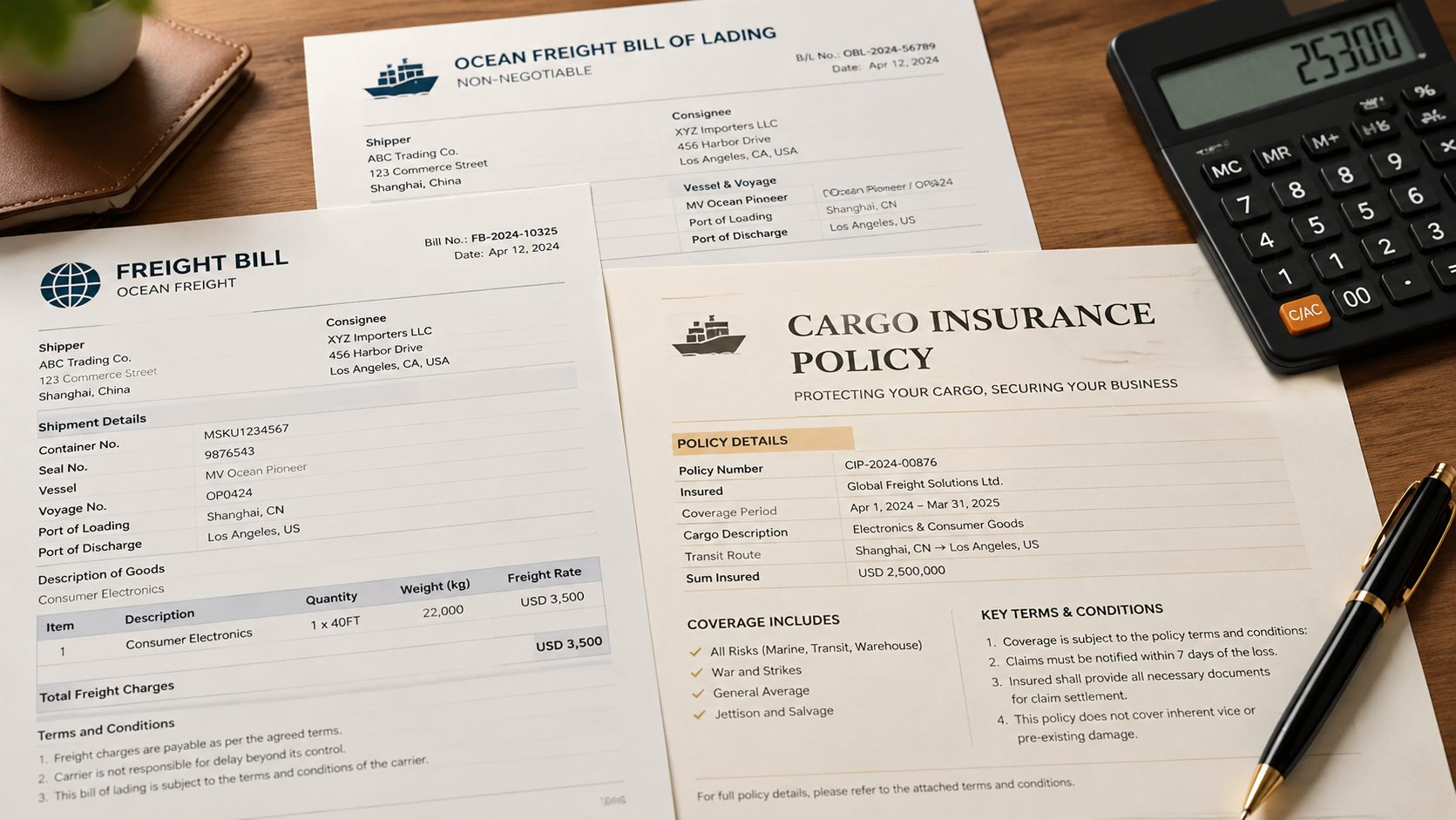
Risk alert: Do not assume that a tracking update, booking confirmation, or delivery receipt settles a cargo damage or loss claim. Preserve relevant records, notify the responsible parties promptly, and follow the applicable contractual and insurance procedures.
Disclosure: This guide provides general logistics information and may refer to services relevant to the topic. Carrier terms, customs requirements, fees, service coverage, and operating conditions can change. Confirm current requirements and responsibilities before acting.
Key Takeaways
- A freight broker arranges transportation by connecting shippers with carriers; the broker does not necessarily transport the cargo.
- The broker’s responsibilities depend on the written agreement, the shipment, and the services included in the booking.
- International transportation may require separate arrangements for freight forwarding, customs clearance, insurance, and final delivery.
- Compare quotes using identical shipment details, routes, service scope, charges, and delivery requirements.
- Before booking, confirm the assigned carrier, shipment documents, escalation contacts, claims procedures, and responsibility for each handoff.
Freight Broker FAQs
What is a freight broker in simple terms?
A freight broker connects a business that needs to ship cargo with a carrier that can transport it. The broker generally arranges and coordinates transportation rather than moving the freight itself.
What does a freight broker do that a carrier does not?
A broker primarily arranges transportation and coordinates with carriers. A carrier performs the physical movement. Some companies offer both types of services, so confirm the contracting party and operational responsibilities for each shipment.
What do freight brokers need to quote a shipment?
They generally need the origin, destination, requested dates, cargo description, weight, dimensions, packaging, equipment requirements, and delivery constraints. Special handling or documentation requirements should also be disclosed before the rate is confirmed.
Can an international freight broker arrange overseas shipping?
A provider may arrange international transportation or coordinate selected legs of an overseas shipment. Confirm which modes, countries, origin and destination services, documents, and customs-related tasks fall within its actual scope.
Is an international freight broker the same as a freight forwarder?
Not necessarily. A freight broker generally connects shippers with transportation providers, while a freight forwarder may coordinate a wider movement across multiple transport legs and related shipping tasks. The contractual role matters more than the label used in a sales description.
Does a freight broker handle customs clearance?
Not automatically. Customs clearance may require a separate qualified provider and accurate supporting documents. Confirm who prepares and submits the required information, who supplies the underlying shipment details, and which party handles any corrections.
Does using a freight broker mean the cargo is insured?
No. Brokerage and cargo insurance are separate matters. Ask for written confirmation of any applicable coverage, including the insured party, covered cargo, limits, exclusions, deductibles, and claims procedure.
How should a business choose a freight broker?
Compare relevant lane and mode experience, carrier access, communication, written service scope, total charges, payment terms, and exception handling. Verify the assigned carrier and responsibilities before booking, and assess whether the proposed arrangement meets the shipment’s actual requirements.
Disclaimer: This article is general informational guidance, not a binding quotation, legal opinion, customs ruling, carrier commitment, or delivery guarantee. Requirements, charges, service terms, and responsibilities can vary by route, cargo, contract, carrier, and jurisdiction. Confirm current requirements before booking or filing.