
China Shipping Agent Italy: The Ultimate Logistics Guide for 2025
Choosing a professional China shipping agent Italy is the single most important decision for businesses importing goods from Asia. Navigating the complexities of international logistics requires local expertise to ensure your cargo moves efficiently through global supply chains. This comprehensive guide provides everything you need to know about freight methods, cost optimization, and customs procedures to streamline your operations today.
Why Should You Hire a China Shipping Agent Italy?
Expert logistics management is essential for any business importing from Asia into the European market. Hiring a dedicated china shipping agent italy allows you to focus on sales while professionals handle the complex movement of goods across oceans and borders. Furthermore, these agents negotiate better rates with major carriers due to their high volume of recurring shipments.
Consequently, your business benefits from reduced overhead and improved delivery reliability throughout the year. Experienced agents also provide vital insights into local regulations, helping you avoid costly delays at Italian ports like Genoa or Trieste. Indeed, having a partner who speaks the language and understands the culture of both regions is an invaluable asset.
Moreover, a professional agent offers end-to-end visibility, allowing you to track your cargo in real-time. This transparency helps you manage inventory levels more effectively and meet your customers expectations consistently. Therefore, the investment in a quality shipping partner pays for itself through increased efficiency and peace of mind.

What Are the Main Shipping Methods to Italy?
Multiple transport modes exist for moving cargo across the globe from Chinese manufacturing hubs to Italian distribution centers. You can choose between ocean, air, or land-based solutions depending on your specific budget and delivery timeline. Additionally, each method offers unique advantages for different types of commodities and shipment volumes.
Understanding the nuances of these services is vital for maintaining cost-effective operations and a healthy bottom line. For instance, high-value electronics require different handling compared to bulk raw materials or seasonal fashion items. Meanwhile, the global logistics landscape continues to evolve, making it necessary to stay informed about the latest transit options.
| Method | Cost Level | Transit Time | Best For |
|---|---|---|---|
| Sea Freight | Low | 30-40 Days | Bulk & Large Volume |
| Air Freight | High | 3-7 Days | Urgent & High Value |
| Rail Freight | Medium | 18-25 Days | Mid-sized Shipments |
| Express | Very High | 2-5 Days | Samples & Documents |
Comparing Sea, Air, and Rail Freight
Selecting the right mode depends on several factors including weight, volume, and urgency. Sea freight remains the most popular choice for large shipments due to its low cost per unit. However, air freight is the preferred option for time-sensitive goods that must reach Milan or Rome within days.
How Does Sea Freight Compare to Other Shipping Options?
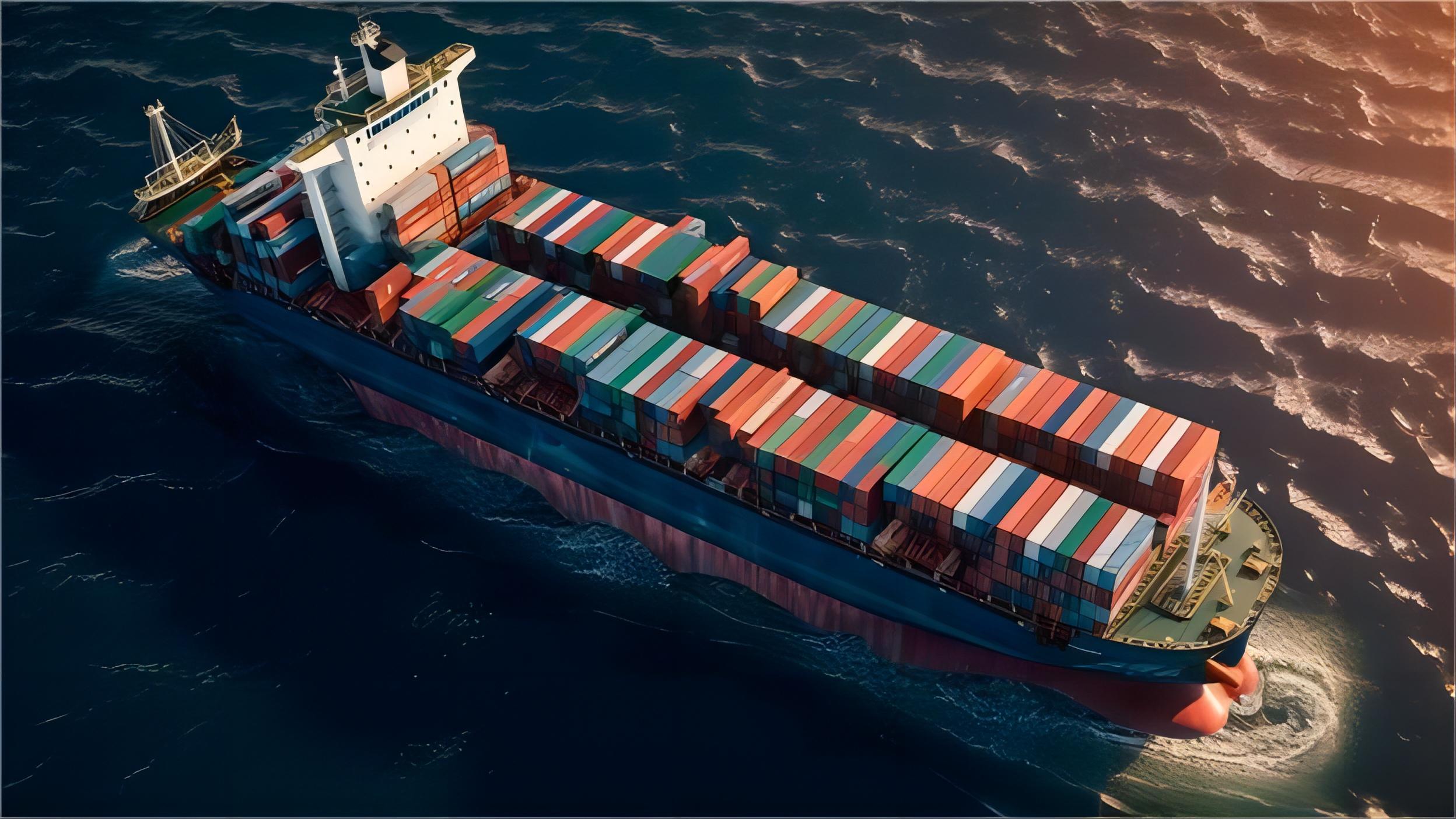
Ocean transport is the backbone of international trade between China and the Mediterranean region. Consider using sea freight for large shipments that do not require immediate delivery. This method is significantly more economical than air transport, especially when dealing with heavy machinery or furniture.
Specifically, businesses can choose between Full Container Load (FCL) and Less than Container Load (LCL) services. FCL is ideal for those who have enough cargo to fill a 20ft or 40ft container, offering better security and faster handling. On the other hand, LCL allows smaller businesses to share container space, making international shipping accessible even for low volumes.
| Strategy | Cost Range | Transit Time | Key Limitation |
|---|---|---|---|
| Direct Sea | $2,500-$3,800 | 30-35 Days | Higher port fees |
| Transshipment | $2,100-$3,300 | 38-45 Days | Risk of delays |
| Sea-Air Hybrid | $5,000-$7,500 | 15-20 Days | Complex handling |
| Rail-Sea | $3,500-$4,500 | 22-28 Days | Limited routes |
Can Air Freight Speed Up Your Italian Supply Chain?
Rapid delivery is often a requirement for modern businesses facing tight deadlines or high market demand. Utilizing air freight ensures your products reach Italian airports like Malpensa or Fiumicino in the shortest possible time. While the cost is higher, the reduction in transit time can lead to faster inventory turnover and improved cash flow.
Furthermore, air transport provides superior security for sensitive or high-value items. Consequently, many luxury brands and tech companies prioritize this method to minimize the risk of damage or theft. Nevertheless, it is important to balance the speed benefits against the increased logistics spend to maintain profitability.
Is Rail Freight a Viable Alternative for Italy?
Connecting China to Europe via the Silk Road has revolutionized the logistics industry over the last decade. Choosing rail freight offers a middle ground between the speed of air and the low cost of sea transport. This method is particularly effective for shipments originating in inland Chinese cities like Chengdu or Xi’an.
Typically, rail transit to Italy takes approximately 18 to 25 days, making it much faster than the traditional sea route. Additionally, rail transport is considered more environmentally friendly than air freight, appealing to companies with sustainability goals. Therefore, many importers are now integrating rail into their diversified shipping strategies.
What Customs Documents Are Required for Italy?
Every successful shipment must pass through the rigorous checks of Italian customs authorities. Navigating customs brokerage correctly is essential to avoid fines, seizures, or lengthy delays at the border. Without the proper documentation, even the most efficient transport plan can fail during the final stage of delivery.
Properly prepared paperwork ensures that duties and taxes are calculated accurately and paid on time. For instance, the Commercial Invoice and Packing List must match the physical cargo exactly to prevent discrepancies. Consequently, working with an agent who understands the specific requirements of the Italian Revenue Agency is a major advantage.
| Document | Purpose | Required By | Priority |
|---|---|---|---|
| Commercial Invoice | Value declaration | Customs | Critical |
| Packing List | Content details | Carrier/Customs | High |
| Bill of Lading | Contract of carriage | Carrier | Critical |
| EORI Number | EU Trader ID | EU Customs | Mandatory |

How Are Shipping Costs Calculated for Italian Imports?
Calculating the total landed cost of your goods involves more than just the base freight rate. You must account for fuel surcharges, port handling fees, and inland transportation from the port to your warehouse. Additionally, import duties and Value Added Tax (VAT) in Italy can significantly impact your final budget.
Various factors like seasonal demand and carrier capacity fluctuations also play a role in pricing. For example, rates typically spike during the peak season from August to October as retailers prepare for the holidays. Meanwhile, currency exchange rates between the Euro and the US Dollar or Chinese Yuan can cause weekly price changes.
Price Reference Guidelines (Estimated 2025)
Based on early 2025 market data, a 20GP container from Shanghai to Genoa ranges between $1,800 and $2,500. For larger 40HQ containers, costs typically fall between $3,000 and $4,200 depending on the carrier and service level. Note: Freight rates are subject to change based on fuel costs, carrier capacity, and seasonal demand. Contact us for a current quote tailored to your specific shipment.
Real-World Case Studies for Shipping to Italy
Case Study 1: Electronics from Shenzhen to Milan. Route: Shenzhen -> Milan, Italy. Cargo: High-end consumer electronics, 12 CBM, 2,800 kg. Container: LCL. Shipping Details: Major carrier via Port of Genoa. Cost Breakdown: Ocean Freight: $1,450; Origin Charges: $350; Destination Charges: $550; Customs & Duties: $1,200; Total Landed Cost: $3,550. Timeline: Booking to Loading: 4 days; Sea Transit: 34 days; Customs Clearance: 2 days; Total Door-to-Door: 40 days. Key Insight: Early booking during the Q3 peak season saved the client 15% on freight rates.
Case Study 2: Industrial Machinery from Ningbo to Venice. Route: Ningbo -> Venice, Italy. Cargo: CNC Machinery, 1 x 40HQ container. Shipping Details: Direct service via COSCO. Cost Breakdown: Ocean Freight: $3,900; Origin Charges: $450; Destination Charges: $600; Customs & Duties: $4,500; Total Landed Cost: $9,450. Timeline: Booking to Loading: 5 days; Sea Transit: 32 days; Customs Clearance: 3 days; Total Door-to-Door: 40 days. Key Insight: Using a direct route minimized handling risks for sensitive industrial equipment.
Case Study 3: Fashion Apparel from Shanghai to Rome. Route: Shanghai -> Rome, Italy. Cargo: Seasonal clothing, 500 kg. Shipping Details: Air Freight. Cost Breakdown: Air Freight: $3,250; Handling Fees: $200; Customs & Duties: $1,100; Total Landed Cost: $4,550. Timeline: Total Door-to-Door: 6 days. Key Insight: Choosing air freight allowed the retailer to hit a specific marketing launch date that would have been missed by sea.

How to Select the Best China Shipping Agent Italy?
Choosing a partner requires careful evaluation of their experience and service offerings. You should look for an agent that provides comprehensive door to door shipping to simplify your logistics chain. Furthermore, verify their credentials and check for positive reviews from other businesses importing into Italy.
Reliability is often more important than the lowest price when your supply chain is at stake. A good agent will offer proactive communication and problem-solving skills when unexpected delays occur. Ultimately, the right china shipping agent italy acts as an extension of your own team, dedicated to your long-term success.
What Are the Logistics Trends for Italy in 2025?
Current market conditions suggest a period of relative stability following the disruptions of previous years. As of Q1 2025, freight rates for shipping from China to Europe have normalized, though geopolitical factors remain a watchpoint. Many carriers are also investing in greener technologies to meet new EU environmental regulations.
Digitalization is another major trend, with more agents offering automated booking and tracking platforms. These tools provide better data for decision-making and help reduce administrative errors. Consequently, businesses that embrace these technological shifts will likely find themselves at a competitive advantage in the Italian market.
Final Thoughts on Finding a China Shipping Agent Italy
Successfully managing imports requires a deep understanding of the global logistics landscape and local Italian requirements. By selecting a qualified china shipping agent italy, you gain a strategic partner capable of navigating the complexities of international trade. Whether you choose sea, air, or rail freight, the key to success lies in careful planning and professional execution.
Remember to consider all costs, from freight rates to customs duties, to ensure your business remains profitable. Stay informed about market trends and be prepared to adapt your strategy as conditions change. With the right support, your journey from China to Italy can be a smooth and rewarding experience for your business.
Ready to streamline your logistics?
Take control of your logistics today by partnering with an expert china shipping agent italy. Our team provides tailored solutions and competitive rates to ensure your goods arrive safely and efficiently. Contact us now to request a free quote and discover how we can optimize your shipping strategy from China to Italy. Visit https://chinashipnet.com to learn more.
Request Quote