
Shipping from China to Western Sahara

Services

What we do

Services

img

Sea Freight From China To Western Sahara

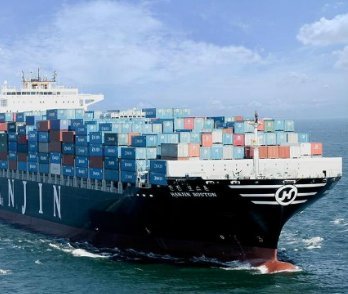
China Ship Net can arrange sea–inland solutions connected to Western Sahara only after thorough compliance and route assessment. In practice, cargo typically moves from China to North or West African ports such as Casablanca, Tangier Med, Las Palmas, Nouadhibou, or other regional hubs, and then may be transported onward by road to areas in or near Western Sahara where operations are legally and practically feasible. Our long-term contracts with carriers including COSCO, OOCL, APL, EMC, Maersk (MSK), and HMM provide competitive rates and stable capacity on Asia–North/West Africa routes, but use of these contracts for Western Sahara–linked shipments always depends on current regulations, carrier policies, and local conditions. For eligible cargo—such as permitted project materials, industrial supplies, or humanitarian goods—we focus on accurate documentation, secure loading, and carefully controlled inland delivery.

img

Air Freight From China To Western Sahara

Air freight to Western Sahara is typically indirect and must comply with aviation rules, sanctions frameworks, and the policies of airlines and transit states. China Ship Net therefore designs air solutions from major Chinese airports to suitable regional airports—often in Morocco, the Canary Islands, Mauritania, or other North/West African hubs—before onward trucking to authorised destinations. Every shipment is screened for cargo type, consignee, and routing permissibility. Where the shipment is fully compliant and operationally feasible, we handle the entire chain: origin pickup, export customs clearance, airline booking, transit monitoring, and final-leg coordination. This option is generally reserved for high-priority cargo such as critical spare parts, specific industrial components, medical supplies, or project-related items that must reach the region quickly and within a robust compliance framework.

img

Door to Door Shipping from China to Western Sahara

Door-to-door shipping from China to Western Sahara can only be offered under conditions that satisfy all legal, safety, and carrier requirements. Before committing to a door-to-door solution, China Ship Net conducts a detailed feasibility and compliance review, covering sanctions exposure, applicable national regulations, cargo sensitivity, and the precise delivery location. If the shipment is approved, we arrange pickup from factories or warehouses across China, manage export documentation, organise sea or sea–air transport to regional North/West African hubs, and coordinate customs and inland transport to the agreed delivery point. Throughout the process, we maintain clear communication, careful route selection, and documentation transparency to ensure the logistics chain remains compliant and as smooth as possible.

FCL Shipping from China To Western Sahara

China Ship Net may provide full-container-load (FCL) shipping for Western Sahara–related projects where cargo, consignee, and routing have passed strict compliance checks. For such shipments, our team arranges container booking on approved services from Chinese ports, supervises loading at origin, completes export customs procedures, and manages sea transport to designated North or West African ports that can serve Western Sahara by road. FCL is suited to larger, homogeneous consignments—such as construction materials, equipment for approved infrastructure works, or specific project cargo—but legal permissibility and risk assessment remain the primary criteria. If any element of the shipment conflicts with sanctions, national regulations, or carrier policies, we will not proceed with the booking.

LCL Shipping from China To Western Sahara

Less-than-container-load (LCL) shipping involving Western Sahara must also comply with all relevant sanctions and export-control rules. China Ship Net consolidates cargo at Chinese hubs only after each consignment has been individually cleared from a compliance standpoint—including cargo nature, shipper/consignee screening, and end-use checks. Where shipments are permitted, we arrange consolidation, export documentation, and ocean transport to regional gateway ports, followed by deconsolidation and onward trucking to agreed and accessible destinations. Due to regulatory complexity and limited services, LCL options for Western Sahara may be more restricted than for neighbouring markets, and availability will always depend on current legal, carrier, and operational conditions.

Features

More Services Shipping from China To Western Sahara

img

Pickup and Delivery

China Ship Net will provide most fuel efficient pickup service China
img

Warehousing

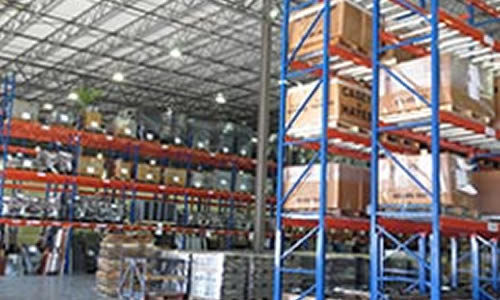
We provide free warehousing services for any of your goods.
img

Cargo Insurance

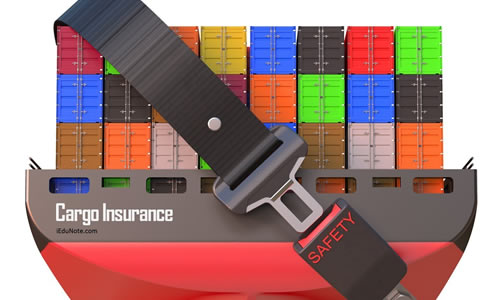
The cargo insurance protects your goods all the way to any Any FBA Warehouse

img

Custom Clearance

We handle all paperwork and other details for you.
img

Loading Inspection

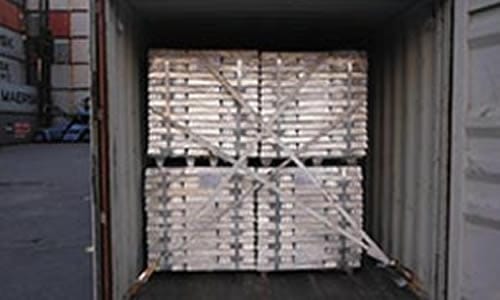
Ensure safe packaging and loading of goods in your suppliers' factory.

Here We Are

GET ANYTYPE QUOTE FROM HERE.

Your Best Freight Forwarder from China to Western Sahara

  • Operate strictly in line with UN resolutions, national sanctions regimes, and export-control regulations for Western Sahara–related cargo
  • Provide case-by-case compliance screening and feasibility assessment before accepting any shipment from China to Western Sahara
  • Leverage long-term contracts with major carriers for regional legs, using only routes and services that are legally permissible
  • Offer guidance on documentation, export licences, and supporting paperwork where required
  • Ensure careful container loading supervision and chain-of-custody controls for approved shipments
  • Arrange compliant pickup and inland transportation within China from all major manufacturing regions
  • Provide 24/7 customer support focused on transparency, documentation quality, and legal risk management for Western Sahara–linked cargo
What customers also want to know

Professional Shipping from China to Western Sahara: The Ultimate FAQ Guide

Shipping times from China to Western Sahara depend on several factors:

  • Shipping Method: Sea freight is slower but more cost-effective, typically suitable for large shipments. Air freight is faster but comes at a higher cost.
  • Weather Conditions: Adverse weather can delay both sea and air shipments.
  • Customs Clearance: Processing times at ports and compliance with import regulations can affect delivery schedules.
  • Logistics Efficiency: The performance and reliability of carriers and freight forwarders play a significant role.
  • Unforeseen Events: Port congestion, strikes, or political instability may also cause delays.

Choosing the right shipping method and working with a reliable freight forwarder can help minimize delays and optimize transit times.

The main shipping methods from China to Western Sahara include sea freight and air freight. Sea freight is cost-effective for large shipments and typically takes 30 to 45 days. Air freight, while significantly faster, often costs more and is suitable for smaller, time-sensitive shipments. Freight forwarders and logistics companies can help determine the best method based on the shipment size, budget, and urgency.

Sea freight is generally more affordable and ideal for large or bulky shipments, with transit times ranging from 30 to 45 days. It involves container shipping via cargo ships. In contrast, air freight is much faster, often taking less than a week, but it comes with higher costs. The choice between sea and air freight depends on the shipment’s size, urgency, and budget constraints.

Freight forwarders offer numerous benefits, including expert knowledge of shipping routes, customs regulations, and documentation requirements. They can negotiate better shipping rates, consolidate shipments, and provide end-to-end logistics solutions. Utilizing a freight forwarder can streamline the shipping process, reduce transit times, and ensure compliance with international shipping standards, making the entire process more efficient and cost-effective.

Key documents for shipping from China to Western Sahara include the bill of lading, commercial invoice, packing list, certificate of origin, and any relevant import/export permits. Accurate and complete documentation is crucial to avoid delays in customs clearance and ensure smooth transit. Additionally, depending on the nature of the goods, other specific certificates or licenses may be required.

Customs clearance is a critical factor that can significantly affect shipping times. Delays in documentation, inspections, or compliance with import regulations can extend transit durations. Efficient customs procedures, accurate paperwork, and adherence to local regulations are essential to minimize delays. Working with experienced customs brokers or freight forwarders can help navigate these complexities and expedite the process.

Insurance is vital in protecting shipments from potential risks such as damage, loss, or theft during transit. It provides financial coverage and peace of mind, ensuring that any unforeseen incidents do not result in significant financial losses. Freight insurance options vary, so it is essential to choose a policy that covers the specific needs and value of the goods being shipped.

Port congestion and logistical challenges can lead to significant delays in shipping. High traffic volumes, limited port capacity, and inefficient handling procedures contribute to longer wait times for unloading and loading cargo. Additionally, logistical challenges such as inadequate infrastructure or transportation strikes can further disrupt schedules. Effective planning, real-time tracking, and alternative routing can help mitigate these issues.

The cost of shipping from China to Western Sahara varies based on the chosen method. Sea freight is typically more economical, suitable for large shipments, but involves longer transit times. Air freight, while faster, incurs higher costs, making it ideal for smaller, urgent shipments. Balancing cost, speed, and the nature of the goods is crucial in selecting the appropriate shipping method.

Businesses can optimize their shipping strategies by taking a structured approach:

  • Analyze the Supply Chain: Identify bottlenecks, high-cost segments, and areas for efficiency improvements.
  • Choose the Right Shipping Method: Select air, sea, rail, or road transport based on urgency, cost, and cargo type.
  • Leverage Technology: Use real-time tracking, automated updates, and communication tools to monitor shipments and coordinate logistics.
  • Partner with Reliable Forwarders: Collaborate with experienced freight forwarders and logistics providers to ensure smooth handling, compliance, and timely delivery.
  • Review Performance Regularly: Monitor shipping costs, transit times, and market conditions to make data-driven decisions that enhance efficiency and reduce expenses.

This comprehensive approach ensures faster, more reliable, and cost-effective shipping operations.

Don’t Take Our Words for it

Listen to What Our Clients Say about Our Freight Forwarding Service

Code Quality

Code Quality is solid and maintainable, with clear structure and consistent naming conventions. The logic is well organized, making the codebase easy to read and extend. Documentation and comments support understanding, and error handling is generally reliable. A bit more modularization and test coverage would further strengthen robustness. Overall, the implementation is professional and dependable.

Sakira K. Lilliam
Ceo of Axone

Features Availability

Features Availability is well designed and comprehensive, covering the core needs of users while remaining easy to access and understand. Most key functions are consistently available and perform reliably. The layout makes feature discovery intuitive, though a few advanced options could be surfaced more clearly. Overall, availability and usability are strong and dependable.

Warleman Joliues
Co-Founder Carion ltd

Customer Support

Customer Support is responsive, professional, and solution-oriented. The team communicates clearly, follows up promptly, and shows strong knowledge of the product and processes. Most issues are resolved within a reasonable timeframe, and support channels are easy to reach. Service quality is consistent, though faster response during peak hours would further improve the experience. Overall, support is reliable and helpful.

Sofia Harvey
Chairman News grove