
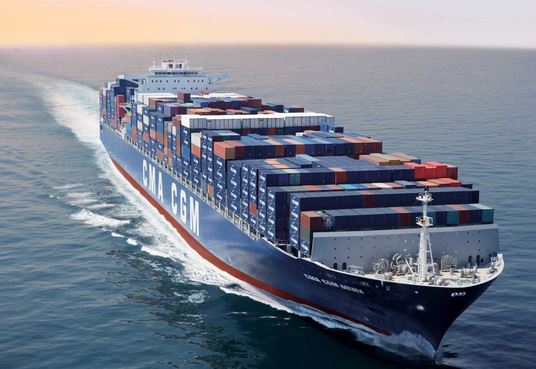
A steadily increasing number of our East and Central African customers are based in Rwanda, making it an important landlocked market within our Africa logistics network. China Ship Net maintains long-term contract rates with leading ocean carriers such as COSCO, OOCL, APL, EMC, Maersk (MSK), and HMM, and combines these with strong inland trucking solutions through neighboring countries. These partnerships enable us to offer competitive freight rates and reliable capacity for shipments from China to Rwanda via key regional gateway ports, including Mombasa (Kenya) and Dar es Salaam (Tanzania).
With China Ship Net as your logistics partner, shipping goods from China to Rwanda becomes structured, transparent, and easy to manage. Simply share your shipment details, and our experienced team will take care of every step—from factory pickup and export documentation in China, to ocean transport to the chosen port, transit and customs procedures along the corridor, and final trucking delivery into Rwanda. Our aim is to be your most dependable and efficient freight forwarder from China to Rwanda. Request a competitive quote today.
China Ship Net provides reliable and economical sea–inland combined freight services from China to Rwanda, using major East African seaports as gateways. Most shipments move via Mombasa in Kenya or Dar es Salaam in Tanzania, followed by overland trucking through regional corridors into Rwanda. Through long-term cooperation with carriers including COSCO, OOCL, APL, EMC, Maersk (MSK), and HMM, we secure favorable contract rates, stable space, and suitable sailings from main Chinese ports. Whether you are shipping construction materials, machinery, solar equipment, agricultural inputs, consumer goods, or industrial supplies, our integrated ocean and inland solutions ensure safe handling, accurate documentation, and smooth delivery to Kigali and other Rwandan destinations.

For urgent, high-value, or time-sensitive cargo, our air freight service from China to Rwanda offers fast and secure transportation via suitable regional hubs. China Ship Net designs air routes from major Chinese airports to Kigali International Airport, often using connections through Middle Eastern or African hubs. From pickup at your supplier’s premises, export customs clearance, and airline booking, to transit monitoring, import procedures in Rwanda, and last-mile delivery, we manage the entire air logistics chain. This service is ideal for medical supplies, pharmaceuticals, electronics, telecom equipment, critical spare parts, and samples that must reach Rwanda quickly and reliably.

Our door-to-door shipping service delivers a complete end-to-end logistics solution for businesses and individuals in Rwanda who prefer a single responsible partner. China Ship Net arranges pickup directly from factories or warehouses across China, prepares all export documentation, and organizes sea plus truck transport via Mombasa or Dar es Salaam, or air freight directly to Kigali when needed. We then handle transit and customs procedures along the corridor and complete last-mile delivery in Rwanda. We serve Kigali, Huye, Musanze, Rubavu, Rusizi, and other key commercial and project locations. With proactive tracking, clear communication, and experienced regional partners, we ensure a smooth, hassle-free shipping experience from origin in China right to your door in Rwanda.

China Ship Net offers full-container-load (FCL) shipping from China to Rwanda by combining strong ocean carrier contracts with reliable inland trucking services from East African ports. Our team manages container booking, equipment allocation, loading supervision at your factory or consolidation warehouse in China, export customs clearance, and ocean transport to Mombasa or Dar es Salaam. From there, we arrange bonded or non-bonded trucking to Rwanda, depending on your needs. FCL shipping is ideal for large-volume or heavy cargo such as construction materials, project and energy equipment, machinery, household relocations, textiles, and industrial supplies, giving you better security, predictable transit times, and improved cost control for your Rwanda-bound supply chain.
For shipments that do not require a full container, our less-than-container-load (LCL) service from China to Rwanda provides a flexible and cost-effective alternative. We consolidate cargo from multiple shippers at major Chinese ports, complete export formalities, and arrange ocean transport to regional consolidation hubs and gateway ports such as Mombasa or Dar es Salaam. After arrival, we coordinate deconsolidation, transit and customs procedures, and overland trucking into Rwanda, followed by final delivery to your warehouse, shop, office, or residence. LCL shipping is particularly suitable for SMEs, e-commerce sellers, mixed-SKU consignments, and trial orders for the Rwandan market, helping you reduce logistics costs while maintaining regular and reliable supply.
China Ship Net will provide most fuel efficient pickup service China

We provide free warehousing services for any of your goods.

The cargo insurance protects your goods all the way to any Any FBA Warehouse

We handle all paperwork and other details for you.
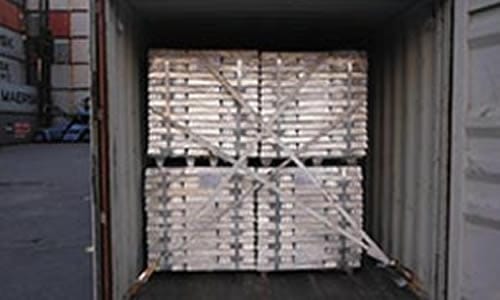
Ensure safe packaging and loading of goods in your suppliers' factory.
Air freight is generally more expensive than sea freight, with costs primarily determined by the weight and volume of the shipment. Prices typically range from tens to several hundred dollars per kilogram, depending on the service and route. For accurate pricing, it’s recommended to consult a freight forwarder or logistics provider, as rates may vary due to fuel surcharges, handling fees, and other additional charges.
Sea freight from China to Rwanda usually takes 4 to 8 weeks, while air freight takes about 1 week. Sea freight is more cost-effective but slower, whereas air freight is faster but more expensive. The choice between these methods depends on the urgency and budget for the shipment.
Customs clearance time can vary but generally takes between a few days to a week. Factors affecting this include the type of goods, completeness of documentation, and any potential issues with import regulations. Delays can occur if there are discrepancies or additional inspections required.
Yes, Rwanda imposes import duties and taxes on goods entering the country. The rates depend on the type of product and its classification under the Harmonized System (HS) code. Importers should check with Rwandan customs or a customs broker for the exact duties applicable to their specific goods.
Rwanda is a landlocked country, so shipments typically enter through neighboring countries. Major transit ports include the Port of Dar es Salaam in Tanzania and the Port of Mombasa in Kenya. Goods are then transported by road or rail to Rwanda.
Yes, most logistics companies and freight forwarders offer tracking services for shipments. You can track your cargo using a tracking number provided by the shipping company. Tracking information is usually available online through the logistics provider’s website.
The most common shipping methods include sea freight, air freight, and rail transport. Sea freight is used for large and less time-sensitive shipments, while air freight is preferred for urgent and high-value goods. Rail transport is less common but can be used for certain types of cargo.
Required documents generally include a commercial invoice, packing list, bill of lading (for sea freight) or air waybill (for air freight), and a certificate of origin. Depending on the nature of the goods, additional documents such as health certificates or permits might be needed.
Risks include potential delays due to customs issues, weather conditions, or transportation disruptions. There is also a risk of damage or loss of goods. To mitigate these risks, it is advisable to choose reliable logistics providers, ensure proper insurance coverage, and track shipments regularly.
To minimize shipping costs, consider consolidating shipments to fully utilize container space and opt for sea freight over air freight for non-urgent goods. Negotiating rates with logistics providers can also help lower expenses. Additionally, accurate and complete documentation is essential to prevent delays and avoid extra charges.
Design Quality is clean, modern, and thoughtfully executed. The interface is visually consistent, with good use of spacing, typography, and color to guide attention. Navigation feels smooth and components are well organized. Performance and aesthetics balance well, though minor refinements in detail could enhance polish. Overall, the design delivers a professional and user-friendly experience.
Code Quality is solid and maintainable, with clear structure and consistent naming conventions. The logic is well organized, making the codebase easy to read and extend. Documentation and comments support understanding, and error handling is generally reliable. A bit more modularization and test coverage would further strengthen robustness. Overall, the implementation is professional and dependable.
Features Availability is well designed and comprehensive, covering the core needs of users while remaining easy to access and understand. Most key functions are consistently available and perform reliably. The layout makes feature discovery intuitive, though a few advanced options could be surfaced more clearly. Overall, availability and usability are strong and dependable.