
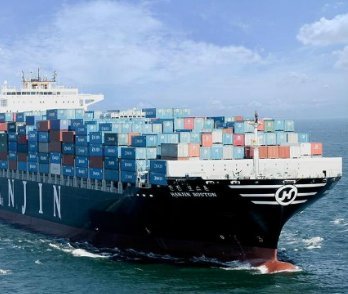
China Ship Net offers reliable sea freight solutions for shipments to Indonesia via key regional transit ports and major Indonesian gateways, including Jakarta (Tanjung Priok), Surabaya (Tanjung Perak), Semarang, and Belawan. Supported by established carrier partnerships with COSCO, OOCL, APL, EMC, MSK, and HMM, we secure consistent container space and competitive ocean freight rates for both FCL and LCL cargo. Following vessel arrival, we coordinate efficient domestic distribution by feeder, road, or coastal shipping, ensuring seamless delivery to Jakarta, Surabaya, Medan, Bali, and other major industrial and commercial hubs throughout Indonesia.

For urgent or high-value shipments, our air freight services provide fast and secure transportation from China to Indonesia. China Ship Net coordinates optimal routing to major Indonesian airports such as Soekarno–Hatta International Airport (Jakarta), Juanda (Surabaya), and Ngurah Rai (Bali), ensuring swift customs clearance and dependable transit times. From origin pickup and export procedures in China to import processing in Indonesia and final delivery to your premises, we expertly manage the entire air logistics chain with precision and care.

Our door-to-door service offers a fully integrated logistics solution designed for Indonesia’s extensive port and inland transport system. China Ship Net manages every phase—from factory pickup in China, export documentation, and sea or air transport to handling at Indonesian ports or airports, local customs clearance, and final-mile delivery. With a robust regional agent network and complete shipment visibility, we deliver a seamless and stress-free logistics process from start to finish, whether your cargo is destined for Jakarta, Surabaya, Bandung, Medan, Bali, or other cities across Indonesia.

China Ship Net provides full-container-load (FCL) shipping solutions on dependable routes from China to Indonesia via major container ports such as Jakarta, Surabaya, Semarang, and Belawan. Containers are transported from key Chinese loading ports directly to Indonesia and then forwarded by road or feeder vessel to the final destination. FCL shipping is ideal for machinery, construction materials, electronics, textiles, automotive parts, and other large-volume commercial cargo that demands secure and reliable multimodal transport.
For smaller shipments, our less-than-container-load (LCL) service provides flexibility and cost efficiency for cargo moving from China to Indonesia. China Ship Net consolidates cargo at key Chinese ports, ships via regional transit hubs and direct services to Indonesian gateways, and handles all inland transport, customs procedures, and final delivery nationwide. This solution is well-suited for SMEs, mixed consignments, and regular importers seeking dependable logistics without requiring a full container.
China Ship Net will provide most fuel efficient pickup service China
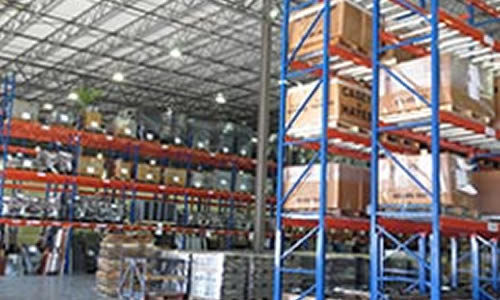
We provide free warehousing services for any of your goods.
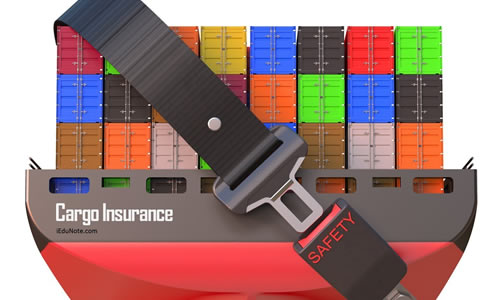
The cargo insurance protects your goods all the way to any Any FBA Warehouse

We handle all paperwork and other details for you.
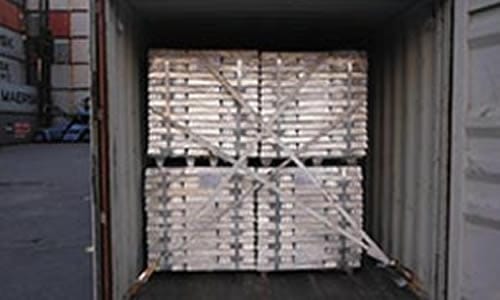
Ensure safe packaging and loading of goods in your suppliers' factory.
Shipping costs from China to Indonesia vary depending on the shipping method and cargo type. Air freight generally costs more, with prices ranging from $5 to $15 per kilogram. Sea freight is more economical, with costs ranging between $500 and $2,000 for a standard 20-foot container. Additional factors such as fuel surcharges, handling fees, and distance also impact the final cost.
To monitor your shipment from China to Indonesia, use the tracking number supplied by your carrier or freight forwarder. Most providers offer online tracking tools where you can view real-time updates on your cargo. For additional details, contact your freight forwarder directly or access their customer service portals for support.
Shipping from China to Indonesia requires several key documents, including a commercial invoice, packing list, bill of lading, and a certificate of origin. Additionally, you may need import permits, customs declarations, and any relevant certificates for specific goods, such as health or safety certifications, depending on the nature of the cargo.
Common delays in shipping from China to Indonesia include customs clearance issues, port congestion, and weather conditions. Additional delays can arise from documentation errors, strikes, or logistical problems. To minimize delays, ensure all paperwork is accurate and complete and choose reliable shipping partners.
To lower shipping expenses, consider consolidating multiple shipments, choosing sea freight over air freight, and negotiating volume discounts with carriers. Additionally, flexible delivery schedules and cost-efficient packaging options can help reduce overall logistics costs.
Yes, Indonesia has specific import restrictions and regulations, including restrictions on certain goods, required certifications, and import permits. Ensure your goods comply with Indonesian import regulations by consulting with customs brokers and reviewing relevant import guidelines before shipping.
Best practices for packaging include using durable, weather-resistant materials, labeling packages clearly, and cushioning fragile items to prevent damage. Properly secure cargo in containers to avoid shifting during transit and follow any specific packaging requirements for the type of goods being shipped.
If your shipment is delayed, first check the tracking information for updates. Contact your freight forwarder or carrier for more details and possible reasons for the delay. Additionally, review your shipping documents and ensure all customs requirements are met to avoid further issues.
Yes, using freight forwarding services is a common practice for shipping from China to Indonesia. Freight forwarders offer expertise in logistics, manage the shipping process, and handle documentation and customs clearance, ensuring a smoother and more efficient shipping experience.
Customs duties for shipments from China to Indonesia are based on the value and type of goods being imported. Duties are calculated according to Indonesia's tariff rates and may include VAT and other taxes. Ensure accurate declaration of goods and payment of duties to avoid delays and penalties.
Design Quality is clean, modern, and thoughtfully executed. The interface is visually consistent, with good use of spacing, typography, and color to guide attention. Navigation feels smooth and components are well organized. Performance and aesthetics balance well, though minor refinements in detail could enhance polish. Overall, the design delivers a professional and user-friendly experience.
Customer Support is responsive, professional, and solution-oriented. The team communicates clearly, follows up promptly, and shows strong knowledge of the product and processes. Most issues are resolved within a reasonable timeframe, and support channels are easy to reach. Service quality is consistent, though faster response during peak hours would further improve the experience. Overall, support is reliable and helpful.
Code Quality is solid and maintainable, with clear structure and consistent naming conventions. The logic is well organized, making the codebase easy to read and extend. Documentation and comments support understanding, and error handling is generally reliable. A bit more modularization and test coverage would further strengthen robustness. Overall, the implementation is professional and dependable.