

China Ship Net offers reliable sea freight solutions for shipments from China to Gambia via major West African gateway ports. Depending on routing and schedule, cargo can move through Banjul or nearby hubs such as Dakar and then be forwarded by coastal or road transport into Gambia. Backed by established partnerships with carriers including COSCO, OOCL, APL, EMC, MSK, and HMM, we secure consistent container space and competitive FCL and LCL ocean freight rates on regular sailings from key Chinese ports. After vessel arrival, we coordinate efficient terminal handling and inland distribution, ensuring smooth delivery to Banjul, Serekunda, Brikama, and other commercial centers across Gambia.

For urgent or high‑value shipments, our air freight services provide fast and secure transportation from China to Gambia. China Ship Net designs optimal routing to Banjul International Airport, typically via major regional hubs such as Addis Ababa, Istanbul, Casablanca, Paris, or Dubai, to achieve reliable transit times and streamlined customs procedures. From origin pickup and export formalities in China to airline booking, import clearance in Gambia, and final delivery to your premises, we manage the entire air logistics chain with precision—ideal for electronics, pharmaceuticals, telecom and machinery spares, fashion items, and other time‑sensitive cargo bound for Gambia.

Our door‑to‑door service offers a fully integrated logistics solution tailored to Gambia’s coastal location and inland transport network. China Ship Net manages every stage of your shipment—factory pickup in China, export documentation, sea or air transportation, handling at Banjul or regional ports/airports, Gambian customs clearance, and final‑mile delivery to Banjul, Serekunda, Brikama, or other specified locations. With a strong regional agent network and full shipment visibility, we provide a seamless, low‑stress logistics experience from origin to final destination, even where cross‑border transits via neighboring countries are involved.

China Ship Net provides full‑container‑load (FCL) shipping solutions on dependable routes from China to Gambia via Banjul and neighboring West African ports, combined with local road or coastal delivery. FCL shipping is ideal for construction materials, industrial and agricultural equipment, vehicles and parts, electronics, FMCG, and other large‑volume commercial cargo that require secure, predictable multimodal transport. Using dedicated containers enhances cargo protection, minimizes handling, speeds up terminal operations, and supports more efficient customs and transit procedures on the way to Gambia.
For smaller shipments, our less‑than‑container‑load (LCL) service offers flexibility and cost efficiency when moving cargo from China to Gambia. China Ship Net consolidates freight at major Chinese ports, loads it into shared containers routed via principal West African hubs to Banjul or nearby ports, and manages all subsequent handling, customs formalities, and local delivery within Gambia. This solution is well‑suited for SMEs, mixed consignments, trial orders, spare parts, and regular importers who do not yet require a full container but still expect dependable, professional logistics services into Gambia.
China Ship Net will provide most fuel efficient pickup service China

We provide free warehousing services for any of your goods.

The cargo insurance protects your goods all the way to any Any FBA Warehouse

We handle all paperwork and other details for you.
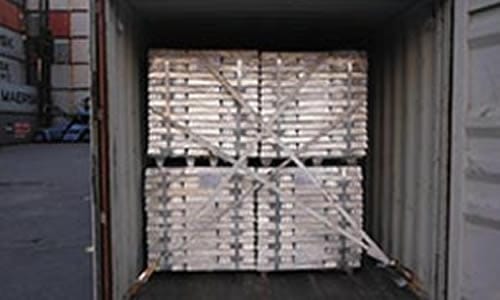
Ensure safe packaging and loading of goods in your suppliers' factory.
Sea freight from China to Gambia usually takes between 35 and 45 days. Transit times can vary depending on factors such as weather, port congestion, and the selected shipping route. Air freight offers a significantly faster alternative, typically arriving within 5 to 10 days, though at a higher cost. Selecting the right shipping method is essential to ensure timely delivery.
The main factors affecting shipping time include weather conditions, port efficiency, shipping routes, cargo type, and the efficiency of the carrier. Adverse weather can delay voyages, while busy ports can cause congestion. The chosen shipping route and type of cargo also influence the transit time. Additionally, the carrier's performance plays a significant role in ensuring timely delivery.
Yes, air freight is a viable option for shipping from China to Gambia, especially for urgent shipments. It significantly reduces transit time to about 5 to 10 days. However, it is more expensive compared to sea freight. Air freight is ideal for high-value or time-sensitive goods. Businesses must weigh the cost against the urgency and value of their shipments when considering air freight.
Port congestion can significantly impact shipping times from China to Gambia. When ports are busy, ships may face delays in docking, unloading, and loading cargo, leading to extended transit times. Port congestion is often influenced by high shipping volumes, inadequate infrastructure, and administrative inefficiencies. Planning for potential delays and choosing less congested ports can help mitigate this issue.
Common shipping routes from China to Gambia typically pass through major international sea lanes, often including transshipment hubs like Singapore, Dubai, or Rotterdam. The specific route chosen can affect the overall transit time. Direct routes are faster but may be limited in availability, while indirect routes with transshipments might take longer but offer more flexibility.
Yes, there are seasonal variations in shipping times from China to Gambia. During peak shipping seasons, such as the months leading up to major holidays like Chinese New Year or Christmas, shipping volumes increase, leading to longer transit times. Adverse weather conditions, such as typhoons, can also cause seasonal delays. Planning shipments during off-peak times can help avoid these delays.
Customs procedures play a crucial role in the shipping time from China to Gambia. Efficient customs clearance can expedite the process, while delays in documentation, inspections, or compliance issues can prolong transit times. Both the exporting and importing countries' customs authorities must efficiently process the shipments to ensure timely delivery. Proper documentation and compliance with regulations are essential.
The type of cargo can significantly influence shipping time. Certain goods, such as hazardous materials or perishable items, require special handling and may be subject to additional regulations, leading to longer processing times. Bulky or oversized cargo may also face logistical challenges, impacting overall transit time. Understanding the specific requirements for different types of cargo is important for planning.
Businesses can ensure timely shipping from China to Gambia by selecting reliable carriers, planning shipments in advance, and avoiding peak seasons. Using air freight for urgent shipments, ensuring all documentation is in order, and maintaining good communication with suppliers and logistics providers are also effective strategies. Additionally, tracking shipments and choosing efficient routes can help mitigate delays.
Shipping insurance is essential for international shipments from China to Gambia. It safeguards your cargo against potential risks such as damage, theft, or other unforeseen incidents during transit. Given the long distances and inherent risks of international shipping, insurance provides both financial protection and peace of mind. Businesses should evaluate their coverage requirements carefully and select suitable policies to ensure their shipments are fully protected.
Features Availability is well designed and comprehensive, covering the core needs of users while remaining easy to access and understand. Most key functions are consistently available and perform reliably. The layout makes feature discovery intuitive, though a few advanced options could be surfaced more clearly. Overall, availability and usability are strong and dependable.
Customer Support is responsive, professional, and solution-oriented. The team communicates clearly, follows up promptly, and shows strong knowledge of the product and processes. Most issues are resolved within a reasonable timeframe, and support channels are easy to reach. Service quality is consistent, though faster response during peak hours would further improve the experience. Overall, support is reliable and helpful.
Code Quality is solid and maintainable, with clear structure and consistent naming conventions. The logic is well organized, making the codebase easy to read and extend. Documentation and comments support understanding, and error handling is generally reliable. A bit more modularization and test coverage would further strengthen robustness. Overall, the implementation is professional and dependable.