
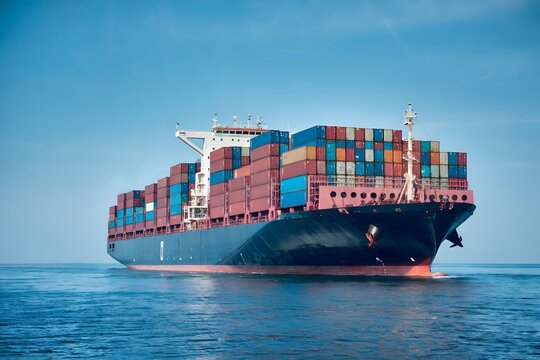
China Ship Net offers reliable sea freight solutions for shipments from China to Estonia via key North European and Baltic ports, including Tallinn, as well as major hubs such as Hamburg, Bremerhaven, and Rotterdam. Supported by established partnerships with carriers like COSCO, OOCL, APL, EMC, MSK, and HMM, we secure consistent container space and competitive FCL and LCL ocean freight rates on regular sailings from leading Chinese ports. After vessel arrival, we arrange efficient feeder services and inland trucking or rail, ensuring smooth delivery to Tallinn, Tartu, Narva, Pärnu, and other commercial and industrial centers across Estonia.

For urgent or high‑value shipments, our air freight services provide fast and secure transportation from China to Estonia. China Ship Net designs optimal routing to Tallinn Airport and, where appropriate, via nearby hubs such as Helsinki, Riga, Frankfurt, or Warsaw, to ensure reliable transit times and streamlined customs procedures. From origin pickup and export formalities in China to airline booking, import clearance in Estonia, and final delivery to your warehouse or office, we manage the entire air logistics chain with precision—ideal for electronics, machinery parts, pharmaceuticals, fashion items, e‑commerce parcels, and other time‑sensitive cargo bound for Estonia.

Our door‑to‑door service offers a fully integrated logistics solution tailored to Estonia’s modern port, airport, and inland transport network. China Ship Net manages every phase of your shipment—factory pickup in China, export documentation, sea or air transportation, handling at North European or Baltic ports and airports, Estonian customs clearance, and final‑mile delivery to Tallinn, Tartu, Narva, Pärnu, or other agreed locations. With a strong regional agent network and full shipment visibility, we provide a seamless, low‑stress logistics experience from origin to final destination.
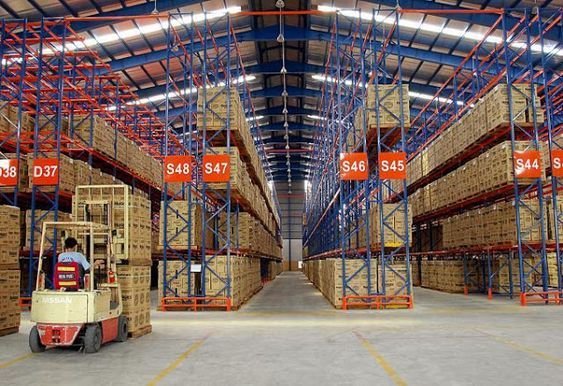
China Ship Net provides full‑container‑load (FCL) shipping solutions on dependable routes from China to Estonia via ports such as Tallinn, Hamburg, and Rotterdam, combined with feeder and inland services. FCL shipping is ideal for machinery, construction materials, electronics, automotive parts, furniture, industrial components, and other large‑volume commercial cargo that require secure, predictable ocean transport. Using dedicated containers enhances cargo protection, reduces handling risks, speeds up terminal operations, and supports more efficient customs and inland distribution throughout Estonia.
For smaller shipments, our less‑than‑container‑load (LCL) service offers flexibility and cost efficiency when moving cargo from China to Estonia. China Ship Net consolidates freight at major Chinese ports, loads it into shared containers routed via leading North European and Baltic hubs, and manages all subsequent handling, customs formalities, and inland delivery to your facility in Estonia. This solution is well‑suited for SMEs, mixed consignments, trial orders, and regular importers who do not yet require a full container but still expect dependable, professional logistics services into the Estonian market.
China Ship Net will provide most fuel efficient pickup service China
We provide free warehousing services for any of your goods.
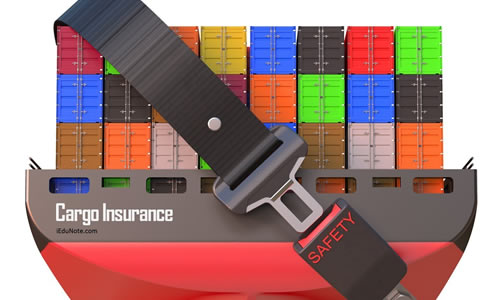
The cargo insurance protects your goods all the way to any Any FBA Warehouse

We handle all paperwork and other details for you.

Ensure safe packaging and loading of goods in your suppliers' factory.
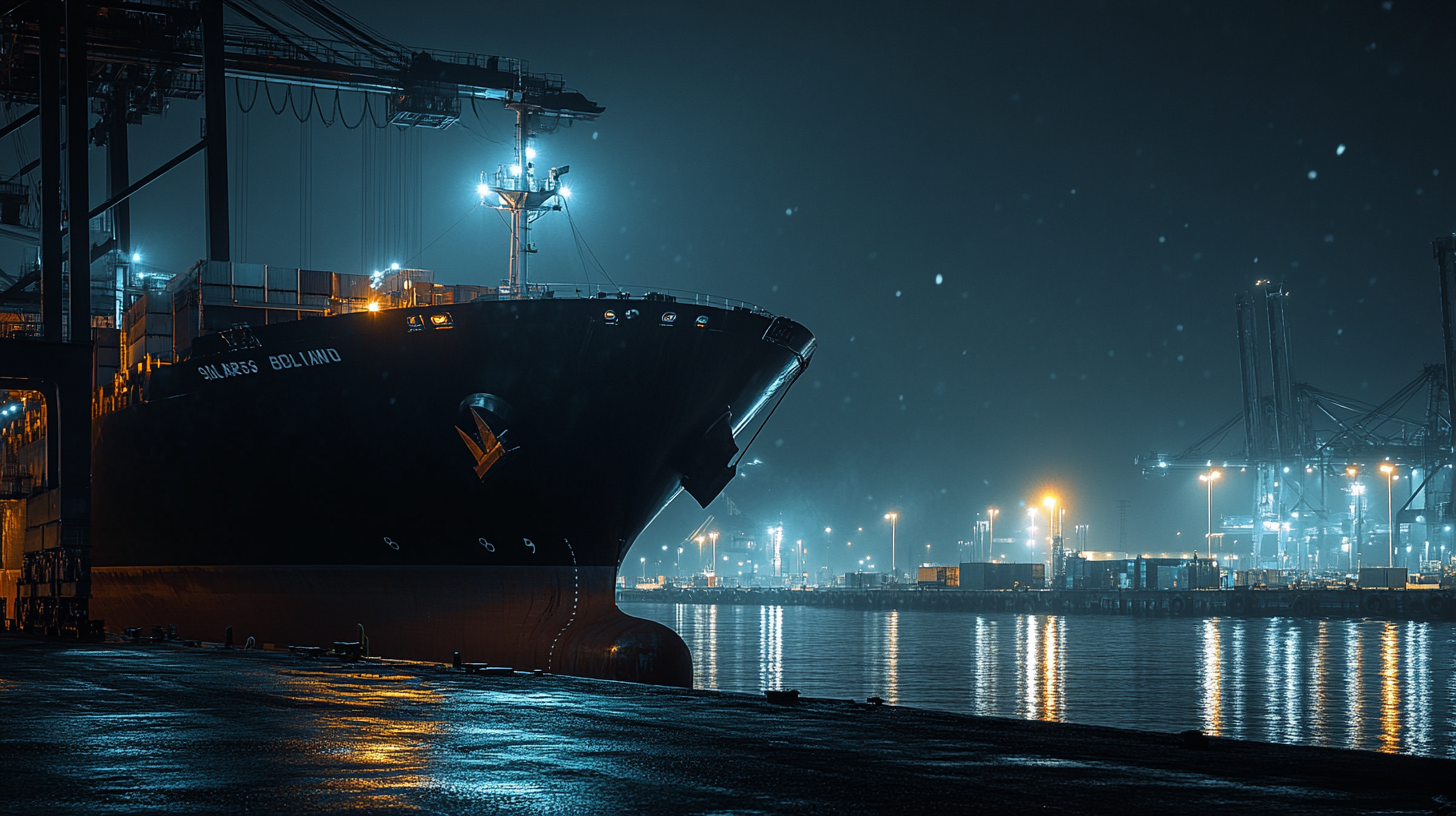
Transit times for shipments from China to Estonia vary depending on the chosen mode of transport, the specific ports of departure and arrival, and customs processing. Air freight offers faster delivery, usually within 7 to 14 days, but at a higher cost. Sea freight is more economical for larger shipments, typically taking 30 to 45 days. Factors such as port handling efficiency and potential customs delays can also affect overall delivery times.
Air freight is faster but significantly more costly compared to sea freight. It usually takes 7 to 14 days to ship goods by air, offering rapid delivery. Conversely, sea freight, which takes around 30 to 45 days, is more economical, making it a preferred choice for bulk shipments where time is less critical. The choice between air and sea freight depends on urgency and budget constraints.
Shipping goods from China to Estonia requires several key documents, including a commercial invoice, packing list, bill of lading, and customs declaration. For certain items, additional documents such as certificates of origin or health certificates may be necessary. Ensuring all paperwork is accurate and complete helps avoid delays during customs processing and facilitates smooth transit.
Customs duties and taxes for importing goods from China to Estonia are determined by the Harmonized System (HS) code of the products. Estonia follows EU regulations for import duties, which include VAT and any applicable tariffs. It’s crucial to check the specific HS code and relevant EU tariffs to estimate the total cost of importing goods and ensure compliance with local regulations.
Businesses can track shipments from China to Estonia using tracking services provided by freight forwarders and carriers. Most logistics companies offer online tracking tools that provide real-time updates on the shipment’s status, including its location and estimated delivery time. This helps businesses monitor progress and address any issues promptly during transit.
Common challenges in shipping from China to Estonia include delays in customs clearance, potential damage to goods during transit, and varying shipping times based on the chosen method. Additionally, language barriers and differences in regulatory requirements can pose difficulties. Proper planning, accurate documentation, and selecting reliable shipping partners can help mitigate these issues.
Using a freight forwarder offers several advantages, including expertise in navigating customs regulations, optimized routing for faster delivery, and handling of all logistical details. Freight forwarders can also negotiate better rates and provide tracking services, ensuring efficient and cost-effective shipping solutions tailored to specific business needs.
Seasonal factors can significantly impact shipping times. For example, peak seasons such as holidays or major trade fairs can lead to increased shipping volumes and potential delays. Weather conditions, like winter storms, can also affect transit times. Planning shipments outside peak periods and considering seasonal weather can help mitigate these delays.
Proper packaging is crucial for protecting goods during transit from China to Estonia. It helps prevent damage from handling, environmental conditions, and other transit-related factors. Using the right materials and techniques ensures that goods arrive in good condition, reducing the risk of loss or damage and potentially lowering insurance costs.
When choosing a shipping method, businesses should evaluate factors such as delivery speed, cost, and the type of goods being transported. Air freight provides faster delivery and is ideal for urgent shipments, though it comes at a higher cost. Sea freight is more economical and better suited for larger or less time-sensitive cargo. Ultimately, the selected shipping method should align with your overall logistics strategy and budget.
Code Quality is solid and maintainable, with clear structure and consistent naming conventions. The logic is well organized, making the codebase easy to read and extend. Documentation and comments support understanding, and error handling is generally reliable. A bit more modularization and test coverage would further strengthen robustness. Overall, the implementation is professional and dependable.
Features Availability is well designed and comprehensive, covering the core needs of users while remaining easy to access and understand. Most key functions are consistently available and perform reliably. The layout makes feature discovery intuitive, though a few advanced options could be surfaced more clearly. Overall, availability and usability are strong and dependable.
Customer Support is responsive, professional, and solution-oriented. The team communicates clearly, follows up promptly, and shows strong knowledge of the product and processes. Most issues are resolved within a reasonable timeframe, and support channels are easy to reach. Service quality is consistent, though faster response during peak hours would further improve the experience. Overall, support is reliable and helpful.