
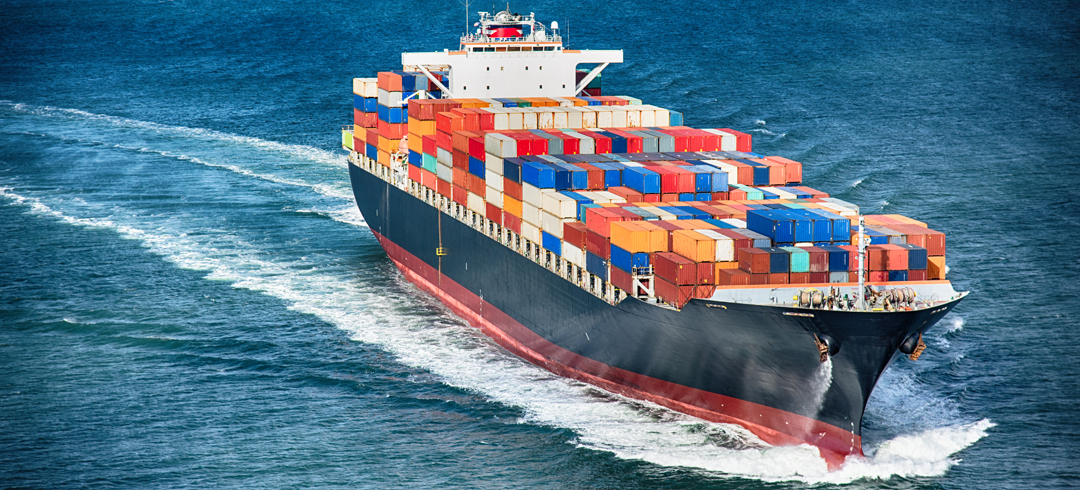
China Ship Net offers reliable sea freight solutions for shipments from China to Brazil via major Brazilian ports, including Santos, Rio de Janeiro, Paranaguá, Itajaí, and Suape. Supported by established partnerships with carriers such as COSCO, OOCL, APL, EMC, MSK, and HMM, we secure consistent container space and competitive FCL and LCL ocean freight rates. After vessel arrival, we coordinate efficient port handling and inland trucking or rail transport, ensuring seamless delivery to São Paulo, Rio de Janeiro, Belo Horizonte, Curitiba, Porto Alegre, and other key industrial and commercial hubs throughout Brazil.
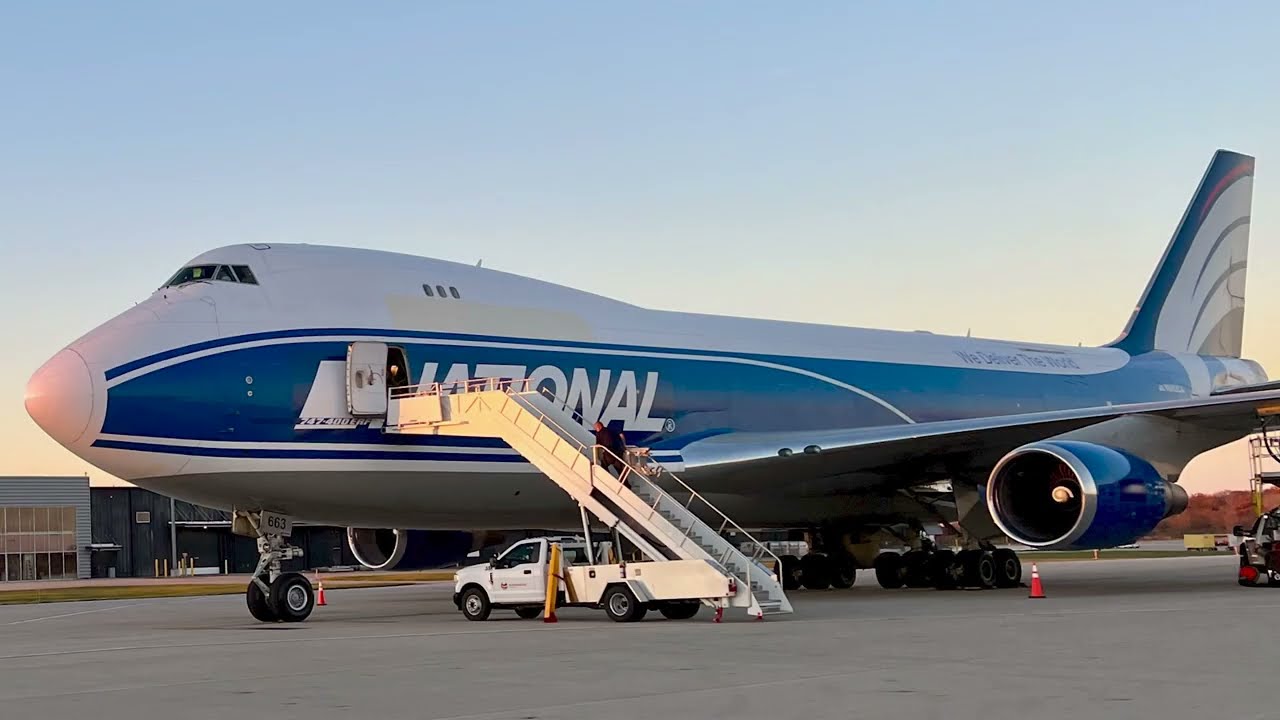
For urgent or high-value shipments, our air freight services provide fast and secure transportation from China to Brazil. China Ship Net designs optimal routing to major Brazilian airports such as São Paulo–Guarulhos, Viracopos, Rio de Janeiro–Galeão, and Brasília, often via hubs like Dubai, Frankfurt, Madrid, or Addis Ababa, to ensure reliable transit times and streamlined customs procedures. From origin pickup and export formalities in China to airline booking, import clearance in Brazil, and final delivery to your warehouse or office, we manage the entire air logistics chain with precision—ideal for electronics, fashion goods, pharmaceuticals, automotive parts, and other time-sensitive cargo.

Our door-to-door service offers a fully integrated logistics solution tailored to Brazil’s extensive port and inland transport network. China Ship Net manages every phase of your shipment—factory pickup in China, export documentation, sea or air transportation, handling at Brazilian ports or airports, customs clearance, and final-mile delivery to São Paulo, Rio de Janeiro, Belo Horizonte, Curitiba, Porto Alegre, Recife, or other cities. With a strong local agent network and full shipment visibility, we provide a seamless, low-stress logistics experience from origin to final destination.

China Ship Net provides full-container-load (FCL) shipping solutions on dependable routes from China to Brazil via ports such as Santos, Rio de Janeiro, Paranaguá, and Itajaí. FCL shipping is ideal for machinery, construction materials, automotive parts, electronics, chemicals, agricultural inputs, and other large-volume commercial cargo that require secure, predictable ocean transport. Using dedicated containers enhances cargo protection, reduces handling risk, speeds up terminal operations, and supports more efficient customs and inland distribution across Brazil.
For smaller shipments, our less-than-container-load (LCL) service offers flexibility and cost efficiency when moving cargo from China to Brazil. China Ship Net consolidates freight at key Chinese ports, loads it into shared containers on regular services to Brazilian gateways, and manages all subsequent handling, customs formalities, and final delivery within Brazil. This solution is well-suited for SMEs, mixed consignments, trial orders, and regular importers who do not yet require a full container but still expect dependable, professional logistics services into the Brazilian market.
China Ship Net will provide most fuel efficient pickup service China
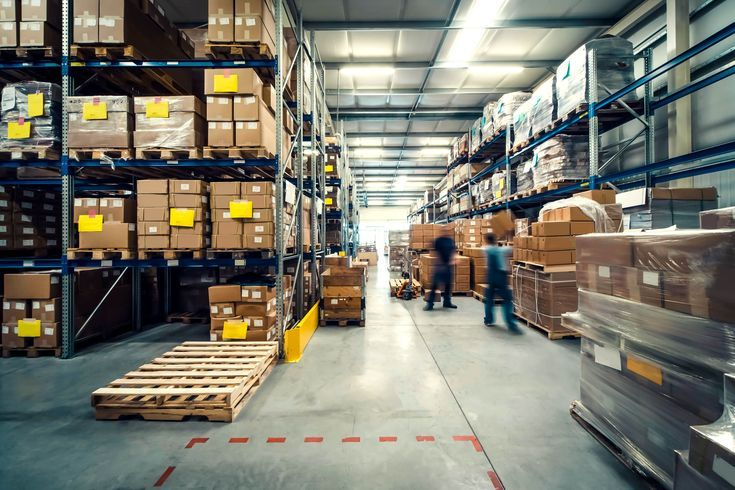
We provide free warehousing services for any of your goods.
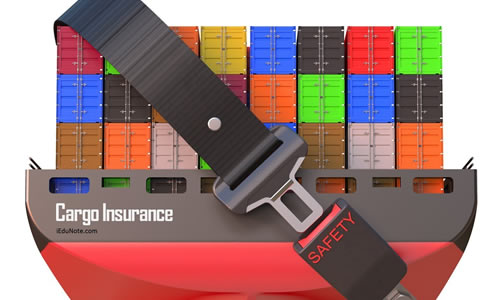
The cargo insurance protects your goods all the way to any Any FBA Warehouse

We handle all paperwork and other details for you.

Ensure safe packaging and loading of goods in your suppliers' factory.
Air cargo shipments from China to Brazil typically arrive within 7–15 days, factoring in flight schedules, customs clearance, and onward delivery to the consignee. Compared with ocean transport, air freight offers a much shorter transit time, making it an ideal option for urgent, high-value, or time-critical goods.
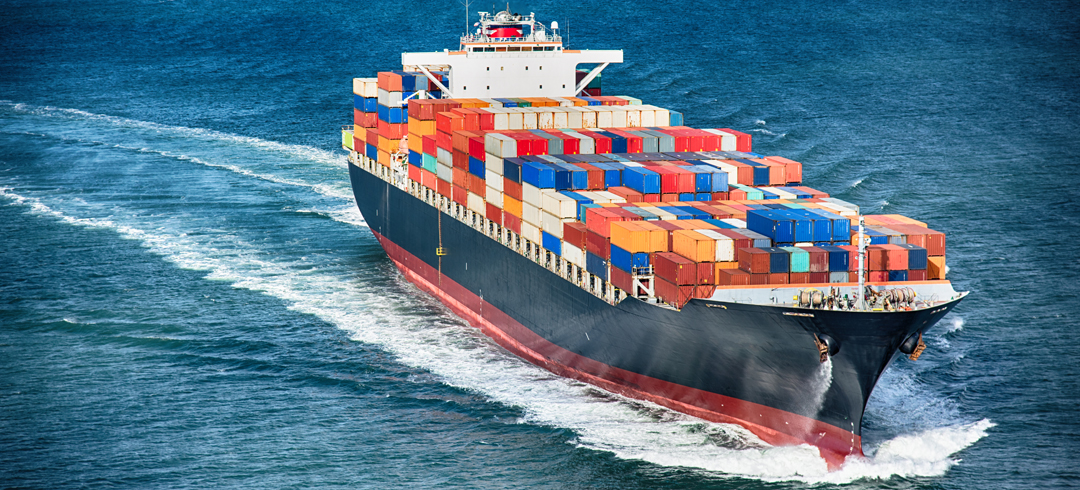
Sea freight from China to Brazil typically takes around 30 to 45 days. This time frame accounts for the entire journey, including loading and unloading, and potential delays. Sea freight is more economical but slower compared to air freight.
Opt for LCL (Less-than-Container Load) sea freight for small batches, leverage freight forwarders’ bulk discounts, and avoid peak seasons (November–December).
Yes, shipping times can be expedited using express air freight services. These services prioritize speed, potentially reducing delivery times to as little as 7 to 10 days, but they come at a higher cost compared to standard shipping options.
Necessary documents include commercial invoice, packing list, bill of lading, Certificate of Origin (Form E), import license (RNE), and ANATEL certification for electronics.
Major ports in China for shipping to Brazil include Shanghai, Shenzhen, and Ningbo. In Brazil, key ports include Santos, Rio de Janeiro, and Itajaí. The choice of port can impact the overall shipping time and cost.
Taxes depend on HS code (average 10–35%). Check rates via SECEX’s official website before shipping.
When deciding between air and sea freight, consider factors such as urgency, cost, and shipment size. Air freight is faster but more expensive, while sea freight is more economical but slower. Your decision will depend on your specific shipping needs.
Ensure accurate NCM codes, use DDP (Delivered Duty Paid) shipping (freight forwarder handles taxes), and choose forwarders experienced in Brazil’s complex clearance process.
You can monitor your shipment to Brazil through your freight forwarder’s online tracking portal, using your Bill of Lading (B/L) number, or via advanced blockchain tracking systems. These tools provide real-time updates, covering every stage from factory collection in China to final delivery at your destination in Brazil, ensuring full visibility and control over your cargo.
Customer Support is responsive, professional, and solution-oriented. The team communicates clearly, follows up promptly, and shows strong knowledge of the product and processes. Most issues are resolved within a reasonable timeframe, and support channels are easy to reach. Service quality is consistent, though faster response during peak hours would further improve the experience. Overall, support is reliable and helpful.
Design Quality is clean, modern, and thoughtfully executed. The interface is visually consistent, with good use of spacing, typography, and color to guide attention. Navigation feels smooth and components are well organized. Performance and aesthetics balance well, though minor refinements in detail could enhance polish. Overall, the design delivers a professional and user-friendly experience.
Code Quality is solid and maintainable, with clear structure and consistent naming conventions. The logic is well organized, making the codebase easy to read and extend. Documentation and comments support understanding, and error handling is generally reliable. A bit more modularization and test coverage would further strengthen robustness. Overall, the implementation is professional and dependable.