


Reviewed by TJ Logistics Team — October 2026. TJ Logistics Team reviewed the route content, current planning references, and Bolivia destination-preparation points for October 2026. Formal quotations and bookings are prepared against the defined shipment and agreed service scope.
Shipping from China to Bolivia: Route Overview
For the Shanghai, China → Arica, Chile → La Paz, Bolivia FCL 20GP route, TJ Logistics Team’s indicative client rate is $2,500–$4,300 per container, with a planning-transit reference of 30–38 days. This route is a practical starting point for container-ready cargo and shared ocean loads when the final destination is La Paz.
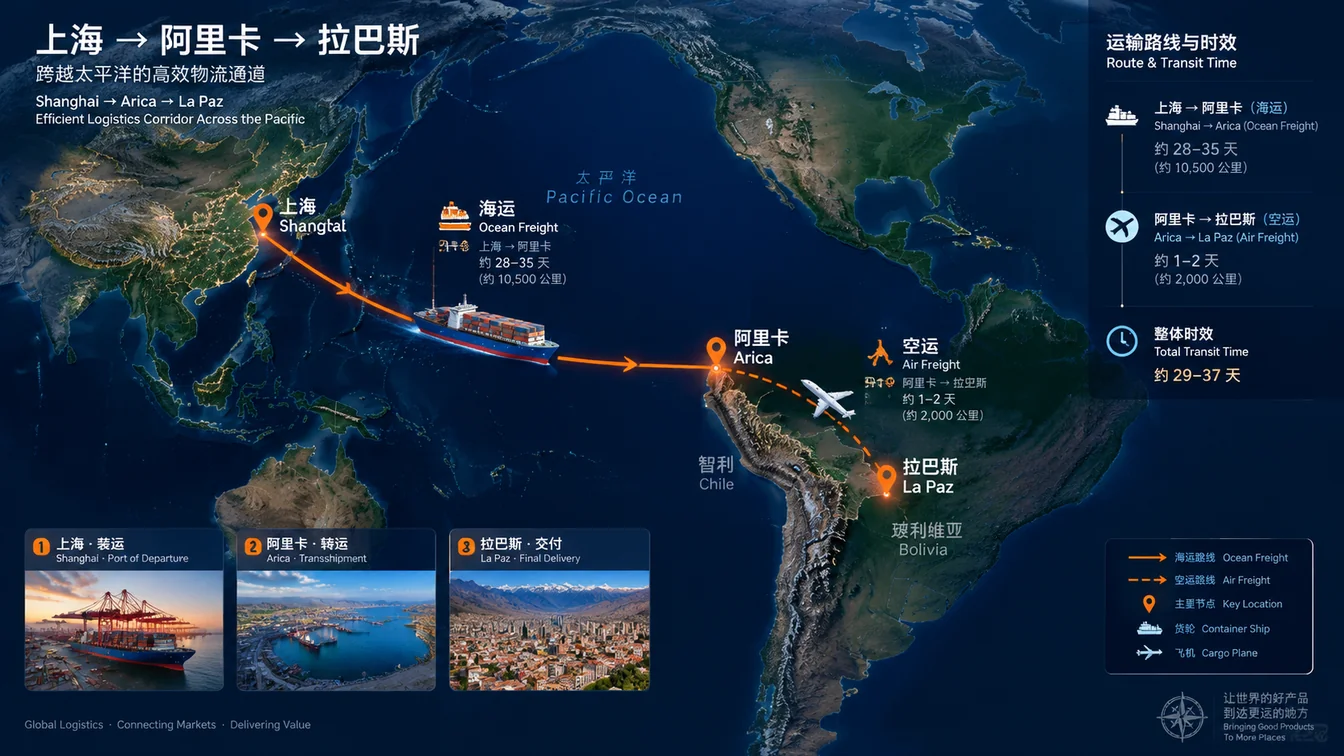
Bolivia is landlocked, so the named ocean route uses Bolivia’s customs agency at Arica for the transit handoff into Bolivia before final delivery. The main alternatives are air freight from Shanghai Pudong to Viru Viru via a hub and express service described as door-to-door; the supplier’s location, shipment urgency, and destination address determine which path is appropriate. Compare TJ Logistics Team’s sea-freight service when planning containerized or shared-load cargo.
China to Bolivia Shipping Cost and Transit Time
Current TJ Logistics Team planning references provide route-specific China-to-Bolivia prices and transit times for October 2026. The figures are TJ Logistics Team indicative client rate and planning-transit references reviewed in October 2026; each applies to its named route, method, equipment or unit.
| Shipping route | Shipping method | Price | Transit time |
|---|---|---|---|
| Shanghai, China → Arica, Chile → La Paz, Bolivia | FCL 20GP | $2,500–$4,300 per container | 30–38 days |
| Shanghai, China → Arica, Chile → La Paz, Bolivia | FCL 40GP | $3,300–$5,600 per container | 30–38 days |
| Shanghai, China → Arica, Chile → La Paz, Bolivia | FCL 40HQ | $3,400–$5,800 per container | 30–38 days |
| Shanghai, China → Arica, Chile → La Paz, Bolivia | LCL | $150–$260/CBM | 40–55 days |
| Shanghai Pudong (PVG), China → Viru Viru (VVI), Bolivia, via hub | Air freight | $8.00–$13.00/kg | 3–5 days |
| China → Bolivia (door-to-door) | Express | $12.00–$18.00/kg | 4–8 days |
Rate scope: These TJ Logistics Team planning references apply to the shipping route, method, equipment or unit shown. They are not market averages or binding quotations. The formal quotation confirms the agreed collection, delivery, customs, and charge scope for the shipment.
How to Choose a Shipping Method from China to Bolivia
For China-to-Bolivia shipments, start with the cargo’s loading requirements and delivery urgency, then match the method to the actual route and service boundary.
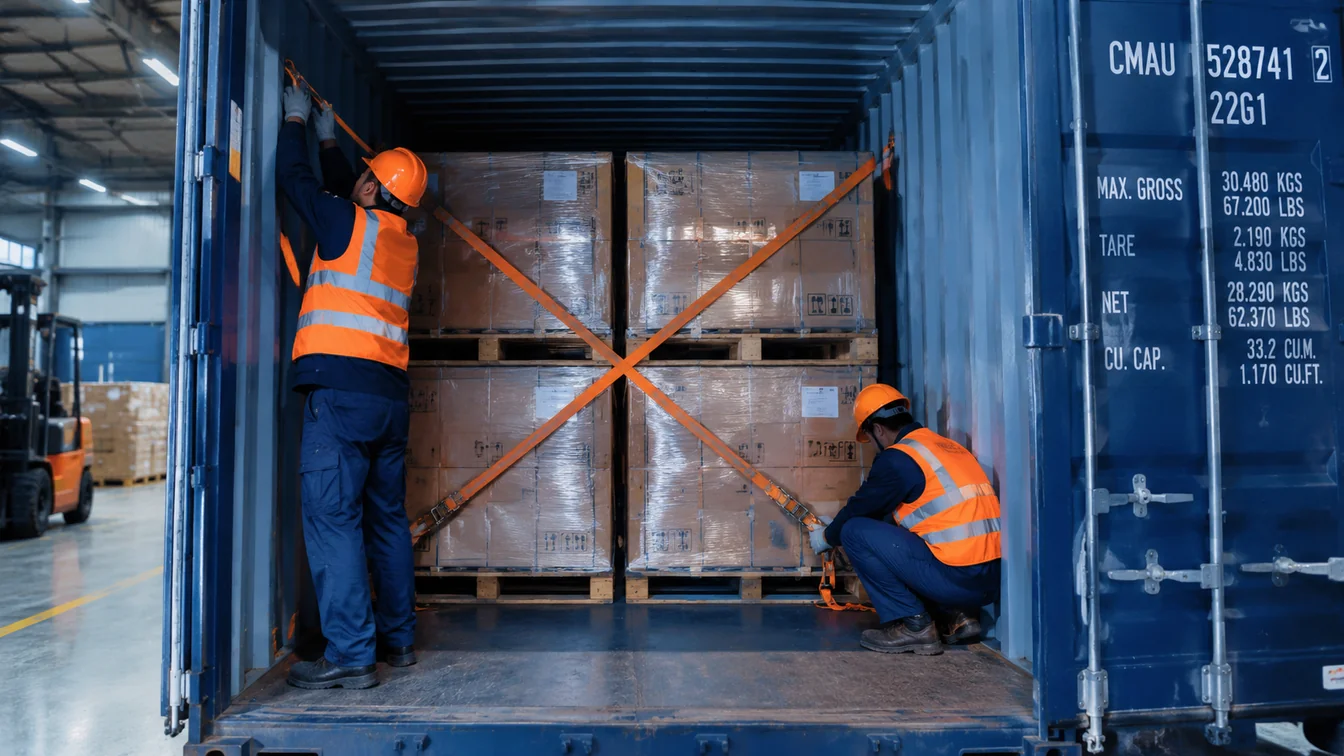
- Choose FCL when the cargo is suitable for a dedicated 20GP, 40GP, or 40HQ container, because one containerized movement provides a defined equipment plan; cargo dimensions, loading access, and weight determine the appropriate equipment.
- Choose LCL when the cargo needs shared container space rather than a dedicated container, because consolidation accommodates smaller shipments; origin consolidation arrangements and destination release conditions can change its suitability.
- Choose air freight when delivery urgency justifies air transport and the cargo meets acceptance and chargeable-weight requirements, because the listed option reaches Bolivia through an air hub; shipment dimensions and the actual transfer arrangement remain material.
- Choose express when the shipment suits parcel-network handling and door-to-door service is required, because the service is defined around pickup and final delivery; the commodity’s acceptance, customs treatment, and destination address can affect eligibility.
- Full container load (FCL)
- Use when: The shipment is appropriate for dedicated container equipment and the shipper wants a container-based movement. Key route check: Match the equipment to the cargo and clarify the origin loading and destination collection arrangements.
- Less than container load (LCL)
- Use when: The shipment needs shared container space instead of a dedicated container. Key route check: Check whether the cargo’s packing, handling, and readiness suit consolidation and subsequent release.
- Air freight
- Use when: Shipment urgency makes an air movement worth evaluating and the goods meet the applicable air-cargo acceptance requirements. Key route check: The listed Shanghai Pudong-to-Viru Viru route uses a hub, so the actual transfer and arrival-handling arrangements form part of the plan. See TJ Logistics Team’s air-freight service.
- Express
- Use when: The cargo fits an express network and a door-to-door service boundary is required. Key route check: The agreed service must cover the actual commodity, destination, and customs handoffs. Review TJ Logistics Team’s express service for the relevant service scope.
Plan a China-to-Bolivia Route from Supplier to Final Delivery
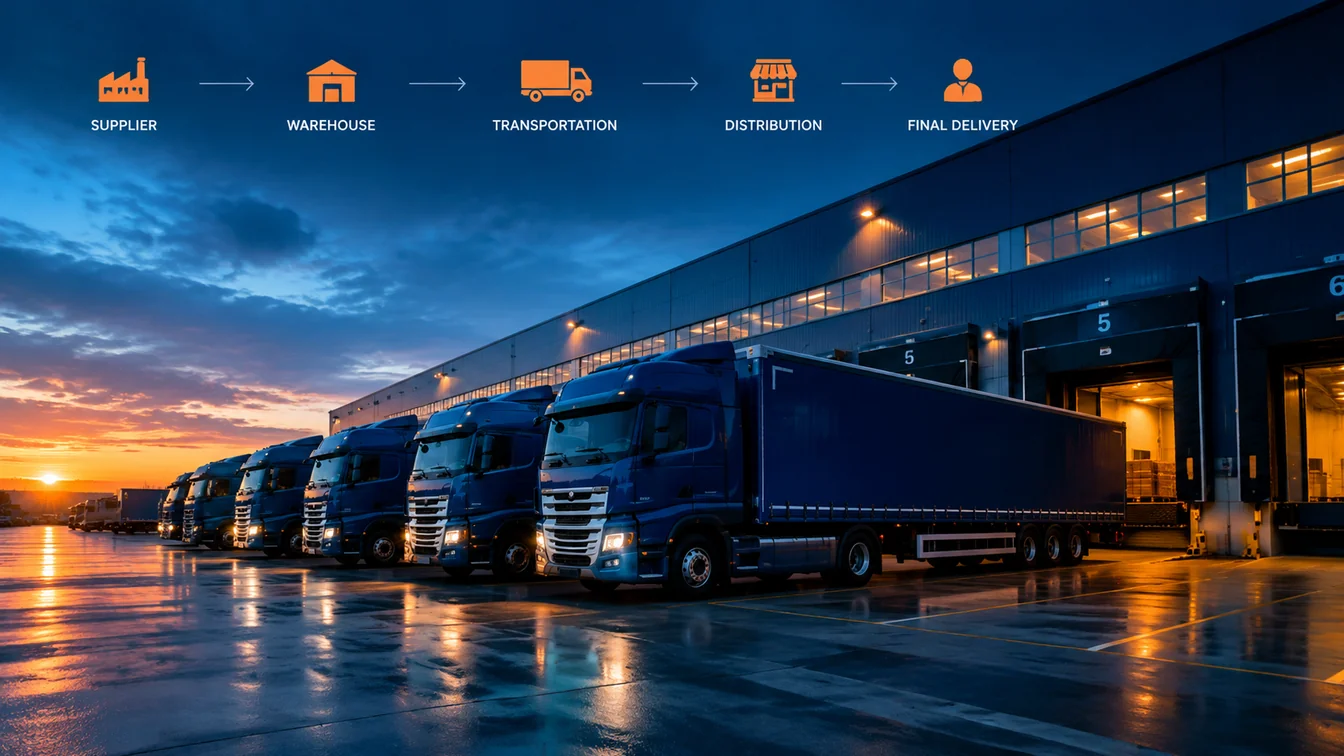
Every China-to-Bolivia shipment follows one defined movement chain: supplier readiness and handoff, export movement, arrival and customs handoff, then delivery to the agreed final address. The principal execution differences arise from container loading, consolidation, air-cargo transfer, and express-network handling.
- FCL ocean freight through Arica
- For the Shanghai–Arica–La Paz route, the supplier and shipment coordinator must allocate container loading and sealing, identify the actual export facility in the booking instructions, and define the arrival-release and inland-delivery handoffs. When inland movement is included, TJ Logistics Team’s trucking-freight service is relevant to reviewing the land-transport scope.
- LCL ocean freight through Arica
- The shipment must be accepted for origin consolidation, with cargo identification and handling instructions aligned before the consolidation cutoff. The destination arrangements should identify who coordinates release and any required deconsolidation before the cargo proceeds to the consignee.
- Air freight through a hub
- The listed air route runs from Shanghai Pudong (PVG) to Viru Viru (VVI) via a hub. The booking must define the actual transfer, cargo-terminal handoffs, arrival handling, and whether the service ends at the airport or includes onward delivery.
- Express door-to-door
- The shipment passes through the selected express provider’s pickup and network handoffs before destination customs processing and last-mile delivery. The responsible parties must be clear on shipment acceptance, customs information, and any restriction affecting delivery to the final address; TJ Logistics Team’s door-to-door service is relevant when defining that scope.
Execution Checks Before Booking
- FCL: allocate container loading, sealing, collection, and empty-equipment return responsibilities where applicable.
- LCL: establish the consolidation cutoff and identify the party responsible for cargo release after arrival.
- Air freight and express: define cargo acceptance, the relevant transfer or network handoff, and the point at which final delivery responsibility begins.
Choosing Bolivia Entry Gateways and Inland Delivery Routes
For Bolivia, the final delivery area changes the practical route comparison: La Paz-bound ocean cargo has a documented transit handoff at Bolivia’s customs agency at Arica, while the listed air option identifies a different entry airport.
| Final delivery area | Typical route pattern | Why the pattern fits | Details needed for the quote |
|---|---|---|---|
| La Paz | Shanghai, China → Arica, Chile → La Paz, Bolivia. | Both the named FCL and LCL commercial references use this route, and Bolivia maintains a customs agency at Arica for cargo transiting through the port into Bolivia. | State whether La Paz is the final delivery address or the shipment must continue to another inland destination. |
| Santa Cruz / Viru Viru area | Shanghai Pudong (PVG), China → Viru Viru (VVI), Bolivia, via hub. | The named air reference identifies this arrival airport, where Bolivia’s customs authority lists a facility in the cargo section. An airport arrival does not by itself establish onward street delivery. | Specify whether the intended destination is airport collection or an address in the Santa Cruz area, and identify any onward delivery requirements. |
Prepare a Comparable Freight Request
Provide: The China supplier or pickup point; cargo-ready timing and cargo profile, including type, packages, dimensions, weight, and CBM; any loading or special-handling condition; the final postal code and receiving conditions; and the requested delivery scope, timing priority, and relevant importer or broker arrangement.
The formal quotation should state: The pickup and final-delivery boundary; transport method, equipment or unit, and routing pattern; the customs, destination-handling, and inland-delivery handoffs; material included and excluded charges; rate validity; and the conditions that can change the amount or timing.
Prepare for Bolivia Customs Before Departure
For commercial imports into Bolivia, the importer or an authorized customs declarant must submit the applicable import declaration and supporting records for the goods, origin, and customs value. The Bolivian customs regulations identify the documents required for the applicable procedure and the additional authorizations or certificates required for controlled goods.

What You May Pay at Import
Bolivia’s import charges can include the applicable Gravamen Arancelario and internal taxes imposed on imports, with additional trade-remedy duties applying where legally required. The applicable commodity classification, customs value, and relevant trade measures determine the actual liability under Bolivia’s General Customs Law; a China-origin shipment should not be assigned a duty rate without assessing its product classification and applicable rules.
Customs Readiness Checklist
- Determine whether the Bolivian importer must register or complete other authorization steps for the applicable import regime, and whether the declaration will be submitted directly by an authorized importer or through a customs broker.
- Assign a defensible customs classification using the actual product description, composition, and intended use rather than relying only on a supplier’s abbreviated product label.
- Prepare the transaction and customs-value records so the commercial invoice, transport information, and declared valuation can be reconciled.
- Align the consignee and shipment details across the commercial invoice, packing list where applicable, and transport documents.
- Identify the applicable Bolivian import declaration and the transit or transport documents required for the selected movement, including the Chile-to-Bolivia transit handoff for cargo using Arica.
- Determine the applicable duty, internal import taxes, and payment responsibilities with the importer or appointed customs broker before the shipment reaches the clearance stage.
- Check whether the specific commodity requires prior authorization, certification, or other approval, and arrange any necessary approval before dispatch when the rules require it.
Documents to Prepare
- Commercial invoice showing the goods and transaction details.
- Packing list when appropriate for the shipment, including heterogeneous cargo.
- Applicable transport documents, such as the ocean bill of lading, air waybill, or relevant international road or rail transport record.
- Customs declaration and supporting cargo-reception or arrival records required for the applicable import procedure.
- Customs-value declaration, insurance evidence, and transport or port-cost supporting documents when required by the applicable procedure.
- Certificate of origin when relevant to a claimed preferential treatment or other applicable origin requirement.
- Commodity-specific permits, prior authorizations, or technical and sanitary certificates when the goods are subject to those controls.
A missing commodity-specific authorization can change whether and when the shipment may enter Bolivia. Classify the actual goods and establish any approval requirement before cargo handoff; ordinary commercial documents do not replace a required permit or certificate.
Choose the Right Delivery Scope for China-to-Bolivia Shipping
For China-to-Bolivia freight, a door-to-door scope coordinates the shipment from the named pickup point to the final address only when those endpoints are included in the agreed service; customs clearance, duties, and taxes require their own explicit responsibility allocation.
| Service scope | What the scope means | Key responsibility or condition |
|---|---|---|
| Gateway-to-gateway freight | Covers the movement between the agreed origin and destination transport points. It does not automatically include the onward inland leg or final-address delivery. | The buyer or separately appointed party manages the handoff beyond the contracted destination point unless the quotation assigns it elsewhere. The named gateway and its role in the route must match the agreed scope. |
| Gateway-to-address delivery | Covers movement from the specified arrival or release point to the agreed consignee address. It does not inherently include import clearance or import taxes. | The appointed parties must define the release and inland-delivery responsibilities. Any service ending at an airport or other gateway must be distinguished from delivery to an address. |
| Door-to-door | Coordinates pickup from the named China supplier through delivery to the named final address. The actual service scope determines which international, customs, and inland handoffs are included. | The agreed scope identifies the pickup and delivery parties, while the importer normally remains responsible for customs declarations and import taxes unless the contract expressly allocates those obligations differently. |
| DDP, if expressly agreed | Delivered Duty Paid allocates delivery and import-clearance and duty-payment obligations to the seller under the agreed trade term. It does not remove mandatory product compliance or customs control. | The contract must identify a workable arrangement for import formalities and duties and taxes in Bolivia. The DDP label alone does not establish that every additional charge or regulatory requirement is covered. |
For import-side coordination, TJ Logistics Team’s import service is relevant when defining responsibilities beyond the international movement. For Bolivia, the delivery scope should distinguish the party responsible for import formalities from the party coordinating inland delivery, particularly when the named arrival point is outside the final consignee’s city.
Why Use a Freight Forwarder for Shipping from China to Bolivia?
A freight forwarder helps a Bolivia-bound shipper turn cargo details into a workable movement, match the route to the destination, and keep the commercial and operational handoffs aligned. These tasks are particularly relevant when an ocean route transits through Chile or an air shipment uses a hub before entering Bolivia.
Define a Shipment That Can Be Routed
A general product description may not reveal the correct equipment or handling method, making route comparisons unreliable. A forwarder helps turn the request into a consistent movement definition, with any special handling or cargo restrictions recorded before method selection.
Match the Gateway to the Delivery Need
A transport choice that suits the international movement may not suit the final delivery area. Comparing the Shanghai–Arica–La Paz ocean reference with the air and express service scopes helps distinguish the international path from the destination handoff that the consignee actually needs.
Coordinate Clearance and Release Handoffs
A shipment can involve separate supplier, transport, customs, broker, and consignee responsibilities. Defining who supplies documents, handles clearance, receives release instructions, and acts on a change helps prevent one party from assuming that another has completed the next step.
How TJ Logistics Team Plans China-to-Bolivia Shipments
- Shipment-request review
- TJ Logistics Team reviews the defined shipment request and flags a route-specific information gap when it prevents a useful comparison of equipment, method, or delivery scope.
- Route and gateway mapping
- TJ Logistics Team maps the credible ocean, air, or express path against the shipment requirements and final destination, distinguishing the Arica transit handoff from an air arrival through Viru Viru.
- Service-boundary recording
- TJ Logistics Team records the proposed movement and delivery boundaries and clarifies the responsibilities assigned to the supplier, importer, broker, transport parties, and consignee before a formal quotation is prepared.
- Booking and handoff coordination
- After the buyer confirms the agreed quotation and scope, TJ Logistics Team coordinates the booking information, commercial documents, and cargo handoff, and tracks which party must act when timing, routing, document, or receiving conditions change.
China to Bolivia Shipping FAQ
How much does a 20ft container from China to Bolivia cost?
For the Shanghai, China → Arica, Chile → La Paz, Bolivia FCL 20GP route, TJ Logistics Team’s indicative client rate is $2,500–$4,300 per container for October 2026. FCL is the natural starting comparison when the cargo is suitable for a dedicated container; cargo needing shared container space should be evaluated against the separately scoped LCL reference rather than by converting the two rate units.
How long does sea freight from China to Bolivia take?
For the Shanghai, China → Arica, Chile → La Paz, Bolivia FCL 20GP route, TJ Logistics Team’s planning-transit reference is 30–38 days for October 2026. Use this timing for the named FCL route and keep any additional delivery or handling arrangement outside that reference unless it is included in the agreed service scope.
What is the most cost-effective way to ship from China to Bolivia?
For Bolivia-bound cargo, FCL is a practical starting point when the shipment suits a dedicated container, while LCL fits cargo that needs shared container space. Air freight or express may be preferable when urgency changes the decision, but the comparison should use compatible shipment sizes, units, routing, and delivery boundaries rather than treating a per-kilogram rate as comparable to a container or per-CBM rate.
Which China gateway should I compare for cargo bound for La Paz?
For La Paz-bound ocean cargo, the concrete commercial reference is the Shanghai, China → Arica, Chile → La Paz, Bolivia route; Bolivia maintains an agency at Arica for transit cargo moving into Bolivia. This is a useful starting comparison when the supplier can hand the shipment into the Shanghai-origin plan, while a supplier in another region may change the pickup and origin-handoff requirements.
Can I ship door-to-door from China to Bolivia?
Yes, the listed China-to-Bolivia express reference is described as door-to-door, and a broader coordinated service can be structured around a named supplier and consignee address. The material distinction is whether import customs formalities and duties and taxes are part of the expressly agreed scope or remain the Bolivian importer’s responsibility.
What documents should be prepared before shipping from China to Bolivia?
For commercial imports into Bolivia, prepare the commercial invoice, an appropriate packing list, the applicable transport document, and supporting customs-value and import-declaration records. Bolivian customs regulations also identify insurance, transport or port-cost support, certificates of origin, and prior authorizations or certifications as documents required when the applicable procedure or commodity rules call for them.
Is rail freight between Arica and La Paz a current shipping option?
The Arica–La Paz rail leg should not be assumed to be an operating freight option: the Bolivian government’s October 2026 Arica–La Paz rail-reactivation update describes reactivation as a project rather than an already operating cargo service. A rail-based offer should only be selected when an operator documents the actual freight service, transfer points, and border and terminal handoffs for the shipment.