
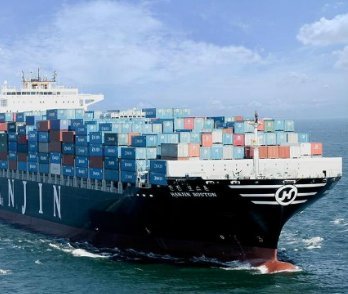
Shipping from China to Australia

Services

What we do

Services

img

Sea Freight From China To Australia

China Ship Net offers reliable sea freight solutions for shipments from China to Australia via all major container ports, including Sydney, Melbourne, Brisbane, Fremantle, and Adelaide. Backed by strong partnerships with carriers such as COSCO, OOCL, APL, EMC, MSK, and HMM, we secure consistent space, attractive FCL and LCL rates, and regular sailing schedules from key Chinese ports. After vessel arrival in Australia, we coordinate efficient container handling and inland trucking or rail transport, ensuring timely delivery to major industrial and commercial hubs across the country.

img

Air Freight From China To Australia

For urgent, high-value, or time-sensitive cargo, our air freight services provide fast and secure transport from China to Australia. China Ship Net plans optimal routing into primary Australian airports such as Sydney, Melbourne, Brisbane, and Perth, focusing on dependable transit times and smooth customs clearance. From origin pickup and export procedures in China to airline booking, import processing in Australia, and final delivery to your warehouse or store, we manage the entire air logistics chain, making it ideal for electronics, fashion, pharmaceuticals, spare parts, and other priority shipments.

img

Rail Freight from China To Australia

China Ship Net provides integrated rail freight solutions from China to Australia through optimized China–Eurasia rail corridors combined with sea and inland transport. By leveraging stable rail networks, strategic transit hubs, and reliable carrier partnerships, we offer a balanced alternative that delivers faster transit than traditional sea freight while maintaining cost efficiency. Our services include secure cargo handling, coordinated intermodal transfers, competitive pricing, and dependable schedules. From rail departure in China to final delivery in Australia via port or inland distribution, China Ship Net ensures smooth coordination, clear communication, and consistent performance for your China–Australia supply chain.
FCL Shipping from China To Australia

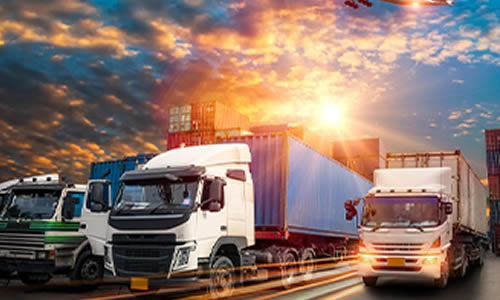
China Ship Net provides full-container-load (FCL) shipping services on stable and frequent routes from China to Australia. Containers are loaded at key Chinese ports and shipped directly to major Australian gateways such as Sydney, Melbourne, Brisbane, Fremantle, and Adelaide. FCL shipping is ideal for machinery, construction materials, furniture, electronics, automotive parts, and other large-volume commercial cargo that require secure, predictable ocean transport. Dedicated container use enhances cargo safety, reduces handling, shortens port dwell time, and supports efficient customs and inland distribution.

LCL Shipping from China To Australia

For smaller or frequent shipments that do not fill an entire container, our less-than-container-load (LCL) service offers flexibility and cost efficiency from China to Australia. China Ship Net consolidates cargo at major Chinese ports, loads it into shared containers on regular services to Australian gateways, and manages all subsequent handling, customs formalities, and final delivery. This solution is ideal for SMEs, e-commerce sellers, mixed consignments, trial orders, and importers looking for economical logistics into Australia without minimum volume requirements.

Features

More Services Shipping from China To Australia

img

Pickup and Delivery

China Ship Net will provide most fuel efficient pickup service China
img

Warehousing

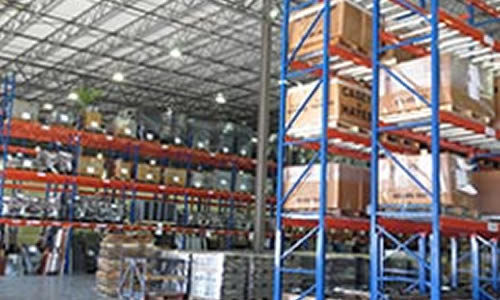
We provide free warehousing services for any of your goods.
img

Cargo Insurance

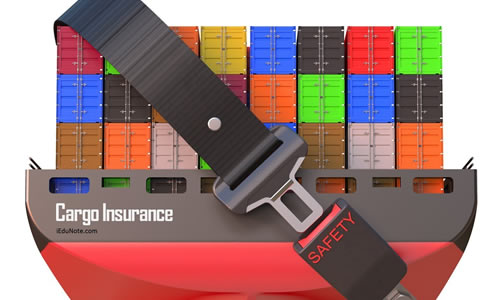
The cargo insurance protects your goods all the way to any Any FBA Warehouse

img

Custom Clearance

We handle all paperwork and other details for you.
img

Loading Inspection

Ensure safe packaging and loading of goods in your suppliers' factory.

Here We Are

GET ANYTYPE QUOTE FROM HERE.

Your Best Freight Forwarder from China to Australia

  • Provide the best ocean freight from China to Australia
  • Provide competitive air freight from China to Australia
  • The professional work for customs clearance and export documentation in China
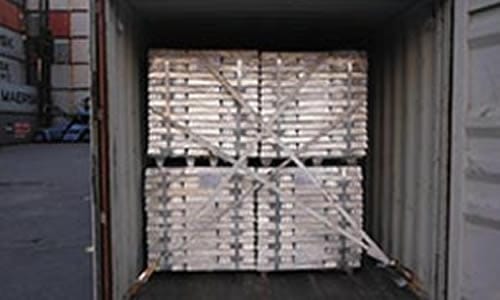
  • Provide the free warehouse service in China and optimized loading solution
  • The container loading supervision service to enhance cargo safety
  • Pick up and delivery service across all major industrial cities in China
  • 24/7 online support and proactive shipment tracking
What customers also want to know

Professional Shipping from China to Australia: The Ultimate FAQ Guide

Transit times from China to Australia depend on several factors, including the chosen transportation method, port handling efficiency, and the experience of the logistics provider. Ocean freight typically requires around 30–40 days and is a cost-efficient option for large or heavy cargo. Air freight, by contrast, is significantly faster—usually completing delivery within 5–7 days—making it suitable for time-sensitive or high-value shipments. Additional variables such as customs clearance procedures, biosecurity inspections, and seasonal weather conditions may also influence overall delivery schedules.
To reduce delays:
  1. Choose air freight for urgent shipments (e.g., medical supplies, electronics).
  2. Opt for express services with pre-cleared customs documentation.
  3. Partner with a logistics provider offering priority handling and real-time tracking.
  4. Ensure compliance with Australian biosecurity regulations to avoid quarantine holds.
  • Air freight is 3–5x pricier but guarantees speed and security.
  • Sea freight is budget-friendly for large/heavy items (e.g., machinery, furniture).
  • Pro Tip: Use air freight for small high-value goods (e.g., jewelry, tech) and sea freight for bulk orders.

Customs regulations can impact shipping times due to inspections, documentation requirements, and compliance checks. Specifically, incomplete or incorrect paperwork often causes delays. To prevent such issues, ensuring accurate documentation and compliance with Australian import regulations minimizes hold-ups at customs.

Challenges include navigating customs regulations, managing transit delays, dealing with packaging and handling issues, and fluctuating shipping costs. Additionally, weather conditions and geopolitical factors can affect delivery times. Proper planning, choosing reliable shipping partners, and understanding the regulations can help mitigate these challenges.

Tracking technology allows for real-time monitoring of shipments, providing updates on location, status, and estimated delivery times. This transparency helps in managing expectations, addressing issues promptly, and improving overall shipping efficiency. It also facilitates better communication between shippers and recipients.

Freight forwarders offer expertise in logistics, helping clients navigate complex customs regulations and providing access to global carrier networks. Moreover, they optimize shipping routes, handle documentation, and offer consolidated options to reduce costs. By leveraging their experience, they ensure smoother, more efficient processes from origin to destination.

Seasonal factors like peak holidays or monsoon seasons often disrupt shipping schedules. For instance, increased demand during peak seasons may extend processing times and cause port congestion. Additionally, extreme weather—such as storms or heavy rains—can halt maritime/air operations. To mitigate these risks, plan shipments during off-peak periods and monitor weather forecasts to avoid delays.

To ensure safe delivery, use durable packaging materials appropriate for the type of goods being shipped. Fragile items should be well-padded, and heavy or bulky items should be securely packed to prevent damage. Proper labeling and adherence to international shipping standards also help in smooth handling and delivery.

Delivery timelines are heavily influenced by the selected shipping route, largely because of differences in distance and operational efficiency. Direct sailings or flights eliminate intermediate stops, resulting in faster transit compared with routes that involve multiple ports or transshipments. To improve delivery speed, it is advisable to select routes with minimal transfers and steer clear of heavily congested ports—such as Sydney or Buenos Aires—where vessel backlogs and handling delays frequently occur.

Don’t Take Our Words for it

Listen to What Our Clients Say about Our Freight Forwarding Service

Design Quality

Design Quality is clean, modern, and thoughtfully executed. The interface is visually consistent, with good use of spacing, typography, and color to guide attention. Navigation feels smooth and components are well organized. Performance and aesthetics balance well, though minor refinements in detail could enhance polish. Overall, the design delivers a professional and user-friendly experience.

Jon D. William
Founder of Mixbix

Code Quality

Code Quality is solid and maintainable, with clear structure and consistent naming conventions. The logic is well organized, making the codebase easy to read and extend. Documentation and comments support understanding, and error handling is generally reliable. A bit more modularization and test coverage would further strengthen robustness. Overall, the implementation is professional and dependable.

Sakira K. Lilliam
Ceo of Axone

Customer Support

Customer Support is responsive, professional, and solution-oriented. The team communicates clearly, follows up promptly, and shows strong knowledge of the product and processes. Most issues are resolved within a reasonable timeframe, and support channels are easy to reach. Service quality is consistent, though faster response during peak hours would further improve the experience. Overall, support is reliable and helpful.

Sofia Harvey
Chairman News grove