
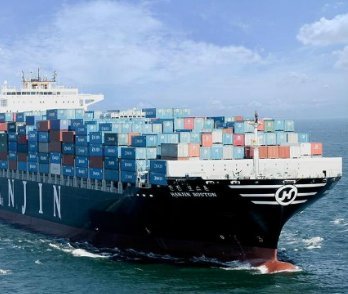
A rapidly growing number of our customers are based in Türkiye, making it a strategic hub within our Europe, Middle East, and Black Sea logistics network. China Ship Net maintains long-term contract rates with leading carriers such as COSCO, OOCL, APL, EMC, Maersk (MSK), and HMM, and works closely with major Turkish ports and inland hubs. These strong partnerships enable us to offer highly competitive freight rates and reliable capacity for shipments from China to Türkiye’s main gateways, including the ports of Istanbul (Ambarlı), Izmir, Mersin, Gemlik, and Iskenderun.
With China Ship Net as your logistics partner, shipping goods from China to Türkiye becomes simple, transparent, and well-coordinated. Just provide your shipment details, and our experienced team will manage every step—from factory pickup and export documentation in China, to sea, rail, road, or air transport, Turkish customs clearance, and final delivery. Our aim is to be your most dependable and efficient freight forwarder from China to Türkiye. Request a competitive quote today.
China Ship Net provides reliable and cost-effective sea freight services from China to Türkiye’s major seaports, including Istanbul (Ambarlı), Izmir, Mersin, Gemlik, Iskenderun, and other regional terminals. Through long-term cooperation with carriers such as COSCO, OOCL, APL, EMC, Maersk (MSK), and HMM, we secure attractive contract rates, stable space, and frequent sailings on Asia–Mediterranean and Asia–Black Sea routes. Whether you are shipping electronics, machinery, auto parts, building materials, ceramics, textiles, furniture, chemicals (non-dangerous), or general consumer goods, our ocean freight solutions ensure safe loading, compliant documentation, and smooth delivery into Türkiye’s main industrial and commercial regions.

For urgent, high-value, or time-critical cargo, our air freight service from China to Türkiye offers fast and secure transportation. China Ship Net designs efficient air routes from major Chinese airports to Turkish gateways such as Istanbul Airport, Sabiha Gökçen Airport, Ankara Esenboğa, and Izmir Adnan Menderes, as well as via suitable regional hubs when required. From pickup at your supplier’s premises, export customs clearance, and airline booking, to transit monitoring, import procedures in Türkiye, and last-mile delivery, we manage the entire air logistics chain. This service is ideal for electronics, fashion and footwear, pharmaceuticals, medical devices, critical spare parts, and samples that must reach Türkiye within tight deadlines.

Our door-to-door shipping service delivers a complete end-to-end logistics solution for businesses and individuals in Türkiye who prefer a single responsible partner. China Ship Net arranges pickup directly from factories or warehouses across China, prepares all export documentation, and organizes sea, rail, truck, or air transportation to Turkish gateways. We then handle customs clearance and final delivery throughout the country. We serve Istanbul, Ankara, Izmir, Bursa, Kocaeli, Konya, Gaziantep, Adana, Mersin, Kayseri, and other major cities and industrial zones. With proactive shipment tracking, clear communication, and strong local partners, we ensure a smooth, hassle-free shipping experience from origin in China right to your door in Türkiye.

China Ship Net offers full-container-load (FCL) shipping from China to Türkiye, backed by competitive carrier contracts and dependable container availability. Our team manages container booking, equipment allocation, loading supervision at the factory or consolidation warehouse in China, export customs clearance, and ocean transport to Istanbul, Izmir, Mersin, Gemlik, Iskenderun, or other nominated ports. Where required, we also coordinate inland rail or truck delivery to your facility. FCL shipping is ideal for large-volume or high-density cargo such as construction materials, machinery, automotive components, household relocations, furniture, textiles, and industrial supplies, giving you enhanced cargo security, predictable transit times, and better cost control for your Türkiye-bound supply chain.
For shipments that do not require a full container, our less-than-container-load (LCL) service from China to Türkiye provides a flexible and economical alternative. We consolidate cargo from multiple shippers at major Chinese ports, complete export formalities, and arrange ocean transport to Turkish ports via key Mediterranean and regional consolidation hubs. After arrival, we manage deconsolidation, customs clearance, and final delivery to your warehouse, shop, office, fulfillment center, or residence. LCL shipping is particularly suitable for SMEs, e-commerce sellers, mixed-SKU consignments, and trial orders for the Turkish market, helping you reduce logistics costs while maintaining reliable and regular supply.
China Ship Net will provide most fuel efficient pickup service China
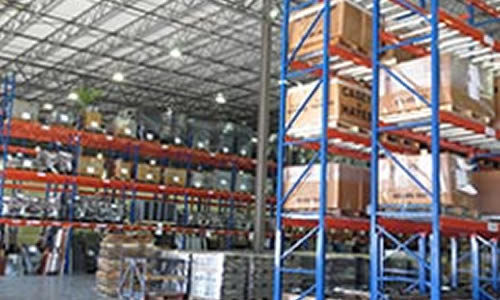
We provide free warehousing services for any of your goods.

The cargo insurance protects your goods all the way to any Any FBA Warehouse

We handle all paperwork and other details for you.
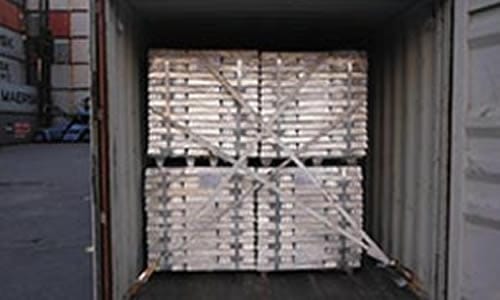
Ensure safe packaging and loading of goods in your suppliers' factory.
Shipping times are influenced by several factors, including the mode of transport (air or sea), route efficiency, customs processing, and weather conditions. Air freight offers faster delivery but at a higher cost, whereas sea freight is more economical but slower. Customs delays and other logistical challenges at ports can also increase overall transit time.
You can track your shipment using tracking numbers provided by your freight forwarder or carrier. Most freight forwarders offer online tracking tools or apps that allow real-time updates on your shipment's status and location throughout its journey.
Air freight is significantly more expensive than sea freight due to its faster delivery time. While air freight costs are higher, it is ideal for urgent shipments. Sea freight, though cheaper, is suited for less time-sensitive cargo and larger volumes.
Customs regulations can impact shipping times and costs. Proper documentation, accurate product descriptions, and adherence to Türkiye’s import regulations are essential. Delays can occur if customs procedures are not followed or if there are discrepancies in paperwork.
Common challenges include customs delays, unpredictable weather, and logistical issues like port congestion. Ensuring accurate documentation and choosing a reliable freight forwarder can help mitigate these challenges.
Required documents typically include the bill of lading, commercial invoice, packing list, and customs declaration. Depending on the cargo, additional permits or certificates may be needed for specific goods.
Yes, obtaining insurance for your shipment is advisable to protect against potential losses, theft, or damage. Insurance coverage options vary, so it’s essential to review policies and select one that fits your cargo’s value and needs.
Choose a freight forwarder with a proven track record in handling shipments to Türkiye. Evaluate their experience, customer reviews, safety practices, and the range of services they offer to ensure they meet your needs.
Ensure that packaging is robust and suitable for the type of goods being shipped. Use quality materials to prevent damage, and clearly label packages. For fragile or oversized items, additional padding and sturdy containers are recommended.
The chosen shipping route can greatly affect delivery times. Direct routes are faster but often come at a higher cost, while indirect routes involving transshipments or stopovers may be more economical but usually increase overall transit time.
Customer Support is responsive, professional, and solution-oriented. The team communicates clearly, follows up promptly, and shows strong knowledge of the product and processes. Most issues are resolved within a reasonable timeframe, and support channels are easy to reach. Service quality is consistent, though faster response during peak hours would further improve the experience. Overall, support is reliable and helpful.

Code Quality is solid and maintainable, with clear structure and consistent naming conventions. The logic is well organized, making the codebase easy to read and extend. Documentation and comments support understanding, and error handling is generally reliable. A bit more modularization and test coverage would further strengthen robustness. Overall, the implementation is professional and dependable.
Features Availability is well designed and comprehensive, covering the core needs of users while remaining easy to access and understand. Most key functions are consistently available and perform reliably. The layout makes feature discovery intuitive, though a few advanced options could be surfaced more clearly. Overall, availability and usability are strong and dependable.