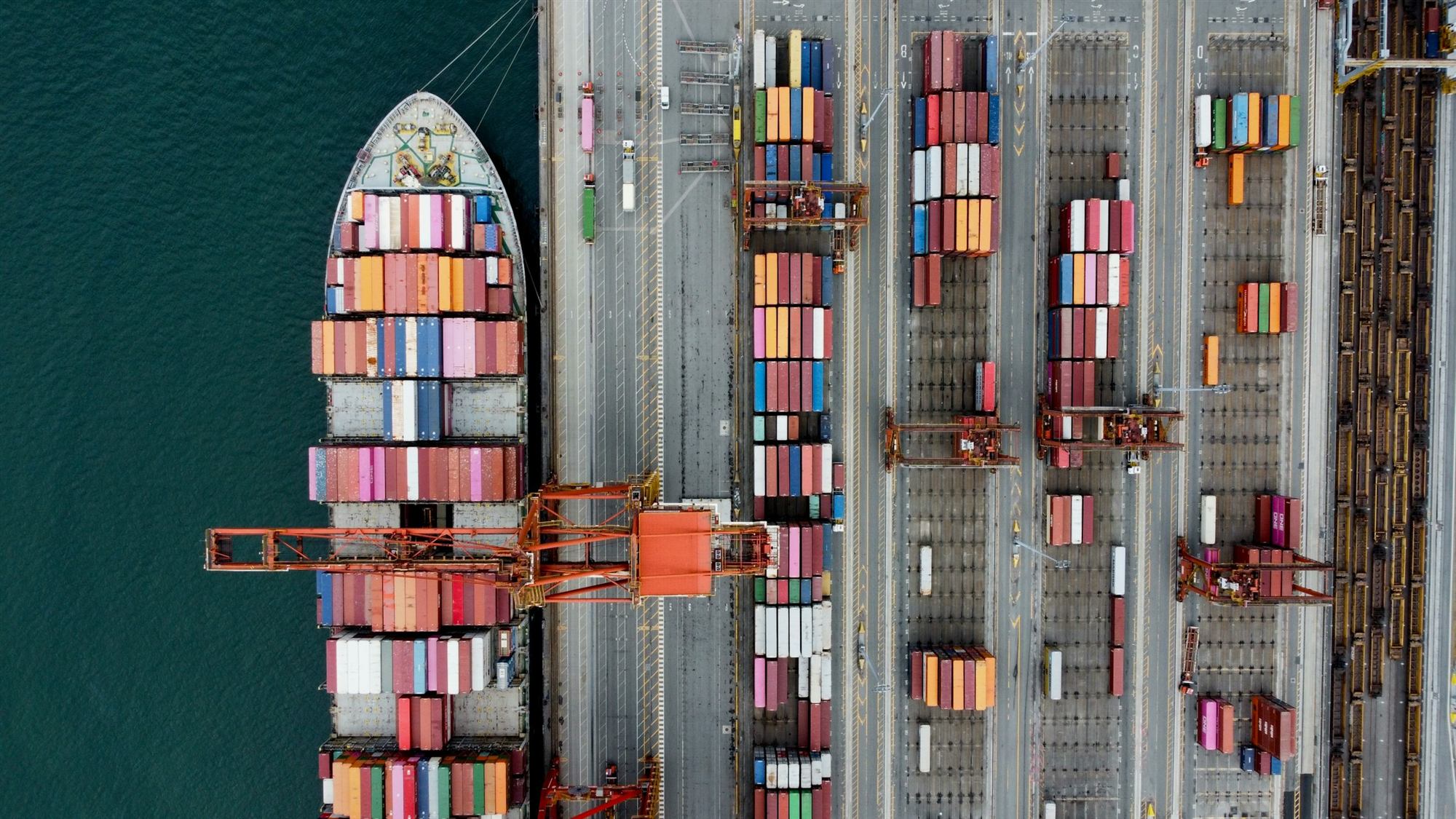
Container vessels and cranes at a North American cargo port

China-origin customs clearance coordination

Customs Brokerage for Imports from China.

We manage the agreed clearance work around your China-origin shipment: document readiness, China export declaration support where scoped, destination broker handoff, importer and duty/tax scope confirmation, clearance-status follow-up and release-to-delivery planning.

Document pack reviewCommercial and transport data checked before handoff
China export supportDeclaration and export-release coordination where scoped
Destination broker handoffImporter, broker and duty/tax responsibility confirmed
Release to deliveryStatus, exceptions and next delivery handoff connected

A complete quote starts with four practical facts

Tell us what needs to clear, where, and under whose import setup.

We use the shipment brief to identify the clearance route before booking. It tells us what China Ship Net can manage directly, which task needs an appointed destination broker, and which costs or obligations remain with the importer or another party.

The goodsProduct description, material, intended use, quantity, value, country of origin and any available HS or tariff code.
The marketDestination country, intended port or airport, delivery address and target departure or arrival window.
The importerThe party acting as importer, its contact or registration details, and the duty/tax payment arrangement.
The service requiredWhether you need China export support, destination broker handoff, clearance-status coordination, delivery after release, or a defined combination.

What you receive before booking: a written scope showing the assigned China-side work, destination-broker handoff, importer responsibilities, known exclusions and the next information needed. Customs authorities, the importer and appropriately authorized local brokers or representatives retain the roles assigned by the relevant jurisdiction and shipment arrangement.

Four distinct responsibilities, stated before booking

What China Ship Net provides, what a local broker provides, and what is outside the scope.

We do not sell an undefined "customs clearance" label. Every quote separates the work we directly manage, the destination customs business performed by the appointed broker or representative, the coordination work we provide, and costs or obligations that need separate confirmation.

01

Directly managed by China Ship Net

We take the shipment brief, review document completeness and matching data, coordinate China export declaration or release where included, and connect the clearance plan with freight and post-release delivery.

Deliverables: readiness review, origin support where scoped, and a documented handoff plan.
02

Handled by the appointed local broker

Where destination rules require customs business, an appropriately authorized local broker or representative handles the customs entry, filing or representation under that market's rules and authorization process.

Deliverables: destination entry activity performed by the authorized party, not implied by a freight quote.
03

Coordinated across the shipment

We coordinate document handoff, importer and duty/tax responsibility confirmation, carrier milestones, clearance-status updates, requests for missing information and the release-to-delivery handoff.

Deliverables: one operational communication path for the agreed parties.
04

Not included automatically

Duties, taxes, bonds, permits, product certificates, inspections, storage, demurrage, legal or tariff advice and final delivery are included only when the quote explicitly says so.

Deliverables: no hidden responsibility; each exception or third-party charge is identified separately.

Operational deliverables we can include in the agreed scope

  • Document-pack and shipment-data readiness review
  • China export declaration and export-release coordination where quoted
  • Importer, Incoterm, broker and duty/tax responsibility check
  • Destination broker or representative handoff with the available shipment file
  • Clearance-status, request and exception communication
  • Release-to-port, airport, warehouse, 3PL, Amazon FBA or consignee delivery planning

Items that need separate approval, a third party or importer action

  • Destination broker appointment, power of attorney or local representation authorization
  • Government duties, taxes, bonds, security accounts and authority charges
  • Product permits, certifications, agency filings, inspections and examinations
  • Tariff classification, legal, tax or regulatory advice
  • Storage, demurrage, detention, corrective work and final delivery unless named in the quote

Coverage is quoted for China-origin cargo entering the United States, Canada, Europe and other destinations where the required importer setup and local broker or representative can be confirmed. Customs release is determined by the relevant authority, not China Ship Net or the freight carrier.

A broker is not a substitute for an importer

Who does what in customs clearance?

Titles vary by country, but successful clearance starts with the party roles and authority being explicit. This prevents a quote, an invoice and a customs entry from pointing to three different responsible parties.

RoleTypical responsibilityWhat must be confirmed before shipment
Importer of record / importerProvides truthful import data and typically remains responsible for duties, taxes, compliance and corrections required by the destination authority.Importer identity, tax or registration details, authority to import, document owner and duty/tax payment arrangement.
Licensed customs broker or local representativeActs within the authorization and licensing rules of the destination jurisdiction to handle customs business, declarations or representation.Broker authority, available entry data, product-specific requirements, payment process and response contact for questions.
Freight forwarderCoordinates the carriage, cargo documents, carrier handoffs and the agreed connection between transport, customs status and final delivery.What customs work is included, which partner owns the filing, what happens if release is delayed and where cargo goes after release.

Treat customs as a sequence of verified decisions

Customs clearance process for imports from China.

The sequence changes by country and cargo, but the operational model remains the same: obtain accurate data, confirm roles and authorizations, prepare the entry scope, respond to exceptions, then release cargo into the planned delivery chain.

  1. 01

    Review the shipment profile

    Confirm origin, destination, mode, product, value, quantity, packaging, supplier and cargo-ready date before booking.

  2. 02

    Collect supporting documents

    Align the commercial invoice, packing list, transport documents, product facts and any available compliance records.

  3. 03

    Confirm importer and broker scope

    Identify the importer, authority or representation process, duty/tax arrangement and the party who can answer customs questions.

  4. 04

    Prepare the entry handoff

    Pass accurate shipment data to the authorized filing party and align the carrier, port or airport milestones with the customs plan.

  5. 05

    Manage requests or examinations

    If an authority asks for more information, inspection or reassessment, coordinate the response and revise the downstream delivery plan as needed.

  6. 06

    Release and deliver

    After release under the agreed process, move the cargo to the named warehouse, fulfillment center, 3PL or final consignee.

Commercial cargo documents prepared for customs clearance coordination

The document pack must describe the goods that actually move

Documents and data for customs clearance.

Every country and product has its own rules, but a consistent base file gives the importer, broker and carrier a shared starting point. The goal is not to produce more paperwork; it is to ensure the information is complete, truthful and internally consistent.

Commercial invoice

Describe the transaction clearly.

Seller, buyer, consignee, product description, quantity, unit and total value, currency, origin and commercial terms should match the actual transaction.

Packing list

Make the physical cargo traceable.

Cartons or pallets, quantities, dimensions, gross and net weights and packing configuration help the transport and customs records match the cargo.

Transport reference

Connect documents to the shipment.

Bill of lading, air waybill, courier reference or other transport data must point to the same shipper, consignee and cargo facts.

Product and importer support

Escalate special requirements early.

Share the best available HS or tariff code, material, intended use, importer information and any permit, certificate, test, safety or product-agency document.

Separate the government charges from the service scope

Customs brokerage fees and clearance cost structure.

A customs quote should explain what is a brokerage or logistics service charge, what may be assessed by authorities and what can arise only if the shipment is inspected, delayed or held. A low headline fee may exclude the work that your actual shipment needs.

Cost componentWhat it may coverChanges when
Brokerage or representation serviceAuthorized entry preparation, filing coordination, communication and standard clearance scopeCountry, port, entry type, broker process and shipment complexity
Duties, taxes and government feesCharges assessed by the destination authority under the import arrangementClassification, value, origin, trade program, importer and destination rules
Bond, security or account arrangementsImport security, account or payment arrangements where the destination process requires themImporter history, country, entry model, value and commodity
Examination, inspection or exception handlingCargo examination, authority request, extra document work or corrective handling if triggeredAuthority decision, cargo condition, documents and product controls
Storage and delivery after releaseTerminal, airport, warehouse or final-mile costs that depend on actual release and pickup timingRelease date, free time, appointment, delivery location and cargo configuration


Coverage is confirmed with the import arrangement, not assumed

Markets we assess for China-origin customs clearance support.

Our standard clearance-planning conversations cover China-origin imports into North America and Europe. For another market, we first confirm the commodity, importer setup and availability of the appropriately authorized local broker or representative before promising a destination clearance scope.

United States

China export support, broker handoff and delivery planning.

We can scope China-side document and export coordination, then confirm the importer, licensed broker path, product-agency requirements, entry file and post-release delivery handoff for the actual shipment.

Read U.S. CBP broker guidance
Canada

Importer, agent and accounting setup before arrival.

We coordinate the China-origin shipment file and identify the local handoff. The importer and authorized agent arrangement, accounting process, duties and taxes must be confirmed before cargo is released to Canada.

Read CBSA broker guidance
European Union

Importer identity and local representation check.

We review the China-origin shipment facts, then confirm the importer, representative and customs-operation identity requirements for the EU country where the customs process will take place.

Read EU EORI guidance

Answers before you authorize a shipment

Customs clearance scope, answered clearly.

Start with the work China Ship Net can manage, then confirm the destination filing party, importer obligations and third-party costs for the actual shipment.

What customs clearance services does China Ship Net actually provide?

For China-origin shipments, China Ship Net can directly manage shipment onboarding, document-pack readiness, China export declaration support where included, freight handoffs and release-to-delivery planning. We coordinate destination broker handoff, importer scope, status updates and exception communication. A licensed local broker or authorized representative handles destination customs business where the jurisdiction requires it. Duties, taxes, permits, examinations and legal or tariff advice are not automatically included and are confirmed separately in the quote.

Do I need a customs broker to import goods from China?

The answer depends on the destination, shipment type and how the importer chooses to file. In the United States, an importer may make its own entry, but many importers authorize a licensed broker to handle customs business. A broker does not remove the importer's responsibility for accurate information, duties, taxes and compliance.

What is the difference between a freight forwarder and a customs broker?

A freight forwarder coordinates transport and freight handoffs. A licensed customs broker or authorized customs representative handles customs business under the rules of the relevant jurisdiction. One company may coordinate both parts of a shipment, but the scope, authority and responsible party should be stated clearly before booking.

Who is responsible for customs duties, taxes and entry data?

Responsibility depends on the country, commercial terms and import arrangement, but the importer or importer of record is commonly responsible for the accuracy of the declaration and for applicable duties, taxes and fees. A quote should identify the importer, broker or representative and payment scope rather than leaving it implied.

What documents are commonly needed for customs clearance?

A commercial invoice, packing list, transport document, product description, value, quantities, consignee details and product classification information are common starting points. The product and destination may require additional permits, certificates, testing records or agency-specific documents.

Can customs clearance be guaranteed?

No. Customs authorities may request additional data, inspect cargo, reassess classification or value, or apply product-specific controls. Clear and accurate information before departure can reduce avoidable issues, but only the relevant authority decides whether and when goods are released.

When should I involve customs brokerage in the shipping plan?

Bring the customs scope in before cargo departs, especially for a first import, regulated goods, a new destination, ocean freight, higher-value cargo, DDP planning or a shipment with an unfamiliar importer arrangement. Waiting until the cargo arrives can limit options and create storage or delivery pressure.

Is DDP the same as customs brokerage?

No. DDP is a commercial delivery term that can define a seller's agreed responsibility for import costs and delivery. Customs brokerage is the customs-business or representation part of an import process. A DDP quote still needs a valid destination import arrangement and a clearly defined brokerage scope.

What information do you need for a customs brokerage quote?

Share the destination country, mode, origin, consignee and importer details, product description and material, value and currency, quantities, packaging, HS or tariff code if known, Incoterm, available invoices and target departure or arrival date. We then identify the operating scope and missing information before a route is confirmed.

Request only the clearance work your shipment needs

Request a Defined Customs Clearance Scope.

Tell us whether you need China export declaration support, a destination broker handoff, clearance-status coordination, release-to-delivery planning, or a combined scope. We will return the practical division of responsibility before the freight plan is finalized.

Include these details in one inquiry

  • The clearance work you want: export support, broker handoff, status coordination, delivery after release, or a combination
  • Origin, destination country and intended port or airport if known
  • Transport mode, cargo-ready date and expected departure or arrival window
  • Consignee, importer or importer-of-record details and contact
  • Product description, material, intended use, quantity, value and currency
  • HS or tariff classification if known, plus country of origin
  • Commercial invoice, packing list and available transport or compliance documents
  • Incoterm, duty/tax payment arrangement and final delivery location
Request a Customs Quote info@chinashipnet.com