Container vessel and port cranes at sunset

Ocean freight from China

Sea Freight from China.

FCL and LCL ocean freight with pickup, consolidation, booking, documents and delivery scope aligned before cargo moves.

20+ yearsFreight coordination experience
FCL & LCLContainer and consolidation options
China originPickup, loading and export planning
WorldwideDestination-led route planning

Built for commercial decisions

Ocean freight is more than a port-to-port rate.

Sea freight from China works best when the shipment scope is clear before the booking is made. That means knowing where the cargo is ready, how it is packed, whether it should move as FCL or LCL, which Incoterm applies and where responsibility ends at destination.

As a China sea freight forwarder, China Ship Net helps importers, retailers, distributors and project buyers coordinate that chain. We can help you compare a full container load against less than container load shipping, bring cargo together from suppliers, prepare the export handoff and align the shipment with customs and final delivery requirements.

Start with your cargo details

Choose the right shipment mode

FCL and LCL shipping from China

Both options move cargo by ocean. The right one depends on volume, cargo readiness, handling requirements and the total scope at destination.

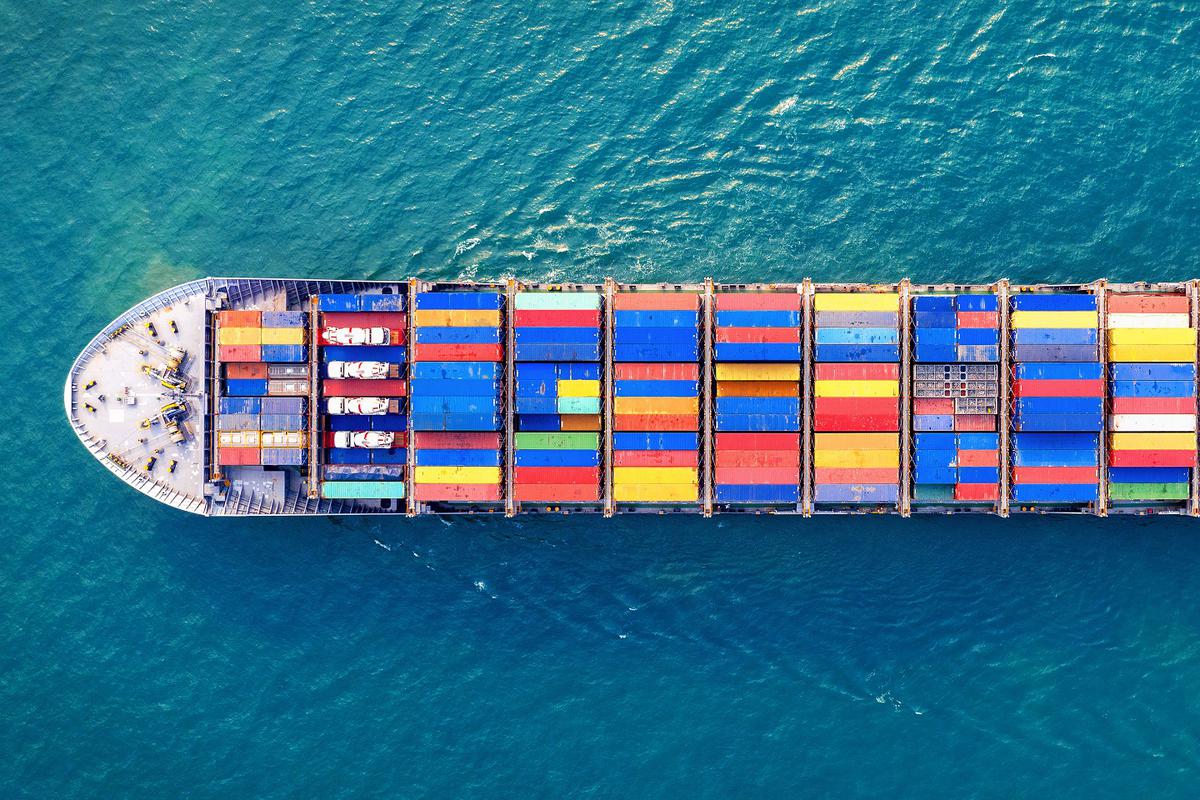
Full container cargo ship viewed from above

01

Full Container Load

FCL: a dedicated container for your cargo

FCL shipping is typically the cleanest choice when your cargo can use most or all of a container. It gives you a defined loading plan around equipment such as 20GP, 40GP or 40HQ containers.

Recommended when: your cargo fills most of a container, you want one loading plan, or controlling shared handling matters more than sending a smaller shipment.

  • Cost structure: usually quoted per container and equipment type, plus the agreed origin and destination scope
  • Useful for higher-volume purchase orders and regular replenishment
  • Supports factory loading, warehouse loading or consolidation planning
Request an FCL comparison
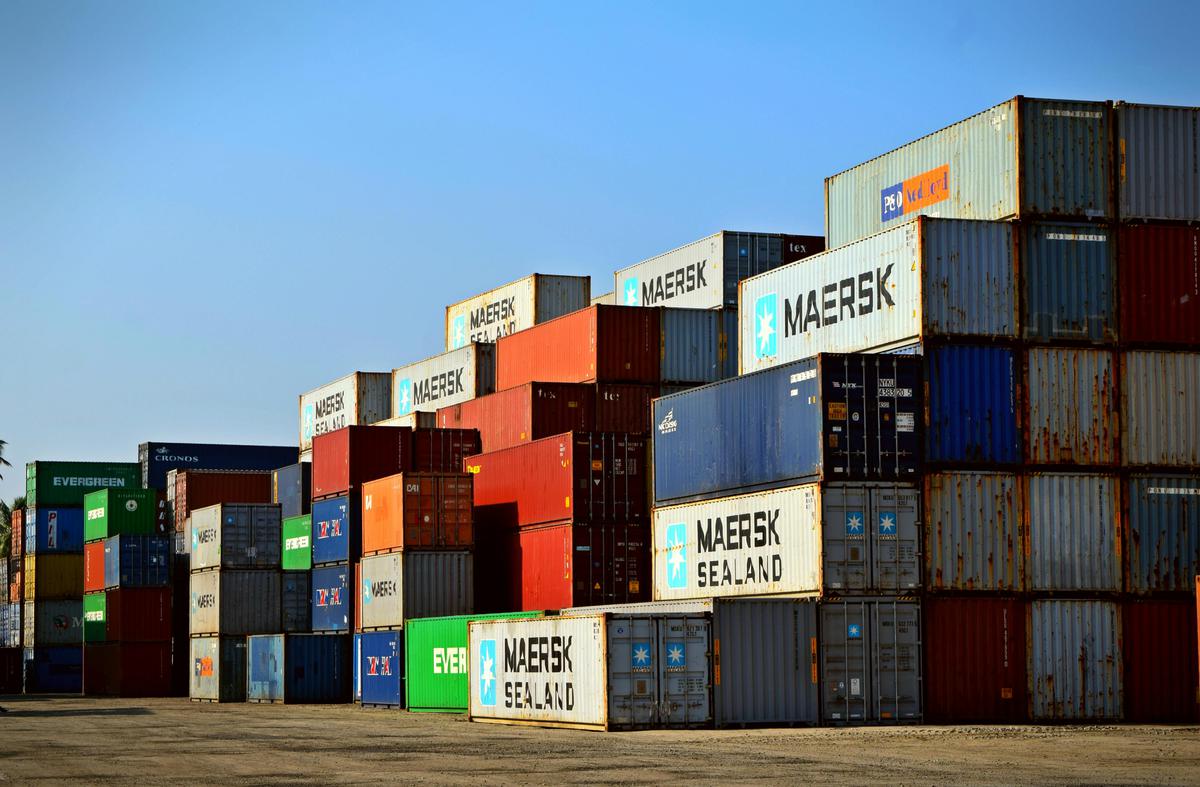
Stacked shipping containers prepared for less than container load freight

02

Less than Container Load

LCL: shared container space for smaller shipments

LCL shipping lets your cargo share container space with other shipments. It can be practical when you do not need a full container, provided the cargo is packed for additional handling and the full quote scope is reviewed.

Recommended when: your cargo does not justify a full container, the shipment can work with consolidation timing, and you want to pay for the volume you need rather than dedicated equipment.

  • Cost structure: typically priced by chargeable volume, with minimums and consolidation-handling items depending on the route
  • Useful for smaller volumes, supplier samples and mixed purchase orders
  • Requires accurate CBM, gross weight, package count and cargo description
Request an LCL comparison

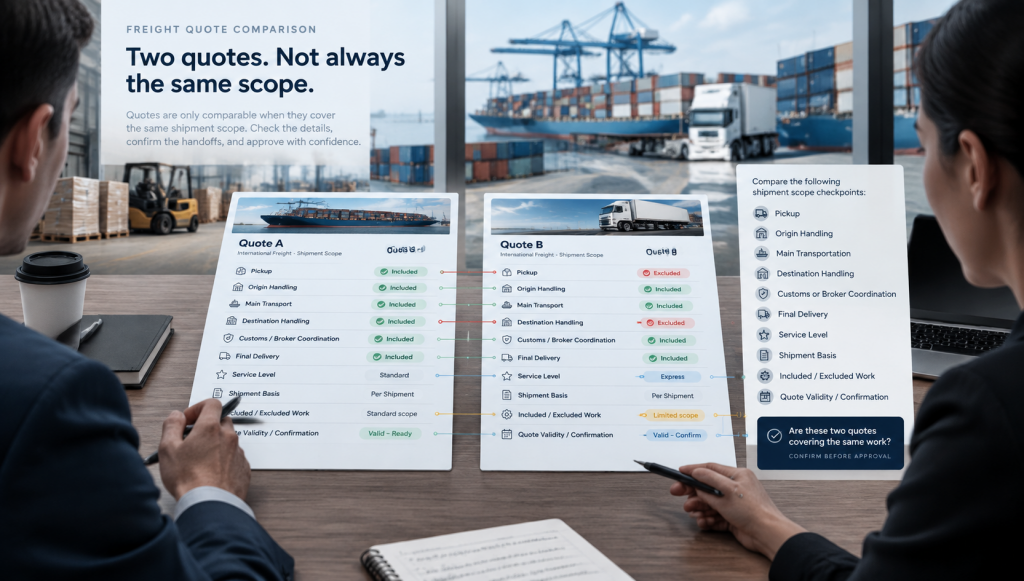
Quote scope, not rate headlines

Sea freight cost breakdown

A usable ocean freight quote separates the transport leg from the origin, destination and import work required to complete the shipment.

Freight quote comparison showing included and excluded shipment work
01

Origin costs

Pickup, export handling, warehouse or consolidation work, container loading, documentation and port-side handoff where included.

02

Ocean freight

The main sea leg. FCL is commonly structured by container and equipment; LCL is commonly structured by chargeable volume.

03

Destination costs

Port or consolidation-station handling, document release, customs coordination and local delivery when they form part of the scope.

04

Import charges

Duties, taxes, inspections and government charges are separate from freight and depend on the product, importer and destination rules.

Cost areaFCL shippingLCL shipping
Main freight basisUsually quoted by container size and equipment type.Usually quoted by chargeable volume, often with a minimum shipment charge.
Origin workPickup, loading and export handling depend on whether cargo is factory-loaded or handled through a warehouse.Supplier delivery, collection and consolidation-station handling are especially important to review.
Destination workPort release, customs and final delivery depend on the agreed port-to-port or door-delivery scope.Deconsolidation and destination handling can be material items; compare the full destination scope, not only the CBM rate.
Best comparison questionWhich container size and delivery scope fits the cargo?What is the total chargeable volume and what handling is included at both ends?

Rates and charge names vary by port, carrier, cargo and timing. Ask for included items, excluded items and items subject to destination confirmation before comparing quotations.

From China origin to final handoff

A clear sea freight process

Every shipment is different, but these are the operating decisions that should be agreed before cargo moves.

  1. 01

    Share cargo facts

    Origin city, ready date, product, package count, weight, CBM, Incoterm and destination.

  2. 02

    Build the shipment scope

    Choose FCL or LCL, decide on pickup or supplier delivery, then identify the required handoffs.

  3. 03

    Coordinate origin

    Arrange collection, consolidation or loading and prepare export documentation with the right shipment data.

  4. 04

    Confirm ocean booking

    Align the booking with cargo readiness, cut-off dates and the agreed port or door destination.

  5. 05

    Prepare destination handling

    Review customs, consignee information, local charges and delivery requirements before arrival.

  6. 06

    Complete the handoff

    Coordinate port release, destination clearance and final delivery according to the agreed scope.

Destination planning

Plan sea freight around the destination.

Port pairs, delivery terms, local handling and import requirements vary by market. Start with the route guide that is closest to your delivery destination.

United States & Canada

Ocean options for importers planning port, customs and final-mile handoffs across North America.

Explore North America

Europe & United Kingdom

Compare container and consolidation options for European ports, inland destinations and UK import planning.

Explore Europe

Middle East & Asia

Plan short- and mid-haul ocean freight with origin coordination and destination requirements in view.

Explore Middle East

Oceania, Africa & South America

Build a shipment scope around cargo readiness, the port pair and destination delivery needs.

Explore Oceania

A quote only works with usable cargo data

Give us the details once. Price the route properly.

For a door-to-door sea freight quote from China, the final delivery address and destination handoff matter as much as the port pair. The right cargo data lets us compare a realistic FCL or LCL scope instead of offering a rate headline with missing operational work.

Pickup city or port of loadingFCL or LCL volume and equipmentWeight, CBM, packages and cargo typeDestination port, address and delivery accessIncoterm and supplier responsibilitySeason, sailing availability and cargo-ready date
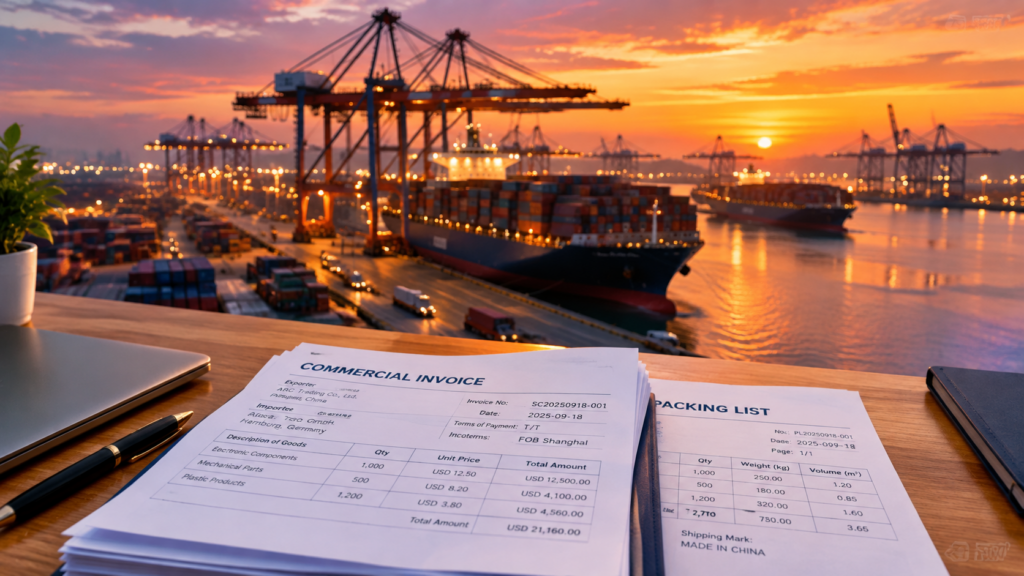
Commercial invoice and packing list prepared for an ocean freight shipment

Documents and compliance

Prepare the paperwork before the cargo is at the port.

Exact requirements depend on the cargo and importing country, but a commercial invoice, packing list, product description, consignee details and product classification information are common starting points. Make sure the commercial terms, quantities and values match the shipment you are actually moving.

For United States imports, U.S. Customs and Border Protection explains that a commercial invoice needs an adequate merchandise description, quantities, values and the applicable HTS subheading where required. Read the CBP commercial invoice guidance.

This page is operational guidance, not customs or legal advice. Confirm destination requirements with the relevant importer, broker or authority before shipping.

What a dependable plan includes

Useful freight coordination starts with the details.

Rather than quoting only the main ocean leg, a sound plan makes the shipment boundaries visible before cargo is committed.

01

Clear origin handoff

Who collects, where the cargo is delivered, what needs to be consolidated and when it will be ready.

02

Defined commercial scope

FCL or LCL, port or door, included work and the points where responsibility transfers.

03

Destination visibility

Consignee details, customs coordination, local charges and delivery requirements considered before sailing.

04

Practical alternatives

When ocean is not the right fit for a deadline, compare air freight or another transport mode before booking.

Common commercial questions

Sea freight questions, answered clearly.

These answers help you prepare for a quote. Your actual route, cargo and destination requirements determine the final shipment plan.

How is LCL freight from China charged by CBM?

LCL pricing commonly starts with cargo volume, but the shipment can also have a minimum charge, measurement rules and consolidation-station costs. The most useful question is which chargeable CBM will be used and which work is included at each end.

Why can two sea freight quotes from China look very different?

They may not cover the same shipment. One quote can include pickup, document work or delivery while another covers only the ocean leg. Compare the origin, main freight, destination, customs and final-delivery lines before choosing.

Are customs duty and import tax included in sea freight cost?

Usually they should be treated separately from freight. Duty and tax depend on the product classification, declared value, importer and destination rules. Confirm who is responsible before cargo moves.

What is a CFS charge in LCL shipping?

CFS refers to a container freight station, where smaller shipments can be received, consolidated or deconsolidated. Related handling charges vary by location and service scope, so they should be identified in the quote rather than assumed.

Can battery, liquid, branded or regulated cargo move by sea?

Possibly, but the answer depends on the product, classification, packing and destination requirements. Share the product description and any available safety or technical documents before planning the shipment.

What is a bill of lading and when is it issued?

A bill of lading is a core shipping document that records the shipment and carriage terms. The document process depends on the booking, shipper, consignee, release method and carrier instructions, so confirm the required form before shipment release.

What can delay cargo after it arrives at the destination port?

Delays can come from missing or mismatched documents, customs review, port release, payment or delivery appointments. Preparing consignee and document details before arrival reduces avoidable handoff issues.

Should I choose port-to-port or door-to-door sea freight?

Choose port-to-port when you already have a destination team handling clearance and delivery. Choose door-to-door when you need the final handoff coordinated too. The best option depends on who controls customs, local transport and import responsibility.

Ready when your cargo details are

Get a sea freight plan that matches the full shipment.

Tell us the origin, cargo, destination and required handoffs. We will start with the details that make a quote usable.