
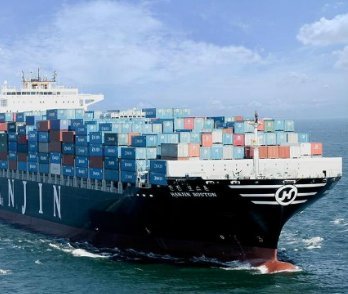
China Ship Net offers reliable sea freight solutions for shipments from China to Australia via all major container ports, including Sydney, Melbourne, Brisbane, Fremantle, and Adelaide. Backed by strong partnerships with carriers such as COSCO, OOCL, APL, EMC, MSK, and HMM, we secure consistent space, attractive FCL and LCL rates, and regular sailing schedules from key Chinese ports. After vessel arrival in Australia, we coordinate efficient container handling and inland trucking or rail transport, ensuring timely delivery to major industrial and commercial hubs across the country.

For urgent, high-value, or time-sensitive cargo, our air freight services provide fast and secure transport from China to Australia. China Ship Net plans optimal routing into primary Australian airports such as Sydney, Melbourne, Brisbane, and Perth, focusing on dependable transit times and smooth customs clearance. From origin pickup and export procedures in China to airline booking, import processing in Australia, and final delivery to your warehouse or store, we manage the entire air logistics chain, making it ideal for electronics, fashion, pharmaceuticals, spare parts, and other priority shipments.

China Ship Net provides integrated rail freight solutions from China to Australia through optimized China–Eurasia rail corridors combined with sea and inland transport. By leveraging stable rail networks, strategic transit hubs, and reliable carrier partnerships, we offer a balanced alternative that delivers faster transit than traditional sea freight while maintaining cost efficiency. Our services include secure cargo handling, coordinated intermodal transfers, competitive pricing, and dependable schedules. From rail departure in China to final delivery in Australia via port or inland distribution, China Ship Net ensures smooth coordination, clear communication, and consistent performance for your China–Australia supply chain.

China Ship Net will provide most fuel efficient pickup service China
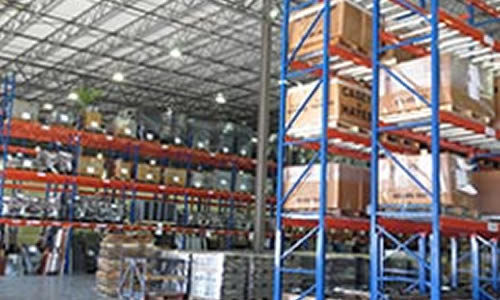
We provide free warehousing services for any of your goods.
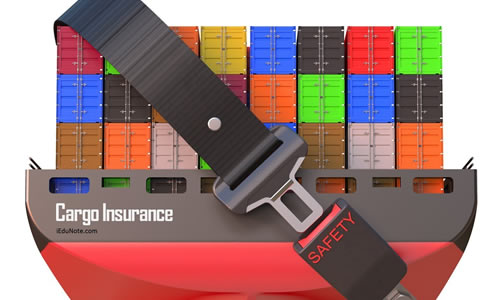
The cargo insurance protects your goods all the way to any Any FBA Warehouse

We handle all paperwork and other details for you.
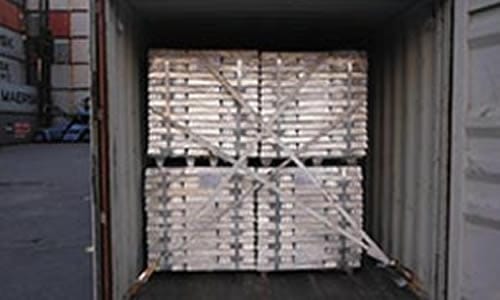
Ensure safe packaging and loading of goods in your suppliers' factory.

Customer Support is responsive, professional, and solution-oriented. The team communicates clearly, follows up promptly, and shows strong knowledge of the product and processes. Most issues are resolved within a reasonable timeframe, and support channels are easy to reach. Service quality is consistent, though faster response during peak hours would further improve the experience. Overall, support is reliable and helpful.

Features Availability is well designed and comprehensive, covering the core needs of users while remaining easy to access and understand. Most key functions are consistently available and perform reliably. The layout makes feature discovery intuitive, though a few advanced options could be surfaced more clearly. Overall, availability and usability are strong and dependable.

Code Quality is solid and maintainable, with clear structure and consistent naming conventions. The logic is well organized, making the codebase easy to read and extend. Documentation and comments support understanding, and error handling is generally reliable. A bit more modularization and test coverage would further strengthen robustness. Overall, the implementation is professional and dependable.
