

Freight booking
Sets the transport route, carrier handoffs and freight terms. It does not by itself confirm insurance cover for the cargo.
Confirm whether insurance is required separately.
Cargo insurance arrangement for China-origin freight
Prepare the shipment facts needed to request cargo-insurance options before goods move. We coordinate the insurance inquiry and logistics evidence path; the insurer or authorized broker determines availability, premium, wording, limits, exclusions, deductible and claims decisions.
Insurance is separate from the freight booking
A transport booking, a bill of lading or an air waybill is not automatically an insurance certificate. Carrier responsibility and cargo insurance operate under different contracts and facts. Before cargo departs, decide whether an insurance arrangement is needed and make the insured scope visible.
Sets the transport route, carrier handoffs and freight terms. It does not by itself confirm insurance cover for the cargo.
Confirm whether insurance is required separately.May be shaped by carriage terms, applicable rules and the circumstances of an incident. It should not be assumed to equal cargo value.
Keep transport documents and condition records.Sets the insured interest, transit scope, covered risks, exclusions, limits, deductible and claim requirements for the specific arrangement.
Read the issued policy or certificate, not a generic label.Supports a prompt, fact-based notification if damage, shortage or loss is found during an insured movement or at delivery.
Document the condition before goods or packaging are changed.A transparent scope protects the insured and the service provider
China Ship Net can support the shipment and logistics side of an insurance request. We do not replace the insurer, underwriter, authorized broker, policy wording or claims decision-maker. The insured party must still provide accurate facts and review the offer before accepting it.
China Ship Net can coordinate
We can collect the shipment brief, share the available cargo and transport information for an insurance request, coordinate the certificate or policy handoff where available, and help locate logistics records when a claim is reported.
Insurer or authorized broker decides
The relevant insurer, underwriter or authorized broker determines acceptance, premium, policy wording, insured limit, deductible, exclusions, extensions, certificates, survey instructions and claim outcomes.
Cargo owner or insured must provide
The insured party supplies truthful product and value information, reviews the proposed cover, follows policy conditions, inspects cargo at handoff and provides prompt notice and evidence when an incident is discovered.
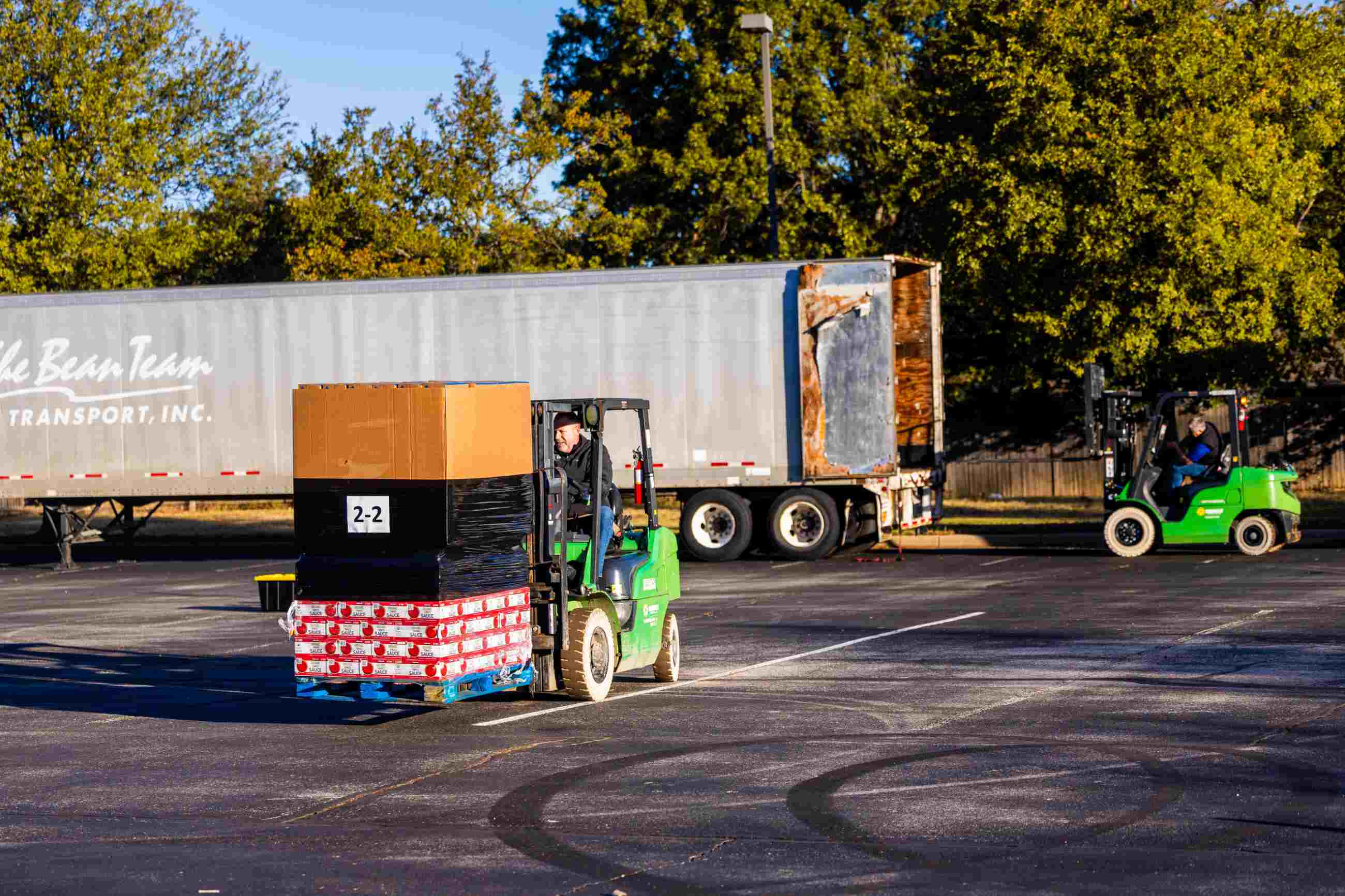
The underwriting request starts with the actual shipment
Insurance options are assessed against the declared risk, not a one-line product name. Give the insurer or broker a complete, consistent description before a shipment starts to move. If any material detail changes, raise it before relying on the proposed cover.
Practical rule: if the product, route, packing, declared value or destination changes after the inquiry, do not assume the original insurance option still applies. Ask the insurance contact to confirm the changed shipment in writing.

The policy is the source of truth
Policy forms and endorsements can vary. Before you rely on any option, confirm the specific shipment or annual arrangement in writing and review the terms with the appropriate insurance professional.
Check that the actual cargo, insured party, commercial relationship and declared value are correctly shown.
Confirm the listed origin, destination, route, mode, storage and handoff conditions rather than relying on an assumed door-to-door period.
Review the cover wording, exclusions, special clauses and any separately requested extension for the actual commodity and route.
Understand the maximum stated amount, currency, deductible or excess, and how the policy handles the declared value.
Check claim-notice contacts, time-sensitive instructions, survey requirements, evidence expectations and mitigation duties.
The first response can preserve the evidence path
Follow the actual policy, certificate and insurer or broker instructions. The steps below are a claims-readiness sequence, not a promise that a loss is insured or that a claim will be paid.
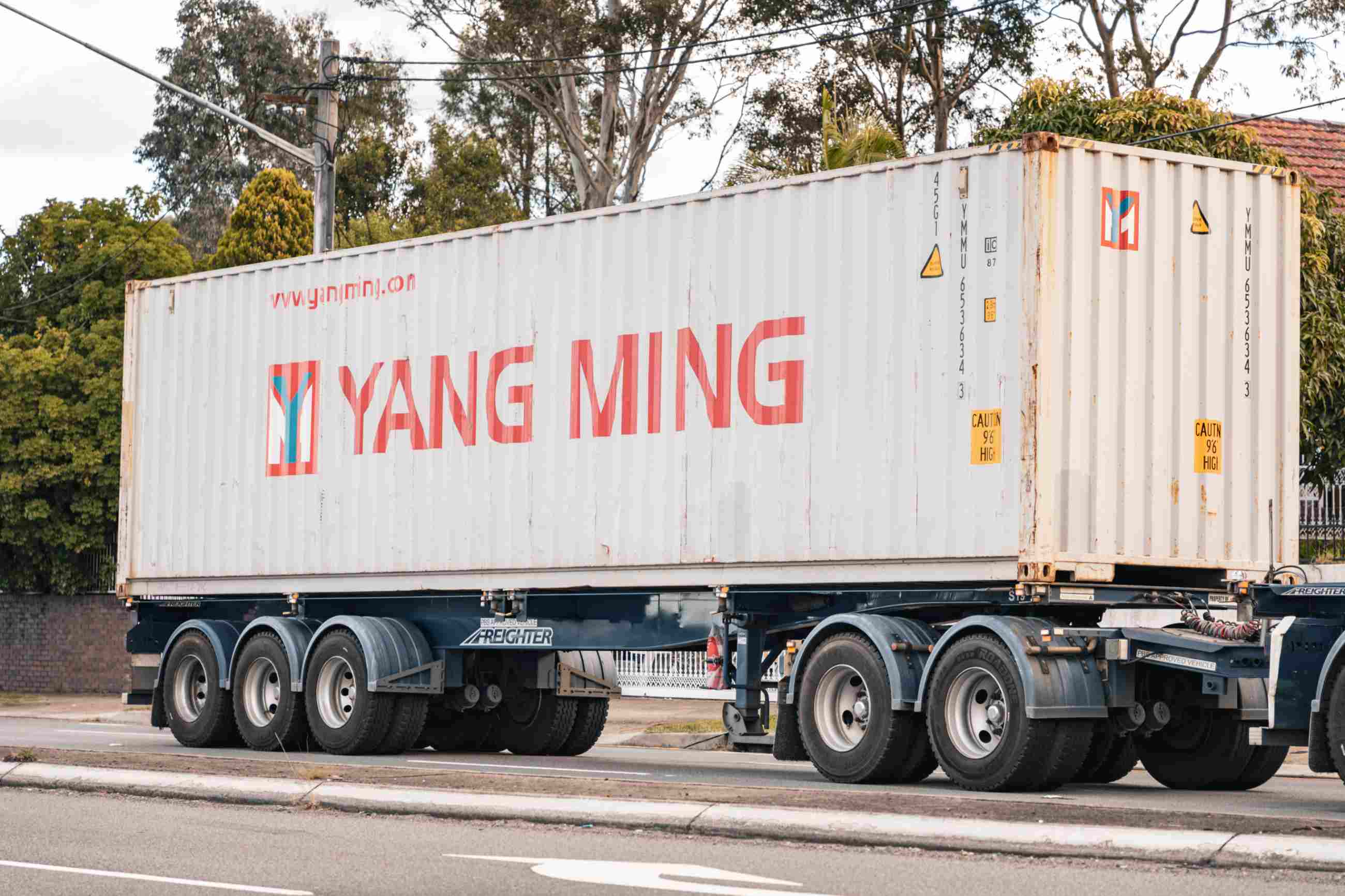
Where safe, take reasonable steps to prevent further damage. Check package count, container condition, seals, visible damage and delivery paperwork before signing a clean receipt.
Write a specific shortage or damage note on the carrier or delivery document where appropriate, take time-stamped photographs and retain damaged packaging and seals if relevant.
Use the policy or certificate contact and follow any notice requirement. Ask for a claim reference and preserve written confirmation of the notification.
Maintain the insurance certificate, invoice, packing list, bill of lading or air waybill, delivery record, correspondence, photographs and any estimate or survey instruction.
Do not dispose of evidence or make unsupported settlement assumptions. Follow the insurer or appointed surveyor instructions for the actual incident.
Industry reference: the IUMI Guide to Marine Cargo Insurance describes the importance of prompt notice, condition records and supporting documents. The insurer and policy for your shipment determine the documents and process that apply.
Premium is assessed on the risk, not a generic percentage
Only the insurer or authorized broker can offer terms. The quote request should make the risk visible enough for a meaningful assessment instead of assuming every item, route or policy condition receives the same premium.
The declared commercial and insurance values influence the amount of risk the insurer is asked to consider.
Product characteristics, condition, packing, palletization, containerization and handling needs may affect the assessment.
Origin, destination, sea, air, rail, road or courier legs, transshipment and declared storage can change the proposed scope.
Requested transit scope, limit, deductible, exclusions and special extensions need to be priced and confirmed by the relevant insurance party.
Why there is no public fixed premium table: offering one without the goods, value, route, packing, policyholder and terms would create a misleading insurance expectation. Send the shipment facts for a route-specific request.
Insurance should follow the actual cargo movement
Use the route and clearance service pages to prepare the cargo, transport and destination facts that an insurance inquiry may need.
Answers before you rely on freight insurance
These answers help you prepare an insurance request and preserve evidence. They do not amend any policy, determine coverage or replace advice from the insurer, authorized broker, lawyer or claims professional handling the actual shipment.
Cargo insurance can be arranged to address agreed risks of physical loss or damage to goods during the insured transit. The actual protection depends on the insurer, insured party, declared value, route, commodity, policy wording, limits, deductible and any endorsements. A freight booking alone does not create an insurance policy.
No. Carrier obligations are governed by the relevant carriage contract, applicable rules and the facts of the loss. Cargo insurance is a separate insurance arrangement with its own policy wording, terms and claims process. Review both rather than assuming one automatically replaces the other.
Arrange it before the cargo starts its insured movement. The insurer or broker needs the shipment facts in advance to assess whether a quote or cover can be offered and on what terms. Do not wait until cargo has been damaged, delayed or is already in transit to ask whether it was insured.
Provide the commercial invoice value, currency, freight and other values the insurer or broker asks for, then review the proposed insured value and policy wording before acceptance. The appropriate basis is not universal; it depends on the cargo, sale terms, policy arrangement and insurer requirements.
Do not assume so. Cargo insurance is not a substitute for supplier quality control, a customs arrangement, commercial contract remedies or inventory planning. Delay, policy exclusions, special risks and any extensions are determined by the actual policy wording and endorsements.
Protect the goods from further damage where safe, inspect the condition at handoff, record shortages or damage on the delivery document, take clear photographs, retain packaging and notify the insurer, broker or claim contact promptly under the policy instructions. Keep all related documents and follow any survey or inspection direction.
Premium is assessed per risk. The commodity, insured value, packing, route, transport mode, loss history, declared conditions, requested scope and insurer appetite can all affect the offered premium and terms. A shipment-specific request is more reliable than a public percentage estimate.
Send the product description and material, invoice value and currency, origin and destination, transport mode, route, cargo-ready and departure dates, carton or pallet details, packing method, supplier and consignee details, Incoterm, requested coverage period and any known special risk or prior loss information requested by the insurer or broker.
Request options before the insured transit starts
Send the shipment facts once. We will identify the logistics information needed for an insurance request and clarify what still needs confirmation from the insurer, broker, cargo owner or destination parties before you rely on any cover.
Include these details in your inquiry