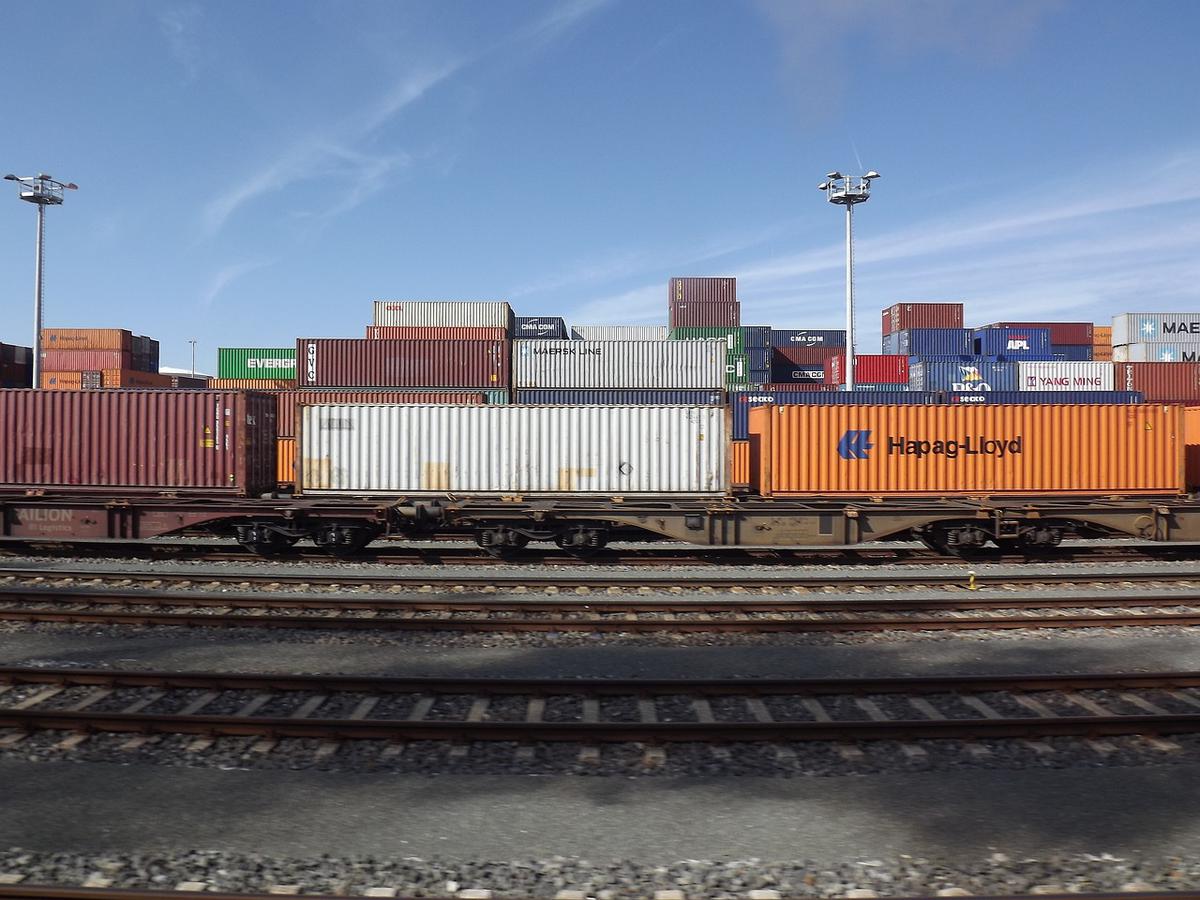

Container train moving through a rail freight terminal

Rail freight forwarding from China

Rail Freight from China.

A practical China-Europe option when your cargo needs more speed than ocean freight, without treating air freight as the only answer.

FCL & LCLFull containers and rail consolidation
China-EuropeTerminal and inland route planning
Rail + roadOrigin pickup and final delivery scope
Quote-ledLive service and timing confirmation

A middle ground for Eurasian cargo

Choose rail for the shipment, not just the transit time.

Rail freight from China can make sense for commercial cargo moving toward Europe, Central Asia and connected inland markets. It is commonly considered when an ocean schedule is too slow, an air shipment is not commercially justified, and the cargo can work within a rail terminal and border-handling process.

Good rail planning starts with the factory city, ready date, container or consolidation need, product description, destination terminal and final delivery address. China Ship Net helps make those decisions visible before cargo enters the rail network.

See routes and timing assumptions

Choose how the cargo occupies the train

Rail FCL vs. LCL

Both options use the same rail corridor. The practical difference is whether your cargo has a dedicated container plan or moves as part of a consolidated load.

China-Europe rail container being handled at an origin terminal

01

Full Container Load

Rail FCL: one container, one loading plan

Rail FCL gives your cargo a dedicated container for the rail journey. It is normally the clearer choice when you can use most of a container, the goods are ready together, or you need more control over loading, sealing and origin coordination.

Recommended when: your cargo fills most of the available equipment, you need a defined supplier loading plan, or reduced shared handling matters to the shipment.

  • Cost structure: usually based on the container, equipment, route and agreed origin/destination work
  • Suitable for higher-volume purchase orders and regular replenishment
  • Can be planned around factory loading, warehouse loading or supplier consolidation before sealing
Request a Rail FCL comparison
Palletized cargo loaded inside a rail freight container

02

Less than Container Load

Rail LCL: shared space for smaller cargo

Rail LCL lets a smaller shipment move in a consolidated container with compatible cargo. It can be useful when your volume does not warrant a dedicated container and the cargo can work with consolidation timing and additional handling at the terminals.

Recommended when: you need less than a container, cargo is packed for shared handling, and the ready date can meet the consolidation schedule.

  • Cost structure: commonly based on chargeable volume or weight, with minimums and terminal-handling items
  • Useful for smaller purchase orders, samples and compatible cargo from several suppliers
  • Requires accurate cartons, gross weight, CBM, product data and delivery instructions
Request a Rail LCL comparison
Decision areaRail FCLRail LCL
Main freight basisDedicated container and equipment scope.Chargeable volume or weight, subject to consolidation terms and minimums.
Cargo readinessBest when the cargo for the container can be ready to one loading plan.Best when the shipment can meet the consolidation cut-off and accept shared timing.
Handling patternOne container plan from loading through the agreed terminal handoffs.Additional receiving, consolidation and deconsolidation work can be part of the scope.
Best quote questionWhich container, route and final delivery scope matches the purchase order?What chargeable basis, terminal work and destination handling are included?

Compare the entire shipment, not one line item

Rail Freight Cost Breakdown

A usable rail quote separates the main rail movement from the origin, terminal, border, destination and import work needed to complete the shipment.

01

Origin costs

Pickup, warehouse handling, container loading or LCL receiving, export documentation and origin-terminal delivery where included.

02

Main rail freight

FCL is commonly scoped by container and equipment. LCL is commonly based on the agreed chargeable volume or weight, plus applicable minimums.

03

Terminal and border work

Rail terminal handling, route-specific transshipment or equipment changes, and cross-border processing that form part of the confirmed service.

04

Destination costs

Destination terminal handling, release, customs coordination and local delivery when the quote includes the final handoff.

Rates and charge names vary by corridor, terminal, equipment, cargo profile and timing. Compare included, excluded and destination-confirmed items before choosing a rail provider.

Route design starts with the origin and gateway

Routes & Transit Times

Use rail timing as a planning input, not a delivery promise. The exact train, terminal, border process and destination handoff determine the live transit time.

Freight containers carried by rail at an intermodal terminal
China rail originXi'an to Duisburg15-17 days

Carrier-published terminal-to-terminal example for a core China-Germany corridor.

China rail originYiwu to Duisburg18-20 days

Carrier-published terminal-to-terminal example; origin and terminal selection affect the plan.

Broader corridor planChina to Europe18-25 days

A broader planning range for China-Europe rail connections before supplier pickup and final inland delivery are added.

01

Origin activity

Supplier readiness, pickup, warehouse handling, export processing and terminal acceptance are planned before the rail clock starts.

02

Corridor movement

Train schedules, route choice, terminal capacity, border crossings and equipment transitions can all affect the main rail leg.

03

Arrival and delivery

Customs, terminal release, destination handling and final truck delivery sit outside a simple terminal-to-terminal rail number.

Indicative corridor figures above reflect published DB Cargo route examples and are shown for planning only. Review current China-Europe route examples before treating a transit range as relevant to your shipment.

From factory-ready cargo to the destination handoff

How Rail Freight Works

Every service has its own live operating details. This horizontal sequence shows the decisions that should be aligned before cargo enters the rail corridor.

  1. 01

    Share the cargo facts

    Confirm product, package count, dimensions, gross weight, pickup city, ready date and destination.

  2. 02

    Choose FCL or LCL

    Match the cargo volume, loading plan and consolidation tolerance to the right rail mode.

  3. 03

    Prepare origin handoff

    Arrange supplier delivery, pickup, consolidation or container loading and align export documents.

  4. 04

    Enter the rail terminal

    Complete the agreed terminal acceptance, booking and departure steps around the cargo-ready date.

  5. 05

    Move across the corridor

    Follow the planned rail route through the relevant terminals, border processes and equipment changes.

  6. 06

    Release and deliver

    Coordinate customs, terminal release and final truck delivery according to the agreed destination scope.

A rail quote needs more than a destination city

Give us the shipment facts once. Build the route properly.

A usable rail freight quote identifies the complete handoff chain: supplier or pickup point, terminal, rail mode, destination gateway, importer readiness and final delivery address. That allows the route to be compared against ocean and air freight on the same commercial scope.

Pickup city or supplier address in ChinaFCL or LCL volume and required equipmentCarton or pallet dimensions, CBM and gross weightDestination terminal or full delivery postcodeProduct description and special-handling needsReady date, Incoterm and service scope required

Destination planning

Plan the rail shipment around the final market.

The final terminal is not the final delivery. Use destination information to decide whether rail is the best match for the cargo and the commercial deadline.

Germany & Central Europe

Terminal and onward delivery planning for Germany, Poland and connected Central European markets.

Explore Germany

Europe & United Kingdom

Compare rail, sea and air options against the destination handoff, lead time and commercial scope.

Explore Europe

Middle East & Central Asia

Plan route options around the origin city, cargo profile, border handling and final inland delivery.

Explore Middle East

Alternative transport modes

Use rail when the shipment needs a balance between an air deadline and an ocean freight plan.

Compare sea freight

Commercial questions

Rail freight questions, answered clearly.

These answers help prepare a practical inquiry. The actual route, cargo, rail service and destination requirements determine the final plan.

Is Rail FCL always cheaper than Rail LCL?

Not always. FCL can become more practical as cargo volume increases, but the correct comparison depends on the full container cost, LCL chargeable basis, origin handling, destination work and delivery scope. Compare complete quotations, not one rate line.

How is Rail LCL freight from China charged?

Rail LCL is commonly based on a chargeable volume or weight basis, often with a minimum shipment charge and consolidation-related handling. Ask which measurement will be used and what work is included at origin and destination.

Are China-Europe rail transit times door-to-door?

Usually not unless the quote says so. Published rail timings are often terminal-to-terminal. Supplier pickup, origin terminal wait, customs, terminal release and final delivery need to be added to build a door-to-door plan.

Why can rail transit time change after the booking is made?

Train schedules, terminal congestion, border processing, equipment availability, route choice and the cargo-ready date can affect the plan. A booking should be based on the live service rather than a generic transit-time headline.

What happens at rail border crossings?

Cross-border rail can involve document review, terminal handling and equipment or gauge transitions depending on the corridor. These operational steps are part of the route plan and should not be mistaken for uninterrupted train running time.

Can batteries, liquids or regulated cargo move by rail?

Possibly, but acceptance depends on the product classification, packing, documentation, route and rail service rules. Share the product description and any available safety or technical information before a rail plan is confirmed.

When should I compare rail freight with sea freight?

Compare rail and sea when the cargo is not urgent enough for air but the ocean schedule may be too slow for the commercial deadline. Use the same origin, destination, customs and delivery scope in both comparisons.

Can several Chinese suppliers be consolidated into one rail shipment?

Often it can be considered. The feasibility depends on supplier locations, cargo-ready dates, packing compatibility, the required FCL or LCL arrangement and how much time is available before terminal acceptance.

Ready when your cargo details are

Build a rail freight plan that fits the full route.

Tell us the origin, cargo, volume, ready date, destination and final handoffs. We will begin with the information that makes the rail quote usable.