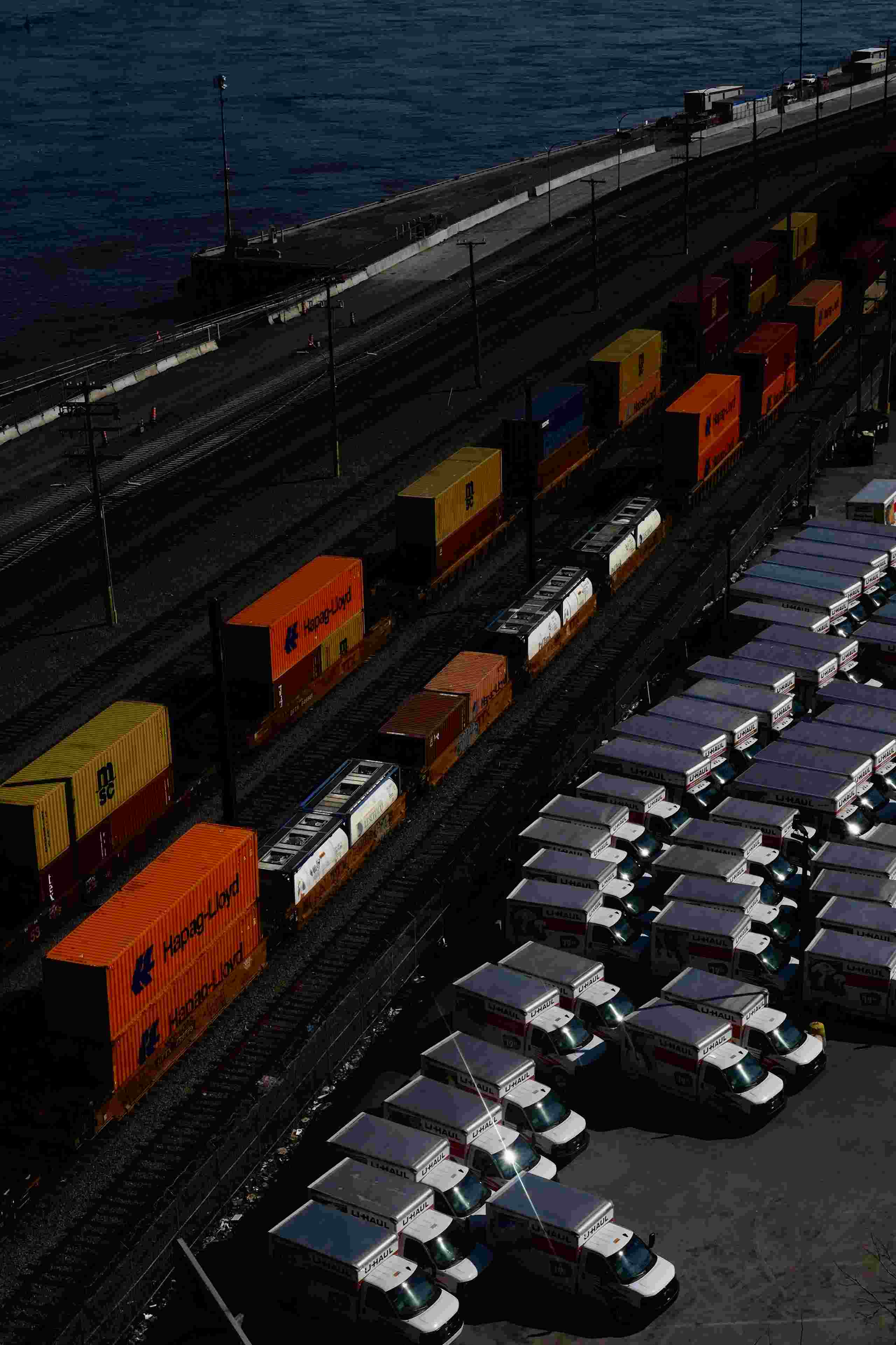
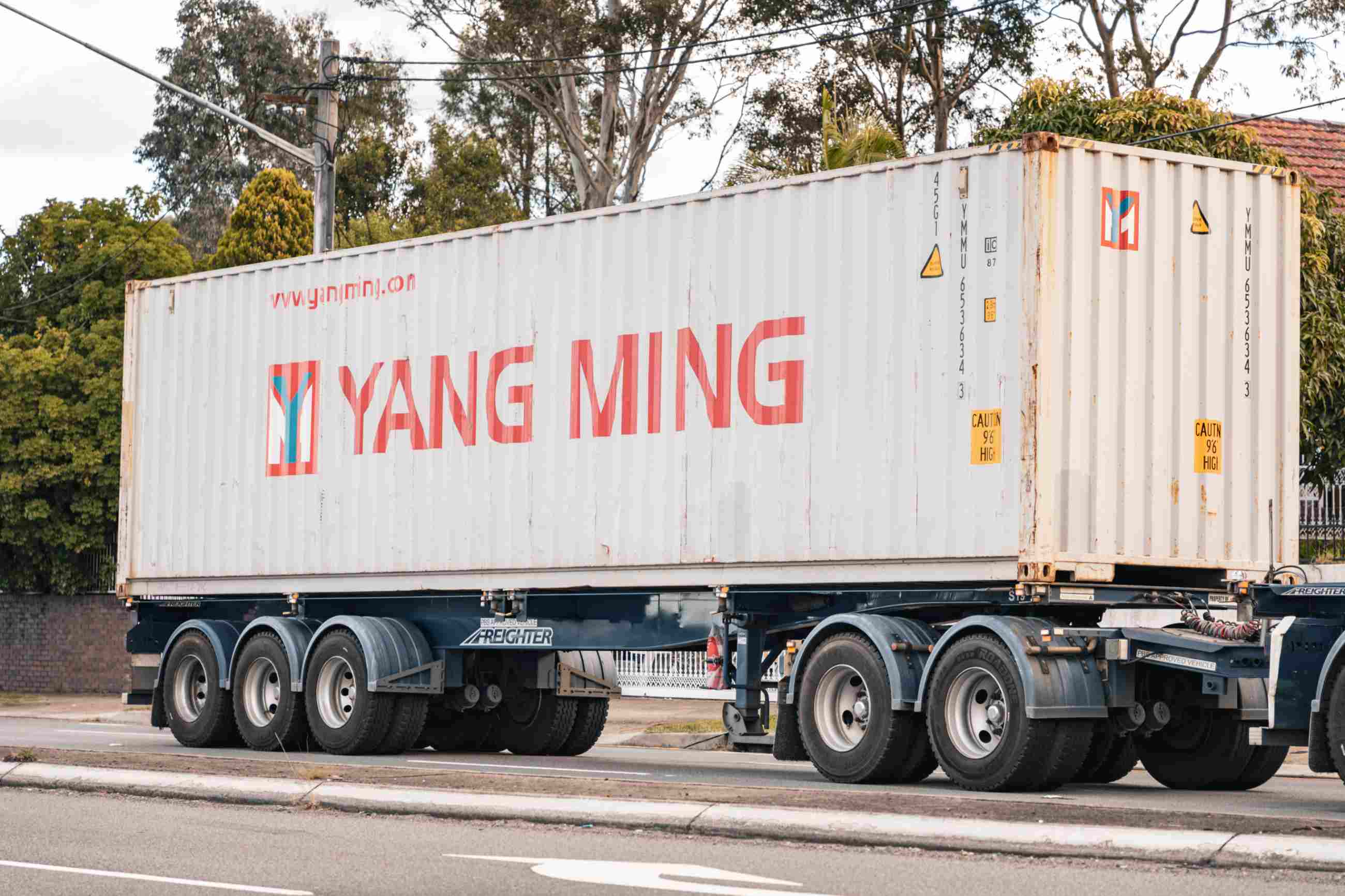
Container truck transporting freight on a highway

China road freight and terminal connections

Trucking Freight in China.

Build the road leg around the actual handoff: factory pickup, FTL or LTL line-haul, port or rail-terminal drayage, and final delivery to the receiving site.

Factory pickupFrom supplier, warehouse or consolidation point
FTL or LTLMatched to cargo volume and handoff needs
Terminal drayagePort, airport and rail-terminal connections
Delivery readyVehicle, appointment and unloading checked early

The road leg is often where the plan succeeds or fails

What do you need the truck to connect?

Trucking is not only a domestic transport service. It is the operational link between supplier readiness, the international departure point and the final receiver. The right plan starts with the handoff you need, not a generic truck rate.

Factory to port or airportProtect the carrier cutoff with a pickup plan that fits cargo readiness and terminal acceptance.
Factory to rail terminalCoordinate the truck, loading pattern and terminal handoff before rail booking milestones begin.
China domestic line-haulChoose a full truck, shared LTL movement or scheduled delivery around the commercial deadline.
Terminal to warehouse or 3PLConfirm the final receiver can accept the vehicle, cargo configuration and delivery appointment.
Tell us the handoff you need

Choose the service around control, timing and cargo volume

FTL vs. LTL: which trucking option fits the shipment?

Both can move cargo across China. The commercial decision is whether you need a dedicated vehicle and schedule, or a shared movement that trades control for a lower allocation of truck capacity.

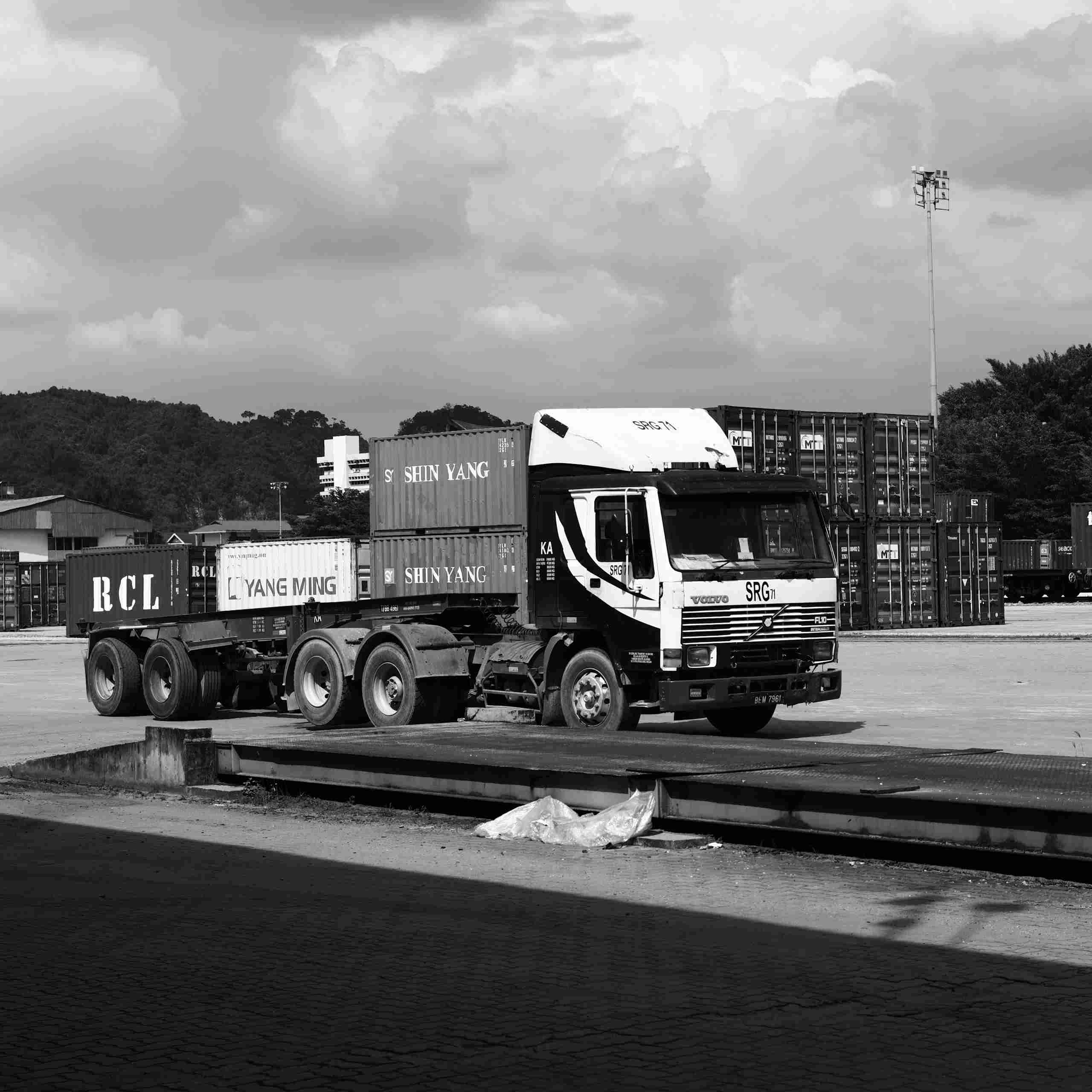
Container trucks positioned for a full truckload freight movement

01

Full Truckload

FTL gives your cargo the vehicle and the schedule.

A full truckload uses a dedicated vehicle or container chassis for the agreed movement. It is usually the clearer choice when the cargo is large, the pickup or terminal cutoff is fixed, the goods need fewer handoffs or the delivery needs more control.

Choose FTL when: your shipment can use most of the vehicle, it has a time-critical handoff, or shared loading and multiple stops create too much risk.

  • Price is commonly based on vehicle, route, loading conditions and service window
  • Useful for container drayage, high-volume supplier pickup and dedicated domestic line-haul
  • Requires the loading and receiving sites to suit the booked vehicle
Compare an FTL plan
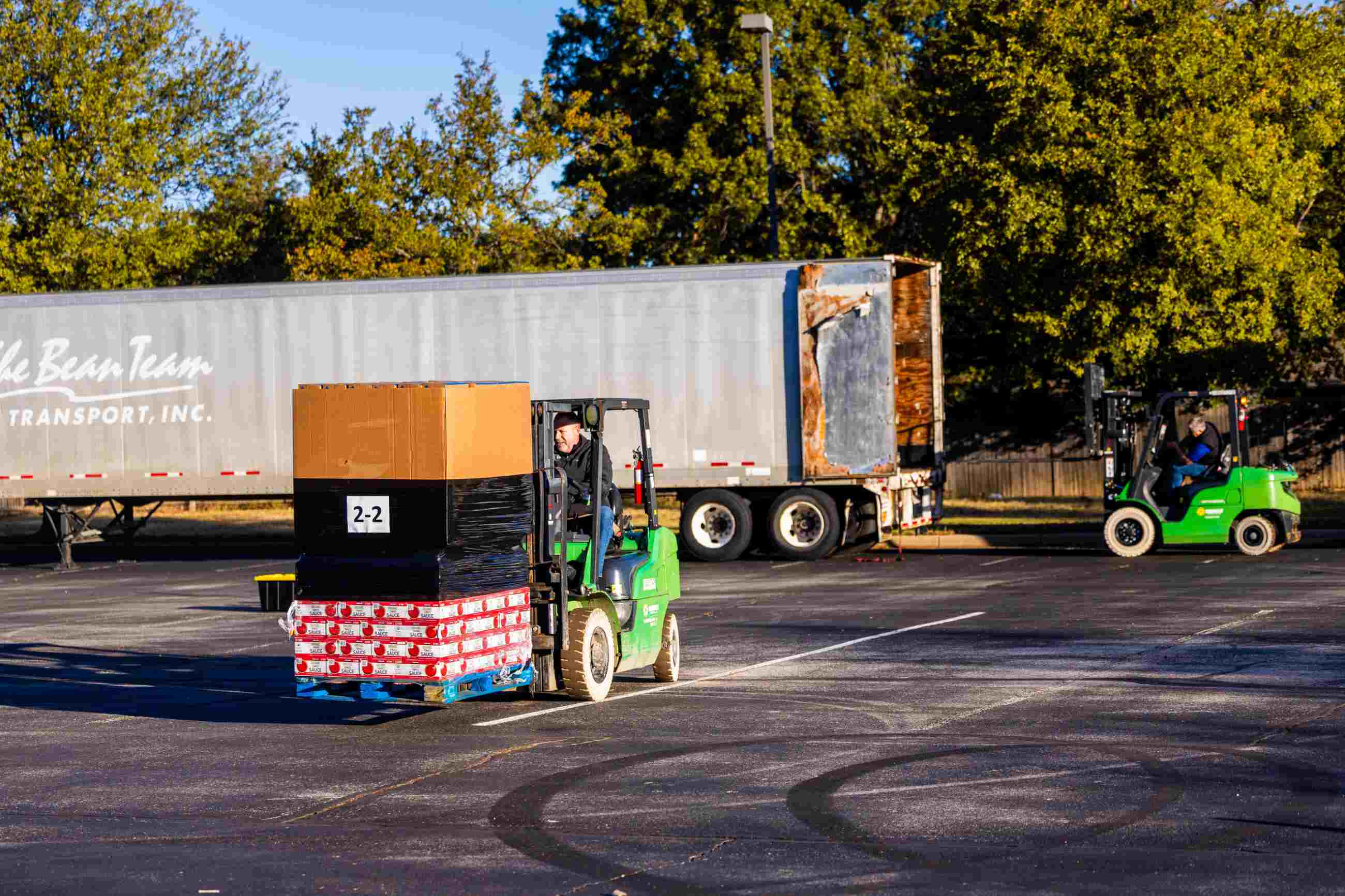
Palletized cargo prepared for a less than truckload movement

02

Less Than Truckload

LTL shares capacity when a full vehicle is not needed.

Less than truckload freight combines compatible shipments. It can suit smaller loads when the cargo is securely packed and the schedule can accept consolidation, terminal handling and a less-direct routing pattern.

Choose LTL when: the shipment uses only part of a vehicle, the cargo can tolerate shared handling and the cost saving matters more than a dedicated dispatch.

  • Price is commonly tied to dimensions, weight, route, handling and minimum charges
  • Useful for palletized cargo and smaller domestic replenishment orders
  • Needs accurate cargo data and realistic collection and delivery windows
Compare an LTL plan
Decision areaFTLLTL
Vehicle controlDedicated vehicle or chassis on the agreed route and dispatch plan.Shared capacity and routing, with consolidation and handling built into the service.
Best cargo fitHigh-volume cargo, fixed cutoffs, container drayage or controlled supplier collection.Smaller, securely packed freight that can accept shared movement and more flexible timing.
Quote basisVehicle type, route, origin and destination conditions, waiting time and agreed scope.Chargeable cargo profile, handling, route, collection and delivery conditions.
Main risk to checkWhether loading and receiving sites can handle the booked vehicle on time.Whether the cargo, packing and deadline suit consolidation and additional handling.

Equipment should fit the cargo and the sites at both ends

Truck types and planning specifications.

Vehicle names and working dimensions vary by carrier, city and road restriction. Treat these as planning categories, then confirm the live equipment and loading conditions before dispatch.

01

4.2m box or light truck

Often considered for smaller city collections, local pallet delivery and lower-volume commercial freight.

  • Check height and loading access
  • Useful where a large trailer cannot enter
02

6.8m or 9.6m box / curtain-side

Common planning categories for regional freight, palletized loads and mixed commercial cargo.

  • Match equipment to loading method
  • Confirm dock, side loading or tail-lift needs
03

13m trailer or high-volume line-haul

Often considered for larger domestic movements, consolidated loads and fixed supplier-to-warehouse lanes.

  • Better for higher-volume cargo plans
  • Requires practical site and route access
04

20ft / 40ft container chassis

For port or rail-terminal drayage where the road movement connects a container to the next transport leg.

  • Confirm terminal release and cutoffs
  • Check container condition, loading and return scope

Before selecting equipment: share package count, length, width, height, gross weight, stackability, loading method and the pickup and delivery access conditions. A vehicle that fits the cargo on paper may not fit the site or the route.

Use transit ranges to plan the handoff, not to promise a delivery date

Popular trucking routes and indicative transit times.

Road transit is affected by the cargo-ready date, dispatch window, city restrictions, traffic, terminal cutoff, vehicle availability and receiver appointment. The examples below are planning ranges for the road leg only.

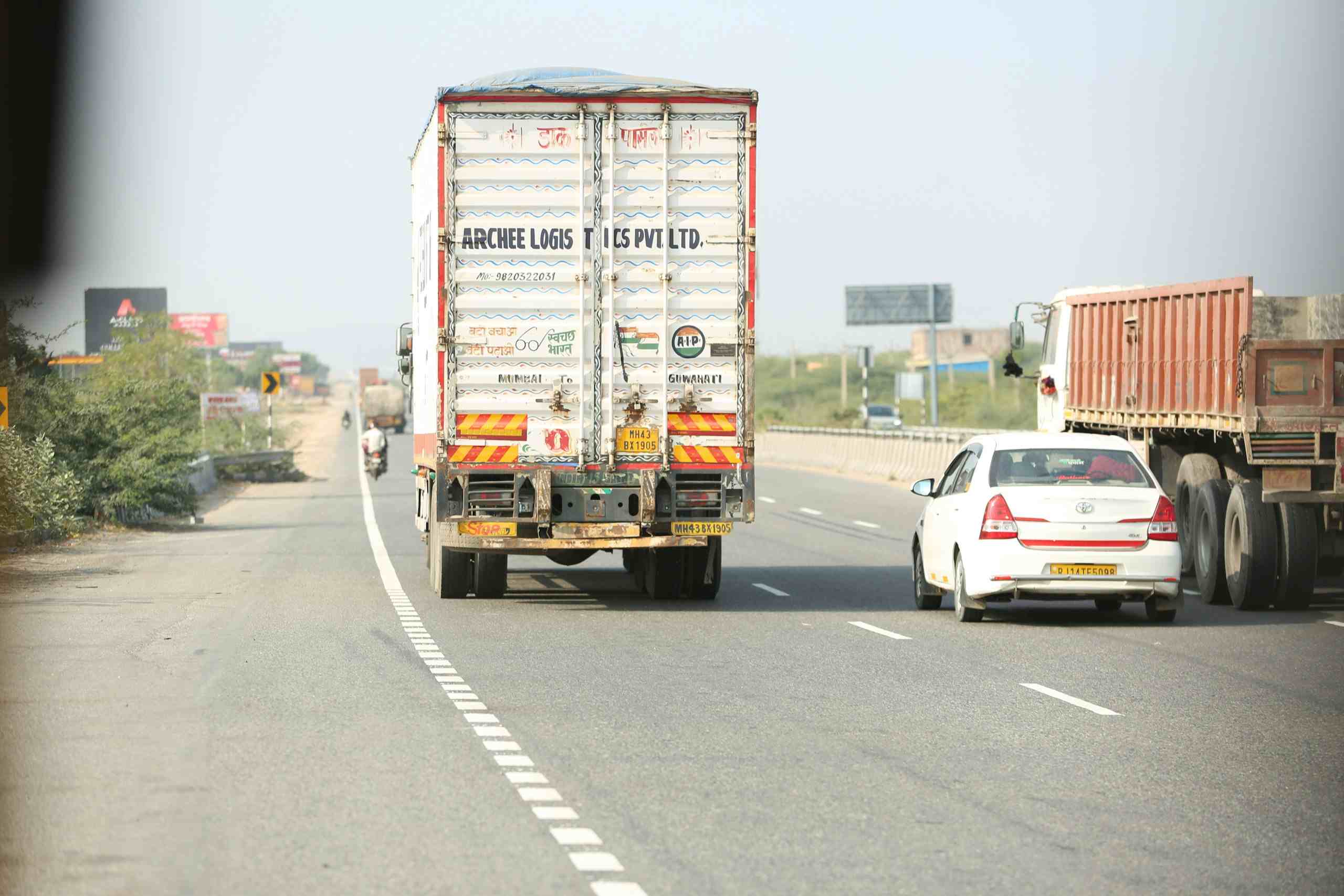
Truck carrying containerized cargo as part of an international freight route
South China terminal transferShenzhen / Dongguan to Yantian or NanshaSame day - 1 day

Plan around container release, terminal gate-in, carrier cutoff and the factory loading window.

South to East ChinaShenzhen / Guangzhou to Shanghai or Ningbo2-4 days

Road movement only; allow additional time for pickup, delivery appointment and port or warehouse handoff.

South to North ChinaShenzhen / Guangzhou to Qingdao or Tianjin3-5 days

Route, vehicle type and city restrictions affect the practical dispatch and arrival window.

South to Western ChinaShenzhen / Guangzhou to Chengdu or Chongqing3-6 days

Plan the delivery range around cargo readiness, line-haul capacity and the final receiver’s schedule.

01

Before dispatch

Confirm cargo-ready time, vehicle type, route permits or city restrictions, loading method and pickup contact.

02

At the handoff

Confirm terminal acceptance, container release, warehouse appointment or the required receiving documents.

03

At delivery

Confirm the receiving window, vehicle access, unloading responsibility and proof-of-delivery process.

A road booking is a chain of confirmed handoffs

How the trucking service works.

Each step is planned against the next one: a factory pickup may need to meet a terminal cutoff, while a final delivery may need an appointment and unloading plan.

  1. 01

    Share cargo and handoff facts

    Provide product, packing, dimensions, weight, pickup location, final handoff and ready date.

  2. 02

    Match FTL, LTL and equipment

    Select the road option around volume, handling, deadline, loading site and receiving site.

  3. 03

    Confirm dispatch conditions

    Align vehicle, driver instructions, pickup contact, terminal or warehouse cutoff and required documents.

  4. 04

    Move and manage the handoff

    Dispatch the cargo and manage the agreed transfer to a terminal, warehouse, rail service or receiver.

  5. 05

    Close the delivery loop

    Confirm terminal acceptance or proof of delivery, then address any agreed follow-on connection.

Road freight makes the larger route work

Multimodal connections: join the road leg to the right next move.

Trucking should be planned as part of the total freight chain. The next terminal, carrier, cutoff and final receiver determine how the road movement is booked and delivered.

FactoryPort terminal

Truck + Sea Freight

Collect export cargo or a loaded container and deliver it against the vessel cutoff, terminal rules and equipment release.

FactoryAirport

Truck + Air Freight

Plan the pickup around cargo acceptance, security, pallet build-up and the flight’s live cargo cutoff.

FactoryRail terminal

Truck + Rail Freight

Align the road movement with consolidation, container loading, terminal acceptance and the rail departure plan.

Arrival terminalReceiver

Terminal + Final Delivery

Turn terminal release into a confirmed delivery by checking importer readiness, appointment, vehicle access and unloading.

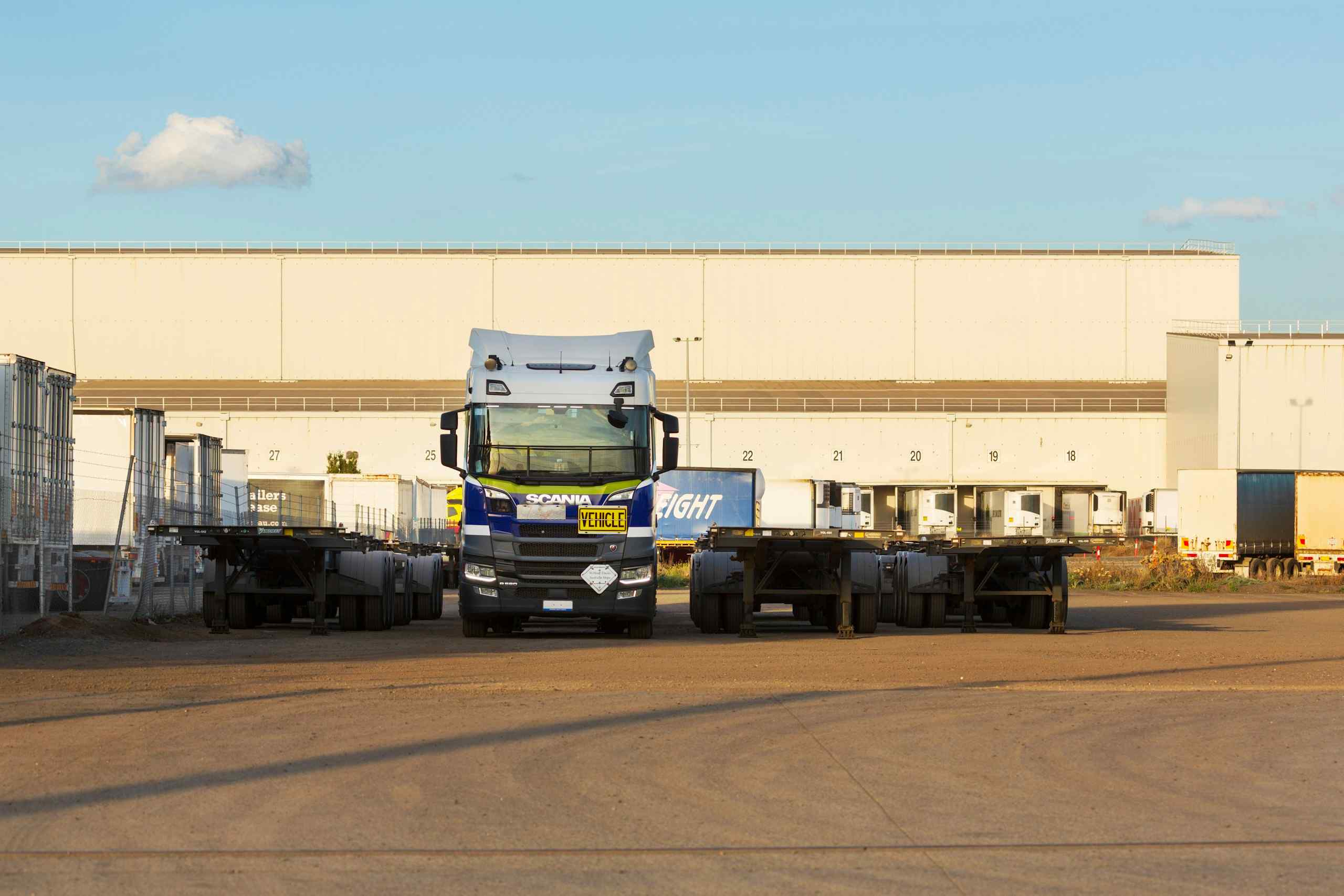
Commercial freight vehicles and cargo prepared for road delivery

Get a transport plan, not a generic rate

What we need to quote the road leg correctly.

A usable trucking quote starts with the cargo, both sites and the next handoff. The details below let us assess FTL or LTL, vehicle fit, dispatch timing and any terminal or receiving constraints.

Pickup city, address, supplier contact and cargo-ready timeDelivery city, terminal or full receiving addressCarton or pallet count, dimensions, gross weight and stackabilityProduct description and special handling or temperature needsLoading method, dock access, forklift, tail-lift or labour needsTarget handoff, cutoff, appointment or delivery deadline
Send trucking details

Questions that change the trucking plan

Trucking freight questions, answered clearly.

The final truck plan depends on cargo, route, terminals, traffic restrictions and site conditions. These answers help you prepare the right inquiry.

Is FTL always faster than LTL?

FTL often gives more direct control because the vehicle is dedicated to the agreed movement. LTL may involve collection, consolidation and extra handling. The practical comparison still depends on live dispatch capacity, cargo readiness and the delivery conditions.

How is LTL trucking freight charged in China?

LTL is commonly quoted around the cargo’s dimensions, gross weight, route, handling needs and applicable minimum charges. Accurate carton or pallet details are needed before comparing an LTL rate with a dedicated vehicle.

Can you collect cargo from a factory and deliver it to a port, airport or rail terminal?

Often yes. Send the factory address, cargo-ready time, product and packing details, the terminal or booking reference where available, and the cutoff that the road handoff must meet.

What truck should I use for pallets or oversized cargo?

The correct equipment depends on the cargo dimensions, gross weight, stackability, loading method, road restrictions and the access conditions at both sites. Do not select a vehicle from dimensions alone without checking the pickup and receiving requirements.

Can a truck deliver to a warehouse or 3PL that requires an appointment?

Yes, where the receiving rules are provided early. Share the booking process, receiving contact, hours, dock details, vehicle limitations, pallet and label requirements before dispatch is arranged.

What can delay a trucking shipment?

Late cargo readiness, inaccurate measurements, road restrictions, vehicle availability, weather, traffic, terminal congestion, missed cutoffs and unavailable delivery appointments can affect dispatch and arrival.

Can trucking be combined with sea, air or rail freight?

Yes. That is often the purpose of the road leg. The truck is planned around the international booking, terminal acceptance, cargo cutoff and final receiving arrangement rather than as a separate movement.

Ready to plan the road leg?

Tell us where the cargo starts, where it must hand over and when.

Share the cargo, pickup city, destination or terminal, ready date and site conditions. We will build the trucking scope around the connection that matters.