
China Shipping Agent for Amazon Sellers: The 2025 Guide
Launching a successful e-commerce brand requires a robust supply chain strategy. Using a dedicated china shipping agent for Amazon sellers allows you to bridge the gap between Chinese manufacturers and global fulfillment centers. This partnership helps mitigate risks associated with international logistics and ensures your products arrive in pristine condition.
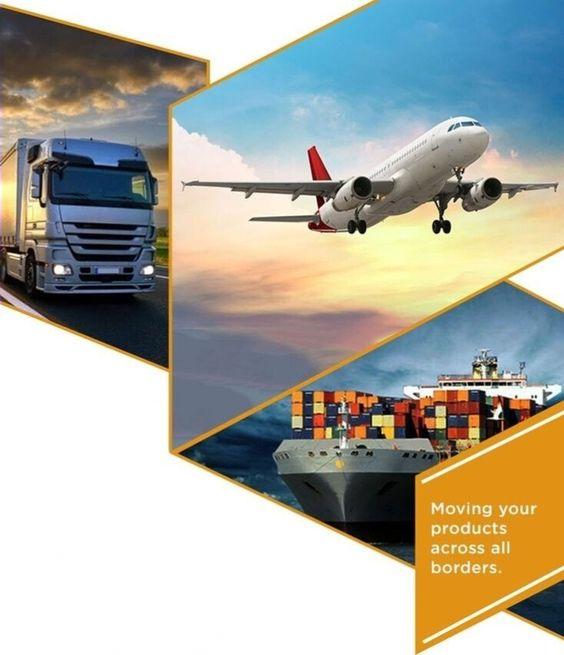
Why You Need a China Shipping Agent for Amazon Sellers
Managing international logistics involves navigating a complex web of regulations and carrier schedules. A professional shipping partner simplifies this process by handling everything from factory pickup to final delivery.
Furthermore, these agents possess deep knowledge of Amazon FBA requirements, which prevents costly rejection of goods at the warehouse. They ensure that your inventory meets the strict packaging and labeling standards set by the platform.
Consequently, sellers can focus on marketing and product development while experts manage the movement of goods. This strategic delegation often leads to improved profit margins and more reliable stock levels.
Moreover, localized agents in China can communicate directly with your suppliers in their native language. This removes the barrier of communication errors that often lead to shipping delays or incorrect documentation.
Understanding Amazon FBA Shipping Requirements
Compliance remains the most significant hurdle for new sellers entering the global marketplace. Amazon maintains rigid standards for pallet dimensions, box weights, and barcode placement that must be followed precisely.
Additionally, any deviation from these rules can result in your shipment being returned or your seller account being penalized. An experienced agent will inspect your goods before they leave China to verify compliance.
Indeed, they provide services like poly-bagging, suffocation warning labels, and FNSKU labeling at a much lower cost than US-based prep centers. This pre-shipment preparation is essential for maintaining a healthy supply chain.
Therefore, investing in a partner who understands the nuances of the Amazon Seller Central portal is highly beneficial. They can help you generate the necessary shipping labels and manage the appointment scheduling for delivery.
How Does Sea Freight Compare to Other Shipping Options?
Selecting the right transport mode is a balance between cost efficiency and the need for speed. For many, sea freight represents the most economical choice for large volume shipments.
While sea transport is slower than air, it allows for significantly higher profit margins on bulky or heavy items. It is particularly effective for established brands with predictable demand cycles.
In contrast, air freight offers rapid replenishment for hot-selling items but at a premium price point. Sellers must weigh the cost of potential stockouts against the higher expense of expedited shipping.
Below is a comprehensive comparison of the primary methods used by Amazon sellers today.
| Shipping Method | Cost Range | Transit Time | Best For |
|---|---|---|---|
| Sea Freight (FCL) | $2,500 – $5,000 per container | 25 – 45 Days | High volume inventory |
| Sea Freight (LCL) | $150 – $300 per CBM | 30 – 50 Days | Small to medium batches |
| Air Freight | $5 – $12 per KG | 5 – 9 Days | Urgent restocks |
| Rail Freight | $120 – $250 per CBM | 18 – 28 Days | Mid-size Europe shipments |

Comparing Air, Rail, and Express Services
Sometimes sea freight is simply too slow to meet the demands of a fast-moving market. In these instances, air freight provides the necessary speed to keep your listing active.
Moreover, for sellers targeting the European market, rail freight offers a middle ground between the speed of air and the low cost of sea. It is an environmentally friendlier option that has gained popularity in recent years.
If you are shipping small samples or very lightweight products, express service is often the most convenient choice. These courier services handle everything including the final mile delivery to the warehouse door.
Nevertheless, each method has its own set of documentation requirements and weight restrictions. A china shipping agent for Amazon sellers will help you choose the method that aligns with your current budget and timeline.
The Role of Customs Brokerage in Amazon Logistics
Navigating the legalities of import duties and taxes is one of the most stressful aspects of international trade. Utilizing a professional customs brokerage service ensures that your HTS codes are correct.
Incorrect classification can lead to overpayment of duties or, worse, legal seizures of your inventory by border authorities. Professional agents stay updated on the latest trade policies and tariff changes.
Accordingly, they prepare the Commercial Invoice and Packing List to ensure a smooth transition through customs. This proactive approach minimizes the risk of inspections that cause lengthy delays.
Without a doubt, having a partner who can act as the Importer of Record or provide a DDP (Delivered Duty Paid) solution is vital. This allows the seller to pay all costs upfront, avoiding unexpected bills after the shipment arrives.
Step-by-Step Process: From Factory to FBA
The journey begins with the agent coordinating with your manufacturer to pick up the finished goods. Once the cargo reaches the agent’s warehouse, they perform a quality check and verify the Amazon labels.
Subsequently, the goods are consolidated and loaded into containers or prepared for air transit. The agent then manages the export clearance process in China before the cargo departs for its destination.
Upon arrival in the destination country, the agent handles the import clearance and pays the necessary duties. Finally, they arrange for door to door delivery via an Amazon-partnered carrier or a private trucking company.
This end-to-end management provides peace of mind and allows for real-time tracking of your inventory throughout the transit period.
Real-World Case Studies: Successful Amazon Shipments
Case Study 1: Electronics to North America
Route: Shenzhen to Los Angeles. Cargo: Bluetooth Speakers, 8 CBM, 1500kg. Method: Sea Freight LCL. Total Landed Cost: $3,200. Transit Time: 22 days. Key Insight: By consolidating with other sellers, this client saved 40% compared to air freight during the Q3 peak season.
Case Study 2: Apparel to Europe
Route: Ningbo to Hamburg. Cargo: Cotton T-shirts, 12 CBM. Method: Rail Freight. Total Landed Cost: $2,850. Transit Time: 24 days. Key Insight: Rail provided a faster alternative to sea without the extreme costs of air, allowing the seller to meet a seasonal launch deadline in Europe.
Case Study 3: Kitchenware to Australia
Route: Shanghai to Sydney. Cargo: Silicone Molds, 20GP Container. Method: Sea Freight FCL. Total Landed Cost: $1,950. Transit Time: 15 days. Key Insight: Using FCL for a full container load maximized the shipping volume and lowered the per-unit cost for the seller in Australia.

Which Option Should You Choose? Decision Framework
Deciding on a shipping strategy depends on your specific business goals and the nature of your products. If your primary concern is maintaining a low cost-per-unit, sea freight is almost always the winner for shipments over 2 CBM.
However, if you are launching a new product and need to test the market quickly, air express is the better choice. It allows you to get live on Amazon within a week of production finishing.
Consider the following criteria for your decision: Budget priority suggests sea freight; Speed priority suggests air freight; High-value cargo suggests air or express for security; Bulky items suggest sea or rail.
Hybrid solutions are also available, such as sea-air combinations where goods travel by sea to a hub like Dubai and then fly the rest of the way. This can save time compared to pure sea freight while remaining cheaper than pure air.
Cost-Saving Strategies for Amazon Sellers in 2025
Reducing shipping costs is a direct way to increase your bottom line without raising prices for customers. One effective method is to optimize your packaging to reduce the dimensional weight of your cartons.
Additionally, consolidating multiple small orders from different suppliers into one larger shipment can significantly lower your freight rates. Most agents offer free warehousing for a limited time to facilitate this consolidation.
Moreover, booking your shipments at least 2-3 weeks in advance can help you secure lower rates before carrier capacity tightens. Rates typically spike during the weeks leading up to Chinese New Year and the Golden Week holiday.
Always request a detailed breakdown of all charges, including origin fees, ocean freight, and destination handling. This transparency prevents hidden costs from eroding your profit margins later in the process.
Common Mistakes to Avoid When Hiring a China Freight Forwarder
Choosing an agent based solely on the lowest quoted price is a frequent error that often leads to poor service. Low-cost providers may use slower routes or have hidden fees that appear at the destination port.
Furthermore, failing to verify the agent’s experience with Amazon FBA can result in warehouse rejections. Ensure your partner has a proven track record of delivering to fulfillment centers in North America and other major regions.
Another mistake is neglecting to purchase cargo insurance for high-value shipments. While rare, accidents during transit can occur, and insurance provides a vital safety net for your investment.
Finally, clear communication is essential for a successful partnership. Avoid agents who are slow to respond to inquiries or who cannot provide clear tracking information for your cargo.
Final Thoughts on Choosing a China Shipping Agent for Amazon Sellers
To summarize, finding a competent <a href=”https://chinashipnet.com”>china shipping agent for Amazon sellers</a> is a fundamental step in building a scalable e-commerce business. By understanding the different shipping modes and compliance requirements, you can make informed decisions that protect your inventory and your profits.
Whether you choose sea, air, or rail, the right partner will guide you through the complexities of international trade and customs. Start optimizing your logistics today to ensure your Amazon store remains competitive in 2025 and beyond.
Ready to streamline your logistics?
Ready to streamline your supply chain and reduce your logistics costs? Contact us today for a personalized quote from a reliable china shipping agent for Amazon sellers. Visit our website to learn more about our specialized FBA services. Send Inquiry: https://chinashipnet.com/contact-us/
Request Quote