
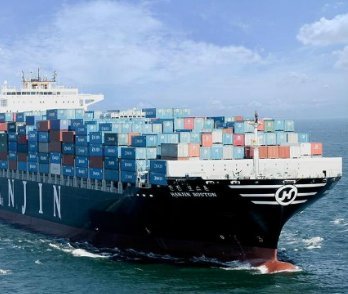
Shipping from China to U.S. Virgin Islands

Services

What we do

Services

img

Sea Freight From China To U.S. Virgin Islands

China Ship Net provides reliable and economical sea freight services from China to the U.S. Virgin Islands, using major Caribbean and U.S. East Coast transshipment hubs combined with feeder services into St. Thomas and St. Croix. Through long-term cooperation with carriers such as COSCO, OOCL, APL, EMC, Maersk (MSK), and HMM, we secure favourable contract rates, stable space, and routings adapted to island shipping schedules and U.S. regulatory requirements. Whether you are shipping construction materials, hotel and resort supplies, household goods, food and beverage products, retail merchandise, vehicles, or project cargo, our ocean freight solutions are tailored to the port infrastructure of the U.S. Virgin Islands and ensure safe loading, compliant documentation, and smooth delivery across the territory.

img

Air Freight From China To U.S. Virgin Islands

For urgent, high-value, or time-sensitive shipments, our air freight service from China to the U.S. Virgin Islands offers a fast and secure option via regional gateways. China Ship Net designs air routes from major Chinese airports to Cyril E. King Airport on St. Thomas and Henry E. Rohlsen Airport on St. Croix, typically through key hubs in the mainland United States or the wider Caribbean. From pickup at your supplier’s premises, export customs clearance, and airline booking, to transit monitoring, U.S. import procedures, local clearance in the U.S. Virgin Islands, and last-mile delivery, we manage the entire air logistics chain. This service is ideal for electronics, fashion items, medical supplies, pharmaceuticals, urgent spare parts, luxury goods, and samples that must reach the U.S. Virgin Islands quickly and in perfect condition.

img

Door to Door Shipping from China to U.S. Virgin Islands

Our door-to-door shipping service delivers a complete end-to-end logistics solution for businesses and individuals in the U.S. Virgin Islands who prefer a single responsible partner. China Ship Net arranges pickup directly from factories or warehouses across China, prepares all export documentation, and organises sea or air transportation via suitable U.S. and Caribbean hubs. We then handle U.S. and local customs clearance, port or airport handling, and final delivery to your hotel, warehouse, shop, office, project site, or residence on St. Thomas, St. Croix, or St. John. With proactive tracking, clear communication, and experienced local partners, we ensure a smooth, hassle-free shipping experience from origin in China right to your door in the U.S. Virgin Islands.

FCL Shipping from China To U.S. Virgin Islands

China Ship Net offers full-container-load (FCL) shipping from China to the U.S. Virgin Islands, supported by competitive carrier contracts and dependable container availability on mainline and feeder routes. Our team manages container booking, equipment allocation, loading supervision at your supplier’s premises or a consolidation warehouse in China, export customs clearance, and ocean transport to key Caribbean or U.S. hubs, followed by feeder services into ports on St. Thomas or St. Croix. FCL shipping is ideal for large-volume or heavy cargo such as construction materials, resort and hotel fit-out items, vehicles, industrial machinery, household relocations, and bulk commercial goods, providing enhanced cargo security, predictable transit times, and better cost control for your U.S. Virgin Islands–bound shipments.

LCL Shipping from China To U.S. Virgin Islands

For shipments that do not require a full container, our less-than-container-load (LCL) service from China to the U.S. Virgin Islands offers a flexible and cost-effective alternative. We consolidate cargo from multiple shippers at major Chinese ports, complete export procedures, and arrange ocean transport to key Caribbean or U.S. consolidation hubs, followed by feeder services into St. Thomas or St. Croix. After arrival, we coordinate deconsolidation, customs clearance, and final delivery to your warehouse, shop, office, or residence. LCL shipping is particularly suitable for SMEs, e-commerce sellers, mixed-SKU consignments, and trial orders for the U.S. Virgin Islands market, helping you control logistics costs while maintaining reliable and regular supply.

Features

More Services Shipping from China To U.S. Virgin Islands

img

Pickup and Delivery

China Ship Net will provide most fuel efficient pickup service China
img

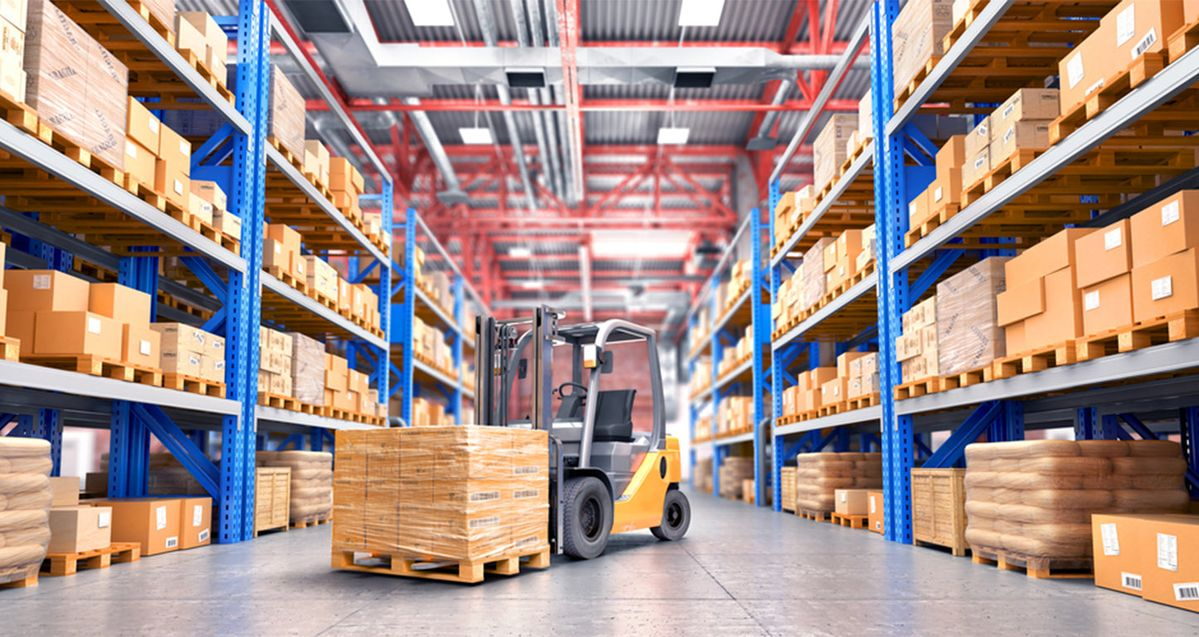
Warehousing

We provide free warehousing services for any of your goods.
img

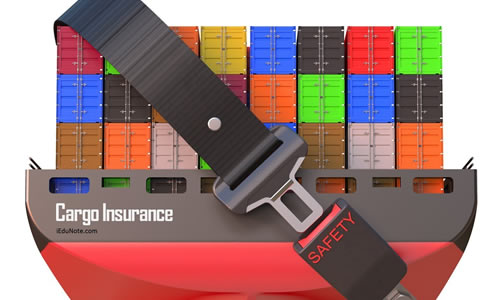
Cargo Insurance

The cargo insurance protects your goods all the way to any Any FBA Warehouse
img

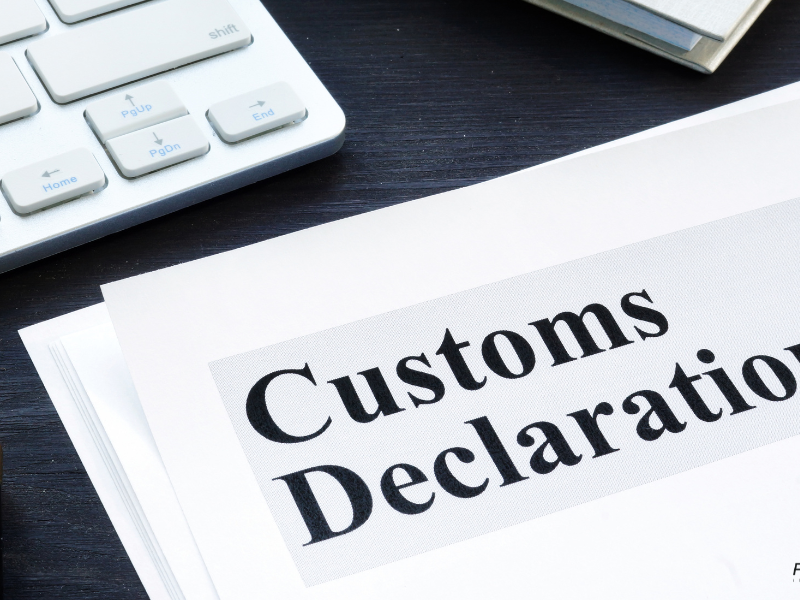
Custom Clearance

We handle all paperwork and other details for you.

img

Loading Inspection

Ensure safe packaging and loading of goods in your suppliers' factory.

Here We Are

GET ANYTYPE QUOTE FROM HERE.

Your Best Freight Forwarder from China to U.S. Virgin Islands

  • Offer dependable ocean freight services from China to the U.S. Virgin Islands via optimised Caribbean and U.S. routes
  • Provide flexible, time-definite air freight options from China to the U.S. Virgin Islands using regional hubs
  • Deliver expert export documentation and customs clearance services in China
  • Offer complimentary warehousing periods and customised loading or consolidation solutions
  • Ensure careful container loading supervision to protect cargo on long sea and island legs
  • Arrange reliable pickup and inland transportation from all major manufacturing regions in China
  • Provide 24/7 online customer support and transparent shipment tracking for U.S. Virgin Islands–bound cargo
What customers also want to know

Professional Shipping from China to U.S. Virgin Islands: The Ultimate FAQ Guide

Shipping times from China to the U.S. Virgin Islands depend on several variables, including the transport method, carrier schedules, customs clearance, and possible transit delays.

In general, air freight offers faster delivery, typically 7–14 days, while sea freight is more economical but slower, usually taking 20–40 days or longer, depending on routing and logistics. These timelines are estimates, and actual transit times can vary.

For the most accurate delivery expectations, it’s best to consult directly with your shipping carrier or freight forwarder, who can provide guidance based on your cargo type and specific routing.

The cost of shipping from China to the U.S. Virgin Islands would involve similar factors to shipping to the continental United States, such as shipping method, weight, size, distance, shipping provider, customs duties and taxes, and additional services.

However, shipping to the U.S. Virgin Islands may involve additional considerations, such as whether the shipment will go through a port on the mainland U.S. before being forwarded to the U.S. Virgin Islands, or if it will be sent directly. This can affect the overall cost and logistics.

To get an accurate estimate for shipping to the U.S. Virgin Islands, it's best to contact shipping companies, freight forwarders, or logistics providers that specialize in international shipping and provide them with details about your shipment. They can then offer you a quote tailored to your specific needs and destination.

To ship from China to the U.S. Virgin Islands, you'll need to follow several steps to ensure a smooth process:

  1. Choose a Shipping Method: Decide whether you'll use air freight or sea freight. Air freight is faster but more expensive, while sea freight is slower but more cost-effective for larger shipments.

  2. Find a Freight Forwarder or Shipping Carrier: Research and select a reliable freight forwarder or shipping carrier that offers services from China to the U.S. Virgin Islands. Look for companies with experience in international shipping and a good track record of timely deliveries.

  3. Get a Quote: Contact the chosen freight forwarder or shipping carrier to get a quote for your shipment. Provide details such as the dimensions and weight of your packages, the desired shipping method, and any special requirements.

  4. Prepare Shipping Documents: Gather all necessary shipping documents, including the commercial invoice, packing list, bill of lading or air waybill, and any other relevant paperwork required for customs clearance. Make sure all documents are filled out accurately and completely.

  5. Customs Clearance: Be aware of customs regulations and requirements for both China and the U.S. Virgin Islands. Ensure that your shipment complies with all applicable rules and regulations to avoid any delays or complications during customs clearance.

  6. Packaging and Labeling: Properly package your items to protect them during transit. Label each package with the recipient's name, address, and contact information in the U.S. Virgin Islands, as well as any relevant shipping labels provided by the carrier.

  7. Track Your Shipment: Once your shipment is on its way, use the tracking information provided by the freight forwarder or shipping carrier to monitor its progress. This will allow you to stay informed about its estimated arrival time and any potential delays.

  8. Receive Your Shipment: Once your shipment arrives in the U.S. Virgin Islands, be prepared to receive it and complete any necessary customs clearance procedures. Coordinate with the recipient or your local customs broker to ensure a smooth delivery process.

By following these steps and working with experienced shipping partners, you can successfully ship your goods from China to the U.S. Virgin Islands with minimal hassle.

Arranging air freight from China to the U.S. Virgin Islands involves several key steps:

  1. Research Air Freight Providers: Begin by researching and contacting air freight providers that offer services from China to the U.S. Virgin Islands. Look for companies with a strong reputation for reliability, efficient service, and competitive pricing.

  2. Request Quotes: Reach out to multiple air freight providers to request quotes for your shipment. Provide details such as the dimensions, weight, and nature of your cargo, as well as the desired departure and arrival dates.

  3. Select a Provider: Evaluate the quotes you receive based on factors such as pricing, transit time, and the reputation of the provider. Choose the air freight provider that best meets your needs and budget.

  4. Book Your Shipment: Once you've selected an air freight provider, book your shipment with them. Provide all necessary details about your cargo, including pickup location, delivery address in the U.S. Virgin Islands, and any special handling instructions.

  5. Prepare Shipping Documents: Gather all required shipping documents, including the commercial invoice, packing list, air waybill, and any other relevant paperwork. Ensure that all documents are filled out accurately and completely.

  6. Packaging and Labeling: Properly package your cargo to ensure it is protected during transit. Label each package with the recipient's name, address, and contact information in the U.S. Virgin Islands, as well as any required shipping labels provided by the air freight provider.

  7. Customs Clearance: Be aware of customs regulations and requirements for both China and the U.S. Virgin Islands. Work with your air freight provider to ensure that your shipment complies with all applicable rules and regulations.

  8. Track Your Shipment: Use the tracking information provided by your air freight provider to monitor the progress of your shipment. Stay informed about its estimated arrival time and any updates or delays.

  9. Receive Your Shipment: Once your shipment arrives in the U.S. Virgin Islands, coordinate with the recipient or your local customs broker to complete any necessary customs clearance procedures and arrange for delivery or pickup of your cargo.

By following these steps and working closely with your chosen air freight provider, you can arrange for efficient and reliable air freight from China to the U.S. Virgin Islands.

Calculating shipping costs from China to the U.S. Virgin Islands involves several factors that contribute to the overall price:

  1. Shipping Method: The chosen shipping method (e.g., air freight, sea freight) significantly impacts the shipping cost. Air freight is generally more expensive but faster, while sea freight is typically cheaper but slower.

  2. Weight and Dimensions: The weight and dimensions of your shipment play a crucial role in determining the shipping cost. Freight carriers usually charge based on the greater of the actual weight or volumetric weight (calculated based on the dimensions).

  3. Distance: The distance between the origin in China and the destination in the U.S. Virgin Islands affects the shipping cost. Longer distances generally result in higher shipping costs.

  4. Shipping Volume: The volume of goods being shipped can influence the shipping cost. Larger volumes may qualify for volume discounts or special rates negotiated with carriers.

  5. Shipping Carrier: Different shipping carriers offer varying rates and services. It's essential to compare quotes from multiple carriers to find the most competitive option for your specific shipment.

  6. Additional Services: Additional services such as insurance, expedited shipping, customs clearance assistance, and special handling can add to the overall shipping cost.

To calculate the shipping cost:

  • Gather Shipment Details: Determine the weight, dimensions, and volume of your shipment.

  • Choose a Shipping Method: Decide whether you'll use air freight or sea freight based on your budget and time constraints.

  • Request Quotes: Reach out to freight forwarders or shipping carriers to request quotes for your shipment. Provide accurate details about your cargo and shipping requirements.

  • Compare Quotes: Compare the quotes received from different carriers, considering factors such as pricing, transit time, and included services.

  • Calculate Total Cost: Once you've chosen a carrier, calculate the total shipping cost by adding up the base shipping rate, any additional fees or surcharges, and taxes or duties if applicable.

  • Consider Other Costs: Don't forget to consider other costs such as packaging materials, customs duties, and any additional services you may require.

By considering these factors and following these steps, you can accurately calculate the shipping costs from China to the U.S. Virgin Islands and make informed decisions about your shipping options.

Air shipping from China to the U.S. Virgin Islands is ideal in several situations:

  1. Urgency: When time is of the essence and you need your goods to reach the U.S. Virgin Islands quickly, air shipping is the best option. Air freight offers significantly faster transit times compared to sea freight, making it suitable for time-sensitive shipments.

  2. Perishable Goods: If you're shipping perishable goods or products with a limited shelf life, air shipping ensures that your goods arrive quickly and in optimal condition. This is crucial for items such as fresh produce, flowers, or pharmaceuticals.

  3. High-Value Items: Air shipping is often preferred for high-value items due to the higher level of security and faster transit times. It reduces the risk of theft or damage during transit, providing greater peace of mind for valuable shipments.

  4. Small Shipments: For small or lightweight shipments, air shipping can be more cost-effective than sea freight. While air freight rates are generally higher than sea freight rates, the lower volume and weight of small shipments can offset the higher cost per kilogram.

  5. Seasonal Demand: During peak seasons or periods of high demand, such as holidays or promotional events, air shipping may be necessary to ensure timely delivery of goods to the U.S. Virgin Islands. Air freight offers greater flexibility and agility to respond to fluctuations in demand.

  6. Just-in-Time Inventory: If you operate on a just-in-time inventory system and need to replenish stock quickly, air shipping allows for faster replenishment cycles. This helps minimize inventory holding costs and ensures that you have the right products available when needed.

  7. Prototype or Sample Shipments: When sending prototypes, samples, or small quantities of goods for testing, evaluation, or marketing purposes, air shipping provides a fast and efficient way to transport these items to the U.S. Virgin Islands.

In these scenarios, air shipping offers speed, reliability, and flexibility, making it the preferred choice for businesses and individuals shipping goods from China to the U.S. Virgin Islands.

When importing goods from China to the U.S. Virgin Islands, you may be subject to taxes and duties imposed by the customs authorities. The amount you'll need to pay depends on various factors:

  1. Value of Goods: Customs duties are typically calculated based on the value of the imported goods. The value is determined by the cost of the goods, including freight, insurance, and any other charges incurred before the goods arrive at the U.S. Virgin Islands.

  2. Tariff Rates: Different types of goods are subject to different tariff rates, which are imposed by the U.S. Virgin Islands customs authorities. Tariff rates vary depending on the category and classification of the imported goods as per the Harmonized Tariff Schedule (HTS).

  3. Free Trade Agreements: The U.S. Virgin Islands may have free trade agreements with certain countries or regions, which could affect the amount of duty payable. Goods originating from countries with which the U.S. Virgin Islands has a free trade agreement may be eligible for preferential tariff treatment or duty exemptions.

  4. Taxation Policies: In addition to customs duties, imported goods may also be subject to other taxes such as value-added tax (VAT) or sales tax. The rates and applicability of these taxes vary depending on the nature of the goods and local taxation policies.

  5. Customs Clearance Fees: Importers are often required to pay customs clearance fees, which cover the cost of processing and inspecting imported goods. These fees are separate from duties and taxes and are charged by customs brokers or freight forwarders handling the clearance process.

To determine the exact amount of tax and duty payable for your specific shipment from China to the U.S. Virgin Islands, you can consult with a customs broker or freight forwarder experienced in international trade. They can provide guidance on the applicable tariff rates, taxes, and any other charges associated with importing your goods and help ensure compliance with customs regulations.

Choosing between Less than Container Load (LCL) and Full Container Load (FCL) shipping depends on several factors:

  1. Volume of Goods: If you're shipping a large volume of goods that can fill an entire container, FCL shipping may be more cost-effective and efficient. FCL allows you to have exclusive use of the container, minimizing handling and reducing the risk of damage or loss.

  2. Cost Considerations: FCL shipping often offers lower rates per unit compared to LCL, especially for larger shipments. However, if your shipment volume is relatively small, LCL may be more economical since you'll only pay for the space your goods occupy within a shared container.

  3. Time Sensitivity: FCL shipping generally offers faster transit times compared to LCL since there's no need to wait for consolidation or deconsolidation of goods at the port. If time is of the essence and you need your goods to reach the U.S. Virgin Islands quickly, FCL may be the preferred option.

  4. Security and Risk: FCL shipping provides greater security and reduces the risk of damage or tampering during transit since your goods are loaded directly into the container and sealed until they reach their destination. If you're shipping high-value or fragile items, FCL can offer greater peace of mind.

  5. Flexibility: LCL shipping offers greater flexibility for smaller shipments or shipments with varying volumes. You can consolidate multiple smaller shipments into a single container, reducing costs and allowing for more efficient use of container space.

  6. Destination Accessibility: Consider the accessibility of the destination port in the U.S. Virgin Islands. If the port facilities can accommodate container ships and have the infrastructure for handling FCL shipments, FCL may be a viable option. However, if the port is better suited for LCL shipments or if your goods need to be distributed to multiple locations upon arrival, LCL may be more practical.

Ultimately, the choice between LCL and FCL shipping depends on your specific shipment requirements, budget considerations, and logistical needs. It's essential to weigh the advantages and disadvantages of each option carefully and consult with your freight forwarder or shipping provider to determine the most suitable solution for your shipment from China to the U.S. Virgin Islands.

Tracking your shipment from China to the U.S. Virgin Islands involves several steps:

  1. Obtain Tracking Information: Once your shipment is booked with a freight forwarder or shipping carrier, you'll receive tracking information such as a tracking number or reference number.

  2. Track Online: Most freight forwarders and shipping carriers offer online tracking services on their websites. Visit the carrier's website and enter your tracking number or reference number in the designated tracking tool or portal.

  3. Mobile Apps: Many shipping carriers also offer mobile apps that allow you to track your shipment conveniently from your smartphone or tablet. Download the carrier's app from the app store and log in with your tracking information to monitor your shipment on the go.

  4. Email or SMS Notifications: Some carriers provide email or SMS notifications to keep you updated on the status of your shipment. Sign up for these notifications when booking your shipment or through your carrier's website or app.

  5. Customer Service: If you encounter any issues or have questions about your shipment, contact the customer service department of your freight forwarder or shipping carrier. They can provide assistance and updates on your shipment's whereabouts.

  6. Third-Party Tracking Services: In addition to the carrier's tracking services, there are also third-party tracking websites and services that aggregate tracking information from multiple carriers. You can use these platforms to track your shipment across different carriers in one place.

  7. Customs Clearance Updates: Keep in mind that tracking information may only be available until your shipment reaches the destination port in the U.S. Virgin Islands. Once your shipment undergoes customs clearance and is released for delivery, tracking updates may be limited. Inquire with your freight forwarder or carrier for customs clearance updates if needed.

By utilizing these tracking methods and staying informed about your shipment's progress, you can effectively monitor your shipment from China to the U.S. Virgin Islands and ensure a smooth delivery process.

When shipping goods from China to the U.S. Virgin Islands, the following documents are typically required to ensure smooth customs clearance and delivery:

Commercial Invoice:
This document outlines the transaction details, including product descriptions, quantities, declared values, and seller and buyer information. It is essential for customs valuation and duty assessment.

Packing List:
The packing list provides a detailed breakdown of each package or container, specifying item descriptions, quantities, weights, and dimensions. It helps customs officials verify shipment contents efficiently.

Bill of Lading (B/L):
Issued by the carrier or freight forwarder, the bill of lading serves as both a receipt and a contract of carriage. It includes shipment details such as shipper, consignee, routing, and delivery terms, and is required to release cargo at destination.

Certificate of Origin:
This document confirms where the goods were manufactured. It may be required to meet import regulations or to qualify for preferential duty treatment if applicable.

Customs Declaration Forms:
Additional declaration forms may be needed depending on the cargo type. These provide detailed information about the goods, their value, and intended use.

Export License (if required):
Certain products are subject to export controls and may require approval from Chinese authorities prior to shipment.

Insurance Certificate (if applicable):
If cargo insurance is arranged, an insurance certificate serves as proof of coverage against loss or damage during transit.

Additional Documents:
Depending on the nature of the goods, supplementary documents such as compliance certificates, sanitary or phytosanitary certificates, or import permits may be required.

Preparing all documentation accurately and in advance is critical to avoiding delays. Working with an experienced freight forwarder or customs broker can help ensure full compliance and a smooth shipping process from China to the U.S. Virgin Islands.

Don’t Take Our Words for it

Listen to What Our Clients Say about Our Freight Forwarding Service

Code Quality

Code Quality is solid and maintainable, with clear structure and consistent naming conventions. The logic is well organized, making the codebase easy to read and extend. Documentation and comments support understanding, and error handling is generally reliable. A bit more modularization and test coverage would further strengthen robustness. Overall, the implementation is professional and dependable.

Sakira K. Lilliam
Ceo of Axone

Features Availability

Features Availability is well designed and comprehensive, covering the core needs of users while remaining easy to access and understand. Most key functions are consistently available and perform reliably. The layout makes feature discovery intuitive, though a few advanced options could be surfaced more clearly. Overall, availability and usability are strong and dependable.

Warleman Joliues
Co-Founder Carion ltd

Design Quality

Design Quality is clean, modern, and thoughtfully executed. The interface is visually consistent, with good use of spacing, typography, and color to guide attention. Navigation feels smooth and components are well organized. Performance and aesthetics balance well, though minor refinements in detail could enhance polish. Overall, the design delivers a professional and user-friendly experience.

Jon D. William
Founder of Mixbix